7 Easy-to-Grow, Cat-Friendly Air-Purifying Houseplants
 By Lindsay Jones
 ✓Medically reviewed by Dr. Lindsey Mortlock
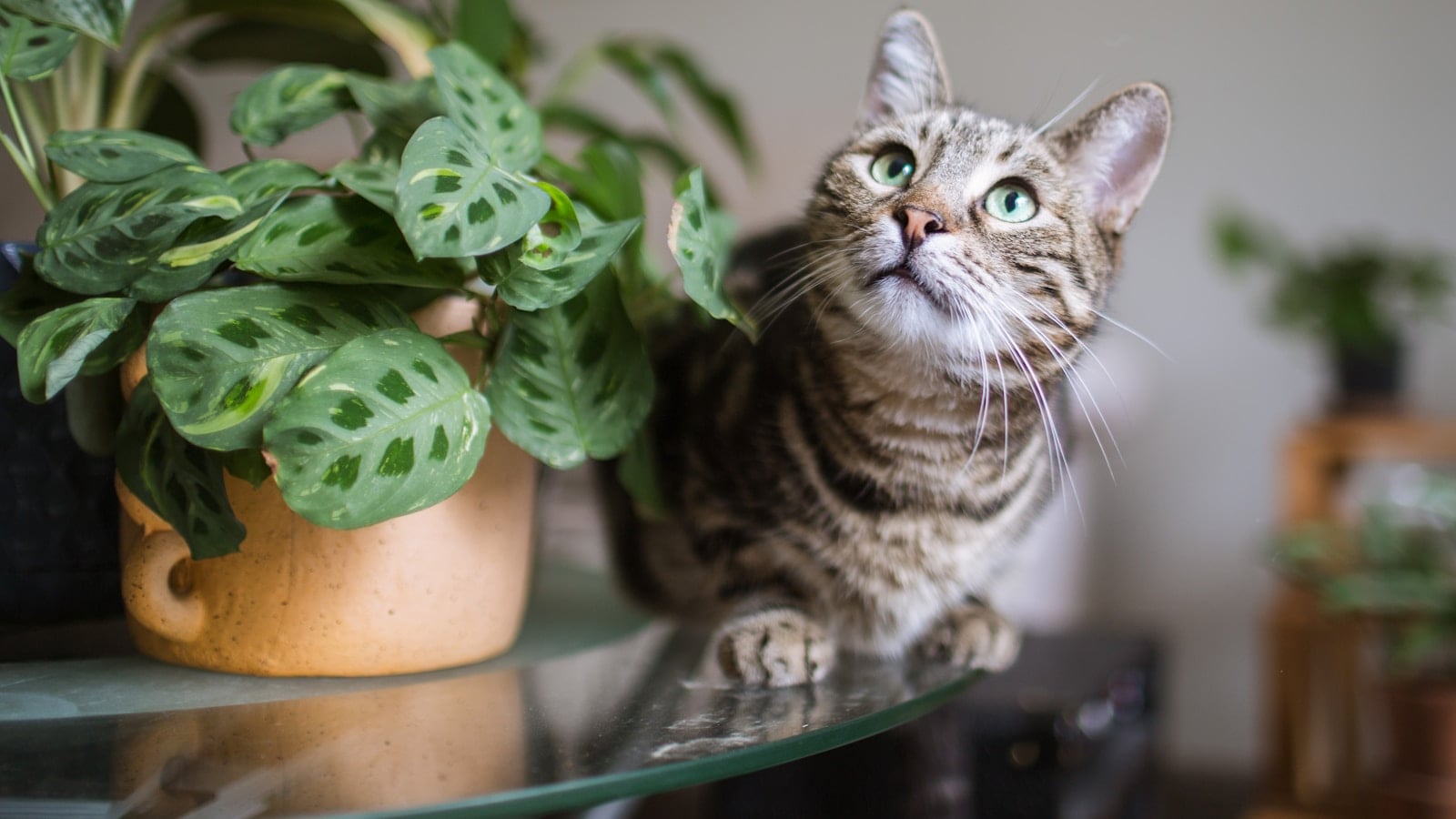
I have a bit of a black thumb when it comes to plants, but that doesn’t mean I don’t love them! We had three plants at home when we adopted our cats Thelma and Louis, and unfortunately none of them were considered cat-friendly. Thankfully they’re each tall plants, so the cats don’t have access to them, and we put these black plastic deterrents over each of their planters to be extra safe. But as I’m tempted to shop for new plants, getting pet-friendly ones is obviously my number one priority now.
While I have in the past, pre-cats, bought plants because they were supposedly good at “cleaning” the air, knowing that there’s not a whole lot of truth around that means I now look for plants that I just like the look of and that are safe for Thelma and Louis. (More on that whole “air-purifying” below.)
So that’s what this list is: plants that are easy enough for a black thumb, safe for a cat, and the ones that do genuinely make your air a bit better, with a caveat. And the good news is that every plant below is confirmed non-toxic to cats on the ASPCA’s database. However it’s important to note that non-toxic still doesn’t mean your cat should eat it, and I’ll get to that too.
Do these plants actually clean your air?
The “air-purifying houseplant” idea comes from a 1989 NASA Clean Air Study that sealed plants in small chambers and measured them pulling chemicals like formaldehyde out of the air. It’s real, but it happened in a sealed box, not a living room.
A 2019 review by researchers Bryan Cummings and Michael Waring at Drexel University, published in the Journal of Exposure Science and Environmental Epidemiology, looked back at decades of this research and found that normal airflow in a real home, from windows, doors, and your HVAC, clears those chemicals far faster than any plant can. To match a basic air purifier, you’d need somewhere in the range of hundreds to over a thousand plants in one room.
So a few plants on a shelf won’t measurably clean your air. They’re still nice to have. Just buy them for the right reasons.
1. Spider plant
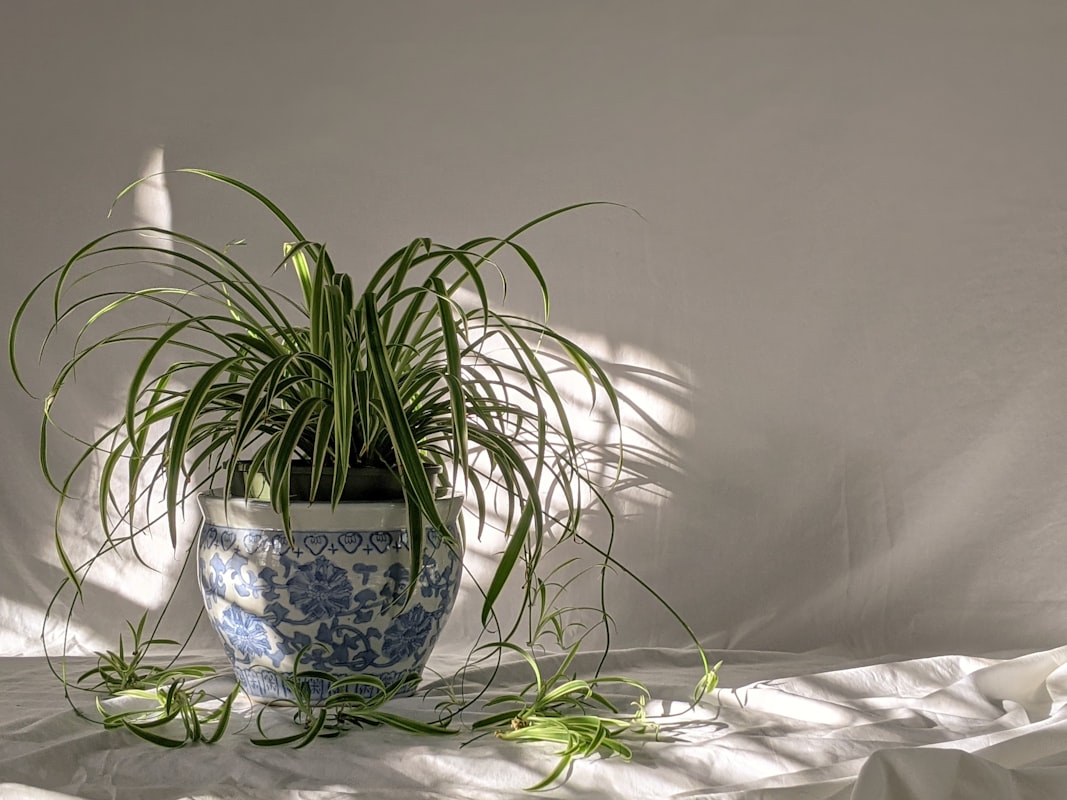
The spider plant is the one I’d hand a beginner first. Why? Well, it lead in the original NASA study for pulling formaldehyde out of the air, it’s almost impossible to kill, and the ASPCA lists it, under the name Chlorophytum comosum, as non-toxic to cats. A few cats even get a mild, catnip-like buzz from the leaves.
It does the trailing, arching thing that cats love to bat at, and it sends out little baby plants on long stems that dangle like cat toys. That’s the catch with this one. It’s safe, but it’s also basically advertising itself as something to chew. A high shelf or a hanging planter can help keep the temptation down and the plant intact.
For care, this plant craves bright, indirect light. Just water when the top inch of soil is dry, and it’ll forgive you forgetting. Bonus? If you snip the babies off you’ve got free plants to spread around or give away.
Nurseries often call this one of the easiest houseplants to care for, those snippets make great gifts for family or friends, and most importantly, they won’t harm your pets if they decide to take a little taste.
What to watch with a cat
Even though it’s non-toxic, a cat who eats a lot of any plant can throw it up. Spider plants seem to be especially popular with cats, so this is one to place out of easy reach if yours is a dedicated chewer. One owner put the trade-off bluntly:
There’s cat safe, and then there’s cat safe and still pretty. Things like spider plants are indeed cat safe. But they also love to eat them so they never really look great.
— via Reddit.com
2. Parlor palm
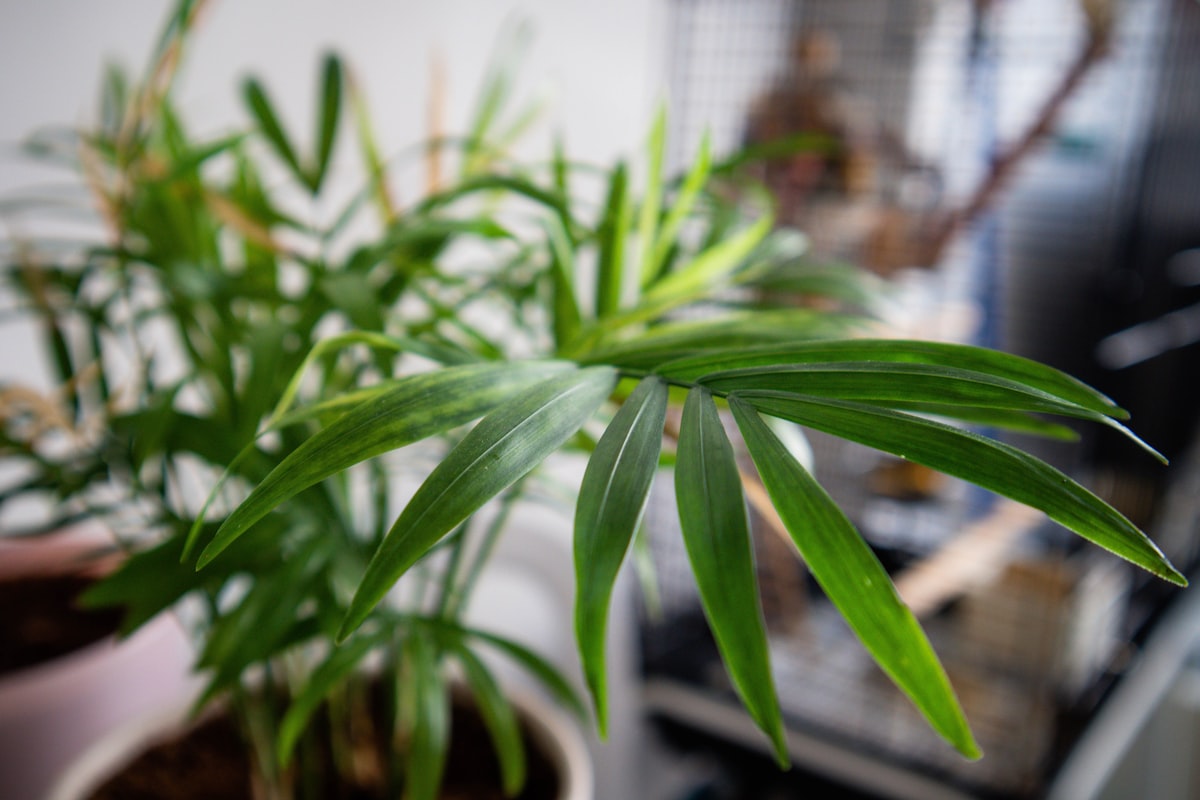
If you want something taller and a little more architectural, the parlor palm is hard to beat for a low-light room. The ASPCA lists it as Chamaedorea elegans and non-toxic to cats, and confusingly, the names “bamboo palm” and “reed palm” on the ASPCA site point to the same safe plant.
This is also where palm shopping gets dangerous, so it’s worth making sure you keep them straight. Parlor, areca, ponytail, and lady palms are safe, but the sago palm is not a true palm and is severely toxic to cats. The lesson here is to always check the actual plant, not just the word “palm” on the tag.
For care, parlor palms tolerate lower light than most plants, ans they like their soil to dry out a bit between waterings. They also grow slowly, so they can stay a manageable size for a long time.
3. Areca palm
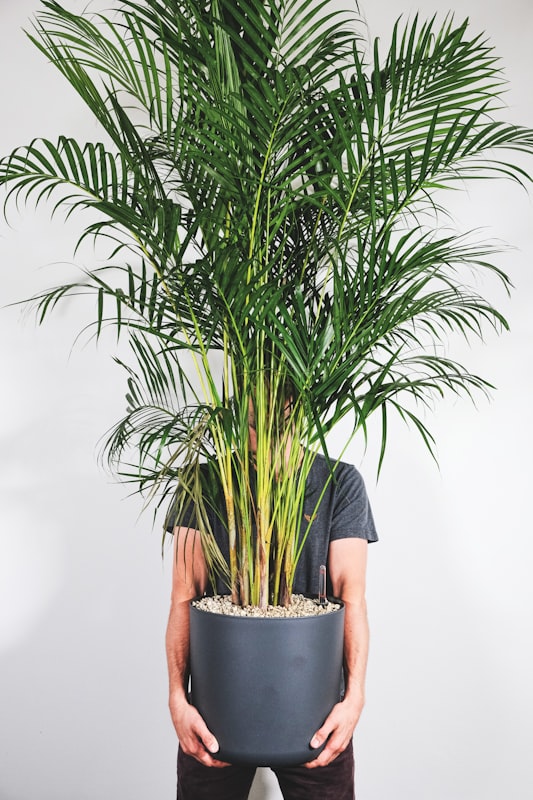
The areca palm is the big, feathery floor plant you’ve seen softening the corner of many bright rooms in magazines or even at hotels and restaurants. The ASPCA lists it as Dypsis lutescens and non-toxic to cats, and it shows up on basically every air-purifying list going back to the NASA list.
When it comes to care, it wants more light and more water than the parlor palm, so it’s a teeny bit of a half-step up in effort. But it’s still beginner-friendly as long as you give it a bright spot and don’t let it dry out completely.
Cat note: The fronds move when the air moves, which some cats find fascinating, so expect a little supervised batting.
4. Boston fern
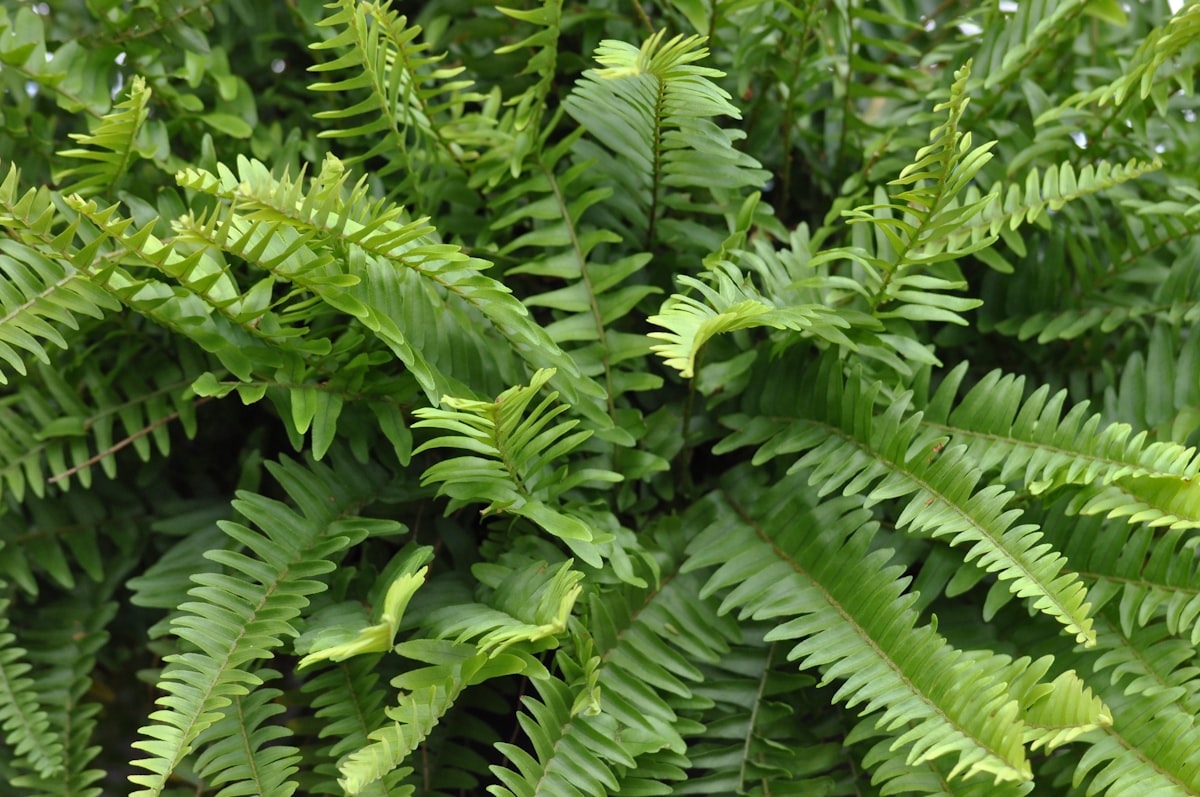
The Boston fern is the classic lush, draping fern, and it was one of the better formaldehyde removers in the NASA study. The ASPCA lists it as non-toxic to cats. One important warning that comes up with ferns. The Boston fern is the safe one, but the so-called asparagus fern is not a true fern and is toxic, so the distinction matters here as much as it does with palms.
Surprisingly, this is the highest-maintenance plant on the list. It wants humidity, consistent moisture, and indirect light, and it will drop crispy leaflets to let you know when it’s unhappy. A bathroom with a window is often its happiest spot, which also happens to keep it away from a lot of cat traffic.
What to watch with a cat
The dangly fronds are tempting, and shed leaflets end up on the floor where a cat will absolutely try one. It’s safe, but messy, so a stand or a hanger helps.
5. Bromeliad
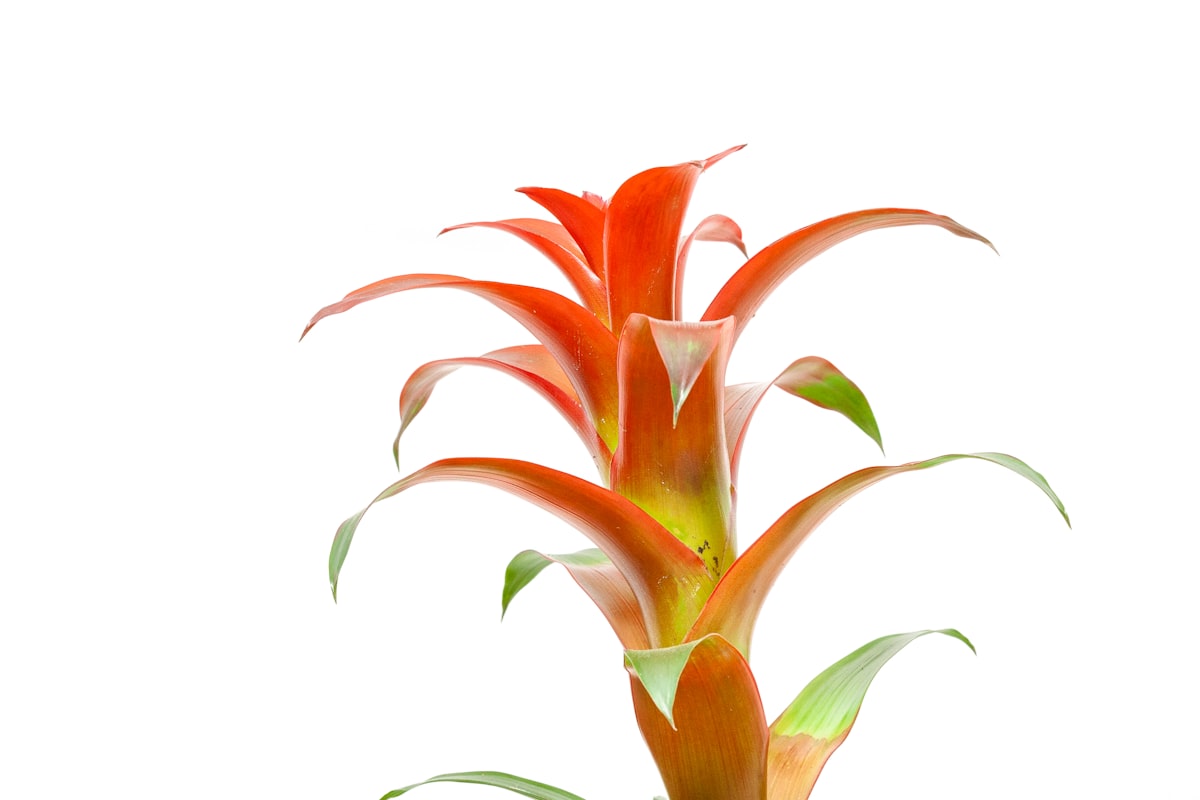
If you want actual color without a toxic flowering plant, a bromeliad is a great pick. The ASPCA lists the common Guzmania bromeliad, sometimes sold as “Orange Star,” as non-toxic to cats, and bromeliads are one of the few houseplants with a more recent lab study behind them. In 2016, a researcher at SUNY Oswego found that a bromeliad removed six of eight tested airborne chemicals over about twelve hours, though that was a lab test, not a real room.
Care is easier than it looks. Bromeliads take bright indirect light, and you water them by keeping a little water in the central cup formed by the leaves, topping it off and flushing it now and then. The trade-off is that the colorful part is the bloom, and each plant blooms once, then produces offsets, called pups, that you can keep growing.
6. Money tree
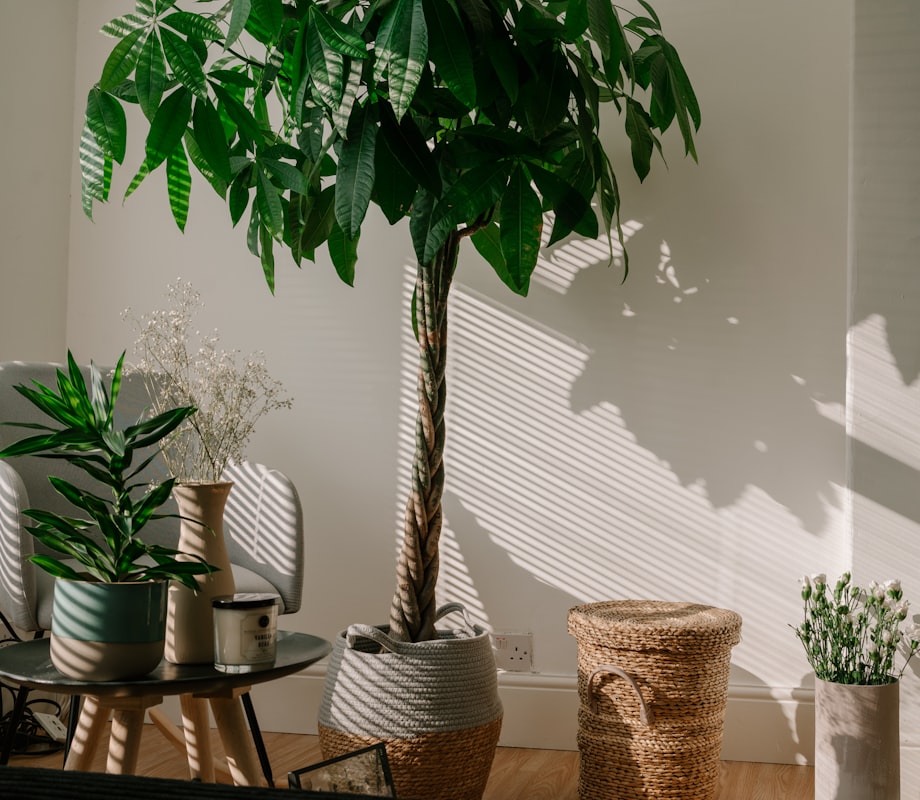
The money tree, with its braided trunk and glossy leaves, is an easy, sculptural plant for people who want something that looks a little more intentional. The ASPCA lists it as Pachira aquatica and non-toxic to cats.
It’s also low-effort. It wants bright indirect light, and you water when the top couple of inches of soil are dry. It’s fairly relaxed about the rest. The braided trunk and shape make it less of an obvious chew target than a dangly plant, which is win-win in my book.
7. Peperomia
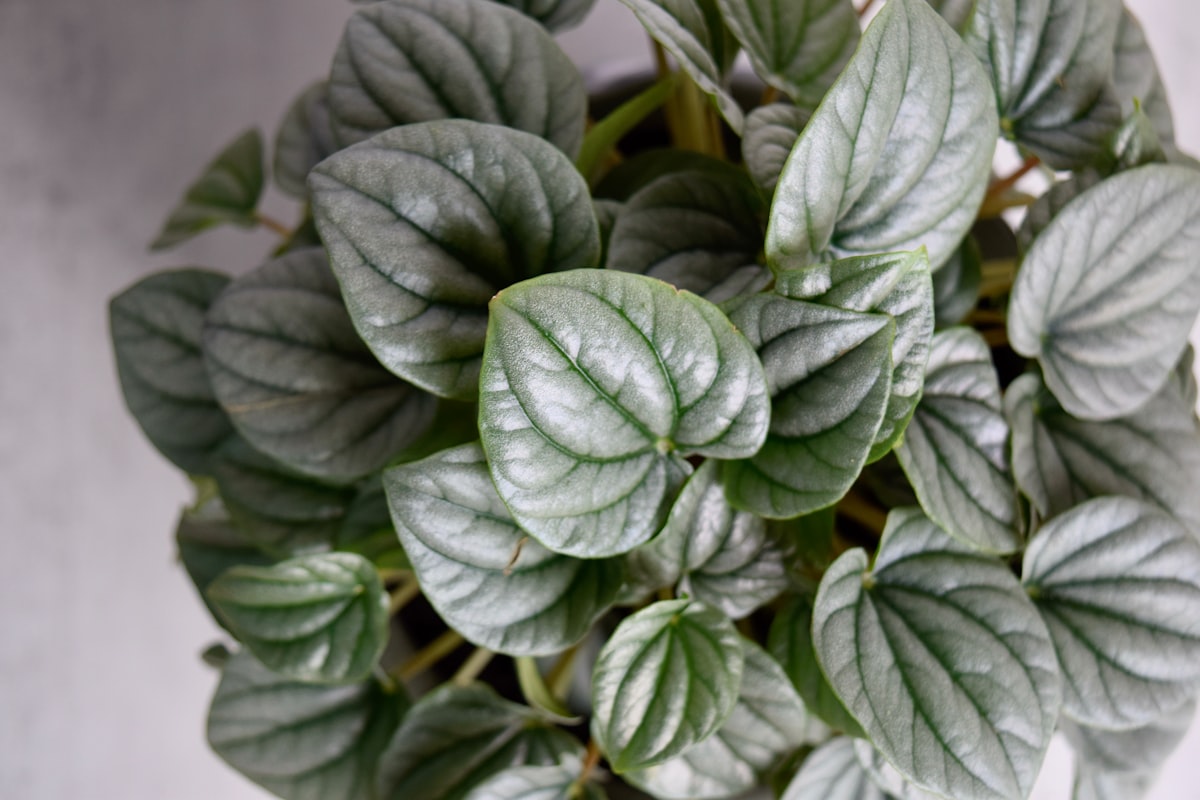
Peperomia is the small-space pick. It’s a compact tabletop plant with thick, often textured leaves and dozens of varieties to collect. The ASPCA lists peperomia, including Peperomia caperata, as non-toxic to cats.
It also earns a spot here for being almost foolproof. The thick leaves hold water, so it would rather you underwater than overwater it. It’s happy in medium to bright indirect light, and it also stays small if that’s your thing. The slightly waxy, sturdy leaves also tend to be less interesting to cats than anything that trails or dangles, so it’s a good one for a shelf you actually want to keep intact.
Non-toxic doesn’t mean all-you-can-eat
A safe, non-toxic plant generally means a nibble is fine. However it doesn’t mean a plant is a salad bar.
Any cat that eats a lot of plant material can end up vomiting it back up, partly because they can’t digest it well and partly because some cats just overdo it. So even with everything on this list, it’s worth discouraging heavy chewing, keeping the trailing types up high, and giving a determined chewer something better to do.
Keep this Number Handy
If your cat ingests something you’re unsure about, call your vet immediately and/or ASPCA Animal Poison Control Center at (888) 426-4435. The hotline is available 24 hours a day, 365 days a year.
Where to start
If you want one plant that covers most of what people are after here (easy, pretty, and has potential air-quality benefits), start with a spider plant up on a shelf, or a parlor palm in a lower-light corner. Both are cheap, safe, almost impossible to kill, and easy to find.
When it comes to plants, the most important thing to remember is that they’re there for decoration, so make sure your cats are the priority, not what you think will look good in the corner.
Founder and editor of Cat Seat and cat mom to Thelma and Louis. She’s been writing online since 2000.
An emergency veterinarian with a special interest in feline medicine — and a self-proclaimed cat lady with six cats of her own.
Hi! I’m Lindsay. I run this site alongside my hubs Cory and our very opinionated cats, Thelma and Louis. We’re so happy you’re here!
I love this browser. Not only funny and sometimes comical but it’s also practical.
I’m looking forward to being a part of catseat.com. Thank you cat mom
We’re so happy you’re here!