
How to Get Your Cat to Drink More Water
 By Lindsay Jones
 ✓Medically reviewed by Dr. Lindsey Mortlock
Some links are affiliate, so we may earn a small commission at no cost to you. Every purr-chase keeps two very demanding cats in treats. Our policy →
Cats are notoriously bad at drinking enough water, and the root of it can be traced all the way back to their ancestors. House cats are descendants of the African wildcat, a desert hunter that got nearly all of its moisture from prey. For instance take a mouse…a mouse is up to 80% water. So if a cat ate enough of them they would be fairly hydrated. Because of that, the species never developed much of a thirst drive and their kidneys are still desert kidneys, built to concentrate urine and hang onto every drop.
That setup worked for thousands of years, until we swapped a cat’s prey for a bowl of dry kibble, which is where the trouble starts. Cats don’t really know they need to make up the difference at the water bowl, they’re just not wired that way. Thankfully, there are ways to make sure your modern, non-mouse eating housemate is being adequately hydrated! Read on for the tips…
So, how much water does your cat really need?
The rough vet guideline is about an ounce of water a day for every pound your cat weighs, food included. So, that’s actually quite a bit of water if your cat is not getting moisture from their food and is eating only dry kibble.
If you suspect your cat is not drinking enough water, be sure to look out for the signs of dehydration, which can be subtle. Cats are very good at hiding pain or discomfort, so it helps to be on the lookout for any unusual or slightly off behavior.
Signs of Dehydration
According to Cornell’s Feline Health Center, dehydration in cats can sometimes show up as:
- lethargy
- weakness
- poor appetite
- dry gums
- sunken eyes
Older cats are especially worth keeping an eye on. Chronic kidney disease is super common in senior cats, and hydration is one of the main ways vets help manage it. If your cat suddenly stops drinking, seems unusually tired, or starts acting noticeably different, call your vet.
Ideally they can get most of their water from food
Like we talked about in the intro, cats are meant to get most of their water from the food they eat. Otherwise they have to really like water to get their recommended daily ounces!
The easiest way to stay hydrated is with wet food, because then any additional water they drink is a bonus. In comparison, canned food runs around 70 to 80 percent water by weight, whereas dry kibble sits closer to 10, so the gap is big.
Louis thankfully eats the majority of his calories with wet food (3 cans of Royal Canin Adult Instinctive thin slices in gravy a day) with a small snack of dry kibble along with a couple pieces of freeze dried chicken and a freeze dried minnow. We rarely see him at the water fountain, but we’re less worried because the majority of his food is wet.
Thelma, on the other hand, is the problem child. She only eats dry kibble, so we go out of our way to make sure she has plenty of water or more hydrating options.
In addition to different types of water bowls and fountains which we’ll get into, we also try to get some moisture in via her treats. Thelma loves Churu but given her weird food allergies, is for some reason allergic to them. (We’re not sure why). So we give her 1-2 of the pureed, lickable treats from either Acana or Petco’s Whole Hearted line (she likes tuna and salmon). Their moisture levels range from 85-90%, which is the equivalent of around 0.45-0.48 ounces of water. So, not a lot clearly but they are decent! We’ll try to add about a tablespoon of water into a bowl with them as well. Sometimes it works, sometimes it doesn’t. Louis will get one of these tubes a day, too.
Our cats don’t like cat-safe broth, which seems very strange to me, but if they did I would try giving that to Thelma in her kibble or at least as a snack. Adding broth is a great way to get additional moisture in your cat’s food, but remember it has to be cat-safe, which means it’s free of any toxic seasonings and salt.
How to get your cats to drink more water: Give them more options
In addition to the hydrating foods you give them, be sure that they have enticing water vessels around the house as well. One bowl in the kitchen usually isn’t enough to entice your cats to drink more water. Instead, give them a few different options.
The type of bowl matters
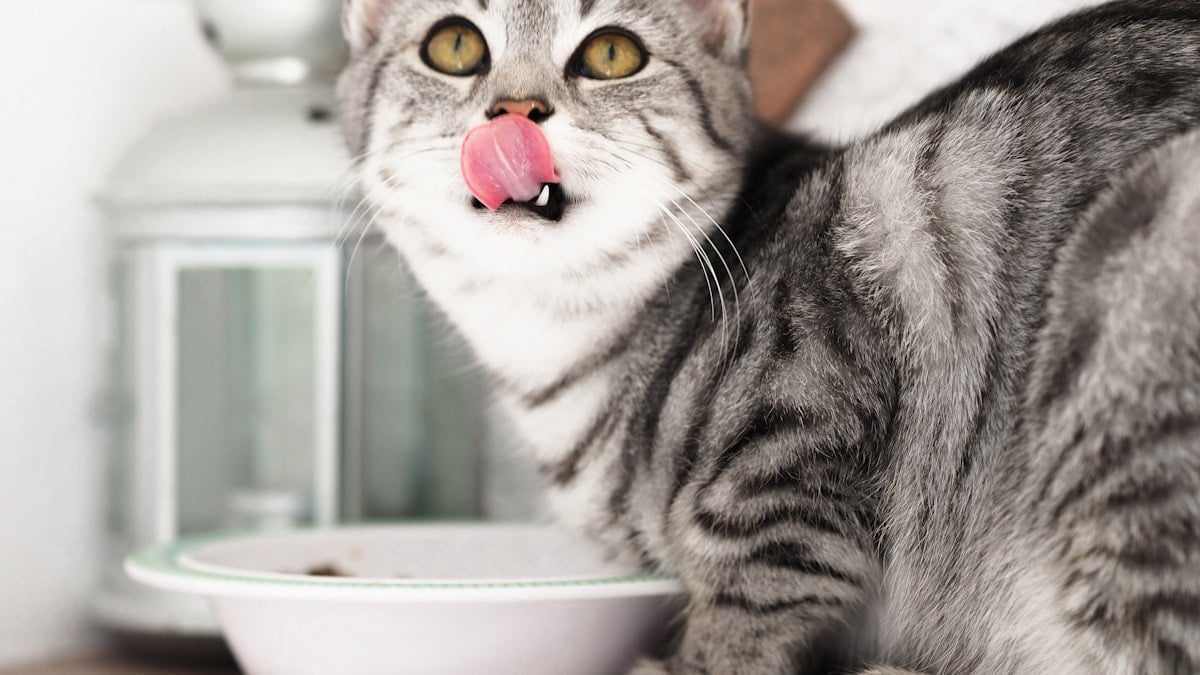
Look for a wide, shallow bowl that won’t irritate their whiskers. It’s the same premise for their food bowl as well. Materials such as ceramic or glass or stainless steel usually beat plastic, which scratches and holds smells and bacteria that can eventually cause feline chin acne.
Cat fountains are a relatively new phenomenon (well, they’ve been popular for the past 20+ years, but I still think 2004 was yesterday so do with that what you will) and they are a great, enticing option for cats. Cats are drawn to moving water, and the ones on the market today not only provide a great way to keep your cat hydrated, but they’re great at keeping your cat’s water clean.
We had some sort of cat fountain ever since Thelma and Louis were little, and have gone through different brands. The last one they liked but we found it would develop mold/fungus inside the plastic well where the water sat, so we got rid of that one and switched to the Petlibro one. It still got a plastic water well, but a stainless steel bowl. And for some reason doesn’t get moldy as much at all. We replace the filter every two weeks and try to clean it at least weekly (though sometimes it can be two weeks). One is wireless and sits in our bathroom, and the other is plugged into a quiet spot in our living room.
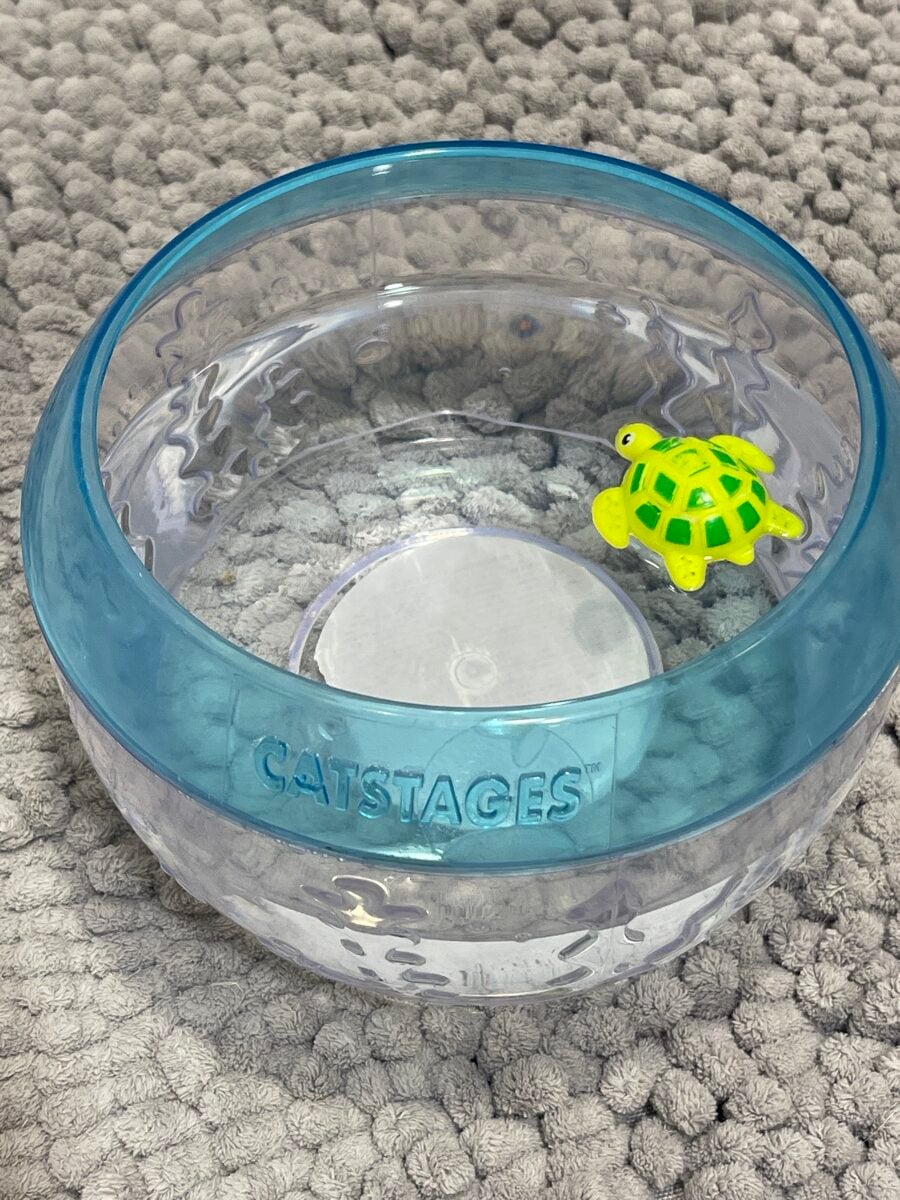
They both drink from it, but about a year ago we brought home a plastic fish bowl type toy that has a plastic turtle in it. You’re supposed to fill it with water and the cats play with the water toys inside, but we noticed that Thelma LOVED drinking water from it. So it is now her water bowl! We refill it with fresh water twice a day, and try to wash it as often as we remember with a little bit of Dawn soap. I wish it wasn’t plastic, but it is BPA-free and it keeps her hydrated, so I’ll call it a win!
Where to put the water bowls/fountains
First, you’ll want to put them in areas that are fairly quiet without a lot of foot traffic. You want your cat relaxed and not nervously on the lookout around them. Also if you have more than one floor, VCA Animal Hospitals suggest at least one bowl per level.
You’ll also want to keep the water bowl away from their food. I think unbeknownst to everyone growing up with a cat the past, well, forever, cats prefer not to drink right next to where they eat. We definitely never knew this until we got Thelma and Louis, because as a kid that is just what you remember having: the food and water bowls next to each other. So the solution is to move it a few feet away, or better yet to another room.
When to Call the Vet
A cat drinking a little more or less day to day is usually nothing. A sudden change is different.
Call your vet if your cat:
- stops drinking entirely
- seems lethargic or weak
- has dry or tacky gums
- stops eating
- vomits or pants
- suddenly drinks WAY more than usual
According to PetMD, dehydration can also show up as panting, weakness, and collapse, so a noticeable change is worth taking seriously. (A sudden uptick in thirst can also signal a medical issue, so don’t ignore that either.)
What to do if they just won’t drink water
If you’re not sure where to begin, put a second (or third) bowl or ideally fountain somewhere your cat already spends time, and make sure they’re at least a few feet away from their food. If your cat doesn’t eat wet food, try adding hydrating treats like lickables/purees that have a high moisture content. If a bowl or fountain isn’t working, try other vessels (like Thelma’s fish bowl with a plastic turtle in it) and also try putting on the faucet to see if they like it.
If nothing seems to be moving the needle, talk to your vet about ways to get your cat to drink more water, or special foods they should be eating to help with hydration. That’s why it’s also so important to do yearly or twice yearly checkups with your vet depending on your cat’s age and health to make sure their numbers show they’re hydrated as well.
For instance last year Louis’s creatinine, which is a kidney number, came back a little elevated once, and it was borderline enough that we ended up testing his blood three different times. The tests were the easy part; the waiting was stressful. Everything came back fine, and he passed a full blood workup in March with flying colors, but it changed how we treat the small stuff. You want to make sure you are aware of your cat’s habits, especially drinking and eating habits, and if something seems off give your vet a call or text. You’re never going to be sad you did.
Founder and editor of Cat Seat and cat mom to Thelma and Louis. She’s been writing online since 2000.
An emergency veterinarian with a special interest in feline medicine — and a self-proclaimed cat lady with six cats of her own.
Hi! I’m Lindsay. I run this site alongside my hubs Cory and our very opinionated cats, Thelma and Louis. We’re so happy you’re here!
That’s a lot of writing about cats and water needs. They need water daily. Always have a bowl of water for them.
Ha yes!!
The article is helpful beyond addressing the fact cats need water. My cat has never drank water, it has been a problem her entire life and she gets constipated. The articles main purpose is how to get your cat to drink water and/or what to do if they will not drink water. Your comment was rude.
My cat drank very well in my bathroom water pick. I cleaned it & gave him fresh water every day.
Whatever it takes, right?!