My Must-Have New Kitten Essentials
 By Lindsay Jones
 ✓Medically reviewed by Dr. Lindsey Mortlock
Some links are affiliate, so we may earn a small commission at no cost to you. As an Amazon Associate, we earn from qualifying purchases. Every purr-chase keeps two very demanding cats in treats. Our policy →
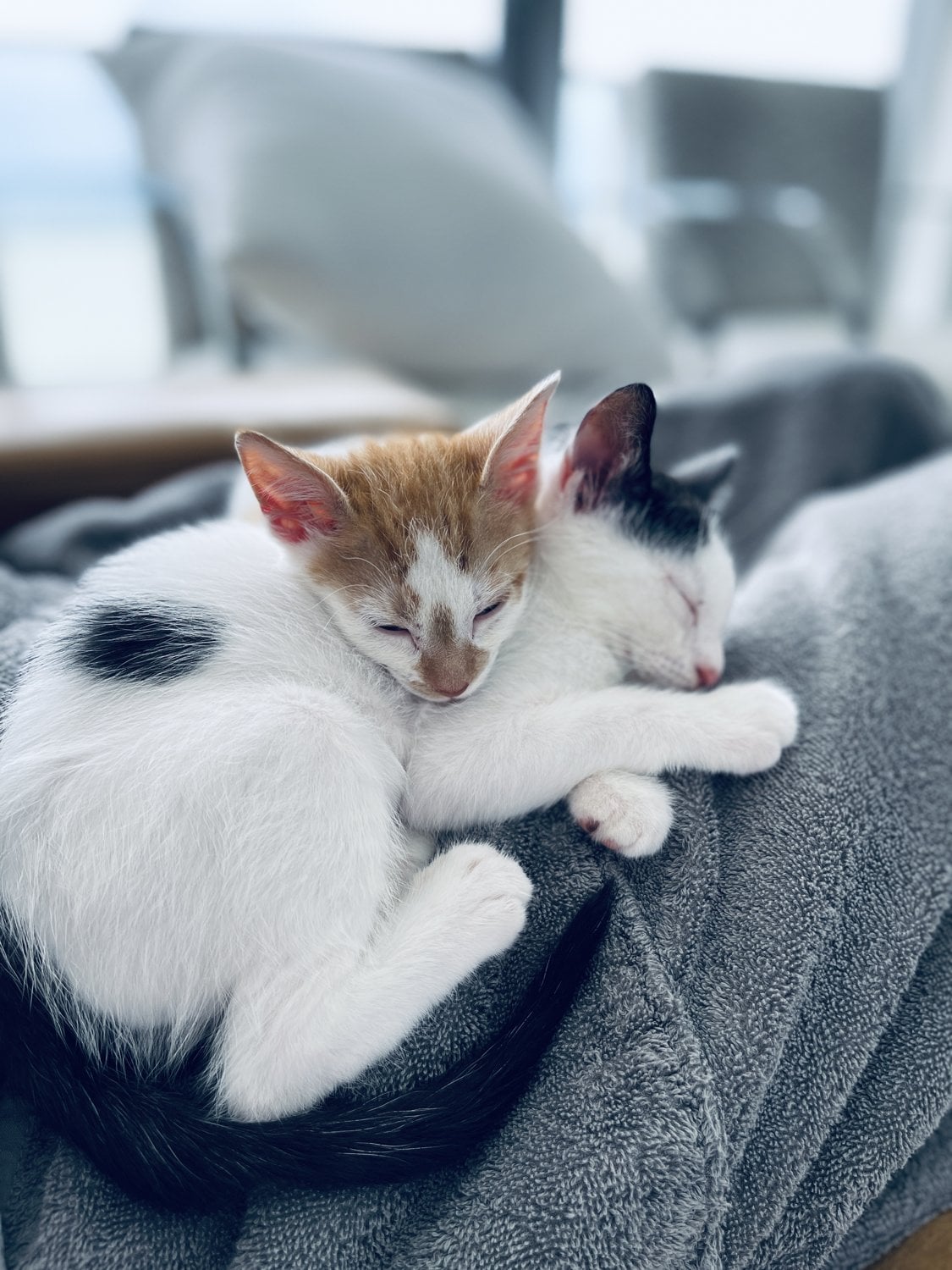
When we first adopted our cats Thelma and Louis (they were found in an Uber, if you can believe that, which is how they got their road-trip names), I wasn’t sure where to start. We had a couple weeks to prepare, and after scouring Reddit and online pet resources I felt like I had a lot of options. Too many options, in fact! We probably bought too much or too little depending on who you ask. And likely did some things wrong. But I’ve learned a lot since then, and have come up with what I think is the definitive list of what you’ll need when you bring a new cat home. Here’s everything, sorted by when you’ll actually reach for it. If you just want the shopping list, there’s a full checklist at the bottom you can save or print.
Buy these before they come home
The one thing we forgot was a carrier. We actually didn’t buy carriers before we got the cats. That was one thing we missed out on, so learn from us and get one ahead of time.
We got a lot of our initial supplies from Petco, and Petco has these cardboard carriers. We brought Thelma and Louis back in those, and they were so small, they were only six weeks old, so they fit. And then we kept buying those, even to take them to the vet as they got older, for the next month or so.
Finally Louis was getting so big that they just didn’t feel sturdy enough. So we got real carriers, which we still use, and they’re really great.
When you shop for yours, get one that opens from both the front and the top. Ours are the soft-sided expandable kind, the airline-approved style, and they’re really great. The top opening means you can lower a nervous cat into it. Otherwise, you’ll be pushing them in the front, where they’re liable to plant all four paws and refuse to go any further. Keep the carrier out of the closet, with a blanket inside, so cats are encouraged to nap in it and it isn’t a source of mystery and terror when it suddenly appears before a dreaded trip to the vet.
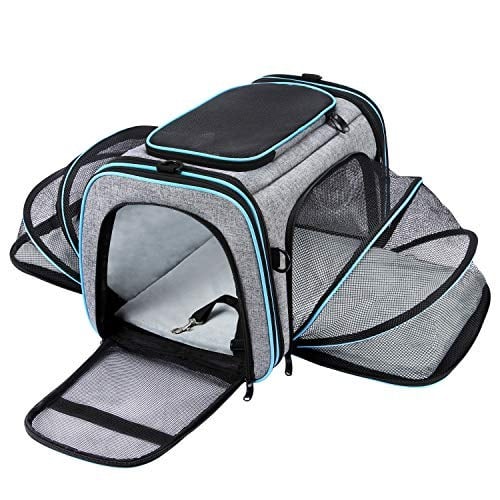
MASKEYON Soft-Sided Airline-Approved Carrier
The soft-sided carrier we use now, after the cardboard ones finally gave out. It opens from the front and the top, and lowering a nervous cat in from above beats wrestling them through a tiny door.
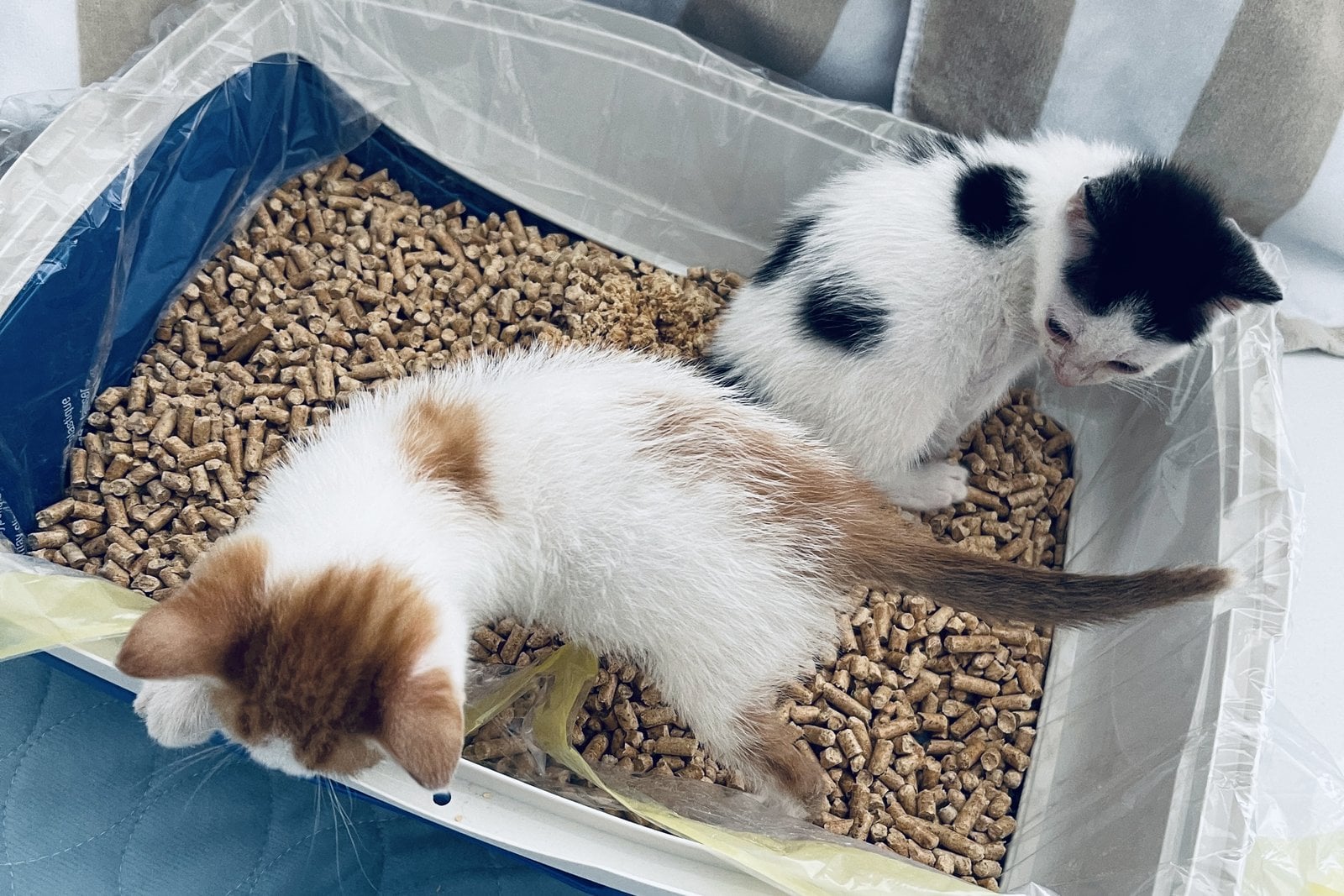
Then there’s the litter situation. Our cats were, for the most part, litter trained when they arrived. The very nice woman who was fostering them was using Feline Pine litter, so we used that for probably the first six months of their life.
If you’re not familiar with it, it’s great because it’s a lot cheaper than the pellets we’re currently using, but how it works is the pellets disintegrate once there’s urine, so you kind of have to sift through. I think it’s a good litter, especially on a budget, but I found it a little bit cumbersome. We’ve instead been using the Tidy Cats Breeze pellets, which is a whole system with a pee pad, and I would definitely personally recommend that over the Feline Pine.
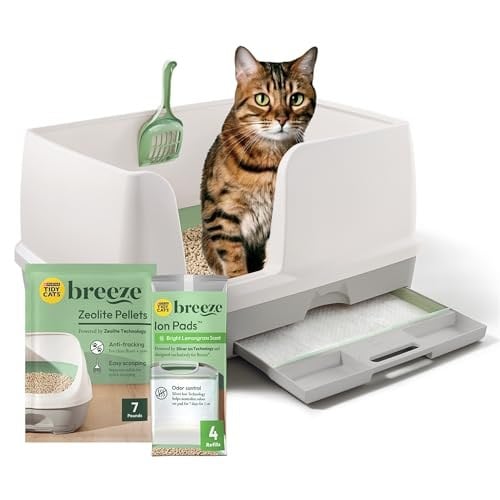
Purina Tidy Cats Breeze Litter System
The pellet-and-pad system we switched to and recommend over the pine. Less sifting, and a lot less smell day to day.
Although you may like a heavily scented litter that smells of spring meadows, your cat may not. Some cats dislike perfume so strongly they’ll stop using their litter box. Get a very large, uncovered litter box, because the hood is more for you than for them, and try not to put it right by the washing machine.
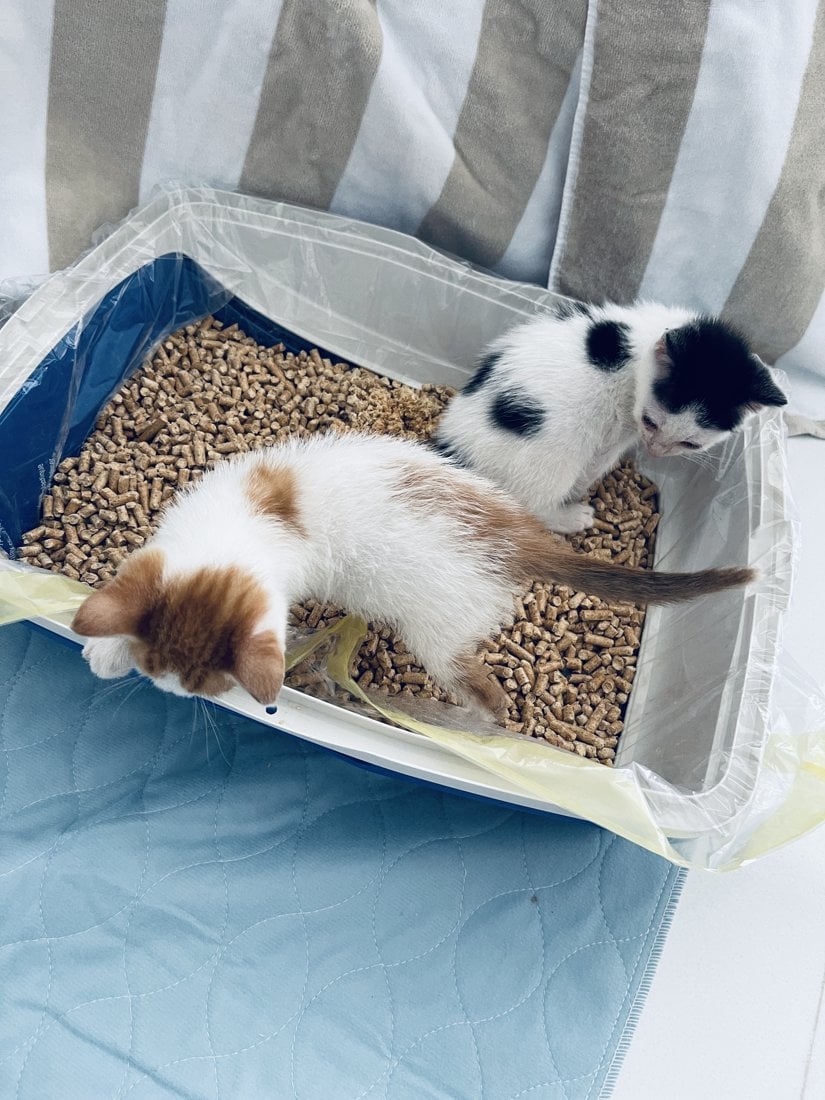
How many litter boxes do you really need?
It’s commonly recommended that cat owners have one box per cat plus one to spare, a guideline from the Feline Life Stage Guidelines published by the American Animal Hospital Association and the American Association of Feline Practitioners, and echoed by Ohio State University’s Indoor Pet Initiative. The thinking is that cats do best when they have their own of everything and may prefer having options for box location, which cuts down on competition and stress. But the guideline is more of a ceiling than a mandate. Plenty of one- and two-cat households do just fine with one box per cat. The bottom line is to make sure every box is roomy, kept clean, unscented, and somewhere the cat feels safe. Cats are far more likely to stop using the box over those things than over a missing backup box.
Buy a good enzyme cleaner before you need it. Regular cleaners won’t eliminate the smell completely, and cats will pee in the same spot if it still smells like a bathroom to them.
I also really like the veterinary disinfectant wipes, the kind made for clinics and grooming surfaces. We use those if the cats get sick on the floor, or when we’re cleaning up around the litter box. We use those to this day. Those are really great, and nobody tells you to buy them.
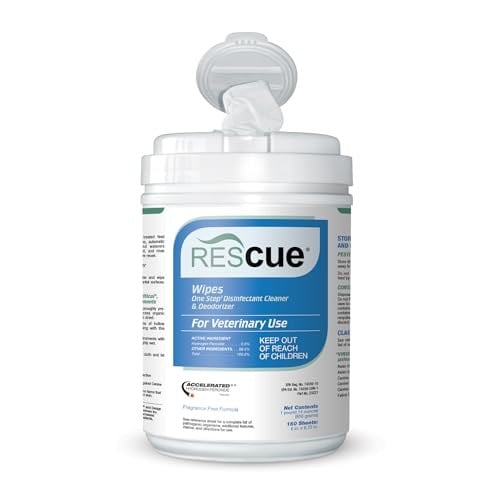
REScue One-Step Disinfectant Wipes
The vet-grade wipes nobody tells you to buy. We use them for messes on the floor and around the litter box, to this day.
For food, we got our cats when they were really little, so what you get depends on their age. Coming to a new home is a big change for a cat of any age, so find out what they’re being fed and keep feeding that for the first week or two. If you do want to switch their diet, introduce the new food slowly, mixing it with their current food over the course of a week. If you’re getting a kitten, they’ll need kitten food rather than adult food, and they’ll need to be fed more often.
How often to feed, kitten to adult
Cornell University’s Feline Health Center recommends kittens be fed three times a day up to 6 months of age, since they need more food per pound than an adult cat because they’re growing. From 6 to 12 months, kittens usually eat two times a day. Once your cat is an adult, around a year old, most cats do well eating once or twice a day, and most switch to an adult cat food at roughly 10 to 12 months. Ultimately, though, if you have questions about amounts or timing for your particular cat, your vet’s recommendation should take precedence over any chart.
Some cats develop chin acne from plastic dishes, so stainless steel or ceramic bowls are best. Get bowls that fit the age of the cat you’re adopting, like kitten-sized dishes if you’re adopting a kitten. Place the food and water bowls away from each other, since many cats don’t like to eat next to their water.
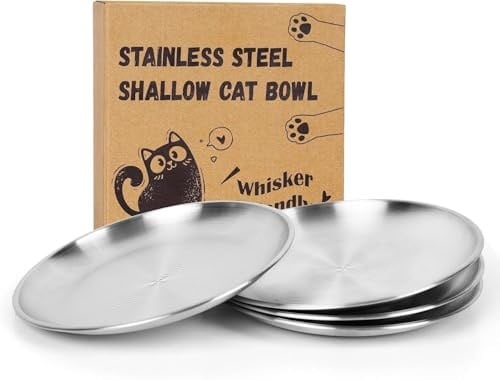
Petdream Stainless Steel Cat Bowls (4-Pack)
Stainless beats plastic, since some cats get chin acne from plastic bowls. Set the food a little apart from the water.
In terms of gear, definitely having a couple of cozy beds is great. We went through SO many beds before finding one the cats actually use, a washable donut-style bed. We liked it so much we kept buying them, and now there are three around the house.
Another tip: a bed doesn’t have to be expensive or large for your cat to love it. The key is to get a size they’re comfortable with and that fits them, that you can wash, and finally, to place it where they love lounging (usually by a window or in a spot that has a view or light).
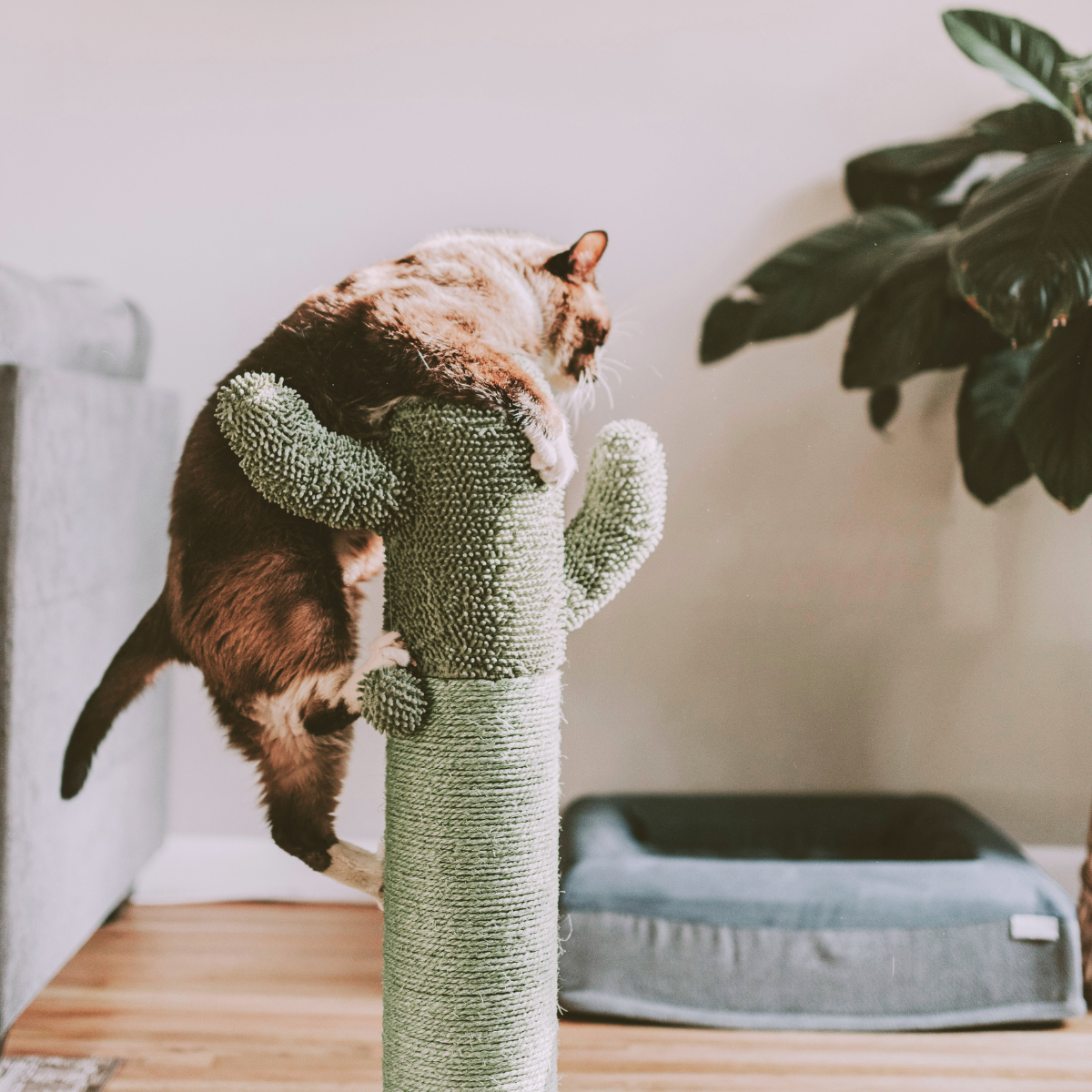
It’s great to have a couple of different scratching options for your cats. A tall sisal scratching post that is stable enough to support them when they lean on it is a great option to have. And if your cat likes to scratch the carpet, try a flat cardboard scratcher.
Then toys, such as wands and things like that. A wand toy is definitely a necessity for a kitten or cat! They love a toy that is controlled by their owner that also mimics prey. Spring toys are also a fun option. Even though Thelma and Louis can take them or leave them, many cats love when their owners throw them. Don’t leave any string toys out, as they can easily be ingested by cats (and require an emergency trip to the vet). In fact, we are very careful about leaving any toys out that have parts that could be chewed and/or ingested. You’ll also want some basic grooming tools, including a brush, bathing items, and nail clippers, since you’ll need to trim their nails every couple of weeks.

Bedsure Washable Donut Bed
The washable donut bed that finally stuck. We liked it enough to keep three around the house. Don’t size up, cats just curl into one corner anyway.

JXFUKAL Cat Wand Toy
If you only buy one toy, make it a wand. Moving it like prey beats anything they bat around on their own.
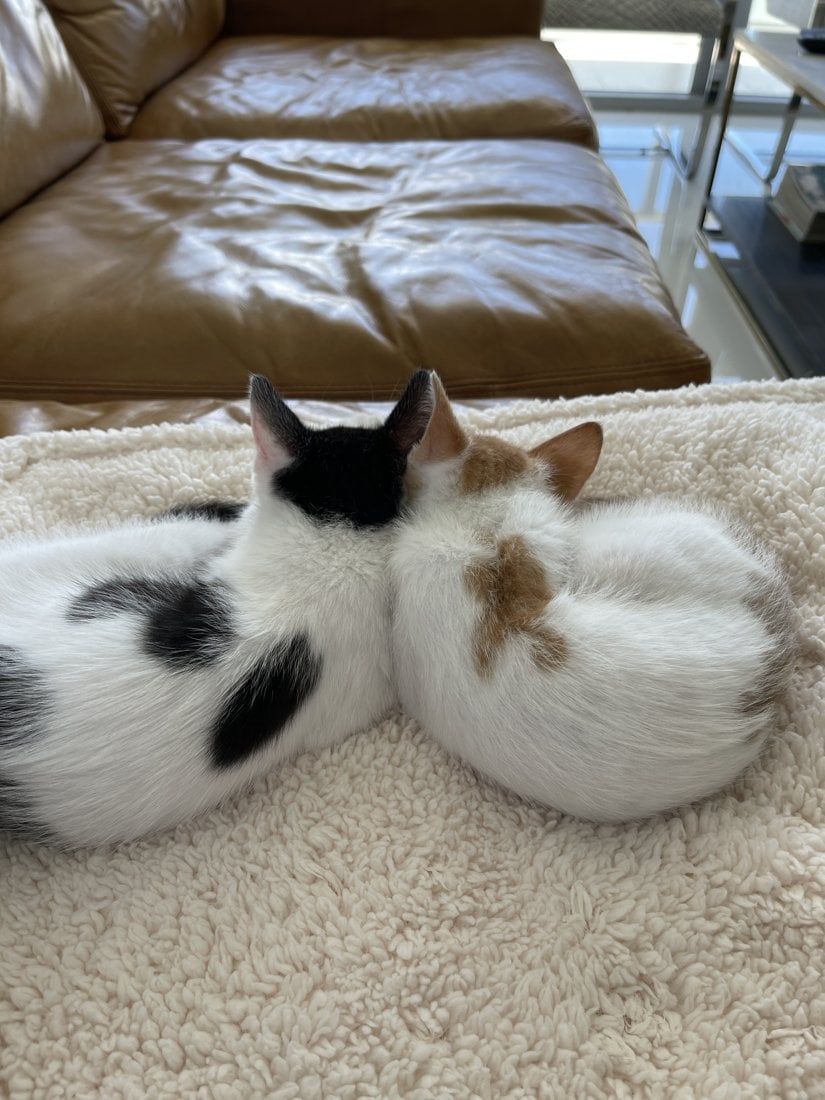
Set up the room before they arrive
A quiet room with a door, food and water, a litter box, bedding, and a place to hide. Confining your cat to one room is a surprisingly important first step that doesn’t cost a thing. Believe me, the perfect starting room is much smaller than you think, and it’ll be their whole world for the first few days.
We initially kept ours just in our bedroom, but in hindsight, we probably should have kept them in a smaller room.
If you’re bringing your cat from a foster home or a shelter, they may come with a blanket or other item that has familiar smells, so don’t get rid of it. You might also consider a Feliway-style plug-in diffuser for the first few weeks. Start it several days before bringing your cat home. They’re inexpensive and worth it just in case you have a nervous or skittish cat.
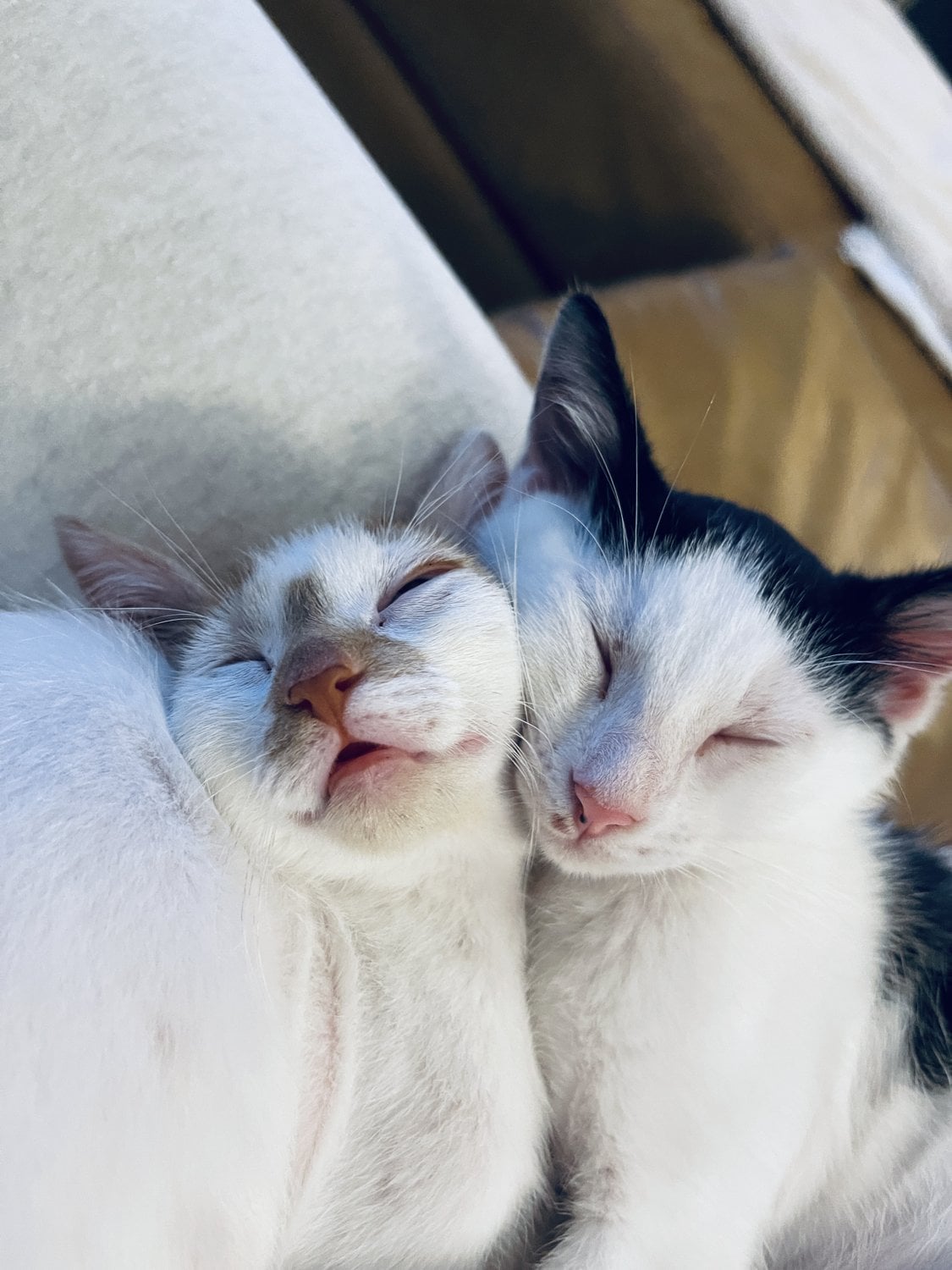
Before your kitten comes home and starts exploring every nook and cranny, walk through the house assuming your kitten can get to anything and will try to eat anything they see. Kittens are basically toddlers who can reach the ceiling. Remove or relocate any toxic plants, especially lilies, which are an ER visit waiting to happen for cats (the ASPCA keeps a full list of the others worth worrying about). Tuck away any dangling cords and blind pulls, put away anything stringy, and install child-proof latches on any cabinets that have cleaning supplies or medications.
Once you’re in that room, put the carrier down and open the door, letting the cat come out on their own. There’s a good chance they’ll run and hide under something, which is a normal way for cats to make themselves feel better.
Let them come out when they’re ready, and that could be anywhere from an hour to several days. Both are ok. Stay on the floor, be quiet, and be receptive to your cat. Once they’re eating, using the litter box, and coming up to you on their own, you can start introducing them to the rest of the house one room at a time.
One honest note from our house, because whatever habits you set in those first weeks are the ones that stick. When ours were kittens, I would go over and pet them while they ate, the idea being to get them used to people being around their food.
Well. Thelma now PREFERS to be pet while she eats, and Louis loves being personally walked over to his food. That’s our fault, unfortunately. You need to socialize your kitten, but bear in mind that whatever routine you introduce them to is the one you’re going to have to put up with.
Don’t panic about the occasional accident, either. We had read, and it is absolutely true, that kittens are sort of used to peeing if they see a pile of clothes or a pile of blankets. They will sometimes have the urge to urinate.
I remember one time we had a fluffy blanket on one of our bedroom chairs, and Thelma and Louis were climbing over the chair, and all of a sudden we looked over at Thelma, and she had this really blissful look, her eyes had closed, and she was, of course, peeing on the blanket. It went all the way through the chair. I’ll always remember that little look on her face. But for the most part, they’ve really never had any other accidents past that. So keep tempting items (blankets, laundry piles) off the floor, at least while your cat is still young, and don’t panic if an accident slips through.
Wait on these until you know your cat
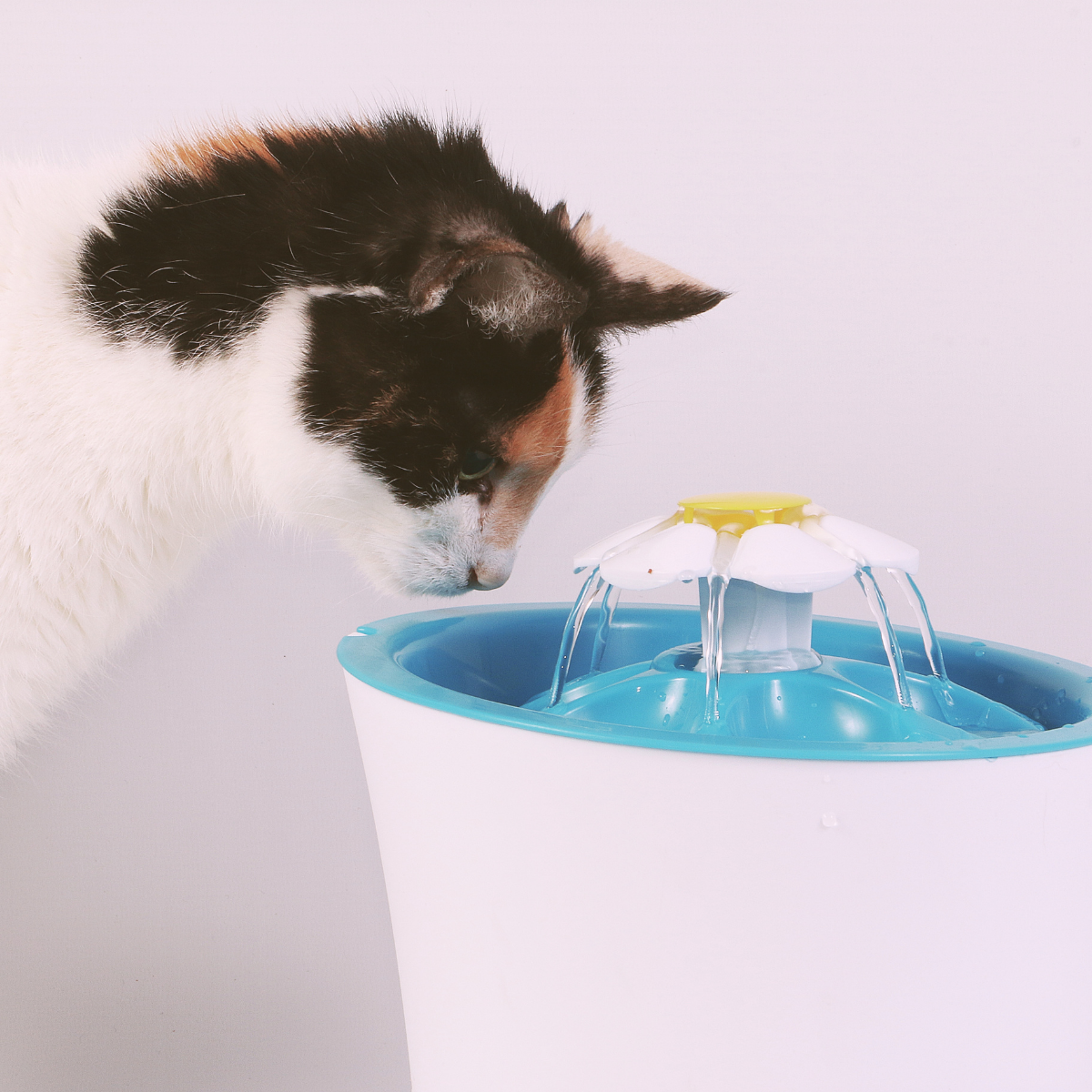
A few things everyone tells you to buy on day one are better bought later. We initially used water bowls, but since then we’ve gotten the fountains, which we’re big fans of. We have two in the house, and they’re still out and getting daily use. Cats apparently drink more when the water moves, so a fountain is worth trying once your cat is settled.
I will say it depends on the cat. Thelma went through a stretch where the ONLY thing she wanted to drink out of was a fish-shaped bowl with a little turtle toy in it. (No, I don’t know why. Cats!) Start with bowls on day one and add a fountain once you know who you’re dealing with.
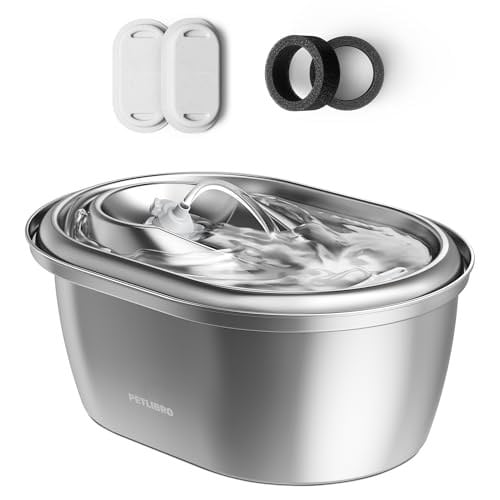
PETLIBRO Stainless Steel Cat Water Fountain
We keep two of these out and they get daily use. Cats tend to drink more when the water moves, so it’s worth adding once your cat is settled.
Other items are less of a priority, and they aren’t things you need within the first week. It helps to see where your new cat wants to spend their time first. For example, it makes sense to get more beds and scratchers after seeing where they like to lie down. A bigger cat tree gives them more vertical space, and puzzle feeders are a good idea for food-motivated cats like Louis, though other cats may ignore them. You can find the specific items we actually use on our shopping list page.
Don’t skip the microchip
We absolutely microchipped Thelma and Louis as soon as we were able to, and then registered the microchip so they have current photos of them and our information. That’s really important, because an unregistered chip can’t bring anybody home, and even a strictly indoor cat can slip out a door one day. We’d add a breakaway collar with an ID tag as a backup.
The New Kitten Essentials Checklist
Here’s everything in one place, grouped the way you’ll actually shop for it. Save it or print it for the store.
| Category | What to get |
|---|---|
| Coming home |
|
| Litter |
|
| Food & water |
|
| Comfort & scratching |
|
| Play & grooming |
|
| Health & to-do |
|
Want to go deeper? Our full New Cat Checklist guide walks through every item on this list, with the exact products we use and a printable checklist to take to the store.
Trust me, after three years you’ll have your own list. Ours includes three washable donut beds (we went through a lot of beds before finding the one they liked) and a fish-shaped water bowl with a tiny toy turtle in it (which Thelma would ONLY drink from for a stretch). We winged it, basically, and figured things out as they came up. We made it through, and the cats turned out great.
Founder and editor of Cat Seat and cat mom to Thelma and Louis. She’s been writing online since 2000.

An emergency veterinarian with a special interest in feline medicine — and a self-proclaimed cat lady with six cats of her own.
Hi! I’m Lindsay. I run this site alongside my hubs Cory and our very opinionated cats, Thelma and Louis. We’re so happy you’re here!