20 Fun Cat Facts You Probably Didn’t Know
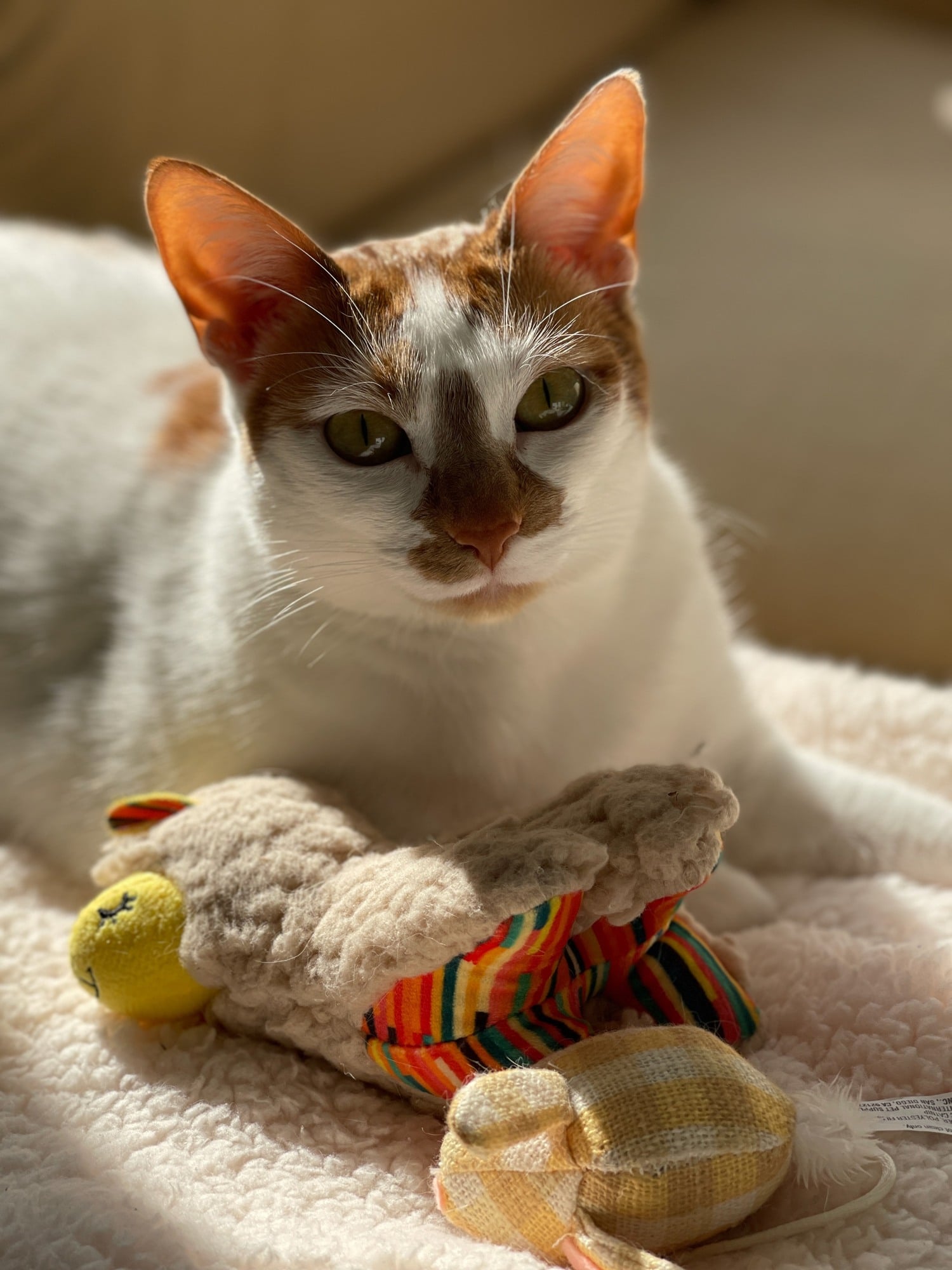
We spend A LOT of time watching our cats Thelma and Louis. This is partly because my husband and I both work from home, so we get to see them run, play, talk, sniff, eat, drink, and sleep like it’s their job throughout the day. But the funny thing is Thelma and Louis are both so different, even if some of their behaviors are instinctually similar. For instance, Louis loves to come up on my desk and headbutt my hand while I’m trying to type. Thelma loves to come into a room and meow at us until we escort her to her food. They each have their own, somewhat consistent routines that we’ve come to expect, but they also do things that totally surprise us.
Which is why I find these fun facts below so interesting. I love knowing the WHY behind the weird, quirky things cats do. Like HOW they actually drink water. Or what that weird stink face is they make when they smell something.
These 20 fun facts are worth knowing, whether you’ve just adopted your first kitten or already have several thousand cat photos on your phone. They’re also good candidates for your next trivia night!
1. Your cat can recognize their name
Cats recognize their own names, and they may indicate they’ve heard their name with a response like turning their ear or moving their head. In a 2019 study, researchers found that cats could actually distinguish their own names from other words.
So while your cat might not run across the room when you call their name, next time you see them give you an ear twitch you can rest easy knowing they probably heard you perfectly well.
2. They may learn the other cats’ names, too
Cats can associate another cat’s name with that cat’s face. In a 2022 study, researchers played a familiar cat’s name before showing a cat’s face on a screen. If the name didn’t match the face, the household cats looked at the screen for longer. While the study also observed café cats, only the household cats showed this name-to-face association.
That suggests they’d formed an association between the name and the cat, without anyone sitting them down for lessons.
3. Some cats have a preferred paw
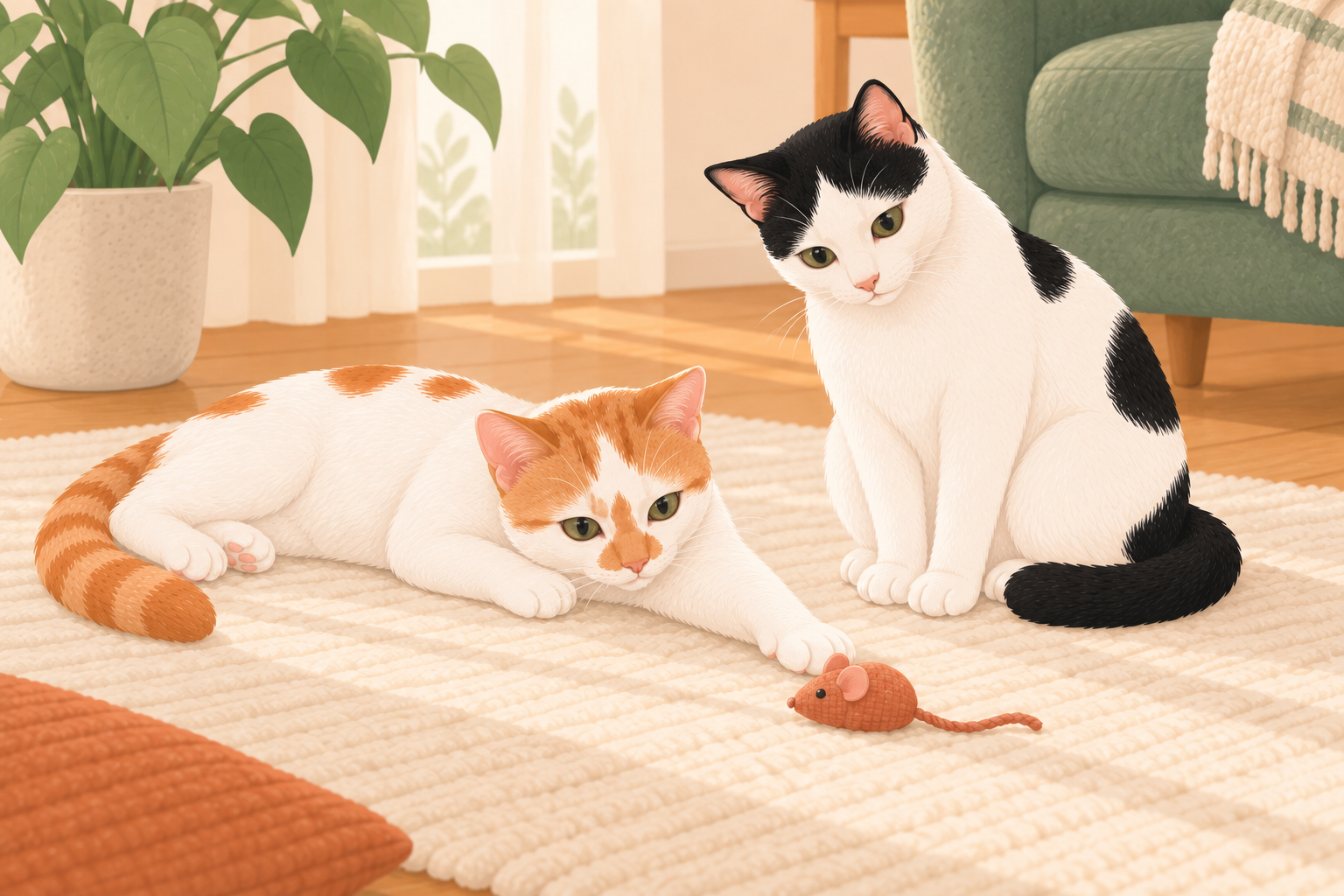
Researchers from Queen’s University Belfast studied 44 cats for paw preferences, finding distinct preferences for using one paw when reaching for food and stepping down. When looking at the group of cats together, female cats showed a right paw preference and male cats showed a left paw preference.
That’s a group finding, so you can’t reliably predict an individual cat’s preference from their sex. But next time you look at your own cat, see if a pattern emerges.
4. A slow blink can help you make a good impression
In one study, cats were more likely to approach an unfamiliar person after the person performed a slow blink, as opposed to keeping a neutral expression.
It’s a lovely, quiet way to try interacting with a cat who’s watching you from a distance. Keep your face relaxed and give them room to decide whether they want to come closer. Let them set the pace from there, especially if you’ve only just met.
5. Cats don’t have a working sweet-taste receptor
Cats don’t have a working sweet-taste receptor. That’s because one of the genes needed to make it is nonfunctional. That doesn’t mean they’re not curious about that ice cream you have on the kitchen counter, but it’s possible that other ingredients are causing them to be interested, rather than the sweetness.
6. Their tongues have tiny structures that carry saliva into their fur
Cats have tiny, backward-pointing spines on their tongues known as papillae made out of a protein called keratin. In 2018, researchers examined tongues from six cat species, and discovered the tips of these spikes are hollow and help cats’ tongues act like a sponge, pulling saliva into their fur during grooming.
7. Cats pull up a column of water when they drink
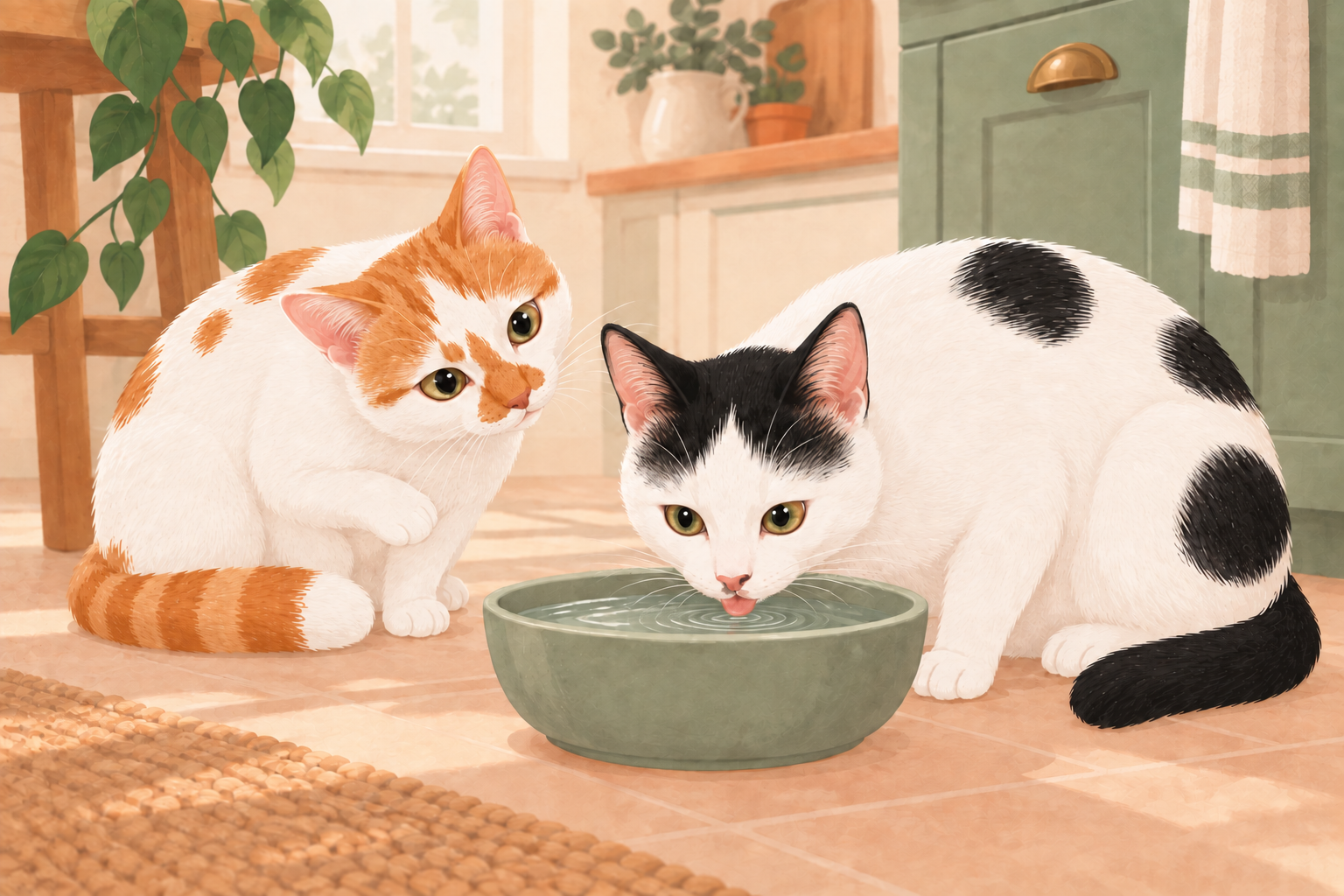
Using high-speed photography, scientists determined that cats touch their tongues to the surface of the water and retract them, lifting a column of water. They close their mouths around the top of the column before gravity pulls it back down.
Domestic cats lap at a rate of about four times a second. The timing happens far too quickly to appreciate while you’re casually watching the water bowl, but slowed down it’s extremely precise.
8. Cats have whiskers on their front legs
Whiskers grow on the cheeks and also above their eyes, on their chin and on their front legs. The hair follicles of the whiskers contain very sensitive nerves that pick up movements transmitted by the whiskers. This allows cats to build up a picture of their surroundings, which is why it’s so important to leave whiskers intact when grooming.
9. That open-mouthed sniff has a name
Have you ever seen your cat breathe in a scent and then open their mouth? (This is what we call a ‘stink face’ at our house LOL). This is called the flehmen response, and it allows the cat’s vomeronasal organ (also known as Jacobson’s organ) to help the cat gather information through scent.
10. Their glowing eyes help them use dim light
It’s a myth that cats can see in complete darkness. They can’t. However, the back of a cat’s eye has a layer of tissue that bounces light back through the retina. This layer is called the tapetum lucidum and helps a cat to make the most of any available light. This is also what produces eyeshine when you take photos of cats with flash.
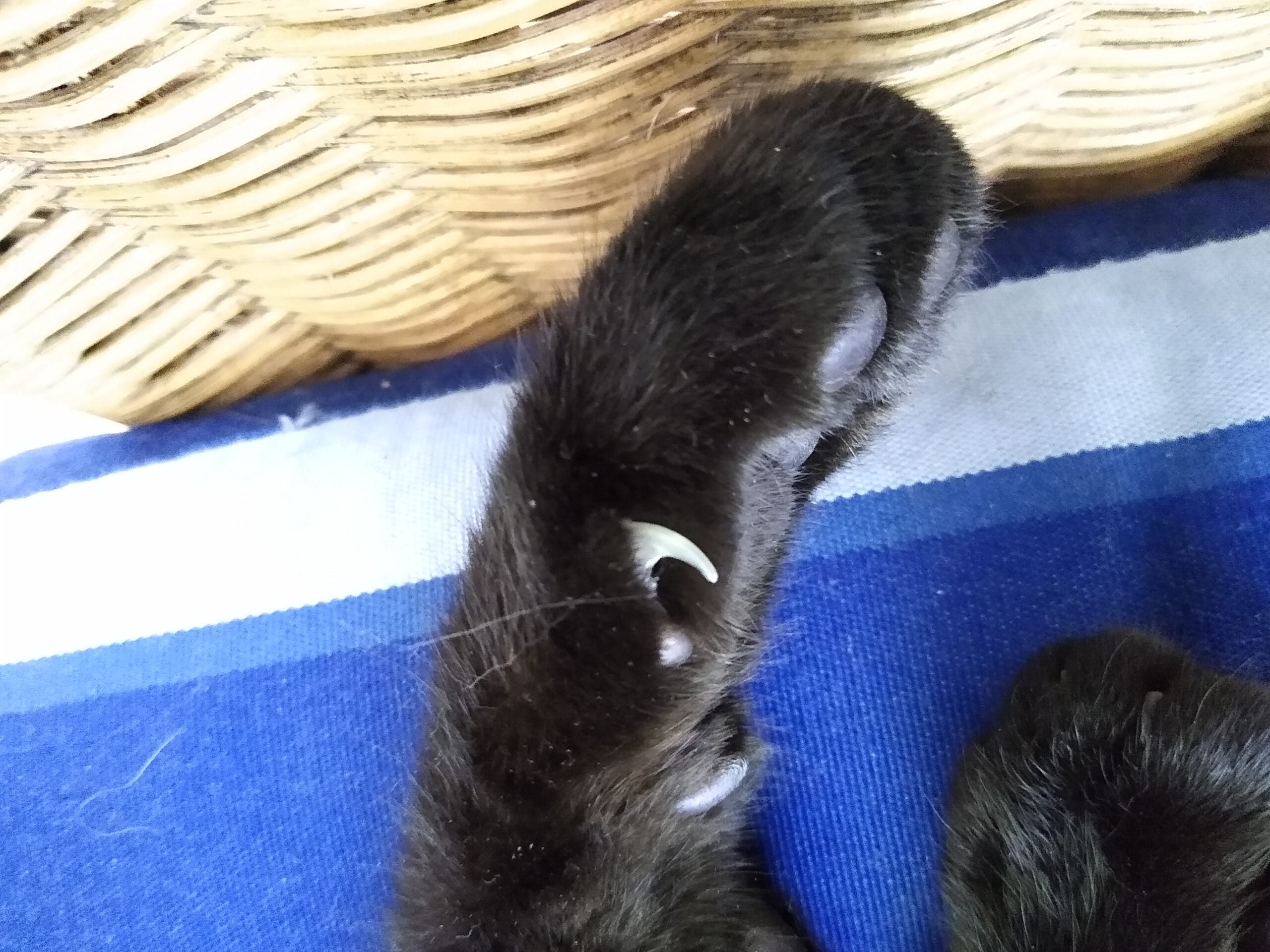
11. Most cats have more toes in front than in back
Most cats have 18 toes, with five on each of the front feet and four on the back. The dewclaws on the front are situated higher up the leg and don’t normally touch the ground. Some cats have more than 18 toes, which is called polydactyly (like those famous Hemingway cats).
The front dewclaw is easier to miss if you’re counting only the toes resting on the floor.
12. Kittens have baby teeth
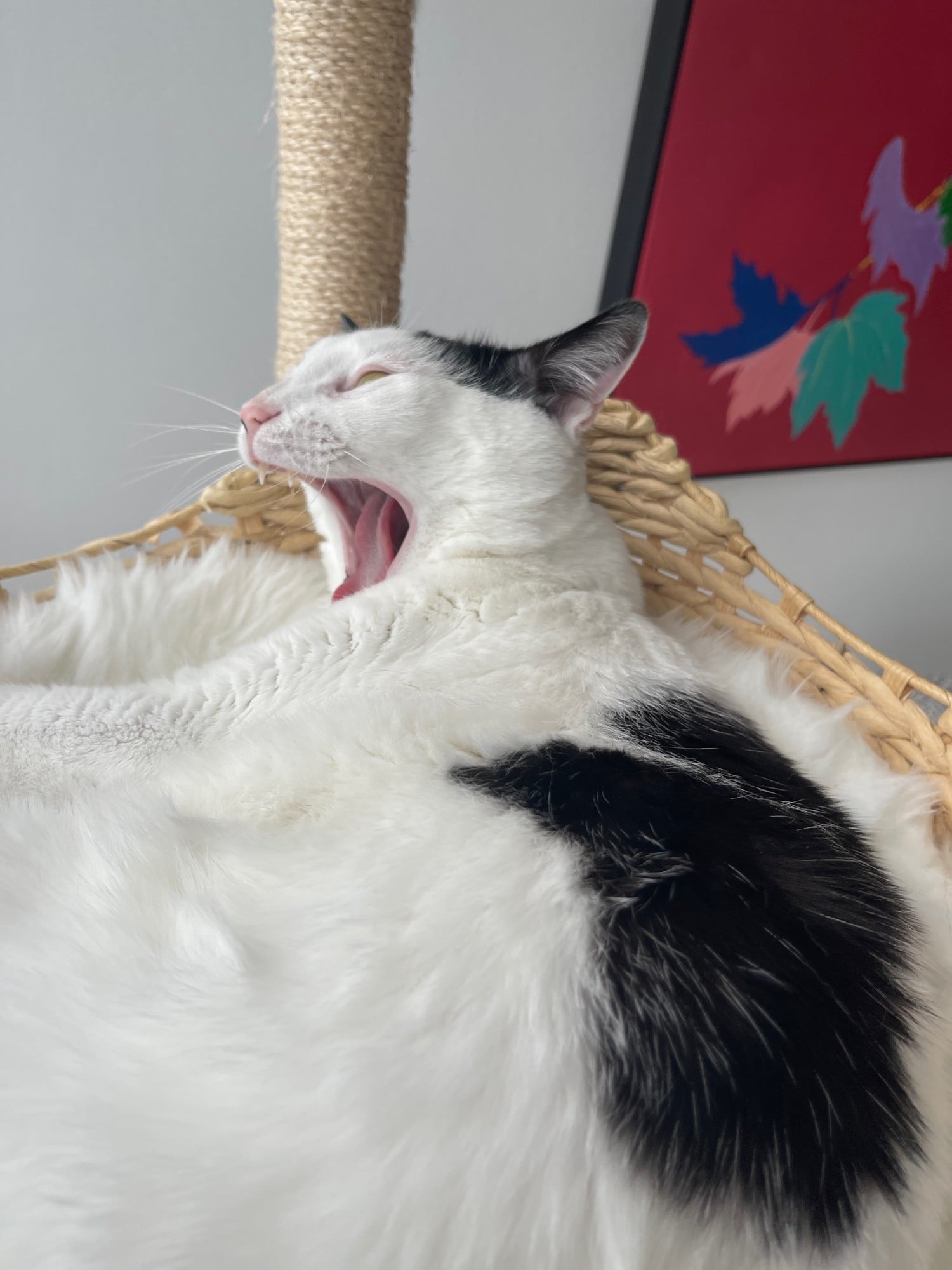
Did you know kittens develop a full set of baby teeth? In fact, they have 26 baby teeth. Adult cats have 30 teeth in a full set. The baby teeth are gradually replaced as the permanent ones come in.
13. Cats can sweat through their paw pads
Cats sweat a little through their paws, but not enough to actually keep them cool. That’s why it’s so important, especially in hot weather, to give your cat access to a fresh water supply, as well as a cool, comfortable space to rest. Even when they’re indoor-only.
14. Scientists identified the orange-cat mutation in 2025
In 2025, scientists discovered the genetic mutation responsible for orange fur in cats. A deletion affecting the activity of the ARHGAP36 gene on the X chromosome is responsible for orange coloration in cats.
Since typical male cats have one X chromosome, they only need the orange variant on one X chromosome in order to have orange rather than orange-and-dark fur. Typical females, on the other hand, have two X chromosomes so they need the orange variant on both, which is more rare. Orange females certainly exist, as Thelma would demonstrate if she were available for comment.
15. Calico patches come from different color instructions
A female cat can inherit instructions for orange fur from one parent and dark fur from the other. As she develops, different patches of skin follow different instructions. Some grow orange fur, while others grow dark fur, creating the patchwork you see on tortoiseshell and calico cats.
The genetic process behind the orange and dark patches is called X inactivation. Calicos also have white patches, which come from a separate genetic effect.
16. Some cats will sit inside an optical illusion
In a small study, owners put shapes on the floor that made an empty space look like a square, even though no lines connected its corners. They also put out actual square outlines and shapes that didn’t create a square. Cats sat in the real and pretend squares more often than in the other arrangement. Only nine cats sat in any of the setups, so this is an interesting clue about how cats see shapes, rather than something every cat will do.
17. Rubbing on silver vine can transfer mosquito-repelling chemicals
Rubbing on silver vine transfers nepetalactol (the natural chemical found in silver vine that cats are attracted to) onto a cat’s fur. A 2021 study found fewer mosquitoes landed on cats treated with this compound.
Even though silver vine might have a practical benefit for cats (aside from getting them loopy), it’s still important to continue using the parasite prevention recommended by your veterinarian.
18. A purring cat isn’t always a happy cat
I don’t know about you, but this one was definitely a surprise to me! Apparently cats sometimes purr when they’re happy and can also purr when they’re in pain or stressed. Pay attention to other behaviors, like not jumping on counters as much as usual, seeming lethargic, or hiding. As always, if your cat seems unwell, contact your veterinarian.
19. Cats can form associations between pictures and spoken words
In a 2024 study, cats watched two animated pictures while hearing recordings of their owner saying made-up words. Each picture was paired with a particular word. Researchers then swapped which word went with which picture. The cats looked at the screen longer when the matches changed, suggesting they had learned which sound went with which image.
But this doesn’t really mean they understand conversation the way people do. It does make the amount they might be learning during an ordinary afternoon at home feel considerably more interesting.
20. Cats can form secure attachments to their people
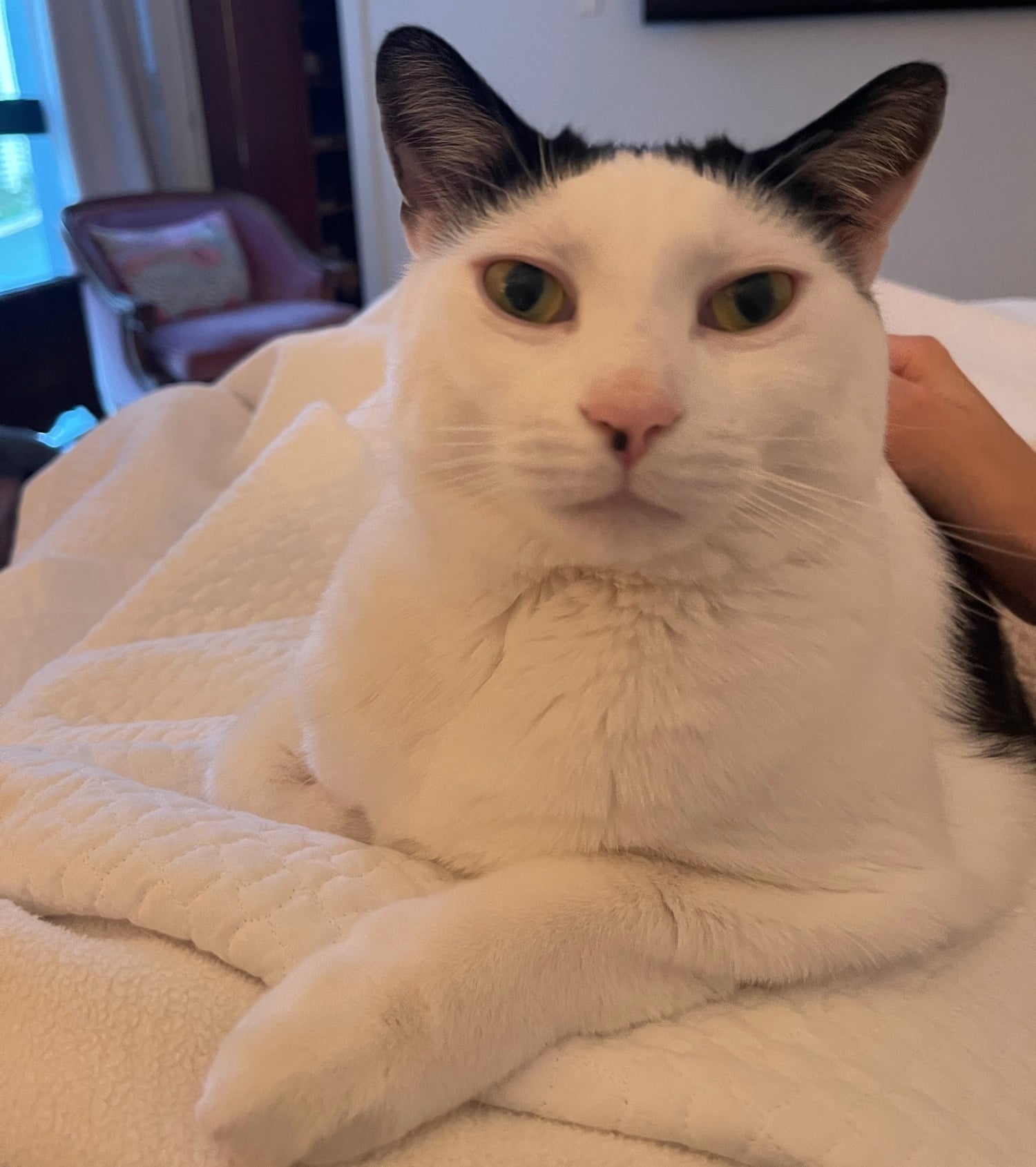
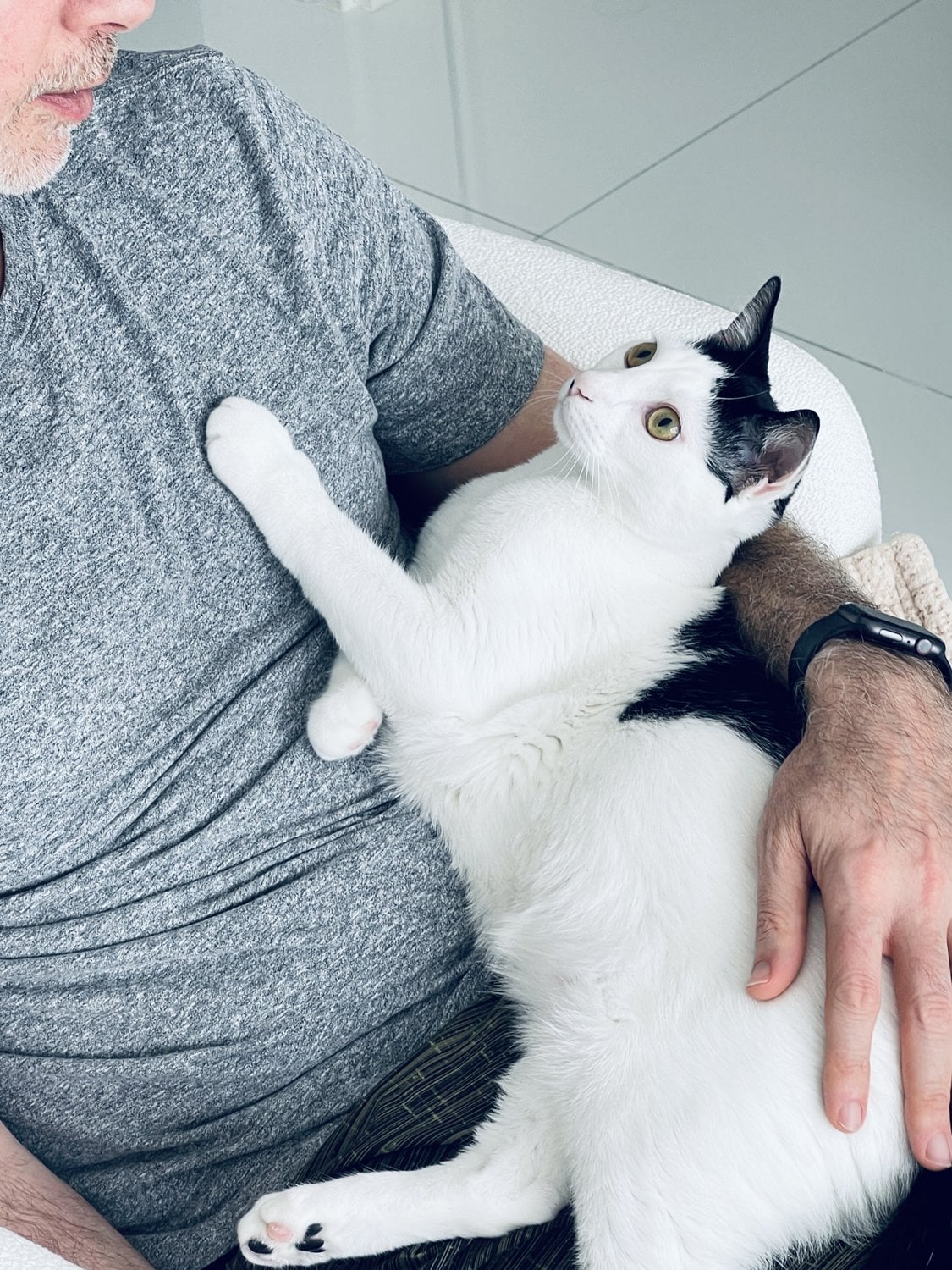
In an Oregon State University study, researchers watched how cats reacted when their person left an unfamiliar room and returned two minutes later. Among the cats whose behavior gave researchers a clear result, most showed signs that their person helped them feel safe: they became less stressed when their person returned and felt comfortable exploring the room again. Researchers call that a secure attachment.
Securely attached cats used their person as a source of comfort while also investigating the room.
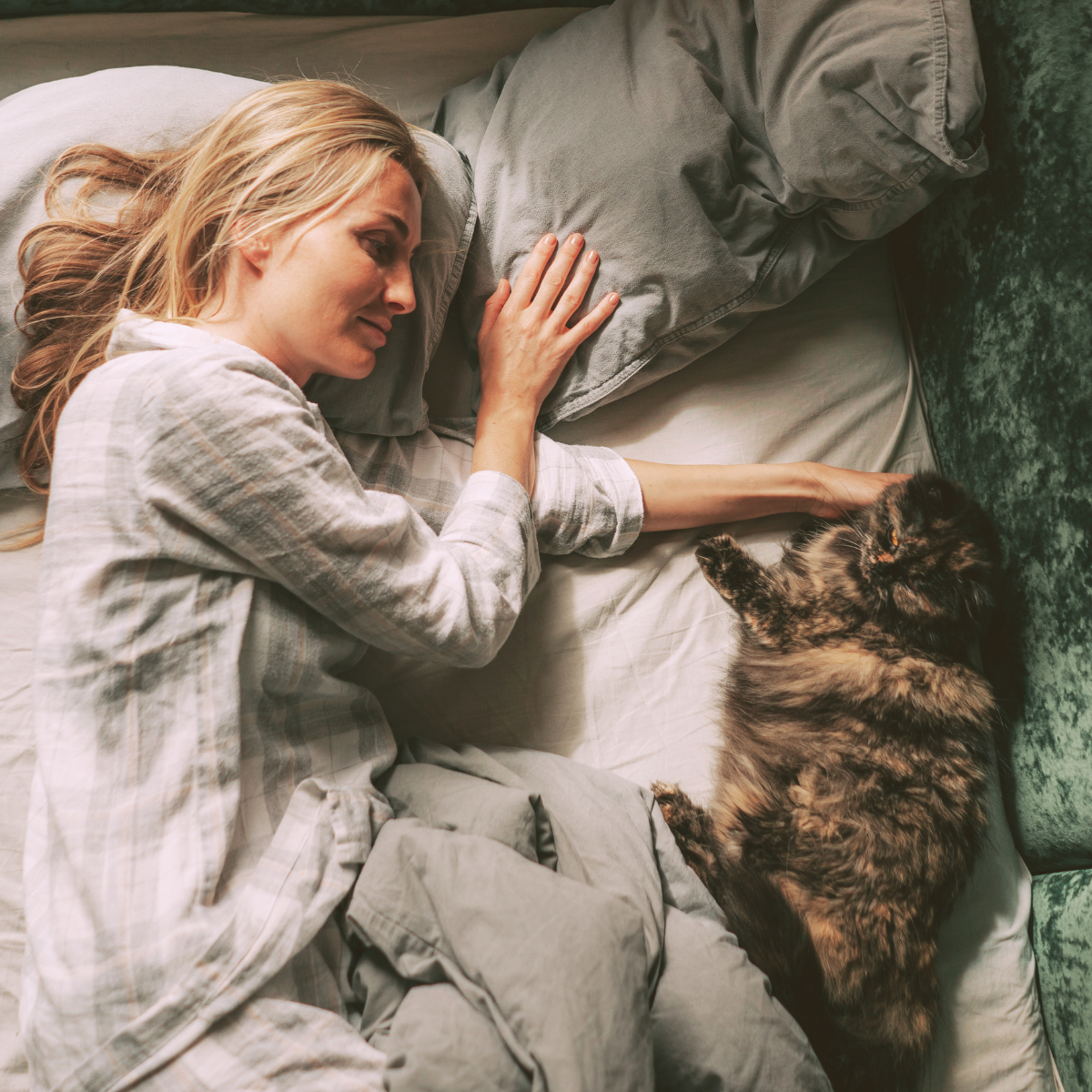
I love the fact that Louis follows me into rooms, and sleeps between Cory and me. (Thelma sleeps at my feet). Being close to us might help them, but it for sure helps us!

Hi! I’m Lindsay. I run this site alongside my hubs Cory and our very opinionated cats, Thelma and Louis. We’re so happy you’re here!