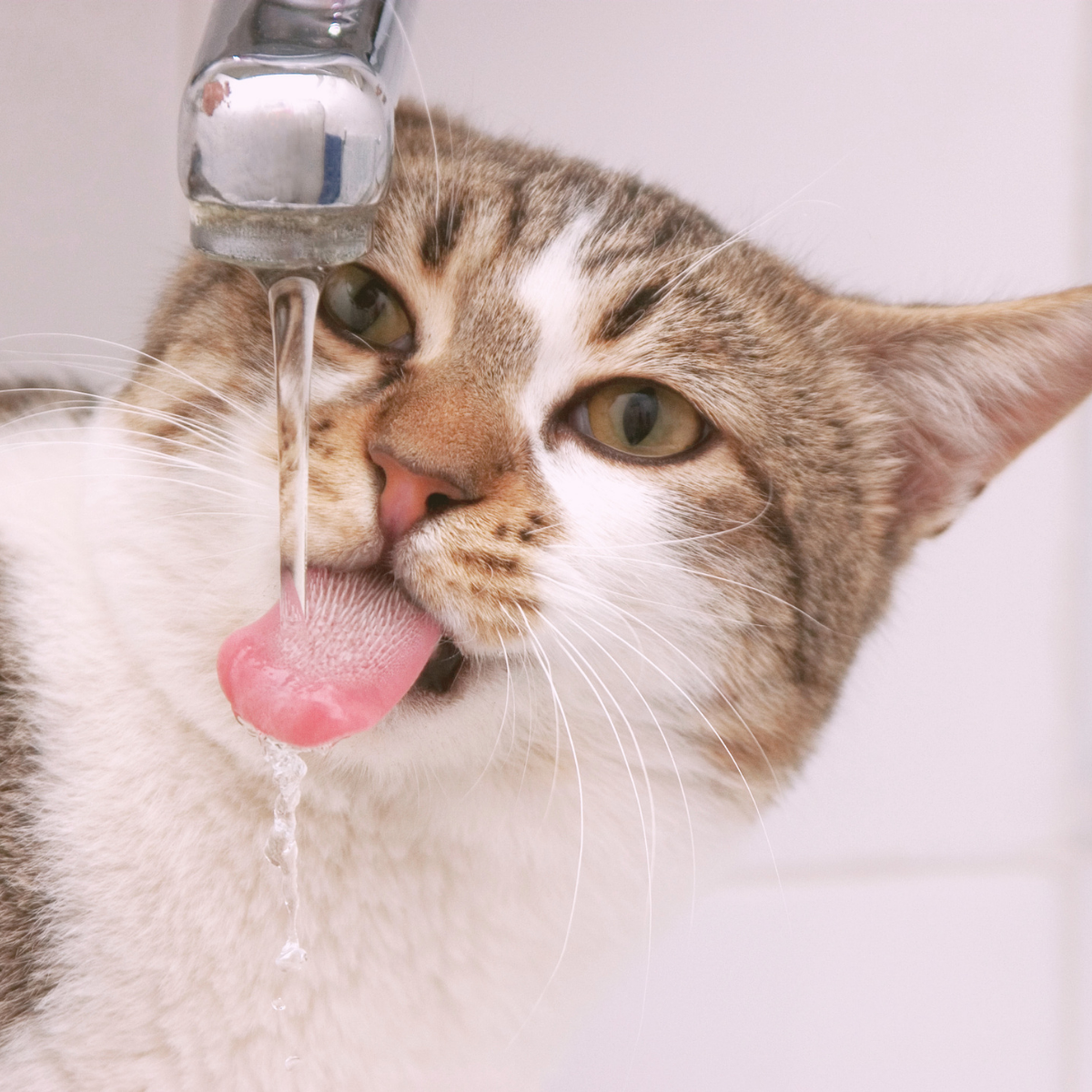
9 Things I Learned From My Cat (Mostly Against My Will)
 By Cory Jones
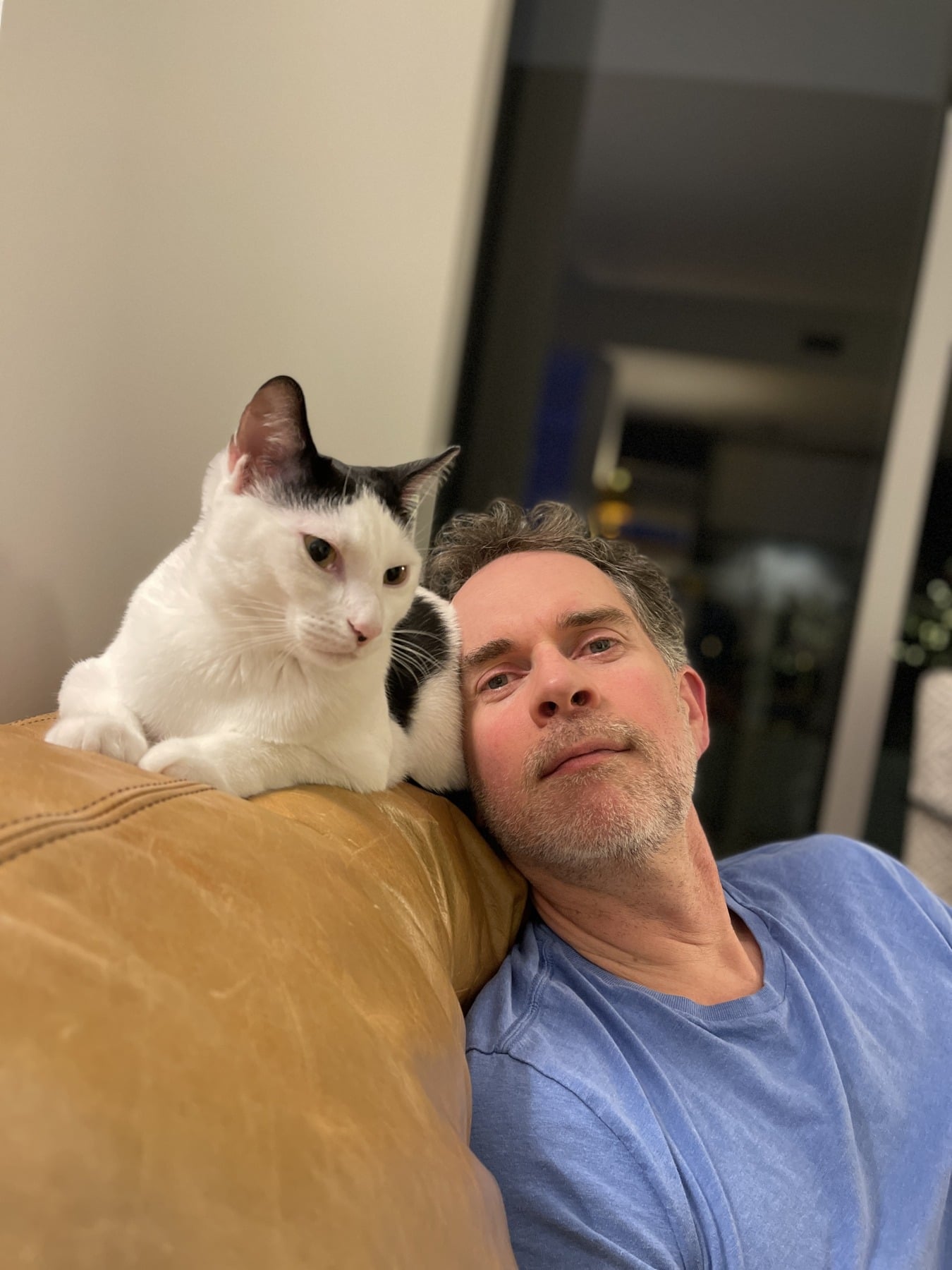
Our cats, Thelma and Louis, have zero business giving anyone life advice. They have no jobs. They have zero responsibilities and basically sleep 20 hours a day. And they loudly complain if they are slightly inconvenienced (like the bathroom door is closed.)
But when you stop to think about it, maybe they are the perfect little friends to learn a thing or two about how we should all approach life. They definitely live in the moment. They have the self confidence to ask for what they want (and as I mentioned, they tend to do it loudly.) And they leave when they’ve gotten what they wanted.
Who wouldn’t want to live life like their cat? So here are a few things I’ve learned from observing our feline friends that we could all put into practice in our own daily lives.
1. You don’t have to finish everything today
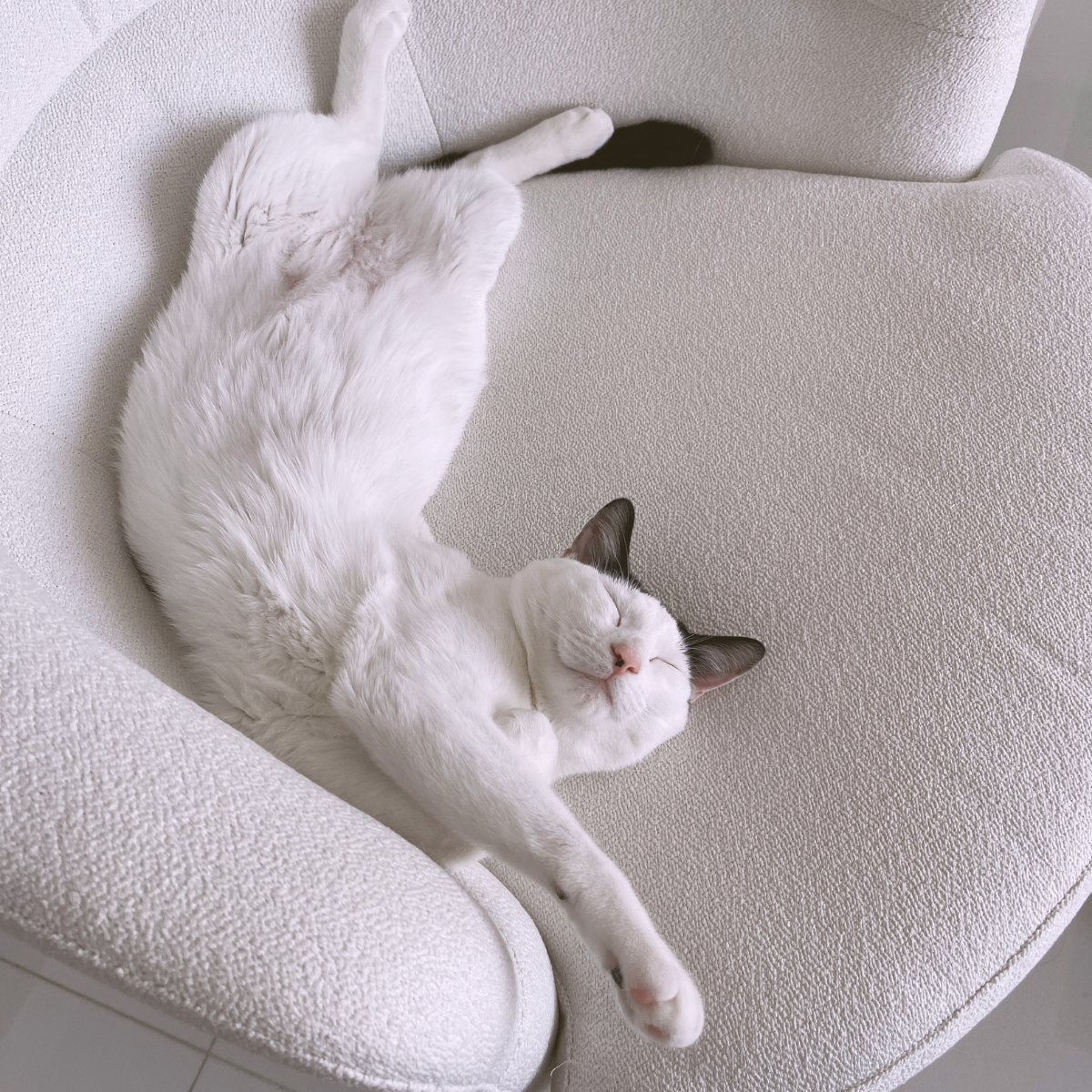
If your cat notices a new toy or some other potential object of her curiosity but decides to ignore it and take a nap instead, that’s fine. They see the toy, acknowledge that it’s there, but ultimately determine that napping on top of the nearest comfortable object is the better decision. That toy will be there tomorrow.
Unlike people, cats aren’t compelled to get through the growing list of things they have to do before resting. Cats are lucky. Like most people I know, I’m inclined to tell myself that I’ll relax after I get the dishes washed, the laundry done, that thing I keep forgetting to do.
By the time I go to bed, I never seem to make it to relaxing. Cats understand something important about rest that most of us don’t: tiredness doesn’t need justification. Granted, cats’ sleep patterns and needs are different from humans’, but I think we could stand to learn something from them.
Chores don’t melt away while you’re busy relaxing, although I’ve yet to meet a person who’d want to wake up a cat that was taking an afternoon nap. There will still be laundry to do when you get up from your nap. Give yourself permission to relax.
2. If you want something, you have to ask for it
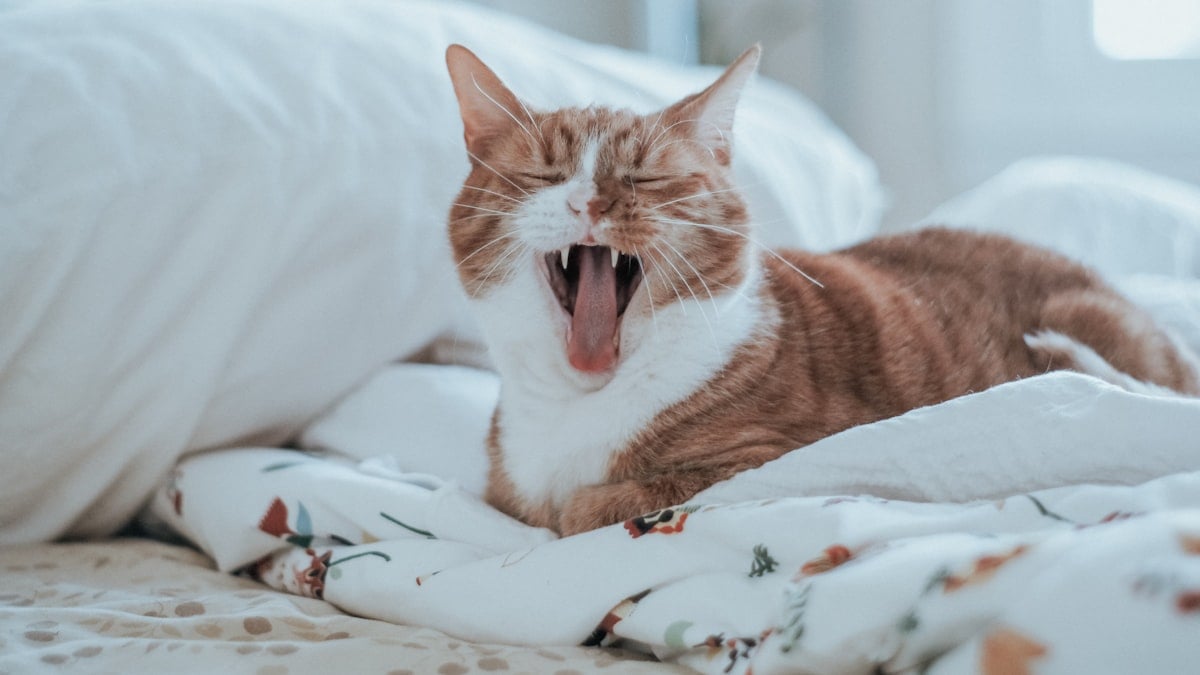
Louis wants head scratches. He comes onto my chest to ask for them around 4:40 in the morning. I would prefer it were a little later than that, but at least he’s not vague about the reason for his visit.
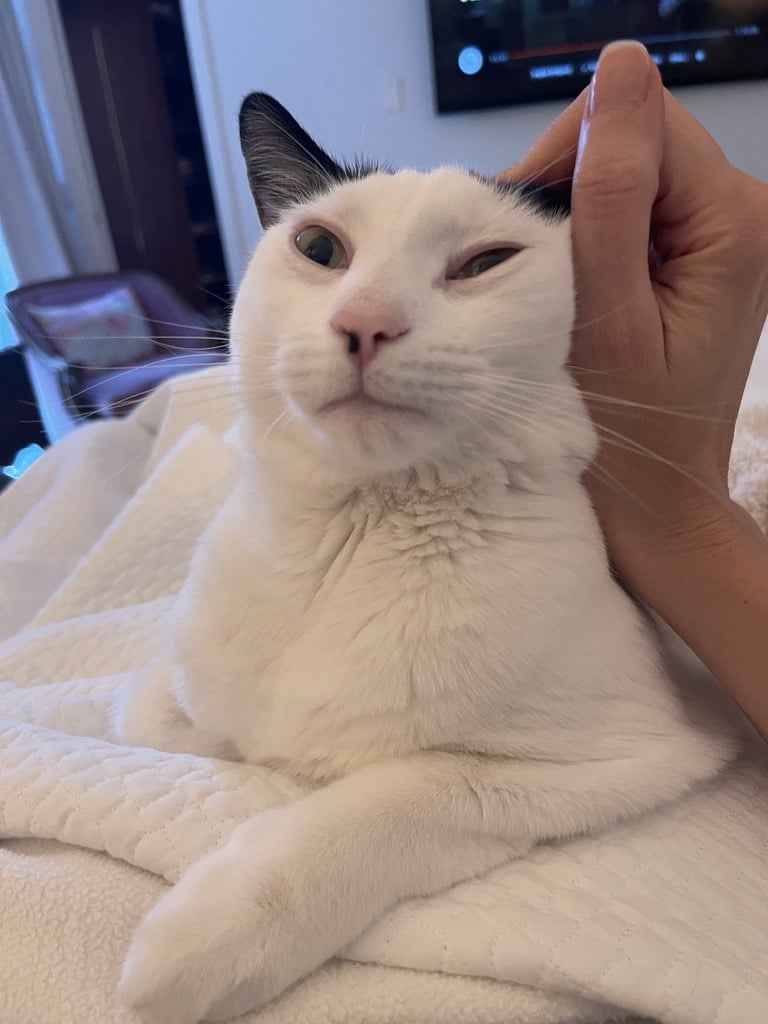
It would be handy if we were clearer about what we wanted from one another. It would help if, for instance, people asked for help when they needed help, rather than pretending they were perfectly capable of managing just fine without it, and said, “Hey, let’s get together,” when they wanted to see somebody, instead of waiting around to see if they might suggest it first.
It would spare resentment for those who said “Yes, that sounds like fun” when they wanted a quiet night in and then seethed over how they’d been robbed of it. Asking isn’t hollering. It needn’t be demanding or aggressive. Just clear. You may not get a yes in return, but at least people will know what you’re asking for.
Louis and I are still haggling over the fine points of who sits on whose chest. Hopefully, we’ll reach an accord before it gets light.
3. Being together doesn’t have to involve doing anything
What’s nice about a cat is that you don’t have to interact with them to enjoy each other’s company. For example, you can be sitting on one side of the couch and they can be lying down at the other end of it. You may not think they even know you’re there.
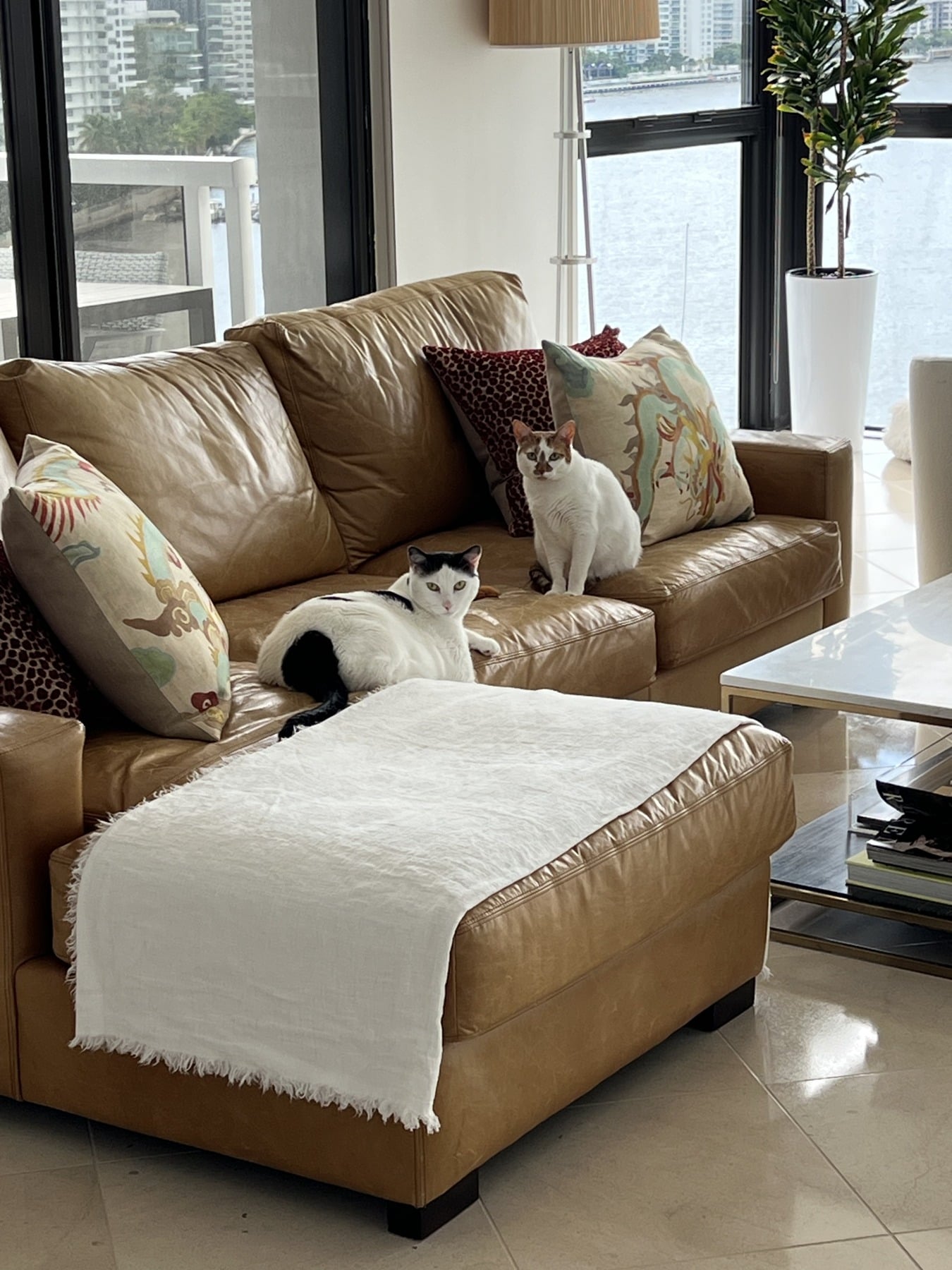
But you and your cat can just have one little gesture, like a slow blink to each other, that says all you need to say.
Researchers at the University of Sussex found that cats were more likely to approach people who slow-blink at them, rather than people with neutral facial expressions.
The human equivalent is sitting with someone you love without feeling like you have to entertain them, without having to do anything at all. Sometimes all you want is someone to share the moment with because there is no itinerary, no plans for dinner, no talk of future plans. Just the moment.
4. The Expensive thing isn’t always the best thing
When a box shows up in our house, Thelma’s attention is focused on getting the filler out of it so that she can fit in it. It makes me wonder about consumerism. We work so hard to buy a cat bed. We research it. We read the reviews.
We make sure that it will match the color of the couch in our living room. And she’ll sleep in the box that it came in. In the American Association of Feline Practitioners and International Society of Feline Medicine’s Feline Environmental Needs Guidelines, the first pillar is a safe place.
VCA Animal Hospitals names cardboard boxes as an example of this retreat. In other areas of our lives, aesthetics and emotional satisfaction don’t always go hand-in-hand either. Our favorite sweaters may be the oldest. Our favorite chairs might not match our décor. Our most enjoyable afternoons may include leftovers and require no admission.
We assume that the aspirational is desirable, but maybe we should ask ourselves first if we’ll enjoy it and if it will work well for us, then, if so, enjoy it immediately. Thelma knows better than to fall for advertising.
5. It’s OK to say “I’m done”
Sometimes cats, Thelma and Louis included, enjoy being stroked but then want to be left alone. We humans get offended when this happens because it was nice while it lasted.
Cats Protection, a UK-based charity for the welfare of cats, suggests watching their body language when you’re giving pets, as if the cat’s posture is relaxed and they don’t make moves to leave, they’re enjoying it but if they get up and go or exhibit other signs of stress, they’re giving you fair notice that petting hour is over. Sometimes this message is driven home with teeth.
But what Thelma and Louis teach me is that it’s OK to enjoy something and not want it to carry on. It’s OK to have a lovely time at a dinner party and then say I’m going to head out. It’s OK to treasure your friendship with someone but be too tired to chat on the phone.
It’s OK to adore your family but still want the bathroom door firmly shut. Setting boundaries doesn’t have to be a big production, and you don’t have to bare your fanged little teeth, and a brief, kind explanation is plenty.
6. Pay attention to something that isn’t a screen
Next time the cat is sitting at the window, intently watching something happen outside, such as a new bird in the yard, a leaf in an unusual place, something happening by the fence, try following its gaze for a moment. Get curious about what’s going on. Try to figure out what has caught its attention.
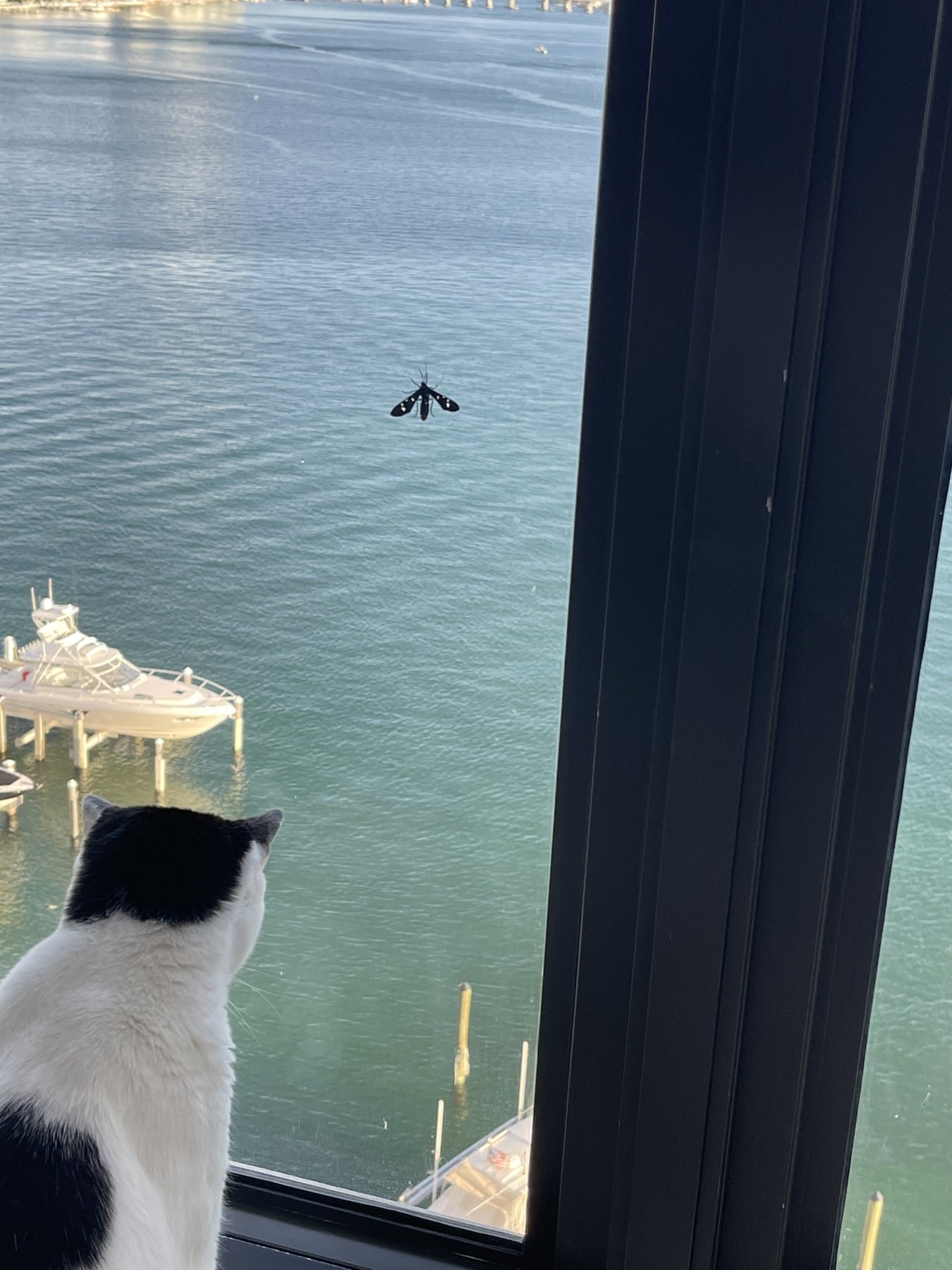
Your cat is noticing things you’re not. The world isn’t empty, it’s just that you walk the same route to make the same pot of coffee and sit in the same room that you’ve sat in many times before. Next time your daily routine offers up an interstitial moment, for instance while the kettle’s boiling, don’t reach for your phone.
You don’t have to perform a mindfulness exercise, just pay attention to something in your environment. Wonder whether the neighbor’s incredibly ambitious squirrel is going to cause trouble again. Check to see how much the plants have grown. Or look at what’s catching your pet’s attention. Your cat is always studying subtle changes in light and shadow, so follow its gaze and see if you can discern what’s changing.
Sometimes they stare with such ferocious intensity at spots on walls and carpets. It’s unsettling because you never quite know if there really is an incredibly tiny bug there that you’re not seeing or if there’s nothing there at all. Either way, you’re in the room with your cat instead of buried in your phone checking email and social media.
7. Everything you do doesn’t need a purpose
My cats have a little brown bird that they love to chase. They will ignore all of their other toys in favor of this brown bird. More often than not, said brown bird makes its way under the couch and it’s my duty to reach in and get it out with my superior arm length.
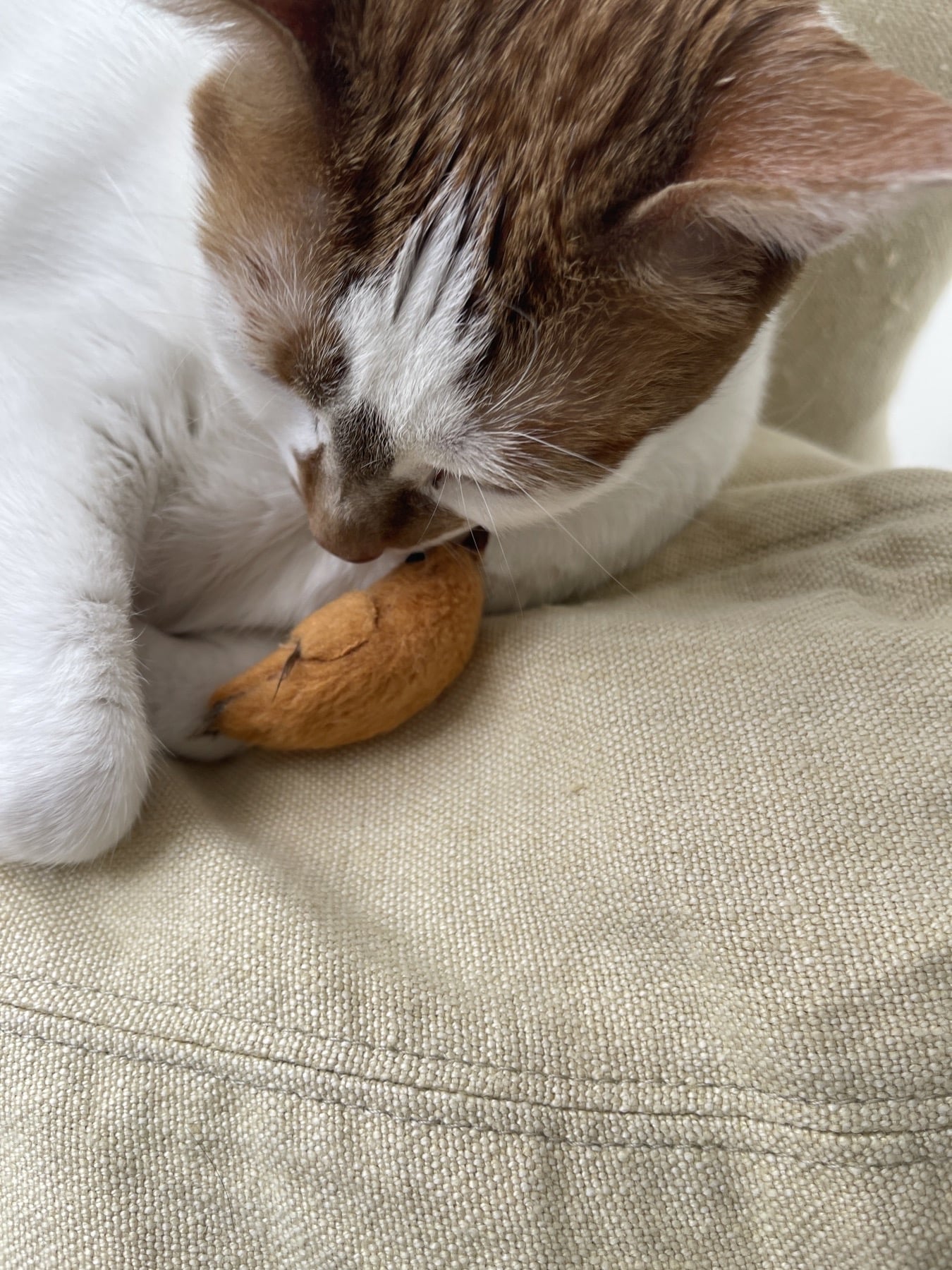
After which, the whole process starts all over. In the end, nothing is accomplished from this endeavor besides a short romp around the living room for them and me reaching under furniture more than I’d like to admit. And they’re perfectly happy with the results. Another key component of a healthy environment is opportunity for play and predatory behavior, according to the AAFP and ISFM.
As adults, we often feel that we need to make activities productive. Walking becomes achieving a number. Hobbies need to be turned into side businesses. New skills need to be developed to a level of mastery worthy of the time invested. However, it’s OK to be just OK at stuff.
It’s OK to learn guitar without becoming a virtuoso, play a silly game, draw a picture and know full well that whatever you’re drawing will look terrible. In the end, all that’s achieved from those acts is that you had fun doing them.
8. Make room for people to be different
Having two cats has been good for destroying any sentence that starts with “cats always.” Each of our cats is different. One may want to be engaged in certain ways, and the other may want an entirely different engagement. For example, one cat may run furiously athletic laps chasing a certain toy, while the other might give said toy a cursory look.
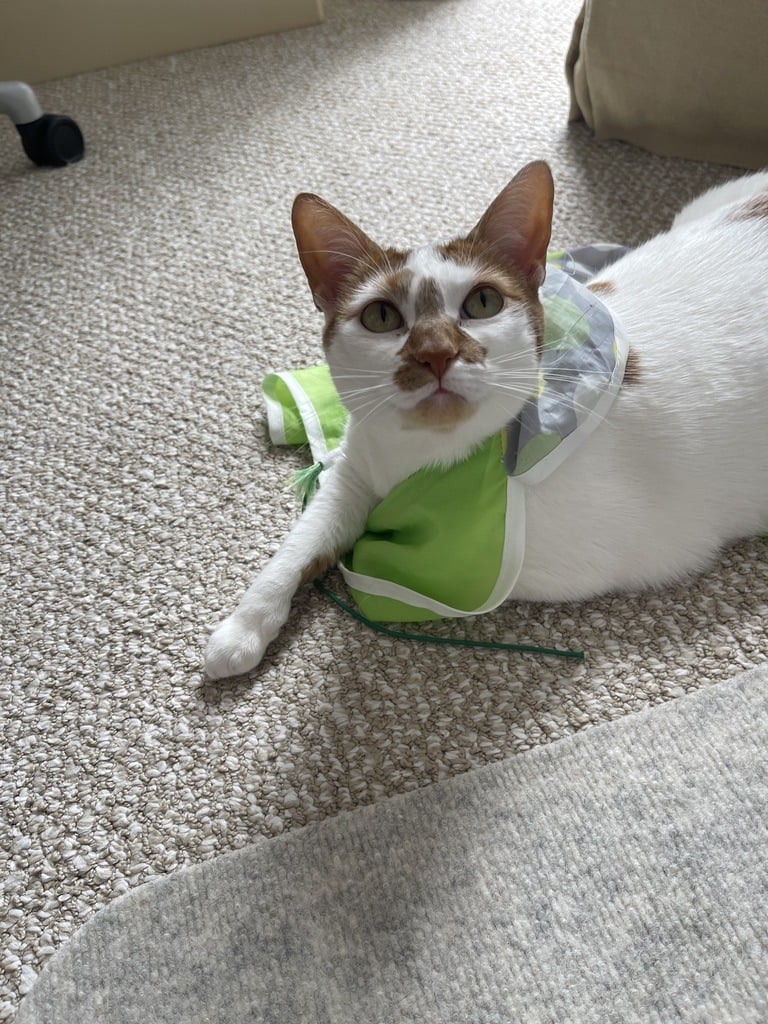
Cats Protection points out that some cats will enjoy a stroking marathon, others will tolerate a couple of ear scratches then decide they’ve had enough and be on their way. According to VCA’s summary of the guidelines, cats often prefer frequent but low-intensity interaction, and should never be forced into social interactions.
This, of course, applies to people too, so find out what your person enjoys. Different people want different types of engagement, and I can love someone and not want to talk to them non-stop. Some people need to talk in order to relax. Some are perfectly happy with spontaneous drop-in visits, while others appreciate a heads-up days in advance.
Some people’s idea of relaxing together involves vigorous activity, while others are happy to sit next to each other and say nothing. And that’s okay.
9. An ordinary day can be a very good day
Cats don’t live for special occasions, just a warm place to sleep, some interesting things to investigate, a romp now and then, dinner served up on time, preferably by the same person, and maybe a snooze afterwards. We tend to remember holidays and milestones. But most of life happens on non-holiday days.
We can still experience beauty in everyday occurrences, but I think it’s a shame when those moments get lost in the white noise because you’re looking forward to something else. Coffee tastes really good today. You had a good giggle. You got through another chapter in your book with your cat sleeping on your feet.
Life is pretty good. Not all occurrences are beautiful, like cat litter scooping, nor should we force experiences to be so. Just like my cat, who has already returned to that same chair for afternoon sun for the nth time with a look of utter bliss on his little mug. It’s not glamorous. It’s routine. But he likes it.
They’re still cats, thankfully
Sure, Thelma and Louis think they know better than I do when it comes to whether doors should be closed and whether it’s time to get up. But when one of them stretches it’s usually just a stretch. Still, I’ve been gifted with reminders of the pleasure of being chosen as company, of playing together, of relaxing on the couch together at night.
If you’ll excuse me, someone just meowed because the little brown bird is under the couch again.