Surprising Facts About Black Cats Every Cat Lover Should Know
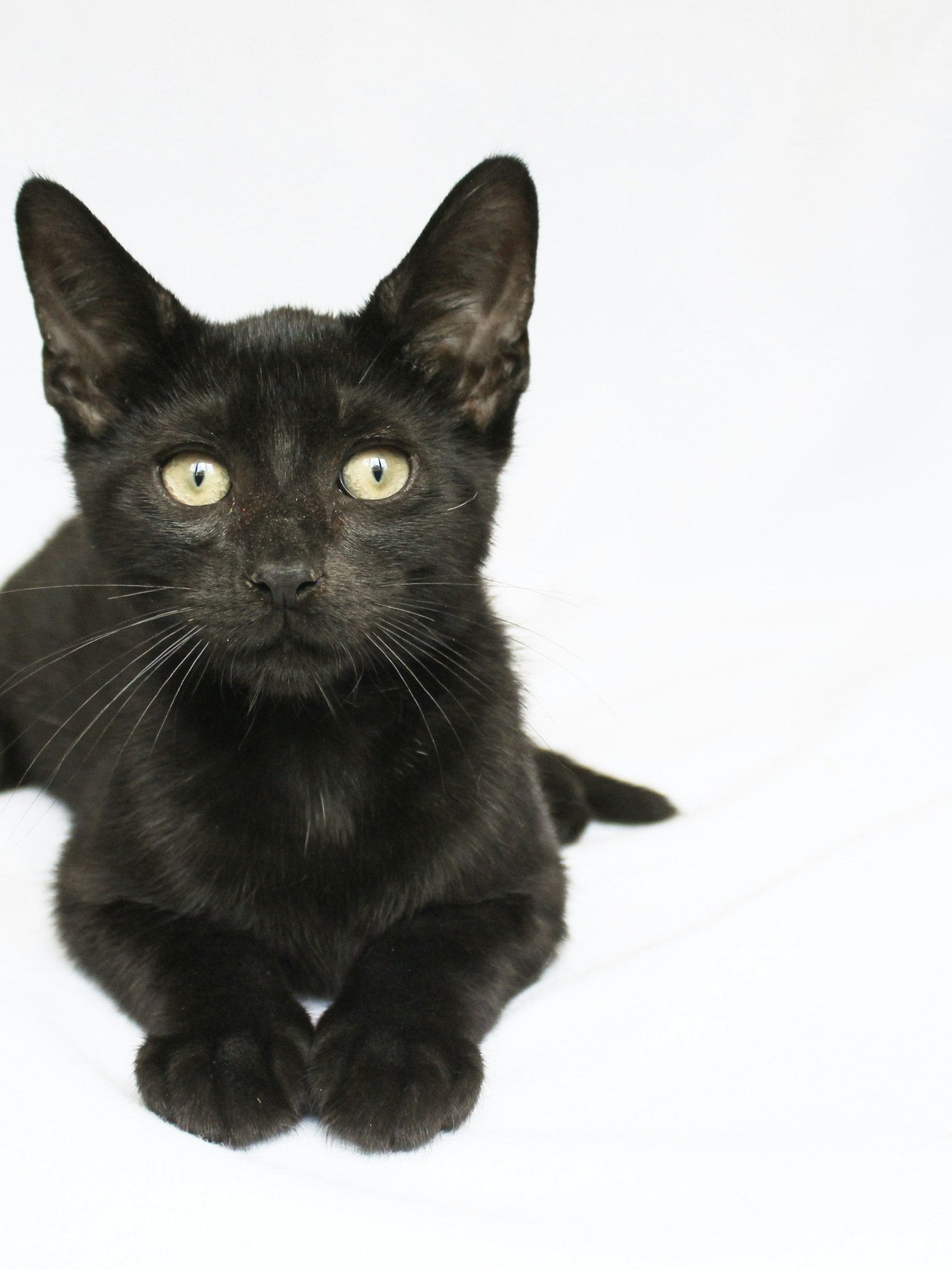
The “black cat” label takes away from the uniqueness of these beautiful felines. While the media likes to paint black cats as bad luck, anyone with a cat of this fur color knows they’re truly special. No two black cats are exactly the same, and two cats that share a similarly colored coat could have completely different personalities.
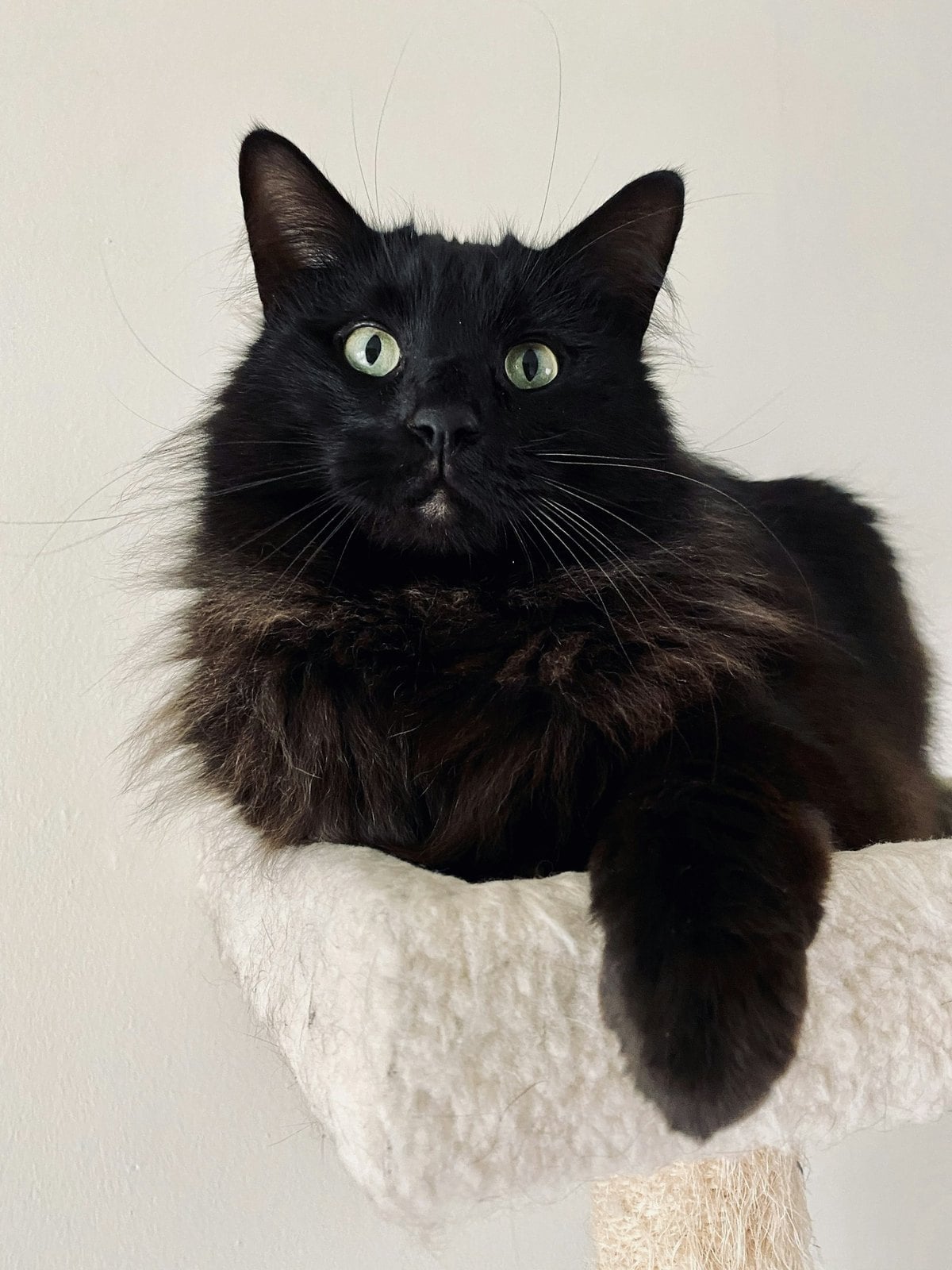
To help spread love for black cats, here are some surprising facts to prove that they’re fascinating and wonderful little creatures.
Black Is a Coat Color, Not a Breed
Not all “black cats” are the same breed. Black describes the color of the fur based on the feline’s genetics, but this coloring can occur in many different breeds. PetMD lists 20 different cat breeds that can appear black, including Bombay, American shorthair, Persian, Cornish rex, Devon rex, and British shorthair.
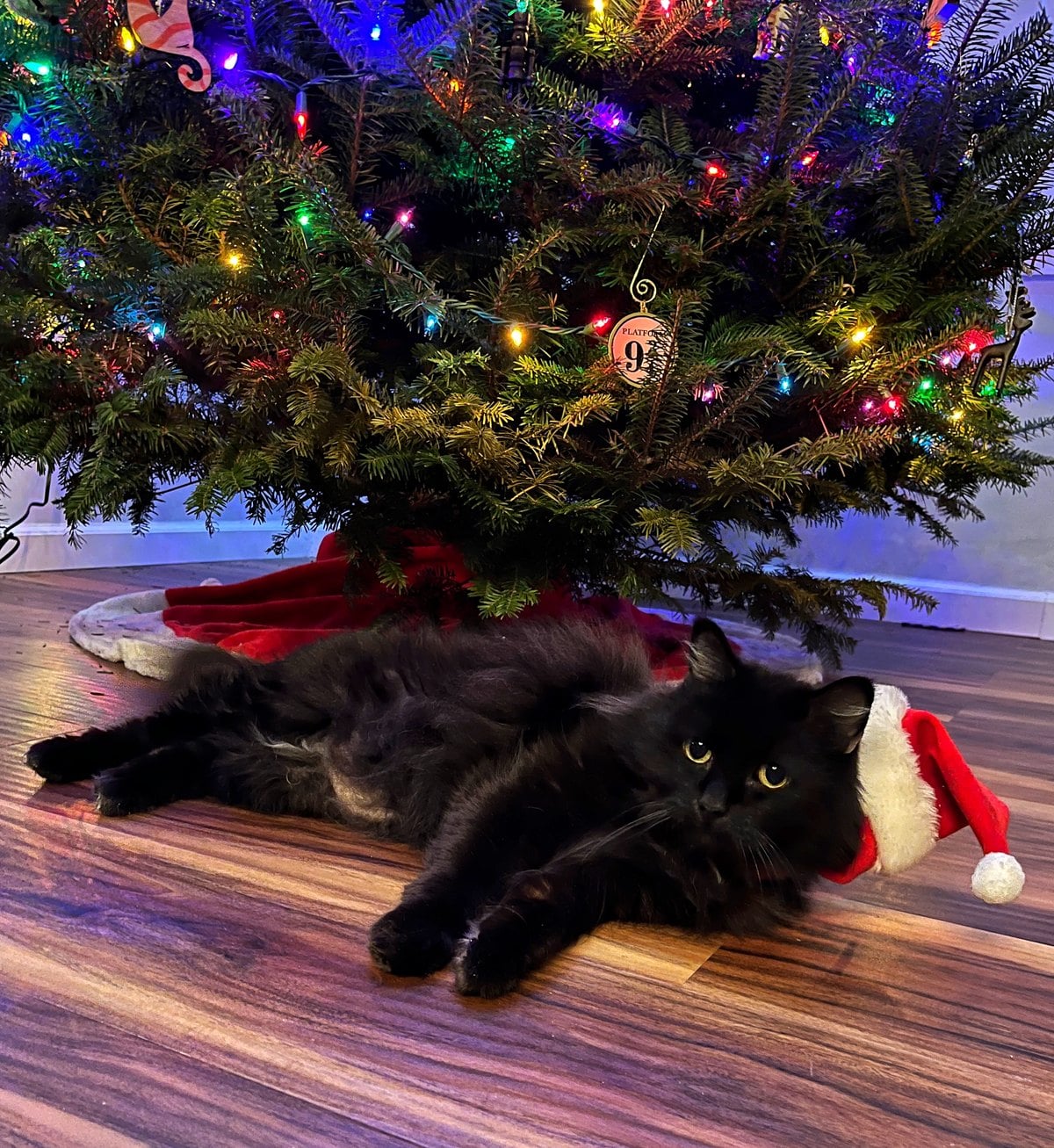
Also, many cats are a mix of two or more breeds, resulting in varying genetics. If one of the breeds in the mix could have black fur, it’s possible that the cat will inherit that coloring. This further proves that every black cat is one of a kind.
The Bombay’s Name Doesn’t Tell You Where It Began
The names of cat and dog breeds often give people an idea of where the breed originated. Yet, Bombay cats don’t follow that trend. Rather than being from the Indian city of Bombay (now known as Mumbai), they’re actually from the United States.
The Cat Fanciers’ Association (CFA) shared that the breed first came to be in 1966 when Nikki Horner from Kentucky bred a black American shorthair with a Burmese cat. The goal was to get desirable characteristics from both breeds while creating a cat that was distinct enough to be its own breed. Over the next few years, Horner perfected the panther-like cat, causing it to be accepted for CFA registration in 1970.
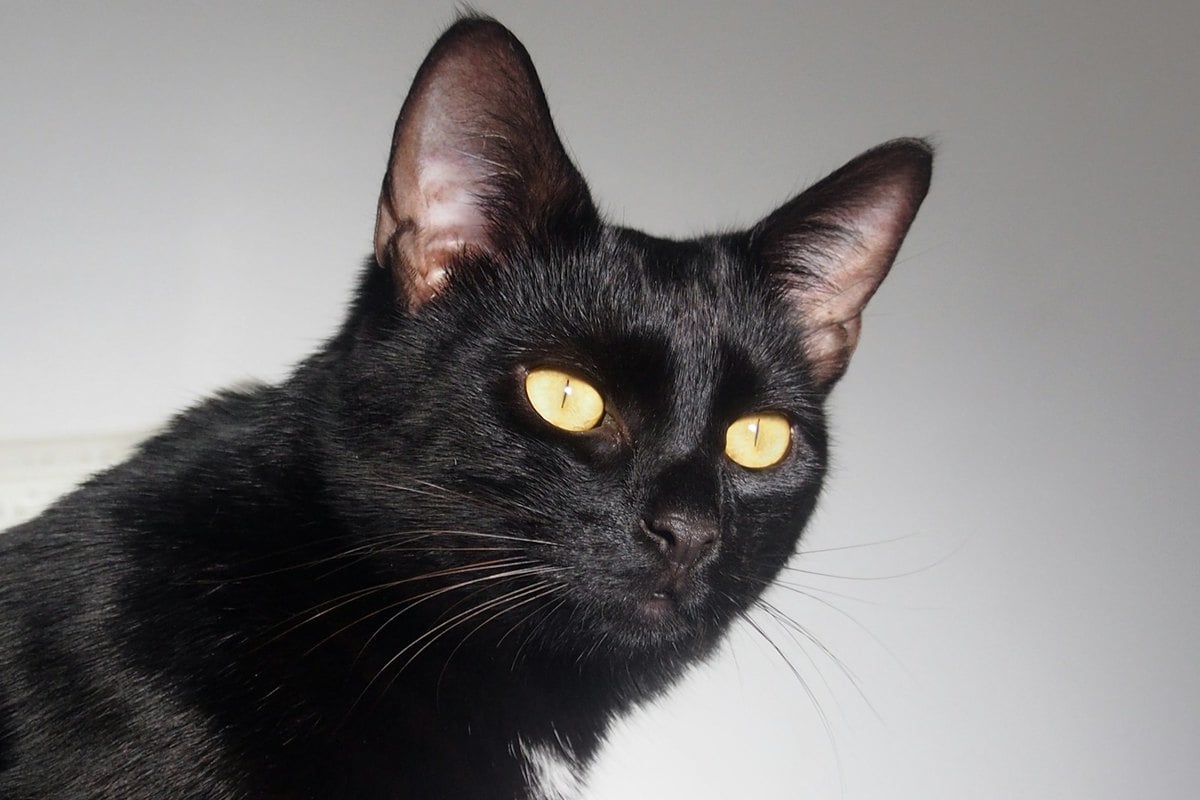
The name Bombay was inspired by India’s black leopards and the city of Bombay, but the cats themselves aren’t related to that location at all. While black is the signature color of Bombays, these cats are far from the only black cat breed, especially considering that a black American shorthair was needed to create them.
Solid Black Can Hide a Tabby Pattern
The agouti gene in a cat controls whether each hair is banded, like the hairs on a tabby, or one solid color. While the patterns of cat offspring can often be predicted by agouti genes, the results may vary based on the interactions with other genes.
“2 bp deletion” is the mutation behind solid black cats. It’s when two base pairs are missing from a DNA sequence, disrupting the protein function. When a cat has two copies, the pigment switching that creates banded hairs doesn’t occur, so each hair stays black instead of switching between black and a red-yellow pigment.
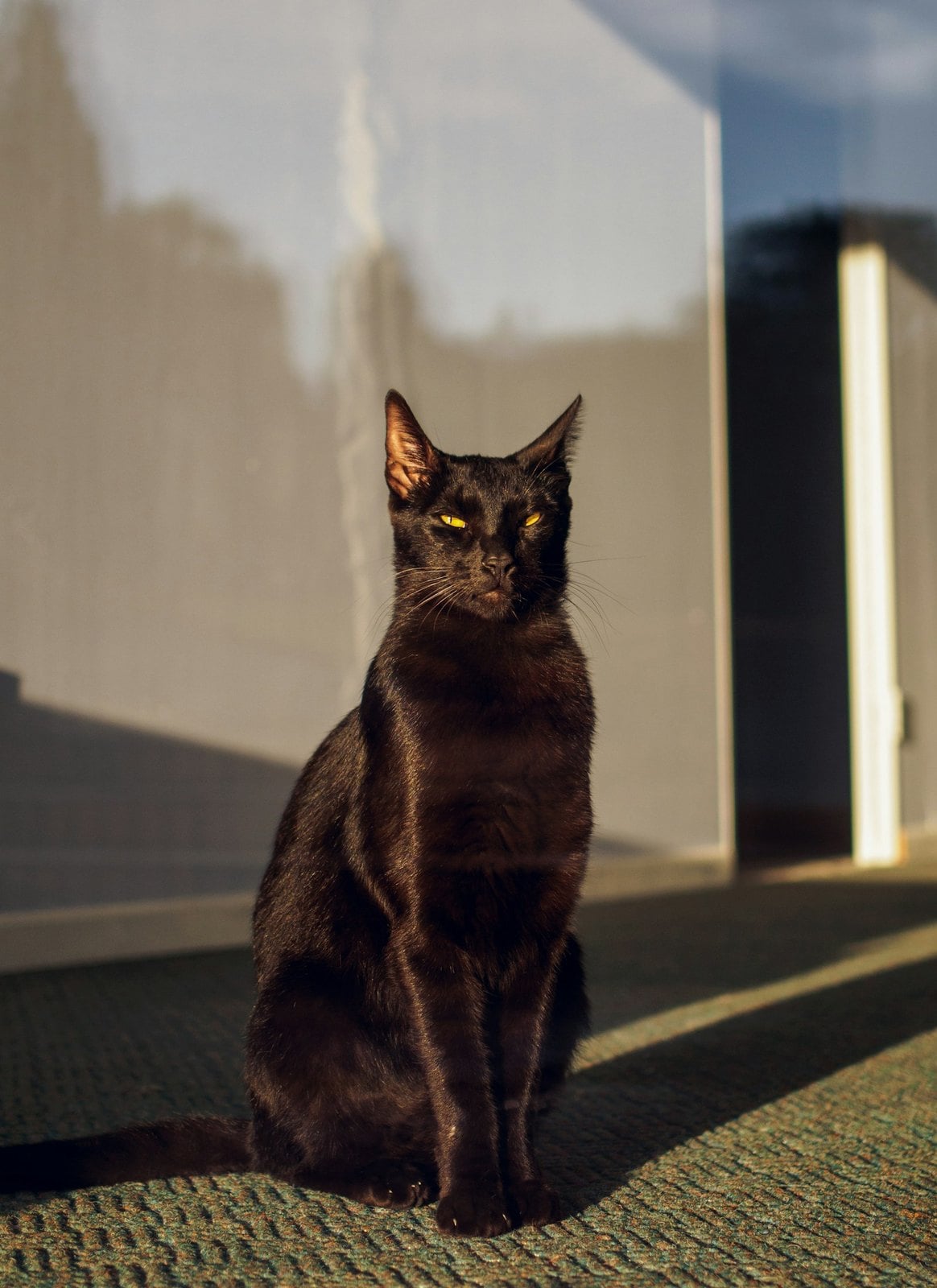
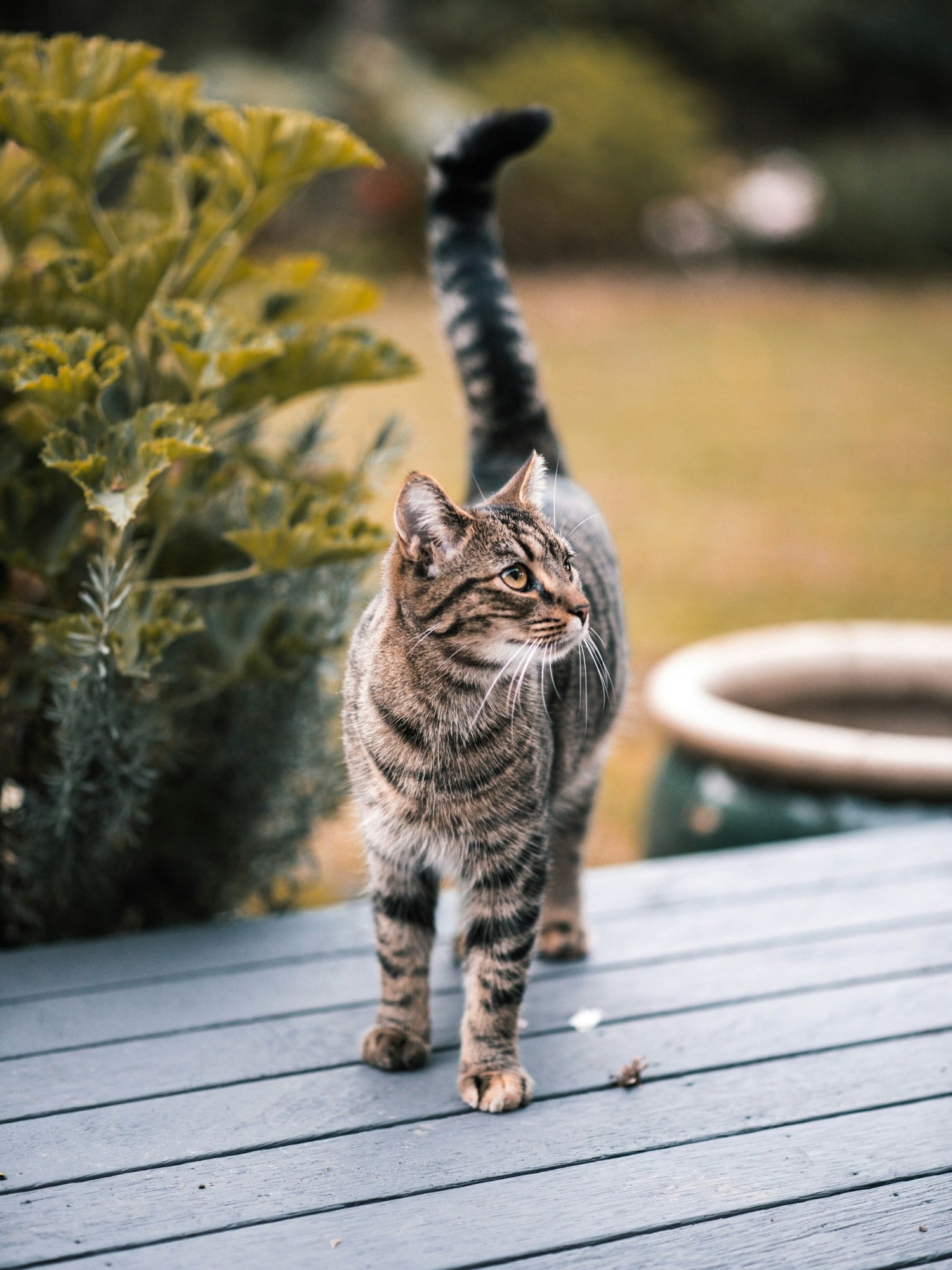
Even though these cats appear completely black, they technically have a tabby pattern that isn’t visible, since a separate gene creates the pattern. It doesn’t affect anything about the cat’s wellbeing, but it’s a fun little fact, and under certain lighting you can occasionally spot faint stripes.
A Blue Coat Can Be Diluted Black
Hidden tabby patterns aren’t the only unique outcome of a black cat’s DNA. Dilute is a trait that can alter a cat’s fur color, such as making a cat look “blue” instead of black.
Of course, cats aren’t an obvious blue like a blueberry, but instead, breeders use blue to describe a bluish-gray coat color. It differs from other gray coats because it’s actually a diluted black color rather than true gray.
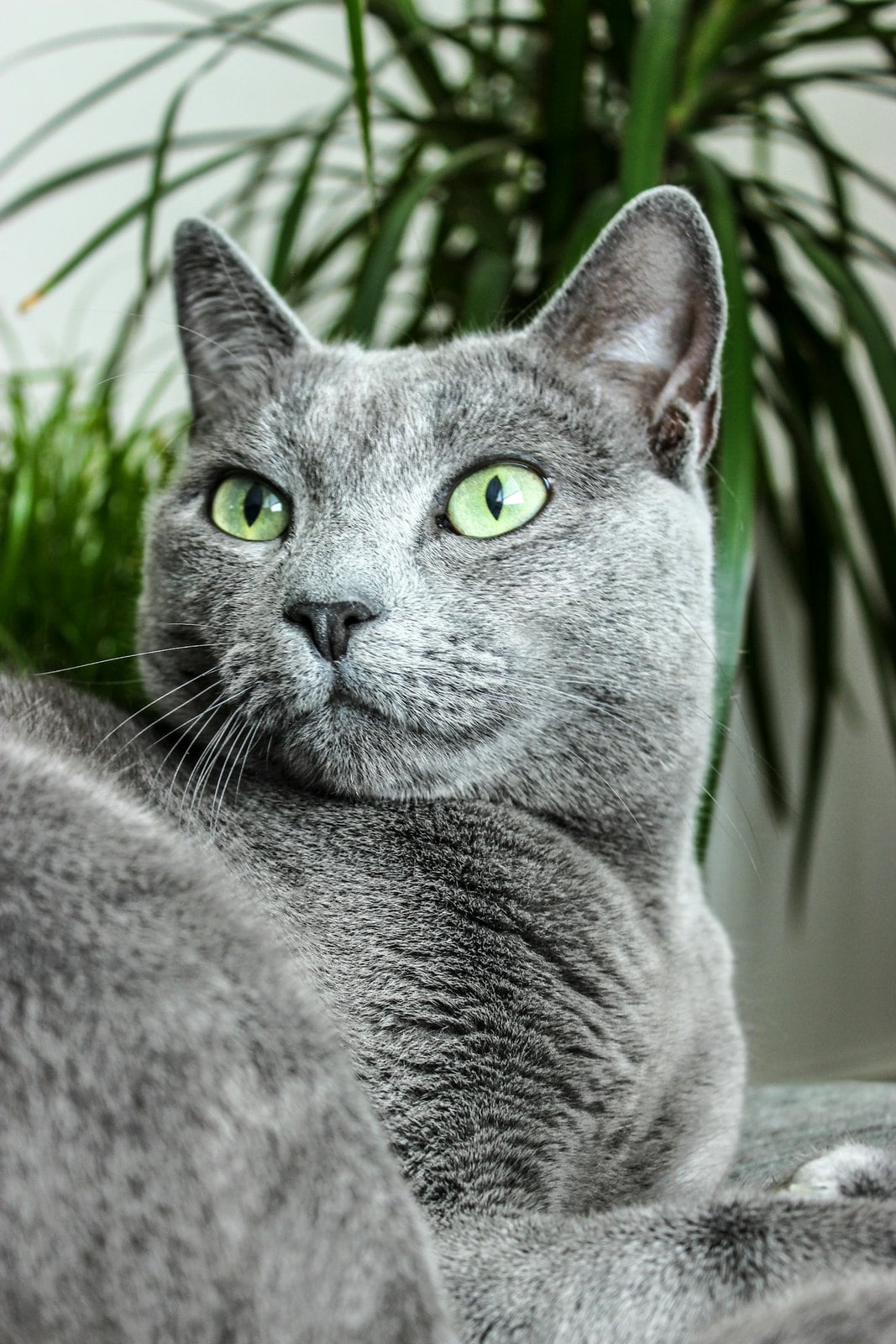
Dilution is caused by a mutation that clumps pigment granules unevenly in the fur, making the coat appear different than it would normally. Diluted black pigments appear as the specific type of gray known as “blue” in the cat world.
Russian Blue, Chartreux, and Korat are just a few cat breeds known for having blue coats, which are actually made of diluted black pigments.
Black Fur Isn’t All One Simple Genetic Switch
There isn’t just one gene that determines if a cat is black or not. Cat genes are complex, and there’s a lot that plays a role in how coat color appears.
Eumelanin is a dark pigment that makes a cat appear black. However, the eumelanin must remain consistent throughout the full length of each hair for black cats. Reduced eumelanin causes a cat to be different shades of brown, starting with dark brown and then turning to cinnamon with less eumelanin. Phaeomelanin is what makes hair appear red, orange, or cream, while white fur has no pigment at all.
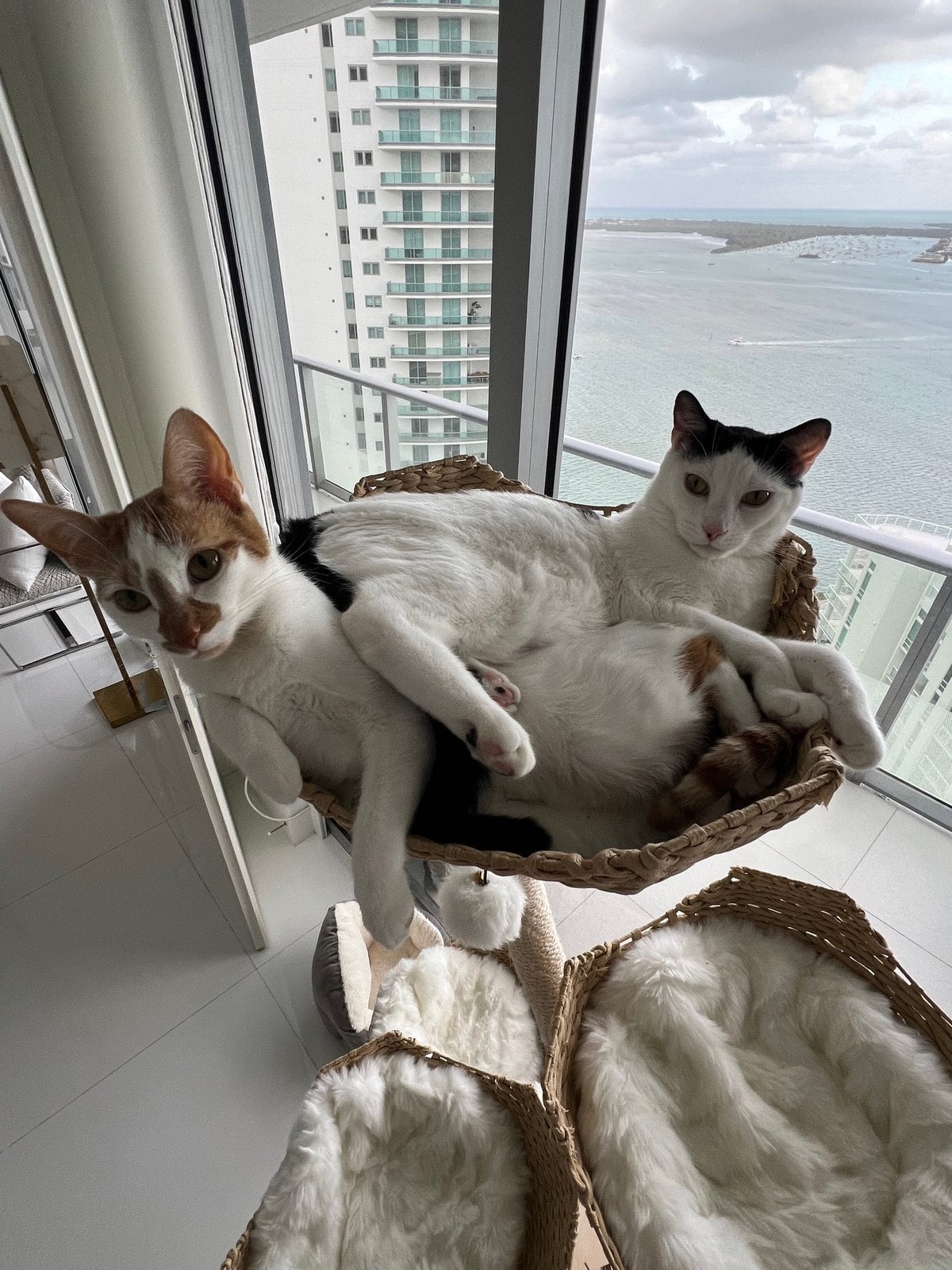
Without any patterns interfering, the amount of eumelanin and phaeomelanin affects the cat’s color. Yet, many cats have patterns, whether that’s stripes and spots or different colored body parts like “socks.”
So, just because a cat’s genes carry a dark eumelanin, they might not automatically have solid black fur. Other genes can alter or mask it, resulting in a unique fur pattern rather than a solid hue.
Their Coat Can Shape Our First Impression More Than It Should
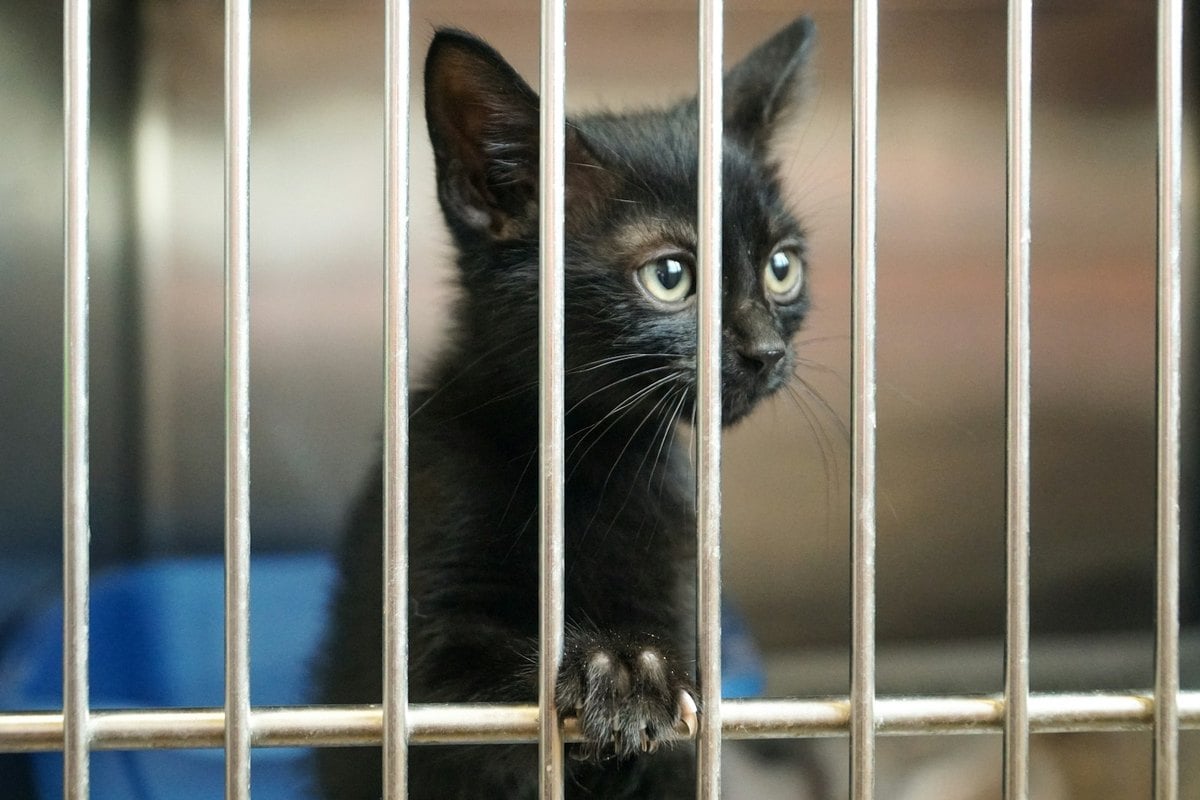
Even though coat color doesn’t define a cat, people are quick to make assumptions when they see a photo of a cat. Of all the stereotypes for cats, black cats seem to have it the worst. A study that looked at nearly 8,000 cats from a Kentucky shelter found that the black cats had lower adoption rates and higher euthanasia rates compared to cats with lighter fur.
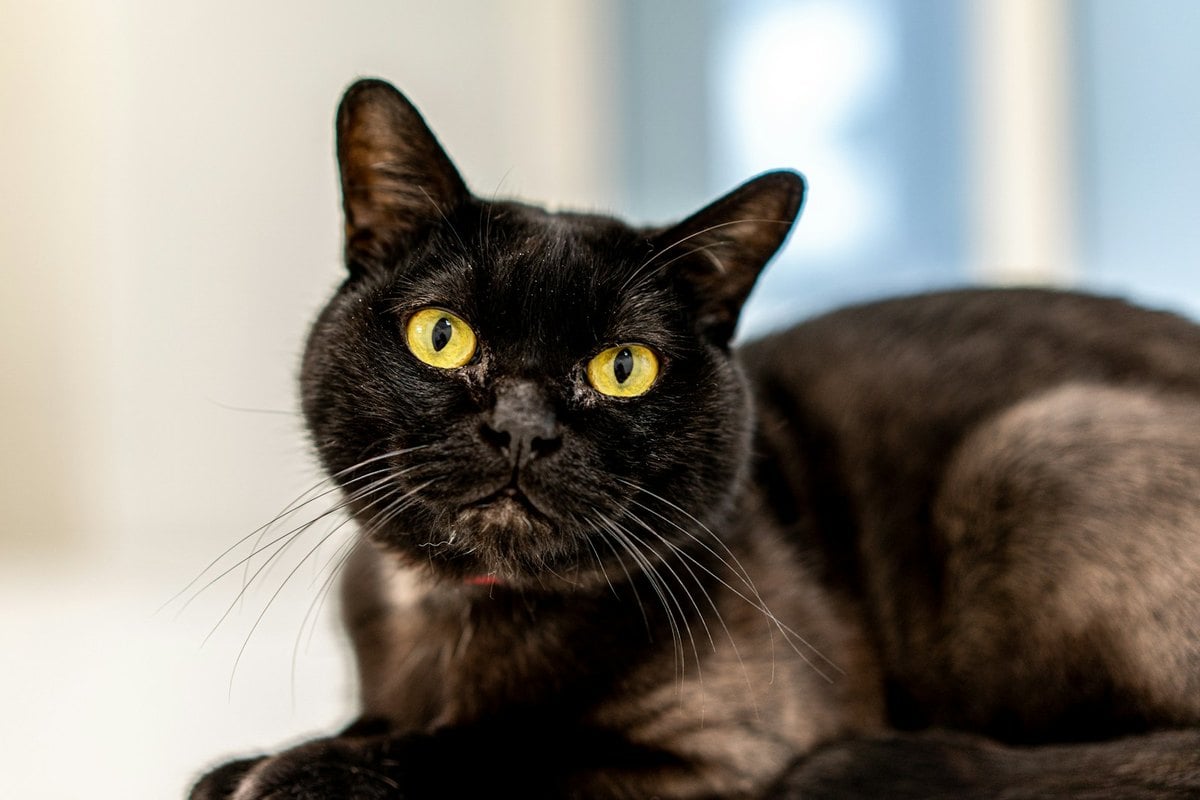
There isn’t any evidence that coat color is linked to a cat’s personality, but there are clear patterns when people describe cats of different colors. Elinor Karlsson, PhD, explained that it’s because humans like finding patterns even when they don’t exist. For example, if someone is set on viewing an orange cat as “dumb,” they’re more likely to focus on the moments where the cat is clumsy and confused rather than the moments where they’re clever and calculated.
Cat lovers have been attempting to paint black cats in a positive light to steer people away from the stereotypes that hurt their adoption rates. After the animated movie Flow was released, which features a black cat protagonist, some shelters reported an increase in black cat adoptions. So, our first impressions of a cat affect us a lot more than we realize.
The Adoption Story Is More Complicated Than One Statistic
Black cats often sit at shelters longer, but they aren’t always adopted last. So many factors influence the adoption timeline, such as location, time of year, and the people visiting the shelter. Therefore, it’s not fair to base black cat adoptions on only one statistic. The reality is much more complicated than that.
Two studies in a 2024 paper dove deeper into the black cat bias to figure out what causes it and who’s affected by it. The first study considered the opinions of 114 people, who claimed to like cats, dogs, or dogs and cats. The self-identified cat lovers were less likely to be biased about black cats compared to those who loved dogs or dogs and cats. In that study, dog lovers who believed in witchcraft were also more likely to be biased.
The second study surveyed 37 college students about seven to nine weeks before Halloween and again in the two and a half weeks leading up to it. There was about a 40% stronger bias toward black cats when it was closer to Halloween.
Therefore, when it comes to adoption rates and shelter statistics, it’s difficult to have clear results since everyone views cats differently. It just depends on who’s looking to adopt and if those people feel biased toward cat coat colors.
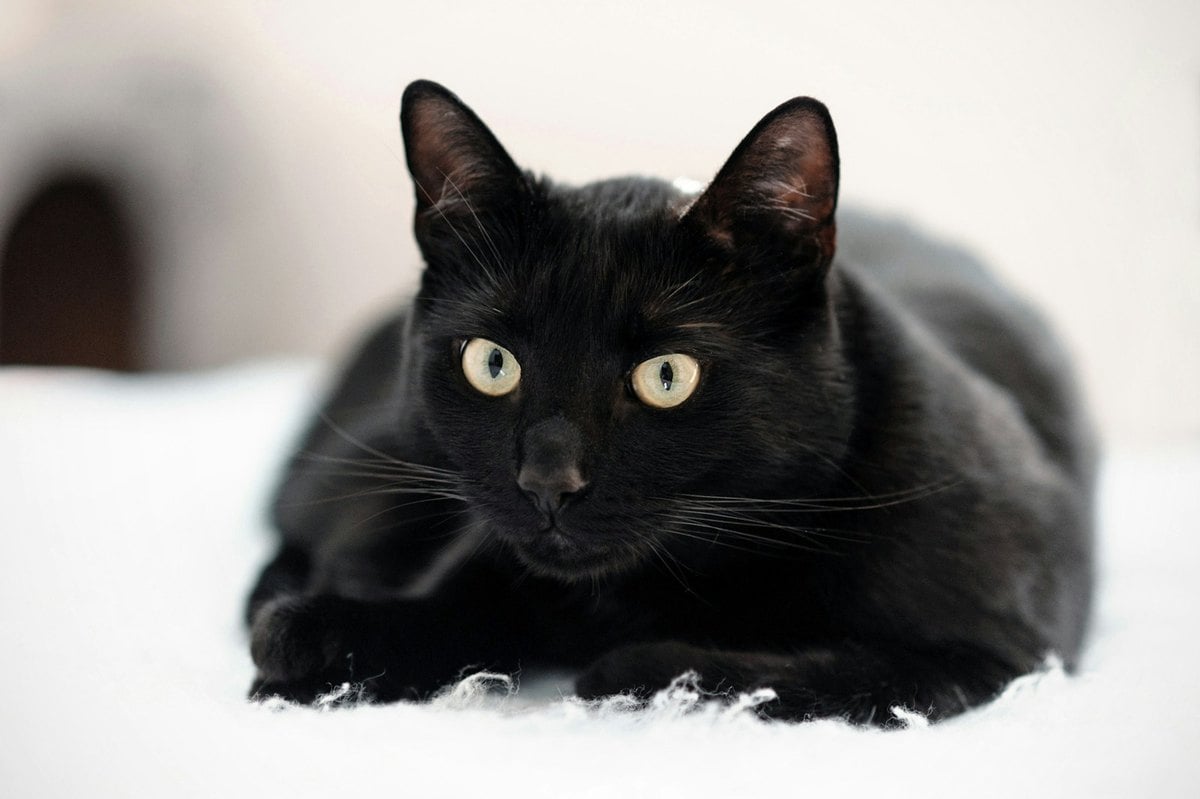
A Better Photo Can Help People Meet the Cat Behind the Coat
Adoption interest often starts from just one photo or video of a cat. Thus, shelters and rescues need to make their posts count. A study about the perception of cats surveyed 555 people to see how they responded to photos and videos of adoptable cats.
The participants first rated how well different characteristics described each cat based on photos and videos. They were then asked how likely they’d be to adopt each cat if they were in a position to adopt one. Cats that people saw as “aggressive” got lower adoption scores, while cats seen as “loving,” “sweet,” or “friendly” scored the highest.
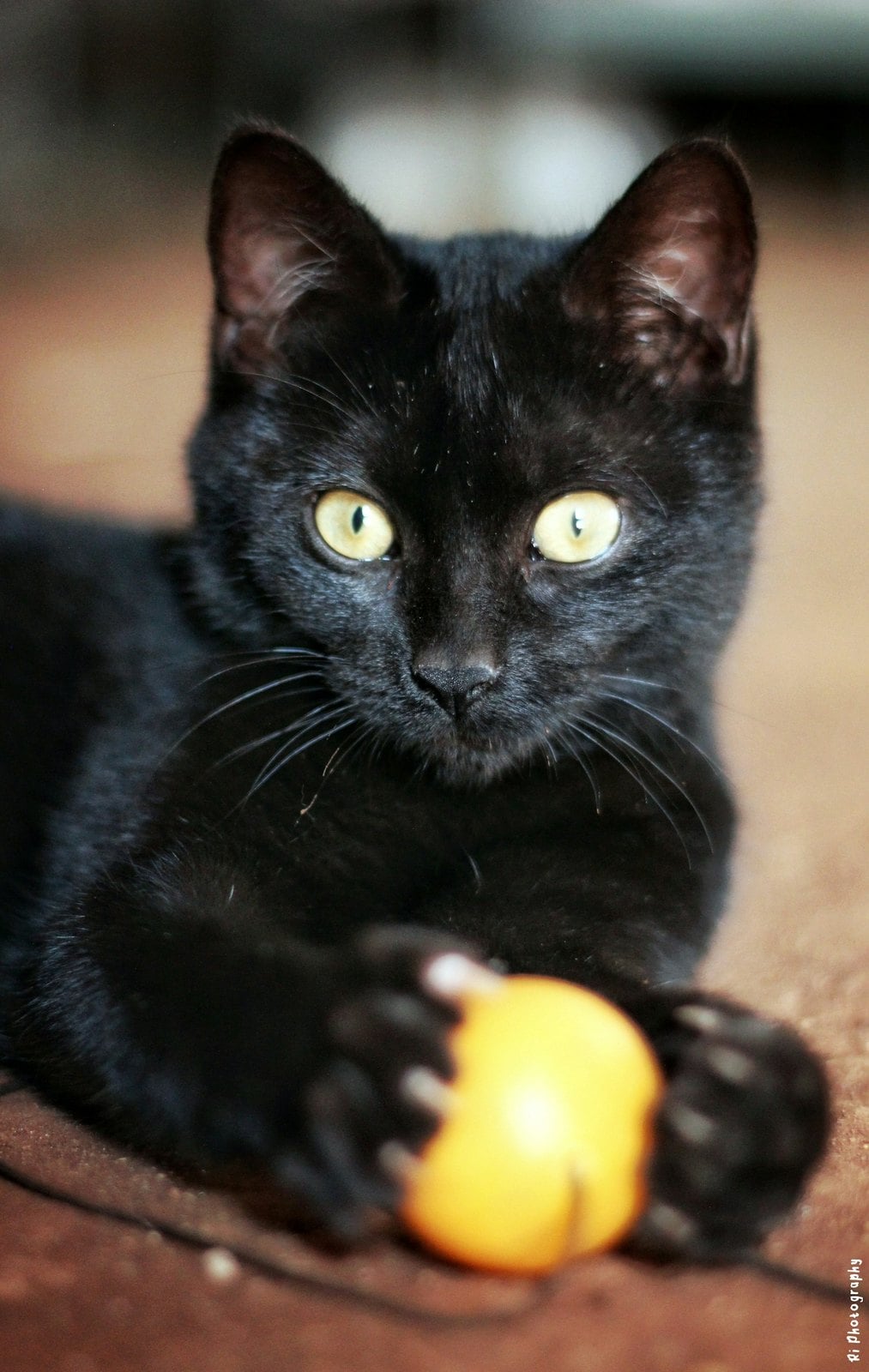
However, the characteristics identified from photos alone didn’t always match the characteristics of those same cats in videos. In photos, cats were more likely to be viewed as “loving,” “shy,” or “quiet.” In videos, cats were more likely to be described with action-related qualities, such as “playful,” “aggressive,” or “curious.” Those traits aren’t always present in a photo alone.
This study showed that how you photograph or record a cat influences how people view that cat. When possible, using videos can help showcase a black cat’s behaviors so people can better see what their personality is like. If videos aren’t an option, photos that highlight positive behaviors, such as showing a cat playing or cuddling, could help paint a black cat in a better light.
Black Cats are Special
There’s more than meets the eye when it comes to black cats. Anyone who has a black feline of their own knows that they can be just as incredible as any other cat.
If you have a black cat, tell us about their unique personality! They’re truly one of a kind, and that has nothing to do with luck.

A freelance pet writer with a BFA in Creative Writing. She’s been writing about animals since 2018 and volunteers with animal-rescue organizations.