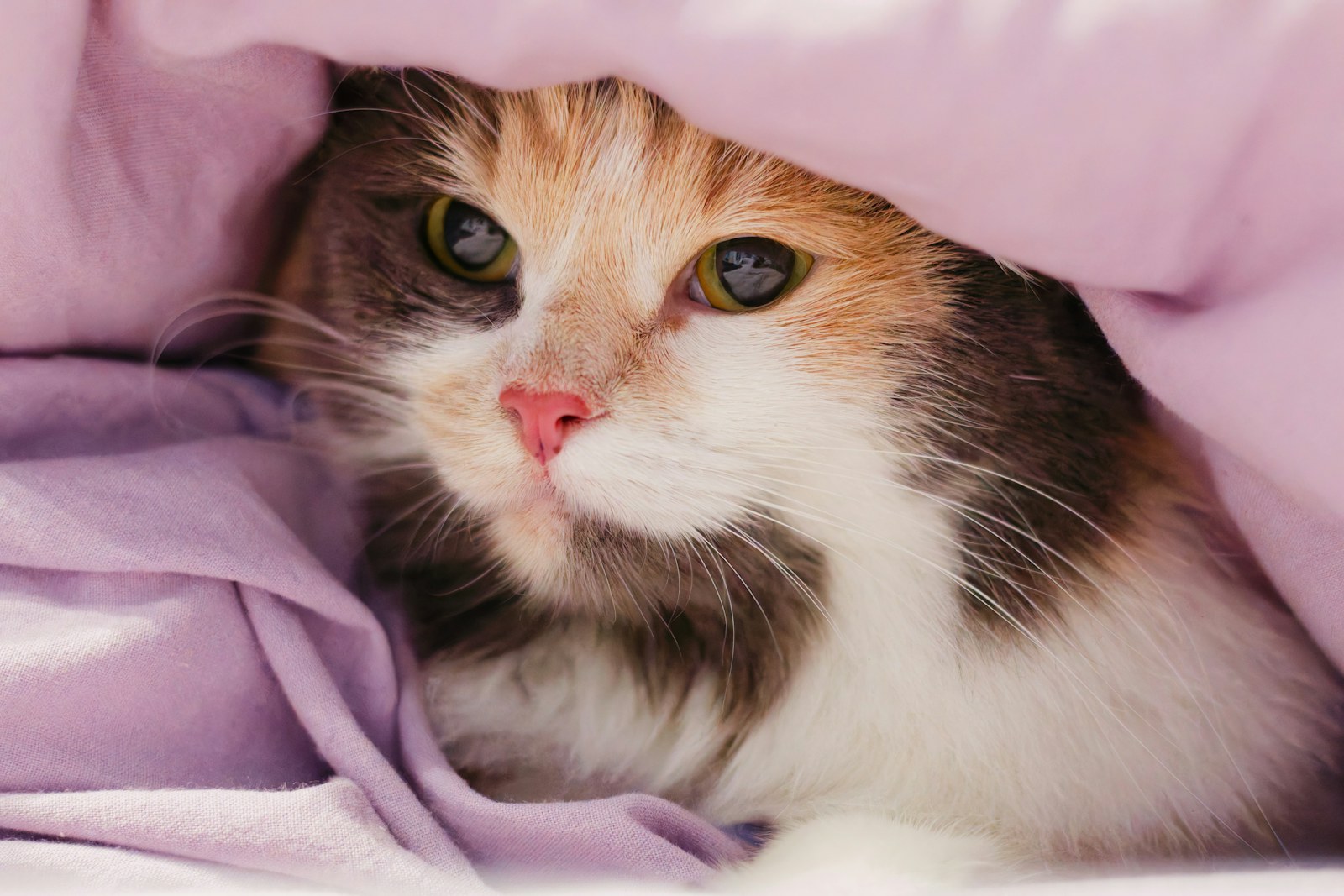
Is Cat Insurance Worth It? What It Costs and What It Actually Covers
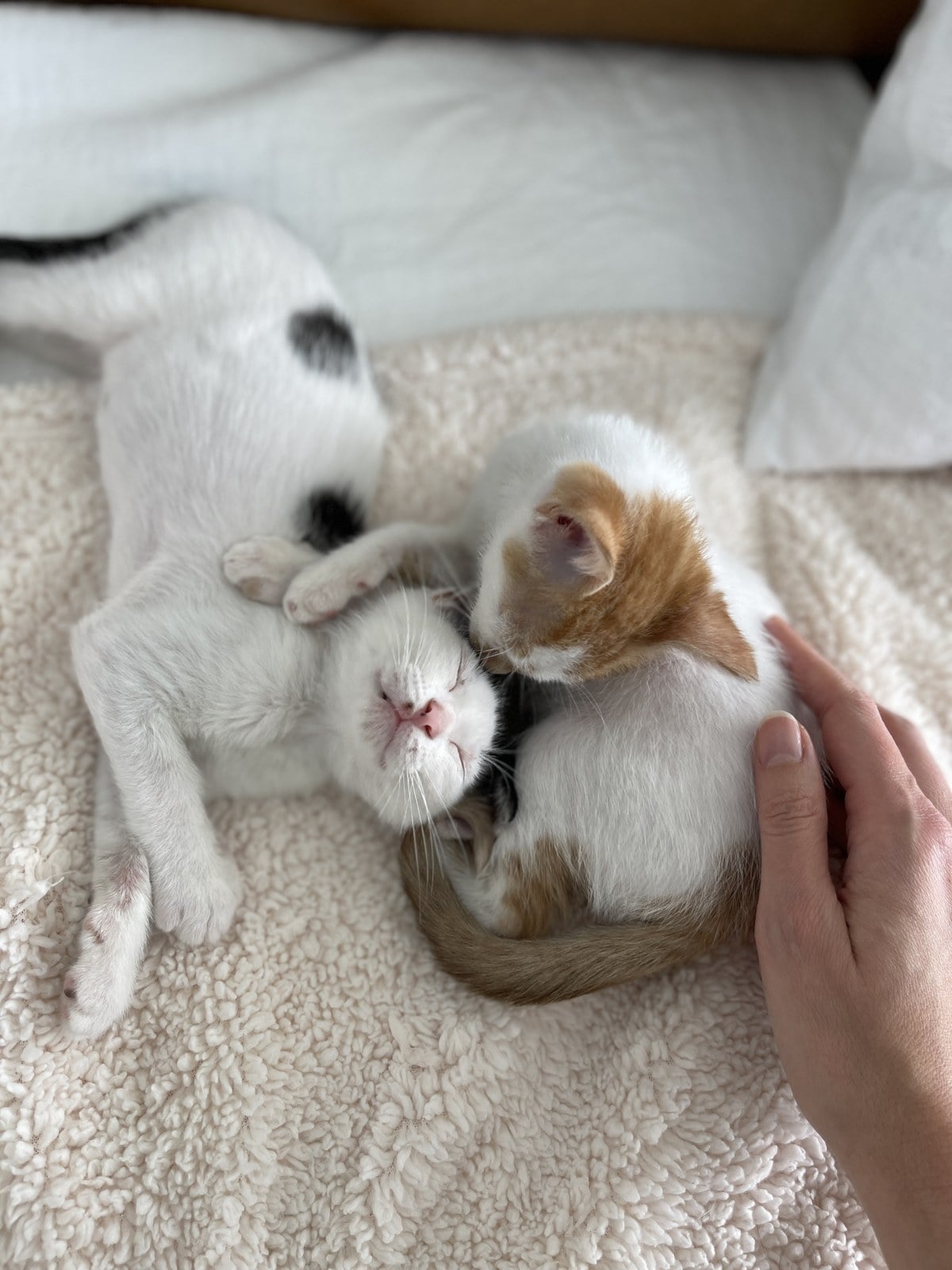
I wanted to apply for pet insurance when Thelma and Louis were little, but they both came with a few different issues. We adopted them from a local rescue when they were only about 6 or 7 weeks old. They both had eye infections as kittens as well as what would be diagnosed later as ringworm. Louis also had an upset tummy that we took him to the vet for. Then Thelma had an ongoing skin reaction to what turned out to be a food allergy, and she had a litany of tests. Needless to say it was a lot!
So by the time we really started looking at insurance, I was unclear what it would actually cover. I kept coming back to the same questions. If there was already a record of an eye infection, would another eye infection ever be covered? If Louis went to the vet for an upset stomach once, was everything stomach-related now off the table? And I knew Thelma’s food allergy would be considered pre-existing, but did that mean every skin issue would somehow get attached to it forever?
At that point it seemed silly to get coverage when I couldn’t tell what the coverage would actually be for. Now that they’re three (and thankfully healthy) I’m looking into it again because you hear horror stories about pets needing treatment that costs tens of thousands of dollars. I NEVER want to be in a situation where we can’t give our cats the best care possible because of what it costs.
Between Thelma’s allergy testing, their repeated visits when they were young, Louis’s dental cleaning earlier this year, and all the other vet visits in between, we’ve probably spent close to $10,000 in their three short years. Just like when you go to a regular doctor who doesn’t take your insurance (or if you have a plan with a high deductible or premium), it hurts to pay anything out of pocket. And we’ve paid quite a bit for what I would even say were fairly non-serious issues.
What about pre-existing conditions?
Like I said earlier, I thought that for most insurance plans, if there was a record of these issues, they likely would not cover anything related to them if it happened within six months of the diagnosis (or longer). I also thought once you cleared X amount of time, those previous issues no longer applied.
The fact check: I was sort of right. Spot and ASPCA use 180 days, Prudent Pet uses 365 days for a non-chronic condition, and several others use 12 months. But the clock only helps if the company calls the problem “curable.”
From what I’ve learned, their past eye infections and ringworm may no longer matter, and Louis’s one stomach visit would probably count as resolved by now too. Thelma’s food allergy is the one that won’t go away: allergies are chronic, so they’re almost certainly a permanent exclusion. Something brand new, like a urinary problem, an injury, or cancer, could still be covered. Before I sign up for any plan, though, I want the company to spell out what it considers temporary, permanent, and “related” in writing.
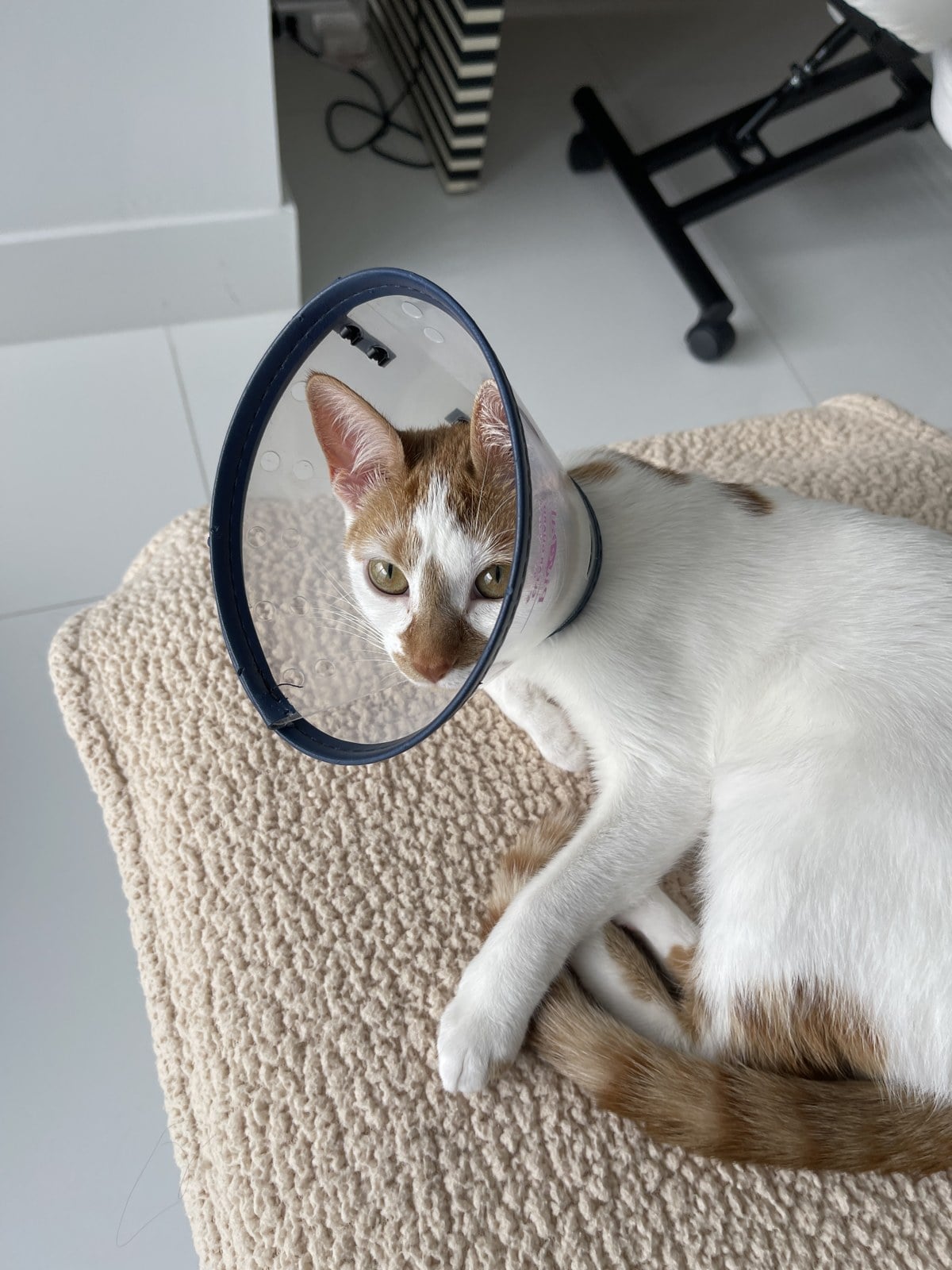
What cat insurance costs
We love our animals. They are also pretty expensive! It doesn’t mean I would trade having them, I just think it’s very important that people realize this before getting a pet. You have to have enough set aside each month for not only their food and care, but an emergency fund in case anything were to happen to them.
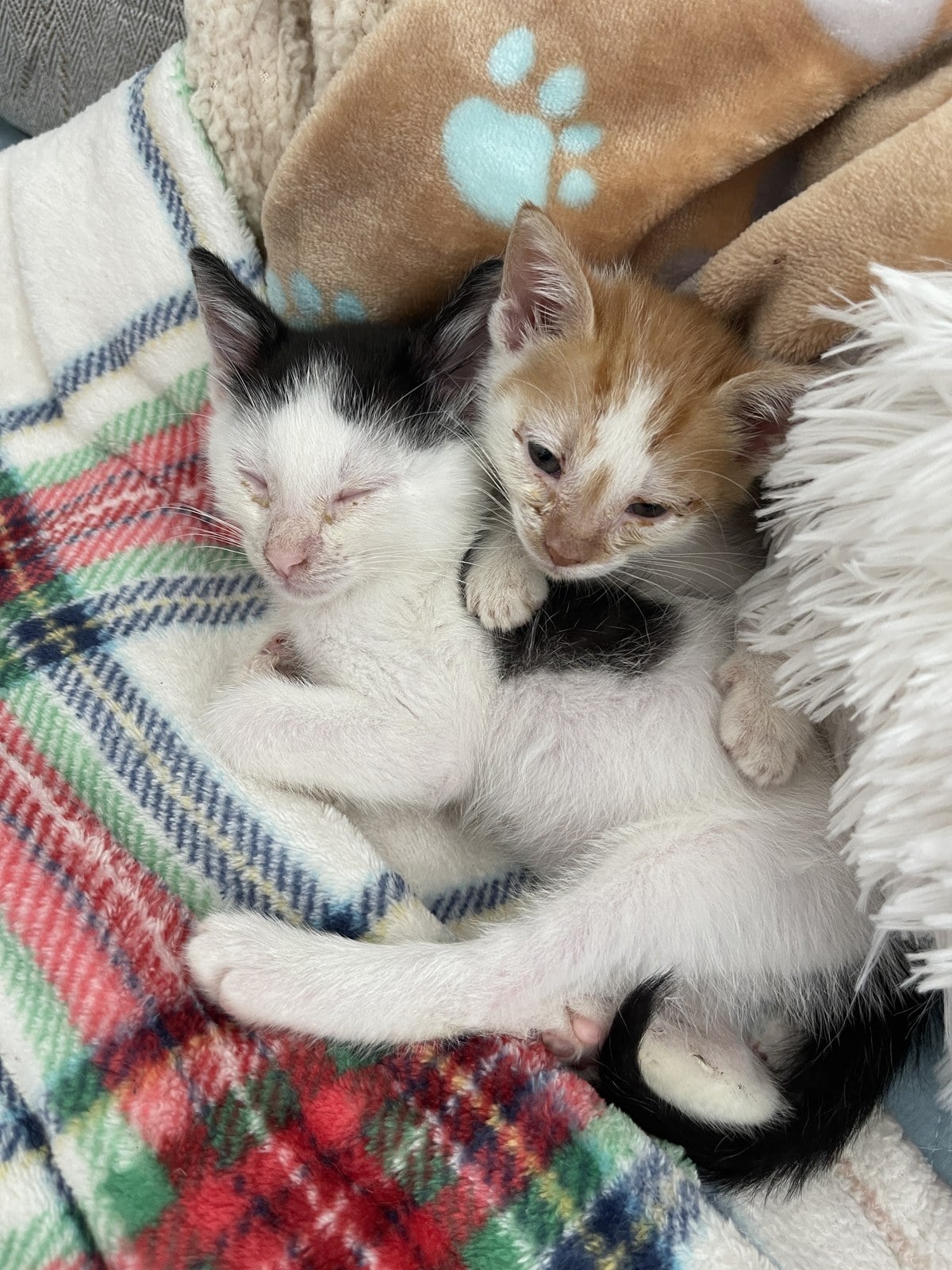
The latest industry average for pet insurance is $435 a year, or about $36 a month, for accident-and-illness insurance for one cat. Accident-only averages $112 a year, while plans with wellness benefits average $859, based on 2025 data in the North American Pet Health Insurance Association’s 2026 report as reported by NerdWallet.
All quotes will depend on age, breed, sex, ZIP code, deductible, reimbursement, and annual limit. The price can also go up as the cats age too.
Start with these five insurance companies
These are the top five pet insurance companies in Forbes Advisor’s July 2026 ranking, using national average prices for 80% reimbursement and a $250 deductible. Here’s a look at how much a plan on each would cost you, on average.
| Company | Rating | Average monthly price | Curable-condition reset |
|---|---|---|---|
| Spot | 5.0 | $30 for $5,000; $59 unlimited | 180 days |
| Pets Best | 4.9 | $28 for $5,000; $31 unlimited | No universal period published |
| ASPCA Pet Health Insurance | 4.7 | $34 for $10,000 | 180 days |
| Prudent Pet | 4.7 | $32 for $10,000 | 365 days for non-chronic conditions |
| Figo | 4.4 | $23 for $5,000; $36 unlimited | 12 months |
Based on this list (as well as a few others) I decided to get some quotes in to see how much insurance might actually cost for Thelma and Louis given our location and their age and histories.
What they actually quoted us
Here’s a look at the quotes we got in for both Thelma and Louis, choosing accident-and-illness coverage only, 80% reimbursement, a $250 deductible, and a $10,000 annual limit. Here is how they ranked, with the cheapest plans that came up first…
| Company | Thelma | Louis | Monthly charge for both |
|---|---|---|---|
| Lemonade | $21.78 | $21.78 | $43.56 |
| Pets Best | $32.14 | $32.14 | $63.10 |
| Figo | $28.10 | $37.48 | $65.58 |
| Spot | $33.42 | $38.65 | $74.07 |
| Prudent Pet | $36.31 | $38.96 | $75.27 |
| ASPCA Pet Health Insurance | $37.89 | $43.83 | $83.72 |
Per-cat prices include each company’s multi-pet discount. The monthly totals include the $2 installment fee that Pets Best, Spot, and ASPCA charge for paying monthly; that fee is removed if you pay annually.
Spot and ASPCA, the two I thought we might initially go with, came back as our two most expensive quotes. Lemonade, which isn’t in the Forbes top five, was the cheapest by almost $20 a month. But there is a catch when you compare on price alone. Spot and ASPCA include exam coverage in their base plans, while Lemonade, Figo, and Prudent Pet sell it separately (Lemonade sells dental-illness coverage separately, too). So the cheapest quote isn’t buying exactly the same coverage. One more thing I noticed: none of the six quote forms asked a single question about the cats’ medical history. The pre-existing exclusions get decided separately.
We also wanted to get feedback from other customers to see how their experience has been. One Pets Best customer described pretty good results with two very different claims:
Pets Best has literally paid out over $10,000 in my cats’ claims over the course of two years. One of my cats has immune issues and stomatitis. Pets Best covered her $3.2k partial extraction surgery in 2024 for periodontal disease and just recently covered her $4.4k full mouth extraction last month when she was diagnosed with stomatitis.
My second cat had to be hospitalized overnight at an ER for an ingested object last year. We did multiple sets of X-rays, ultrasounds, supportive care, and finally an endoscopy. Whole thing cost $5.5k, Pets Best covered it all and I ended up paying $550 for that visit.
Source: Cat owner discussing Pets Best on Reddit
Lemonade, our cheapest quote, gets good reports too. This one, from a fellow cat owner, was the most honest I found:
My first claim with lemonade took awhile and when I contacted them they said they were waiting on my vet to send my cat’s medical records. They took so long that I just reached out to my vet instead and got the medical records and forwarded that to Lemonade. Since then claims have been easy with them. My last claim got approved immediately.
Source: Cat owner discussing Lemonade on Reddit
So, what does pet insurance actually cover?
Here’s the short version: accident-and-illness insurance is for new problems that start after your policy kicks in and the waiting periods end. If your cat swallows string, breaks a bone, gets a urinary blockage, or is diagnosed with cancer, a typical plan pays its share of the tests, surgery, hospital stay, and medication used to treat it. You still cover the deductible, and the reimbursement percentage, annual limit, and exclusions all still apply.
- Usually covered by accident-and-illness plans: new injuries and illnesses, X-rays, bloodwork, ultrasounds, surgery, hospitalization, and prescription medication.
- Depends on the company or costs extra: exam fees, dental disease, rehabilitation or physical therapy, behavioral treatment, prescription food, and end-of-life care.
- Usually not covered by the base plan: pre-existing conditions, checkups, vaccines, routine dental cleanings, spaying or neutering, grooming, and boarding.
Does pet insurance cover dental care?
Sometimes. The trouble is that “dental” can mean three completely different things in an insurance policy:
- A dental accident: If a tooth breaks in an accident, that’s commonly covered by accident-and-illness insurance, as long as it’s a new injury and otherwise eligible.
- Dental disease: Periodontal disease, gingivitis, stomatitis, extractions, and root canals depend heavily on the plan. ASPCA’s Complete Coverage includes dental illness, and Fetch includes illness and injury coverage for adult teeth and gums. Lemonade generally puts dental illness in an optional add-on.
- A routine cleaning: This is generally considered preventive care, not accident-and-illness coverage. Some companies offer limited cleaning benefits through a wellness or preventive-care add-on.
Dental is one I would read VERY carefully, as we all know a) how hard it is to brush a cat’s teeth and b) how prone to dental disease they are. Louis has sort of always had so-so teeth since they grew in. He had his first dental cleaning (under sedation, which I hated) earlier this year, and I’m dreading another one. Thankfully they didn’t have to do anything more than a cleaning, his x-rays all turned out good.
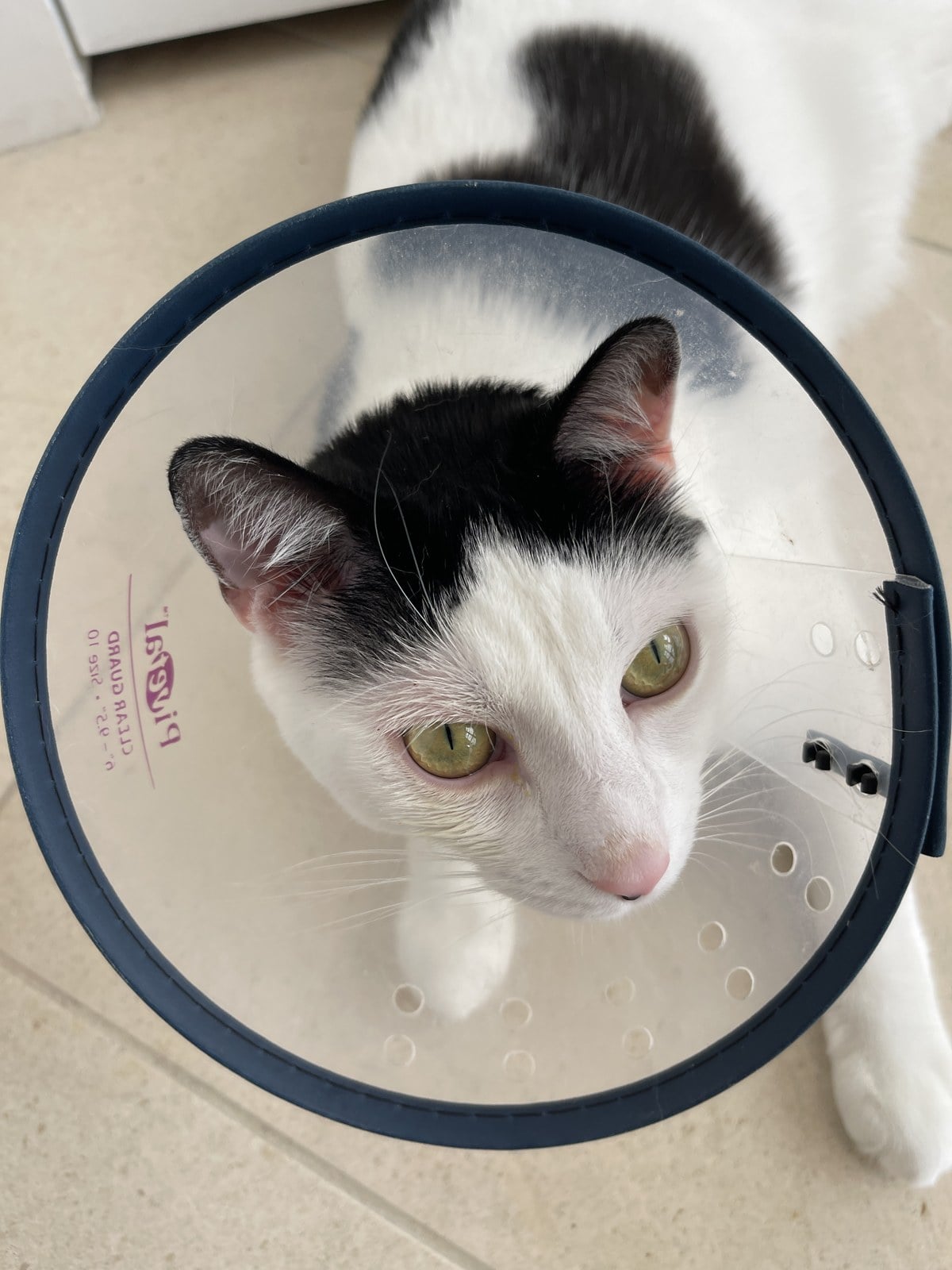
A cleaning like Louis had wouldn’t automatically be covered just because it happened at the vet’s. A routine cleaning generally needs a wellness or dental add-on, and if the vet had prescribed it to treat dental disease, coverage would depend on the policy (plus anything already written in his record could be excluded as pre-existing). So before I sign on the dotted line, that’s exactly the sort of detail I need to find out first. (I’ll report back once I do.)
What does wellness coverage add?
Wellness coverage pays toward the predictable appointments: the annual exam, vaccines, routine bloodwork, parasite screening, and sometimes a dental cleaning. It’s not the part that saves you from a $10,000 emergency bill. Honestly, it’s closer to prepaying for a menu of routine services and then submitting claims to get your own money back. Which, I don’t know about you, but I hate submitting claims. If it results in money back, however, I’m obviously all for it.
If it were to make sense for you (or us) here’s a look at what it would likely cost on top of the accident-and-illness premiums above. The Lemonade number is the exact amount we got when we gave our address (they are one of the few that make you give your personal info for a quote). The others are the companies’ current published or recently listed add-on rates, so I’d still confirm the number in your own quote.
| Company | Extra per cat, monthly | Extra for two cats | What it can reimburse |
|---|---|---|---|
| Lemonade | $10.83 Routine Vet Care $17.25 Routine Vet Care Plus | $21.66 $34.50 | Basic: one exam, three vaccines, fecal/parasite testing, bloodwork, and heartworm or FeLV/FIV testing. The Plus option shown in our Florida quote also included flea/tick or heartworm medication and one routine dental cleaning. |
| Pets Best | $14–$21.75 EssentialWellness $26–$32.58 BestWellness | $28–$43.50 $52–$65.16 | Exams, vaccines, diagnostic screening, parasite prevention, microchipping, urinalysis, and deworming. BestWellness includes up to $150 toward a cleaning or spay/neuter. Total scheduled benefits are up to $305 or $535. |
| Figo | $9.50 Basic $16.50 Plus | $19 $33 | Exam, vaccines, testing, microchip or health certificate, deworming, and a set amount toward a cleaning or spay/neuter. The scheduled benefits total up to $135 or $250. |
| Spot | $9.95 Gold $24.95 Platinum | $19.90 $49.90 | Exams, dental cleaning, vaccines, fecal/FeLV testing, and deworming. Platinum adds bloodwork, urinalysis, parasite prevention, and a spay/neuter option. Total scheduled benefits are up to $250 or $450. |
| Prudent Pet | $11.95 Low $19.95 Medium $29.95 High | $23.90 $39.90 $59.90 | Exams, vaccines, FeLV/fecal testing, microchip, deworming, and a health certificate. Medium and High include a limited dental-cleaning-or-spay/neuter benefit; High adds blood screening. Total scheduled benefits are up to $210, $315, or $460. |
| ASPCA Pet Health Insurance | $9.95 Basic $24.95 Prime | $19.90 $49.90 | Exams, dental cleaning, vaccines, fecal/FeLV testing, and deworming. Prime adds bloodwork, urinalysis, flea/heartworm prevention, a health certificate, and spay/neuter. Total scheduled benefits are up to $250 or $450. |
These are add-on prices, not the total insurance premiums. Prices and availability can vary by state. The Lemonade figures are from our August 24, 2026 quote; the remaining figures are current published or listed rates checked the same day.
The wellness-plan math doesn’t always “math”
Most of these plans don’t apply your 80% reimbursement rate to whatever routine-care bill you send in. They pay from a benefit schedule instead, and every service has its own ceiling. For instance a plan advertising “up to $450” might cap a dental cleaning at $150, the annual exam at $50, and several tests and vaccines at $25 each. So you only collect the full $450 if you use enough of the listed services to empty every little bucket.
Insurance or a savings account?
I do wonder if, with healthy cats, the premiums over X many years end up equaling what you might pay in case of an emergency. But again, just like our own insurance, you never know. Our health insurance premium, since we are self-employed, is over $1,700 a month. It’s crazy. But would I take the chance and not have it? I don’t think so.
At the current $36 monthly average, saving the insurance premium yourself instead would give you:
| Time saving | Amount before interest |
|---|---|
| One year | $432 |
| Five years | $2,160 |
| Ten years | $4,320 |
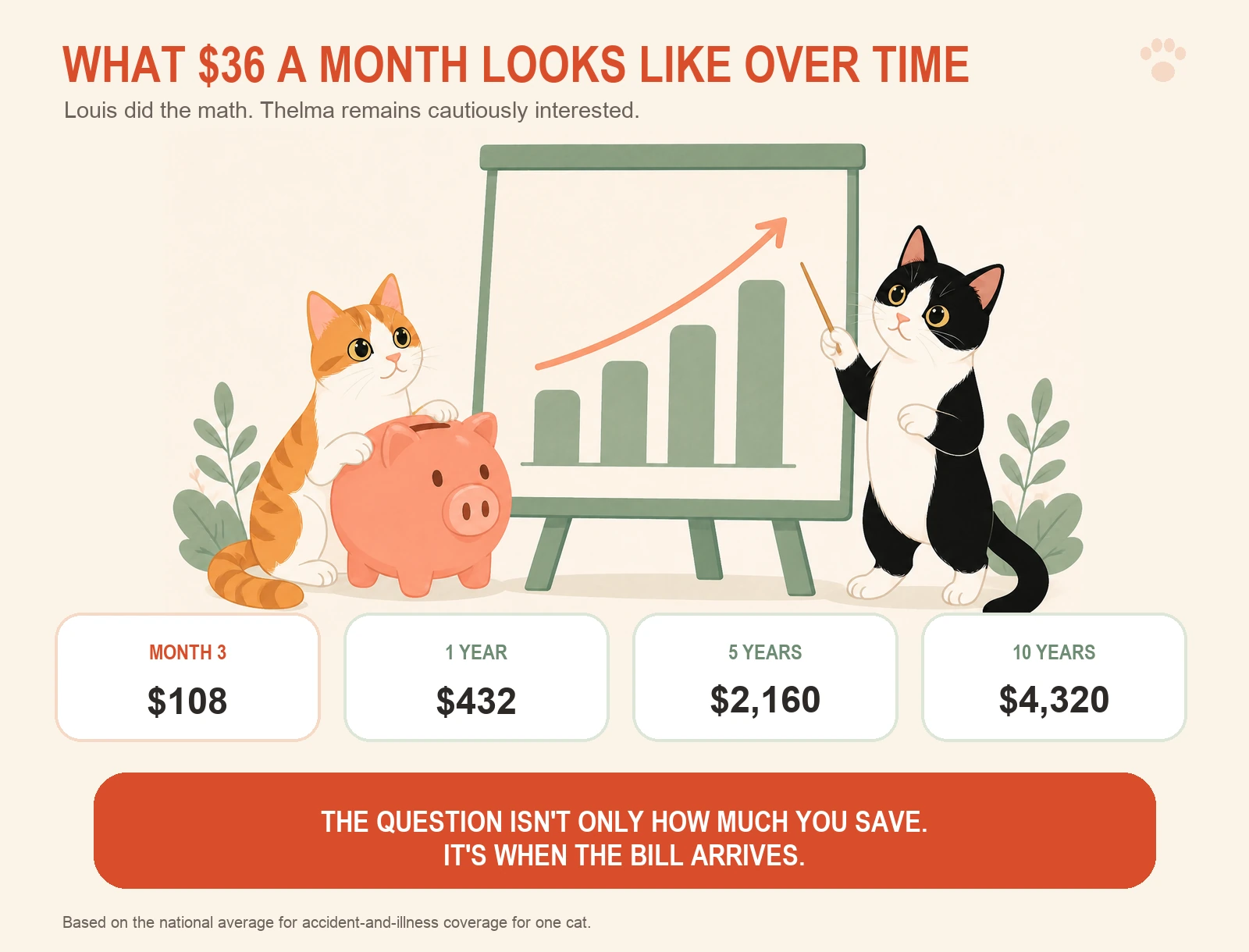
That is real money! But, the real problem happens if a big bill comes in month three. Also, as you read in the example earlier, it’s not uncommon for treatment plans to rack up thousands and thousands of dollars. The $4,320 saved in lieu of insurance premiums might not be nearly enough to account for a true emergency.
One cat owner explained exactly why this is not really an either-or question. Here is the original Reddit comment:
I adopted a healthy 2 year old cat 4 years ago, and put off getting her insurance. She developed IBD, so her IBD is permanently excluded from insurance coverage. We’ve spent well north of $25,000 on her IBD in the intervening years.
We got her insurance after her IBD diagnosis. She developed an unrelated tumor. Insurance paid out thousands on it.
Sure, if I’d have gotten her insurance I might have lost money in the end. But I also might’ve avoided spending tens of thousands of dollars.
If you have $10,000 or $20,000 set aside for each cat, self-funding may be the better deal. If a $5,000 bill would change the care you chose, insurance makes more sense.
How old is too old to enroll?
Spot, Pets Best, ASPCA, Prudent Pet, Fetch, and Figo currently have no upper age limit for enrolling a cat. Older cats do cost more and come with more exclusions, but it can often still be worth it depending on the future care needed. Thelma and Louis are three and I plan to sign up in the next couple of weeks.
The one problem to be aware of is that if you ever want to switch insurance companies later, you might have an issue, since anything diagnosed under your first policy becomes pre-existing under the next one.
At the end of the day, I think insurance is going to be worth it. I love Thelma and Louis so much I would absolutely run into a burning building for them or jump into flood waters. Anything to save them! If insurance keeps a vet bill from ever being the reason they can’t get the best care, then it’s worth it to me.
Prices and terms checked August 22–24, 2026. Policies vary by state and can change.

Founder and editor of CatSeat and cat mom to Thelma and Louis. She has been writing online since 2000.
Hi! I’m Lindsay. I run this site alongside my hubs Cory and our very opinionated cats, Thelma and Louis. We’re so happy you’re here!