Your Cat Care Calendar: What to Do Daily, Weekly, Monthly and Yearly
 By Jessica Radcliffe
 ✓Medically reviewed by Dr. Lindsey Mortlock

On the outside, your cat may seem like an independent little creature. But when you look behind the scenes, there’s an awful lot of maintenance going on.
Cat maintenance isn’t challenging because any single task is too overwhelming. It’s hard because so many little tasks have to be completed at different intervals throughout the year.
A maintenance schedule helps keep it all on track, making being a cat parent a little less hectic. This guide breaks down cat care into daily, weekly, monthly, and yearly tasks, along with treatments and other responsibilities that follow their own schedules.
1. Daily: Food, Water, and a Quick Check-In
Your cat isn’t some weird, rare creature (although that might be up for debate some days). He needs a complete and balanced diet appropriate for his needs. Because cats vary in how much food they need to maintain a healthy weight, you should work with your veterinarian to determine what’s right for your little minion.
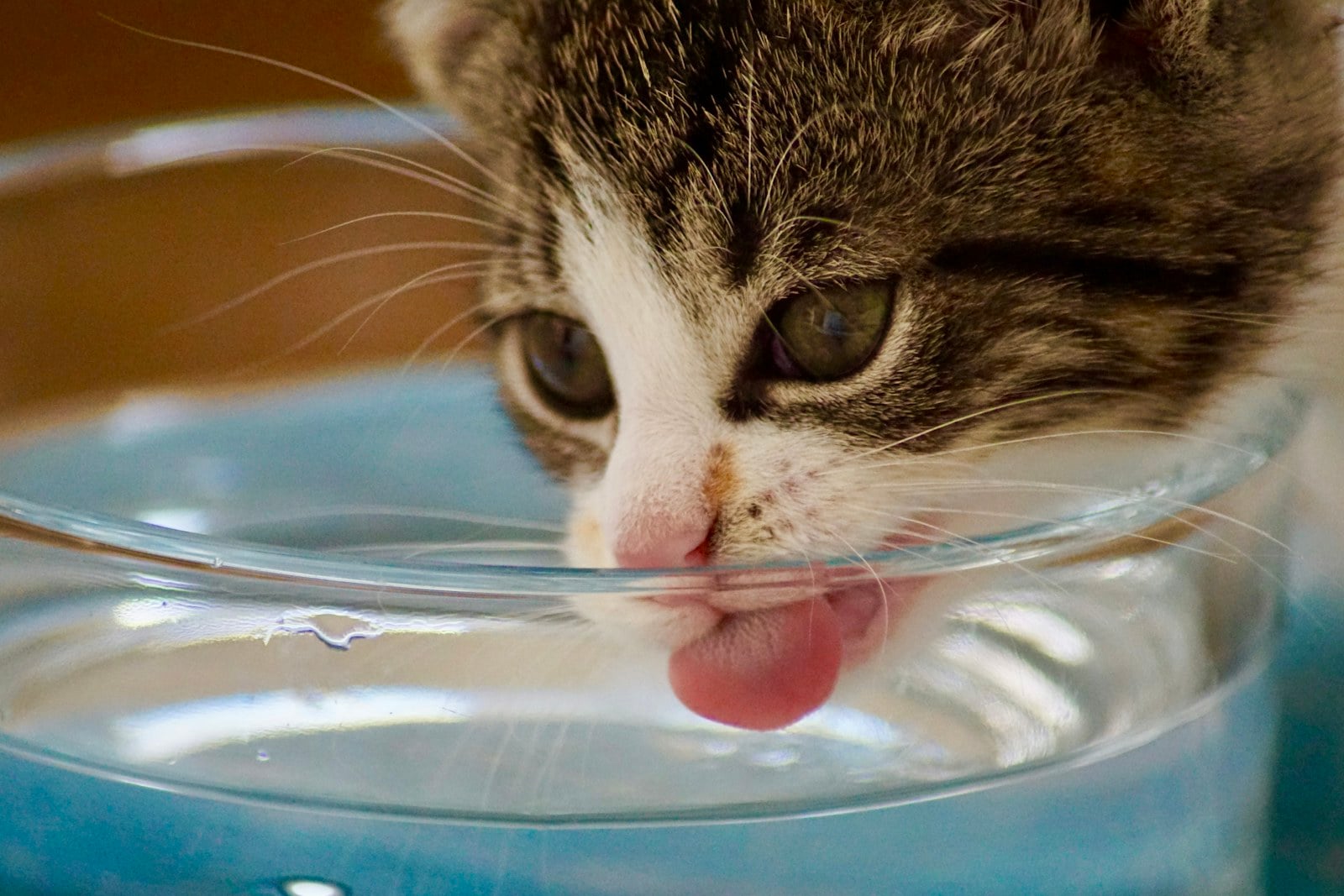
While you’re taking care of daily feeding tasks, it’s a good time to wash his bowls, too. It’s recommended to wash your cat’s food bowl with soap and hot water after each use. Yes, that’s right. Each use. You should also wash water bowls daily. It’s not enough to provide Gizmo with nutritious food and clean water if you’re serving them in dirty bowls.
When your little furball dines on wet food, don’t let the leftovers sit out all day. Any remaining canned or pouched wet food must be promptly refrigerated or discarded. If you’re keeping the food, place it in a tightly sealed container with the refrigerator set to 40℉ or below.
Taking care of your cat’s daily food and water needs gives you the opportunity to check for changes in behavior. Ask yourself some basic questions:
- Is he suddenly eating a lot more or less?
- Is his drinking noticeably different?
- Does he seem comfortable getting to and using his bowls?
- Is there anything different in his behavior?
When medication is part of the daily routine, incorporate it into your cat’s schedule according to the vet’s directions.
2. Daily: Litter, Play, and Dental Care

Let’s face it: no one wants to mess with the litter box. But keeping it clean is a lot more than just another everyday household chore. It also gives you the chance to observe changes in their elimination behaviors.
If you use clumping litter, remove feces and clumps daily. As the litter gets lower, you can add more until it’s time for a full change. The frequency of full litter changes will depend partly on use, with more cats using a box meaning more frequent cleaning. While scooping, you can watch for signs of more or less urine than usual, straining, blood, or going outside of the box. If you see your cat repeatedly straining while producing little to no urine, take him to the vet right away. Urinary obstruction is far more common in male cats, and it requires immediate veterinary care.
When you’re done with the litter, it’s time to make sure your little friend has as much time to play and stretch those predatory muscles as she needs. The amount of play time needed depends on your individual cat and factors like age, health, energy, and interest.
If you have a multi-cat household, this is the perfect time to identify some unique personality traits. For example, Blue might snap to attention the second the wand toys come out, while Muffin watches you wave them around with sheer disappointment on her face.
Speaking of wand toys, when you’re done playing, don’t leave them lying around. Any toys with string, ribbon, or yarn should be restricted to supervised use only. When playtime is over, store them immediately to prevent your cat from accidentally chewing and swallowing the material.
It might be surprising, but your cat benefits from daily toothbrushing. Of course, no cat on this planet is going to let you stick a toothbrush in her mouth without warming up to it first. So, start slow and let her get accustomed to the idea. Also, be sure to use cat-specific toothpaste, not human toothpaste. The products we use are not intended to be swallowed, making them unsafe for cats. If your cat’s mouth seems painful or brushing isn’t manageable, discuss the situation with your veterinarian.
3. Weekly: Bedding and the Places Fur Collects

Whether your cat has her own luxury bed with matching blankets or shares yours, her sleeping area needs regular cleaning. Cat beds and blankets should be washed weekly. If they’re visibly soiled or stinky, the frequency should be increased.
When gathering Phoebe’s things for cleaning, don’t assume that everything is machine washable or should be treated the same way. Be sure to read the labels for washing method, cycle, and temperature. If your cat has sensitive skin, consider dye- and fragrance-free detergent.
If your house is anything like mine, the cat beds see little action. The chosen spots are those close to the humans, and as we all know, the couch doesn’t exactly fit in the washing machine. Each week, vacuum and clean the areas where your cat hangs out the most.
When using cleaners and disinfectants, always follow the directions on the label and never let your cat in the area while you’re cleaning. When the label requires it, make sure the area completely dries before you allow your cat to return. Some chemical combinations can be particularly toxic, which is why you should never mix bleach with other cleaners like ammonia. Avoid using any disinfectants that contain phenols, as they are highly toxic to cats.
4. Weekly: Check the Coat, Claws, and Toys

Each week, take some time to inspect your cat’s coat. When you complete your weekly check, look for things like:
- Matted or tangled fur
- Lumps or bumps
- Fleas, ticks, or evidence of parasites
- Tender or sensitive areas
- Noticeable differences in his skin or coat
How often your cat needs to be groomed depends largely on his coat. Cats with long, silky, or curly coats may need daily brushing, while short-haired cats may require less frequent attention. In other words, your weekly check may not require brushing.
Your weekly check should also include an inspection of your baby’s claws. Specifically examine the condition and length, but only trim them as needed. How often you actually need to trim your cat’s nails will depend on his lifestyle. For instance, indoor cats, kittens, and seniors may need more regular trimming, while outdoor cats may naturally wear theirs down more. Regular nail maintenance can help keep your cat’s claws from growing into the pads of his feet and causing infection.
Claw and coat inspection day is also the perfect time to check all Rambo’s toys for damage, including frayed strings, loose pieces, damaged seams, exposed stuffing, cracked parts, or anything that can break off and be swallowed. Repair anything that can be fixed and toss what’s no longer salvageable. Depending on whether your cat treats destroying toys like his regular 9-to-5 job, you may find yourself rotating through toys more often than not.
Finally, check all the scratching surfaces to ensure they’re still stable and safe for use. It’s one thing for a well-loved cardboard scratcher to look like it’s exploded in the living room and another thing entirely for his favorite cat tree to be shaky and no longer safe or satisfying to scratch.
5. Monthly: Review Supplies and the Bigger Cleaning Jobs
Once a month, it’s time to take an inventory check. Getting home after a long day at work and finding out you don’t have any litter is not the ideal way to settle in for the evening. So go down the list of everything your cat needs and see what needs to be restocked. Check things like:
- Food
- Litter
- Medications
- Parasite preventives
- Dental supplies
- Grooming supplies
- Cleaning supplies
While you’re checking the medications and preventives, it’s a good time to also verify that nothing is expired. It’s a lot less stressful to find expired flea medicine during a routine supply check than it is when you’re actively trying to battle a flea problem.
Pick one day each month to deep clean your litter pans. Remove all the litter and thoroughly scrub the box with mild soap and hot water. Once it’s dry, refill it with fresh litter. Depending on your particular cat’s preferences, you may need to do this more often.
You’ll also want to inspect your carrier as part of your supply check. After all, you don’t want to have an emergency come up only to find your carrier’s door won’t stay latched. Make sure it’s sturdy, clean, secure, stable, and appropriately sized for your cat.
Keep the bigger cleaning jobs on a monthly routine. These may not be the same tasks every month, so treat your monthly check as the time to identify what needs the most attention. This might mean cleaning the carrier, litter scoops, washable toy components, and other heavily used cat equipment.
6. When Due: Parasite Prevention and Other Treatments
Not everything your cat needs falls neatly into a daily, weekly, or monthly schedule. Some treatments are given based on the cat’s individual treatment plan and the product details. For instance, preventives should be given based on the package or vet’s instructions, as these medications often vary by type and brand.
Year-round broad-spectrum parasite control is recommended for cats. Base your choice on factors like where your cat lives, his lifestyle, travel, and individual risk. Indoor cats are not automatically exempt from the risk, either. Fleas can enter a home on other animals or even on you.
While we mostly hear about dogs when it comes to heartworm risk, cats can be affected, too. Mosquitoes transmit heartworms, which means your cat could still be infected, even if he’s indoor-only. There is currently no approved drug therapy for the elimination of adult heartworms in cats, making prevention especially important.
Deworming should be done based on your vet’s recommendations, not on a set schedule. Your cat’s age, lifestyle, health, and exposure risk will help determine the need for fecal testing and parasite control.
The most important thing when using preventive products is choosing the right ones. Never use a preventive medication intended for a dog or other animal on a cat, guess at the dose size, or decide that something that seems “close enough” is good enough. Since these maintenance items don’t always fit nicely into a schedule, consider setting calendar reminders so you don’t miss a treatment.
7. Yearly and More Often When Needed: Veterinary Care
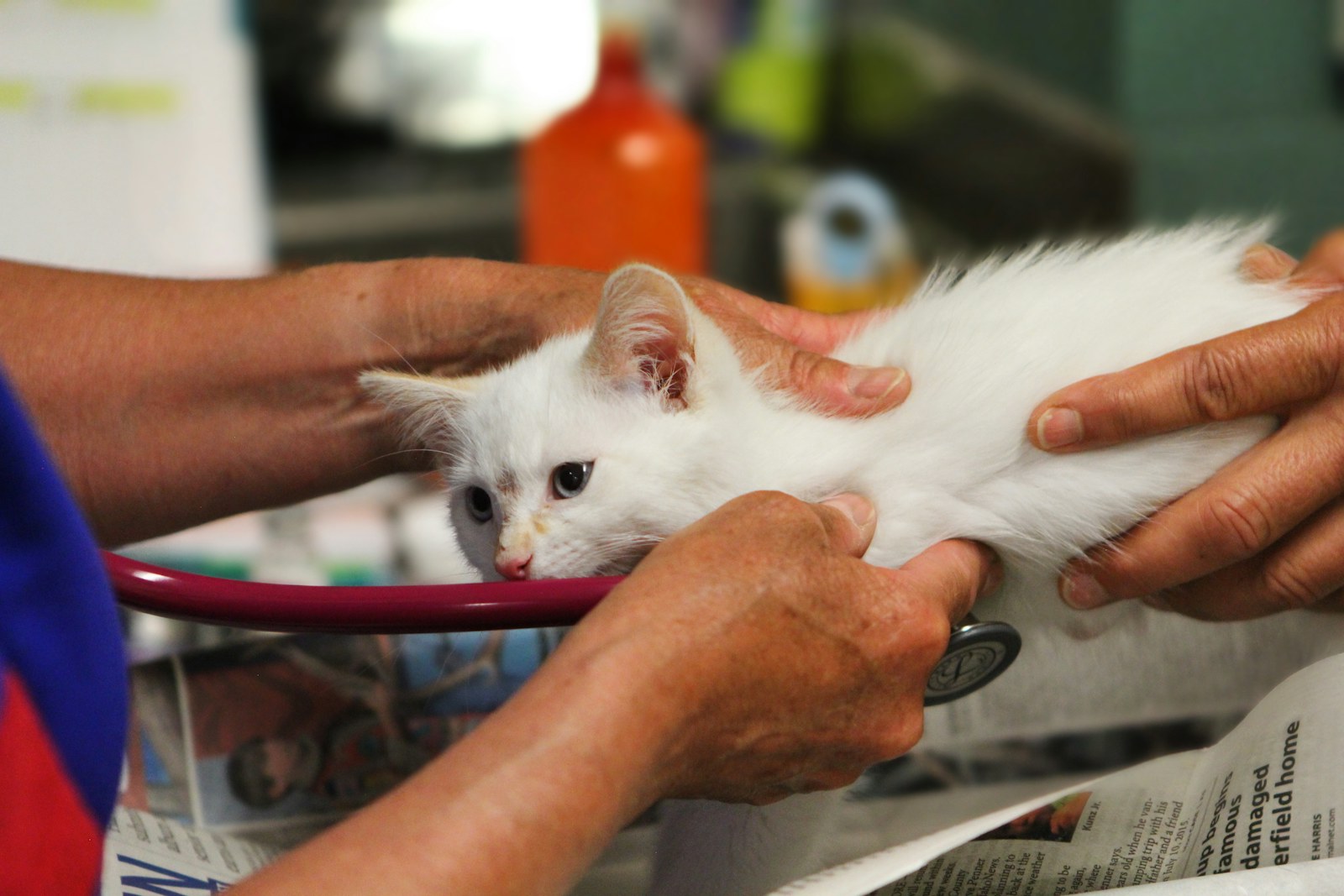
As a cat parent, it’s recommended that you take your fur baby to the vet at least once a year for an annual examination, even if she seems perfectly fine. Cats are especially good at concealing when something’s wrong.
Some cats require more frequent vet visits, depending on factors like:
- Life stage
- Existing medical conditions
- Medications or ongoing treatment
- Previous examination findings
- Lifestyle and individual health risks
Senior cats and cats with chronic conditions can benefit from more frequent visits to the vet, but the right interval should be determined individually. Depending on your cat, preventive veterinary care might include a physical exam, dental evaluation, weight assessment, and a discussion about any changes in behavior at home.
During your cat’s annual examination, review his vaccination status to see what’s due. Different vaccines and products have different revaccination schedules. Not to mention, your cat’s individual vaccination schedule should be planned around factors like age, health, lifestyle, exposure risk, geographic location, and vaccine history.
While you’re there, ask your vet to scan your cat’s microchip, and log in to the registry to make sure your phone number and address are still current.
Remember, if anything concerning changes, don’t wait for that annual appointment. You know your cat best.
8. Yearly and After Changes: Update the Plan
At least once a year, think about the routine you’ve been following and whether it still suits your cat today. Her healthcare should evolve throughout her lifetime. As her life stages and individual circumstances change, her nutritional and environmental needs, behavior, dental care, parasite control, and preventive healthcare can also change.
You may need to review your routine sooner if a major change happens. Consider an evaluation after things like:
- A new diagnosis
- Starting or changing medication
- A significant weight change
- Diet changes
- Changes in mobility
- Moving
- Adding or losing another pet
- Changes in the household
- New behavioral or stress issues
What worked for Fred when he was a kitten may not work now that he’s over ten. As an older cat, he may have difficulty climbing to his favorite resting place or using a high-sided litter box. Adapting his environment to his changing needs helps address accessibility concerns.
Adding another pet to the family may require a routine change. This is particularly true when adding another cat, as litter box needs, resting areas, feeding arrangements, scratching resources, personalities, and individual stress levels all need to be managed.
Your maintenance schedule should function like a tool, not something set in stone. It must be flexible enough to respond to your cat’s changing needs.
A Little Routine Makes Cat Care Easier
Once you establish a maintenance routine, you don’t have to worry that you’re forgetting something. When you keep up with these little maintenance jobs, you can more easily notice changes in your cat’s behavior, keep her environment comfortable, and stay ahead of her everyday needs. Your cat will appreciate the extra organization, so you can spend even more time doting on her every whim.
Writer and lifelong cat lover who shares her home with her fiancé and 14 rescue cats.
An emergency veterinarian with a special interest in feline medicine — and a self-proclaimed cat lady with six cats of her own.