10 Ways to Make Car Rides Easier for Cats
 By Lindsay Jones
 ✓Medically reviewed by Dr. Lindsey Mortlock
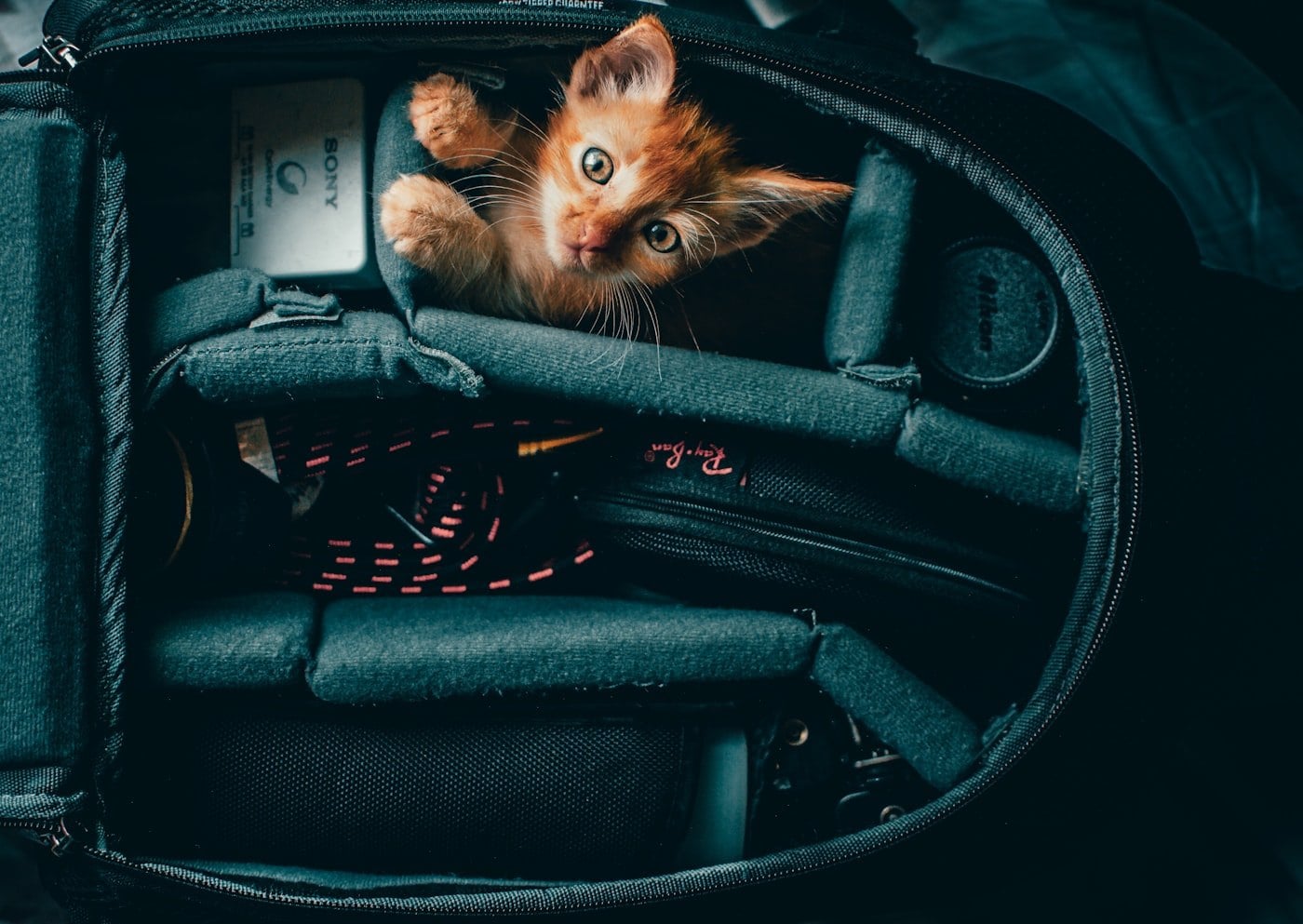
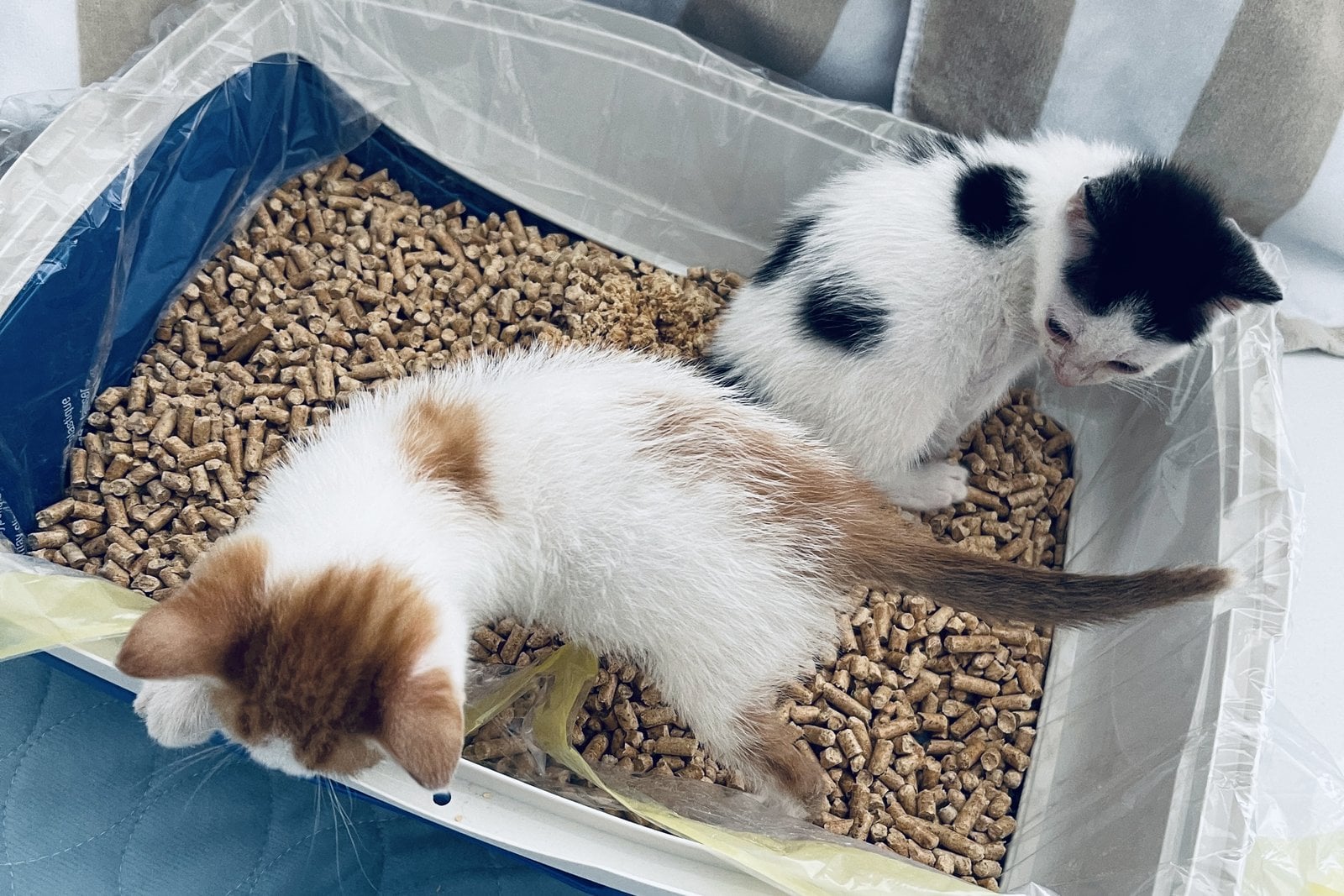
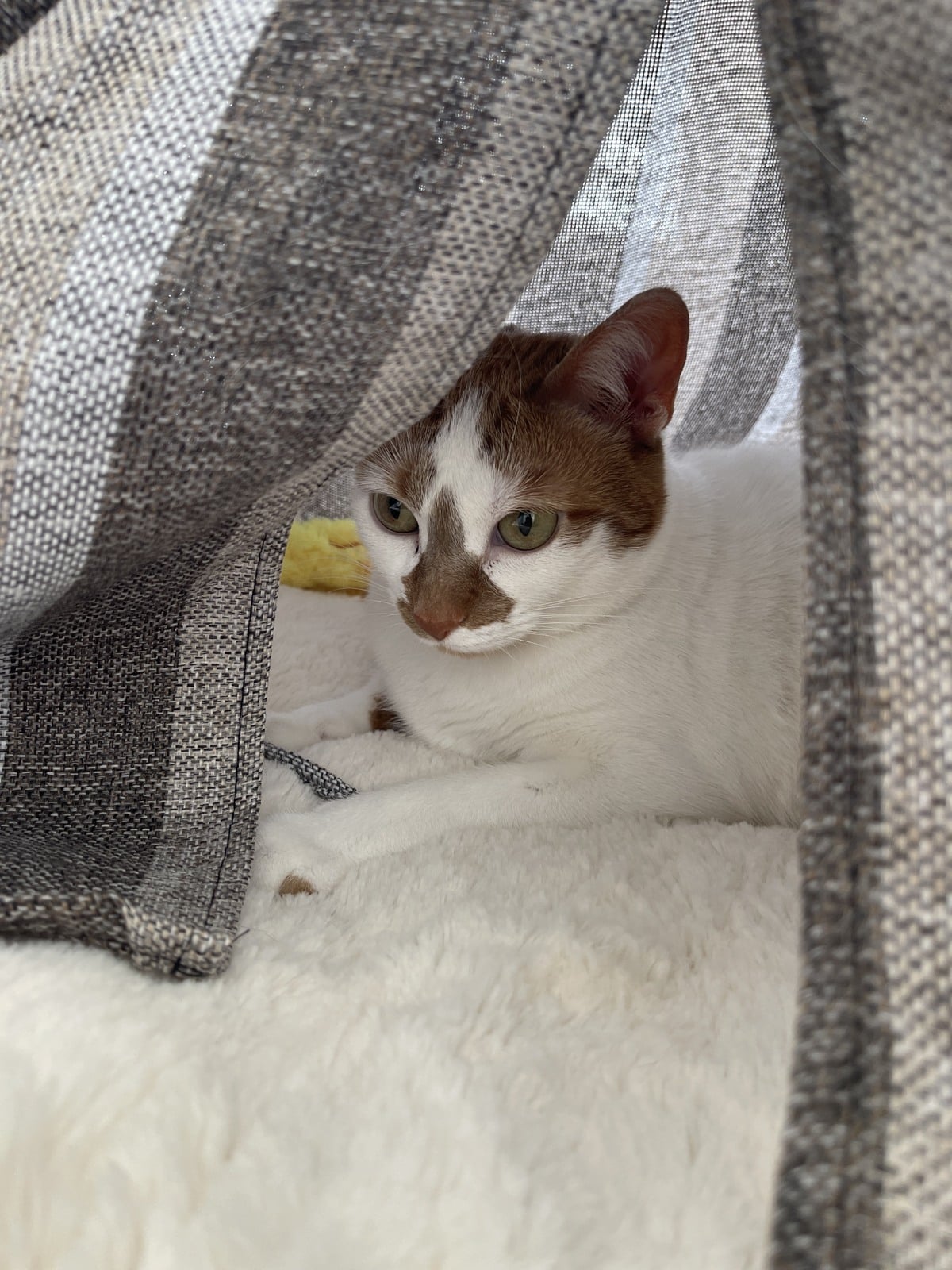
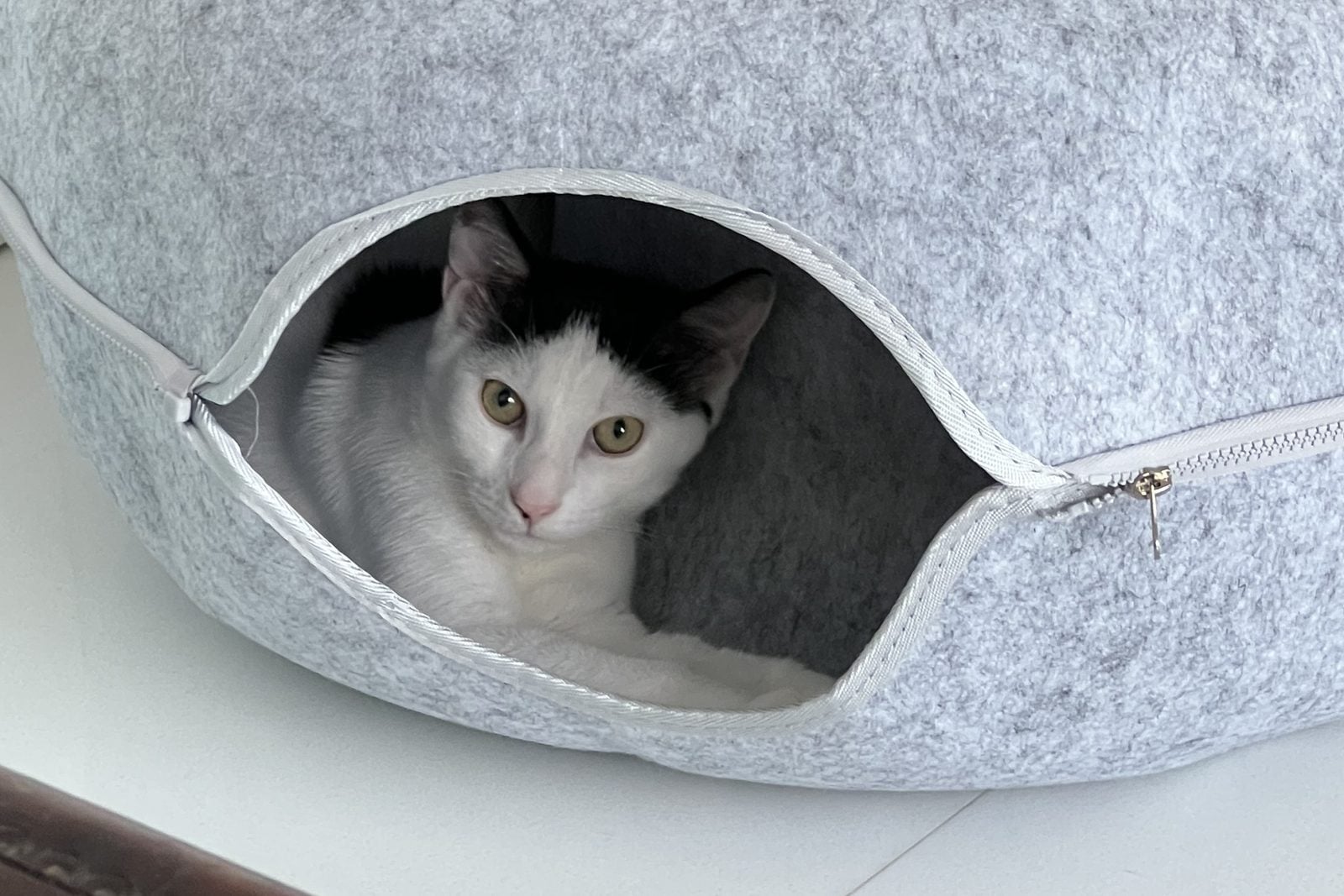
Our two cats, Thelma and Louis, got their names because they were rescued from a car (an Uber to be exact!). The driver was about to head to the airport when they heard meows coming from the engine. Sure enough, two-week-old kittens were there, as cute as can be!
Some links are affiliate, so we may earn a small commission at no cost to you. Every purr-chase keeps two very demanding cats in treats. Our policy →
Now just because our cats were FOUND in a car, doesn’t mean they like to be in it! As kittens they were ok on short trips to the vet, or even when we picked them up from their foster home on the day we adopted them (the best day ever!). But as they grew older or the distance got longer, they would yelp and cry. Thelma has had to go on the longest rides (an hour each way one time to go to a specialist) and the first time she did she was visibly shaking in her carrier. I was driving with her alone and actually called my husband Cory because I was so nervous and wasn’t sure if I should pull over. Thankfully the next few visits I went on with her she was better. Louis on the other hand loves to scream after about 20 minutes in the car. The last visit to our old vet went like that, which is extremely stressful when you’re nervously driving your cat to the vet (he had a scratch on his eye and I wanted to get him there before they closed for the weekend), which is why we now have a mobile vet come to us instead. This way we just carry our cats down in their carriers to the truck, and they do fine with that (they don’t mind their carriers, thankfully).
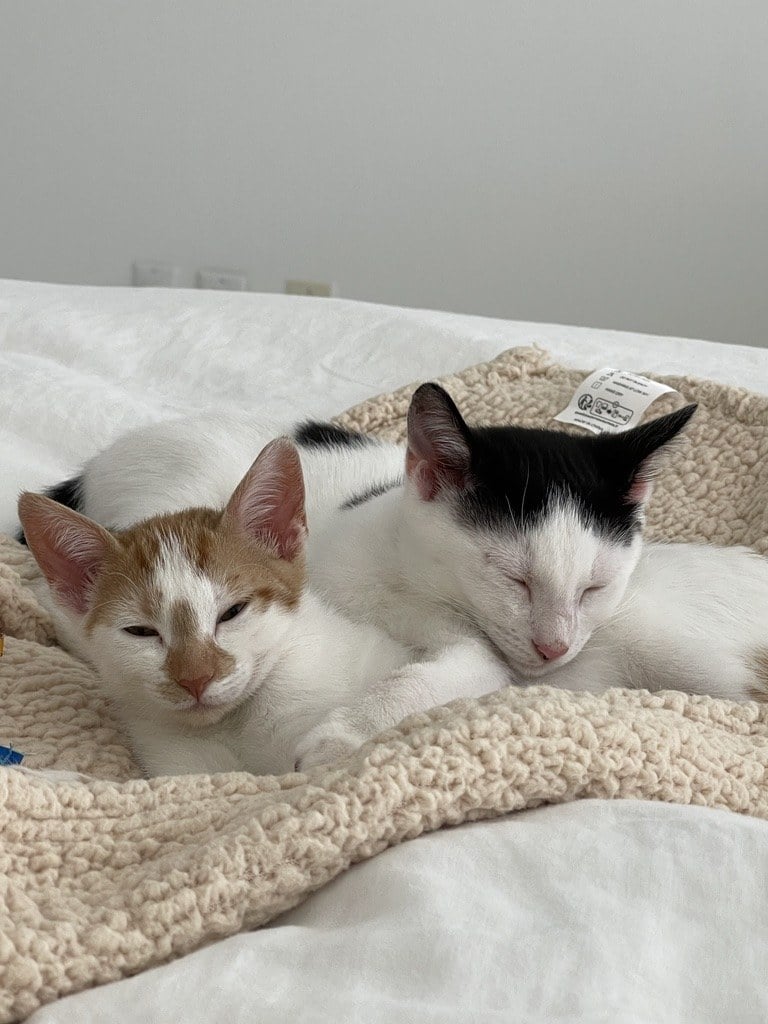
All that to say there is a world where I WANT to take our cats in the car for longer rides. In my dream scenarios we can take them on road trips with us and they can look out the window in a special cat car seat and a harness and explore the world. But, baby steps first! Let’s start with normal rides first!
If you want to learn how to calmly get your cats from point A to B (not necessarily on a car adventure) follow these tried and true tips.
Pick a hard-sided carrier that fits your cat
The plastic, hard-sided carriers are a little boring, but they are often considered safer for cats who are prone to panicking. But the truth is it depends what works for your cat.
Thelma and Louis really like their carriers (listed below) and I can’t imagine using a hard carrier unless for some reason we had to. These are easy to store, cozy for the cat, and because they are pretty calm in them they work for us.
The point is to buy a carrier that fits your cat, not only their size but their temperament.
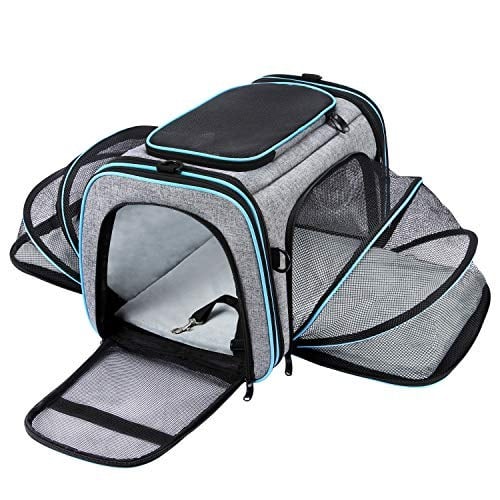
MASKEYON Soft-Sided Airline-Approved Carrier
The soft-sided carrier we use now, after the cardboard ones finally gave out. It opens from the front and the top, and lowering a nervous cat in from above beats wrestling them through a tiny door.
Where should the carrier go?
I recommend placing it either on the floor behind the front seat or in the back seat, with the seat belt threaded through the handle (or around the carrier) and buckled. The carrier shouldn’t be placed on the passenger side, because it’s more prone to slide if you have to stop suddenly. You also never want to put a carrier on your lap, as it’s both dangerous for you and your cat.
Some carriers are designed to work with seat belts, so it’s worth looking for one of those when you buy your new carrier.
Let your cat get used to the carrier
If you only take the cat out of the carrier on vet days, they’ll learn quickly that it’s a bad place to be. Instead, let your cat get used to it. Leave it out in a room where your cat already likes to spend time and leave the door open. Put a blanket inside that smells like home, then let them explore it on their own schedule. Try leaving a treat or two in it. You can also try feeding them near it or giving them a lickable treat while they’re inside.
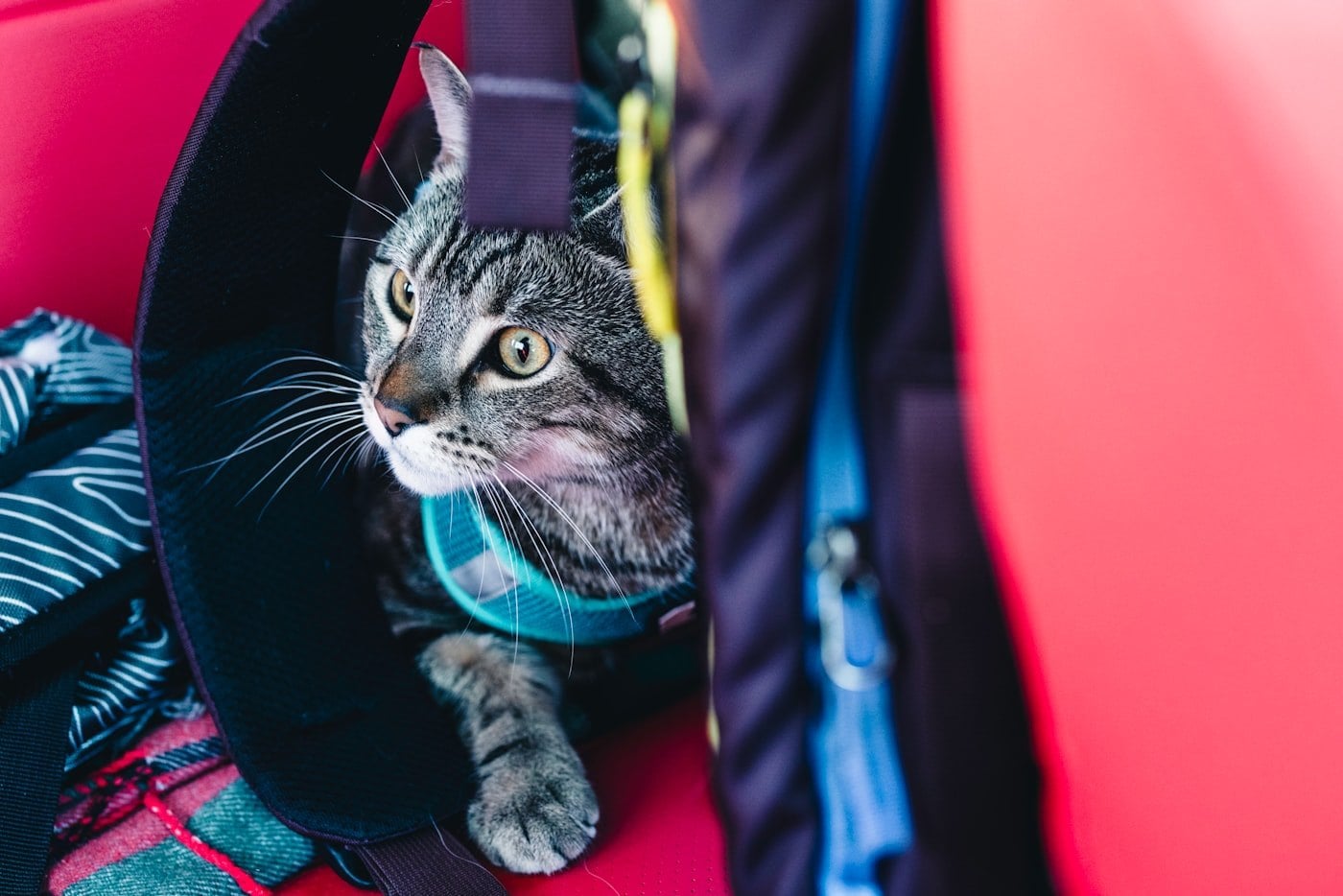
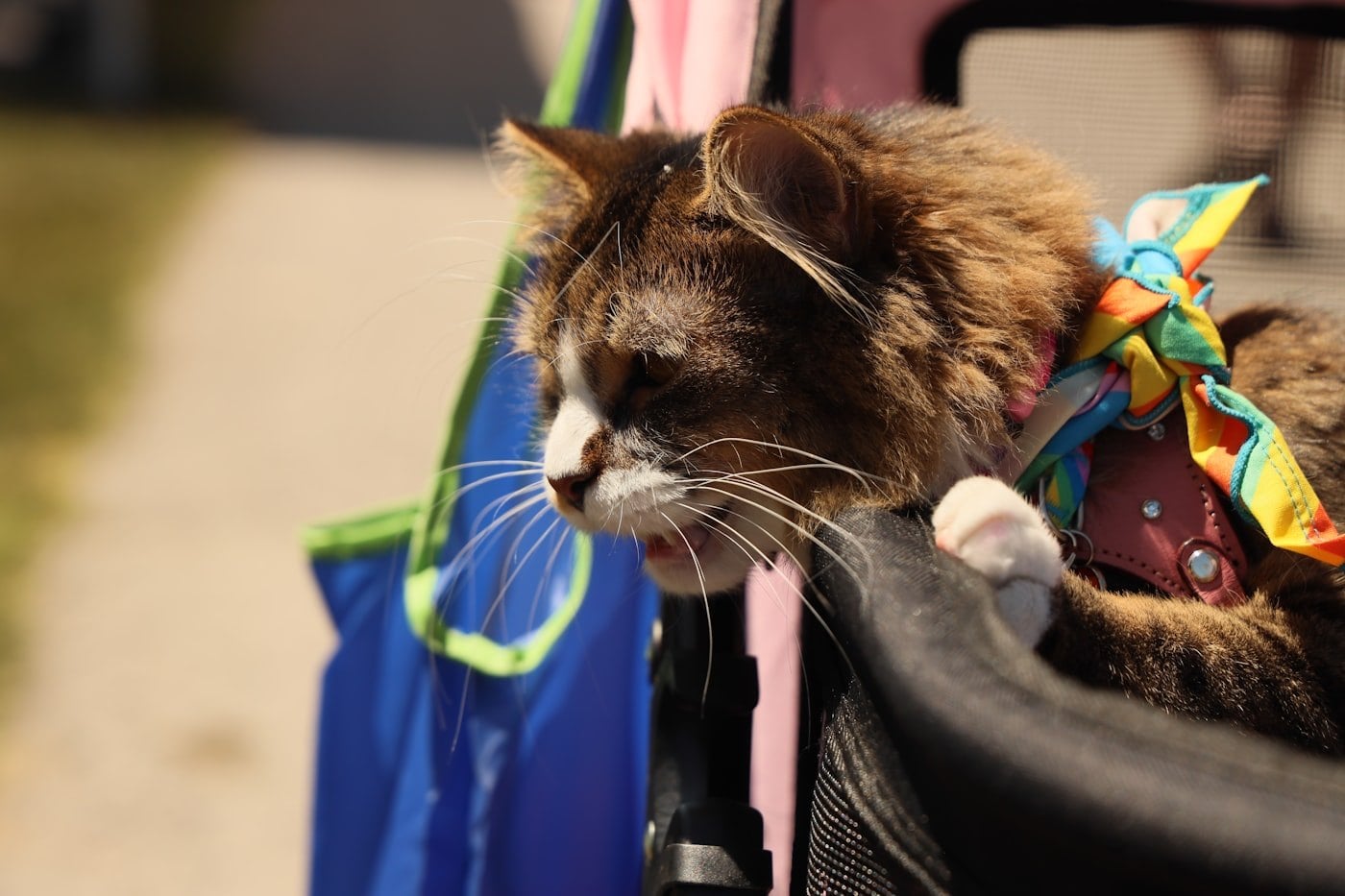
For some reason our cats love when the carrier is out. They will go inside of it and hang out and even nap. Same when we have their stroller out. They’ve learned to associate it with hanging out vs. “oh no, the carrier is out I’m going to the bad place!”
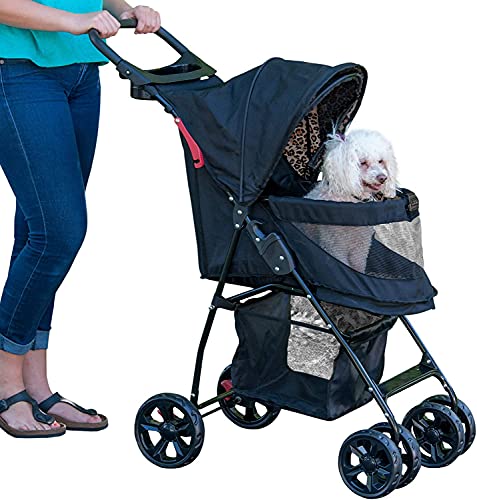
Pet Gear No-Zip Happy Trails Lite Stroller
The stroller we use for Thelma and Louis. The cover latches securely instead of zipping, which was the nonnegotiable part for me, and it folds flat when you're done.
Let your cat get used to the car
Before you start driving, put the carrier and your cat in the car, then sit there for a couple of minutes with the engine off. Talk to your cat like you would normally; make it sound like nothing is wrong. Repeat this a few times over the next week or so.
Then repeat it again with the engine running and the car parked in its usual spot. This helps the cat get used to the smell of the car, the sound of the doors opening and closing, and the feel of the seat before anything else happens.
This all sounds kind of tedious; it is a little bit, but it’s only ten minutes a day and it’ll save you from a decade of miserable trips to the vet!
Use pheromone products
There are pheromone products available that help some cats feel more at ease in the car. The vet we used to go to would spray it in the room before we go there.
These sort of products are helpful to use alongside items that smell like a safe place (IE: their favorite blanket placed inside). If you do use a pheromone product, spray them on the blanket and inside the carrier well before placing the cat in it. Don’t do this while the cat is in it, since the scent itself may be unpleasant to cats.
These can take time to work, so don’t expect miracles. The goal here is not to make your cat completely calm down, just less tense (which will help a lot on long drives).
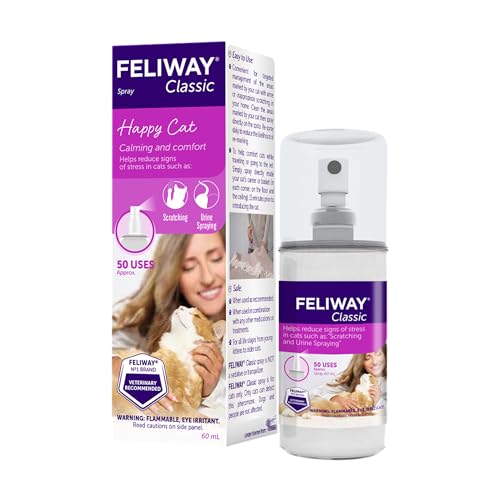
FELIWAY Classic Cat Calming Spray
The pheromone spray most vets reach for. Spray the blanket and the inside of the carrier well before the cat goes in, never with the cat inside.
Cover the carrier
Sometimes it helps to cover the carrier with a blanket or light towel. This helps more than pheromones for most cats because they’re good at seeing things, and covering it makes the carrier feel like a hiding spot.
You can place the covering over the sides and top, leave the front of the carrier open for circulation and so you can also see your cat. Just don’t use something too heavy that traps heat. And remember to never, ever leave your cat unattended, and never leave your cat (or any animal) in a car alone.
Use quiet music
When your cat is in the carrier, it can’t see much of what’s going on around it, so it’s relying heavily on its ears. If you put on the radio at a volume that would be normal for you when you’re driving alone, it’s probably pretty loud from inside the carrier.
If possible, keep the music low (or skip it altogether), or use something slow and quiet instead. There’s not a lot of science behind the type of music cats prefer, but I lean towards classical or soothing spa-like music. Just avoid anything with a lot of bass, and don’t turn up the volume suddenly. Also avoid podcasts that have lots of people laughing out loud or yelling.
Don’t feed your cat right before you leave
Cats have a tendency to get carsick, especially if they’ve eaten something right before the trip begins. If your cat is full of food or treats, it may end up vomiting in the carrier, which is not fun for anyone involved.
So be sure to skip feeding your cat for a few hours before you leave. Keep water available right up until departure, and feed your cat a treat or small snack when you arrive at its destination. If a short trip ends with a vomiting cat, talk to your vet about using medication to prevent motion sickness.
We also like to use waterproof cozy blankets that are there in case one of the cats has to pee or something worse. Honestly it’s never happened (cats are pretty good about holding their bladder) but it’s there in case of an accident.
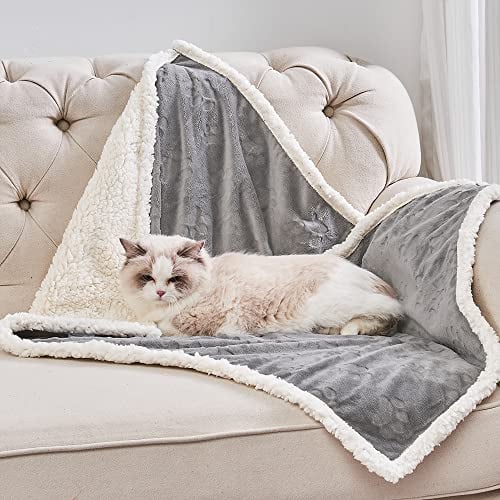
Qeils Waterproof Washable Cat Blanket
A soft waterproof layer for the bottom of the carrier, so an accident on the road stays in the wash and not in the car.
What the ASPCA says about cats in cars
The ASPCA’s travel safety tips line up with all of this: keep the cat in a well-ventilated carrier big enough to stand, sit, lie down, and turn around; get them used to it with a series of short drives that gradually get longer; give a light meal three to four hours before you leave and never feed in a moving car; and never leave a cat alone in a parked car, because on a hot day a closed car becomes a furnace fast enough to cause heatstroke, and in cold weather it holds the cold the same way.
Start driving around the block
Once your cat has gotten used to sitting in a parked car with the engine running, start driving around the block once or twice. Then go somewhere (like a coffee shop) and come back. Each time you do this, you’re helping your cat form opinions about what happens in this weird, car environment.
Some cats love it. When I moved across the country, my cat seemed happy about smelling the air outside the car and being in a different pet friendly hotel every night. Though, I also know cats who get VERY stressed out when they have to move. It’s easier to acclimate them when they’re young, I’m sure a young cat would be just fine with a long car ride twice a month.
— via Reddit.com
Drive like you would drive with a baby
Cats are very good at reading people, and they know when we are tense or worried. A driver who is talking in a high-pitched voice at every light and checking on the carrier might be telling the cat that something is wrong.
Instead, imagine you have a little baby who is napping in the back seat: talk smoothly, quietly, and act like you would at home.
These tips should help your cat get accustomed to the car, and maybe even learn to enjoy it. We’re not personally there yet, but we hope to be!
Do your cats like being in the car? What helped them enjoy it (or at least tolerate it)?
Founder and editor of Cat Seat and cat mom to Thelma and Louis. She’s been writing online since 2000.
An emergency veterinarian with a special interest in feline medicine — and a self-proclaimed cat lady with six cats of her own.
Hi! I’m Lindsay. I run this site alongside my hubs Cory and our very opinionated cats, Thelma and Louis. We’re so happy you’re here!