The Best Low-Light Houseplants That Are Safe for Cats
Choosing plants that will thrive in your home’s lighting is already a challenge on its own. Adding cats into the mix brings a new level of concern.
A home with little natural sunlight might not seem like the ideal spot for plant life, but plant lovers shouldn’t panic. There are plenty of plants that can thrive without direct sunlight. Low light doesn’t mean no light. Instead, it means plants can properly grow with only a small window or several feet between the plant and sunbeams.
Now, if you’re a cat parent on top of a plant enthusiast, it’s crucial to make sure your plants are safe. Your cat’s world exists inside your home, so they should be able to explore without accidentally interacting with something toxic. While cat-safe plants aren’t intended for cats to eat, they won’t cause any serious pain or medical concerns if your cat takes a curious nibble.
So, what are the best low-light houseplants for a home with cats? The following can grow without direct sunlight while keeping your cat’s home hazard-free. Every plant here is on the ASPCA’s non-toxic list for cats, and each section links to its entry.
1. Cast Iron Plant
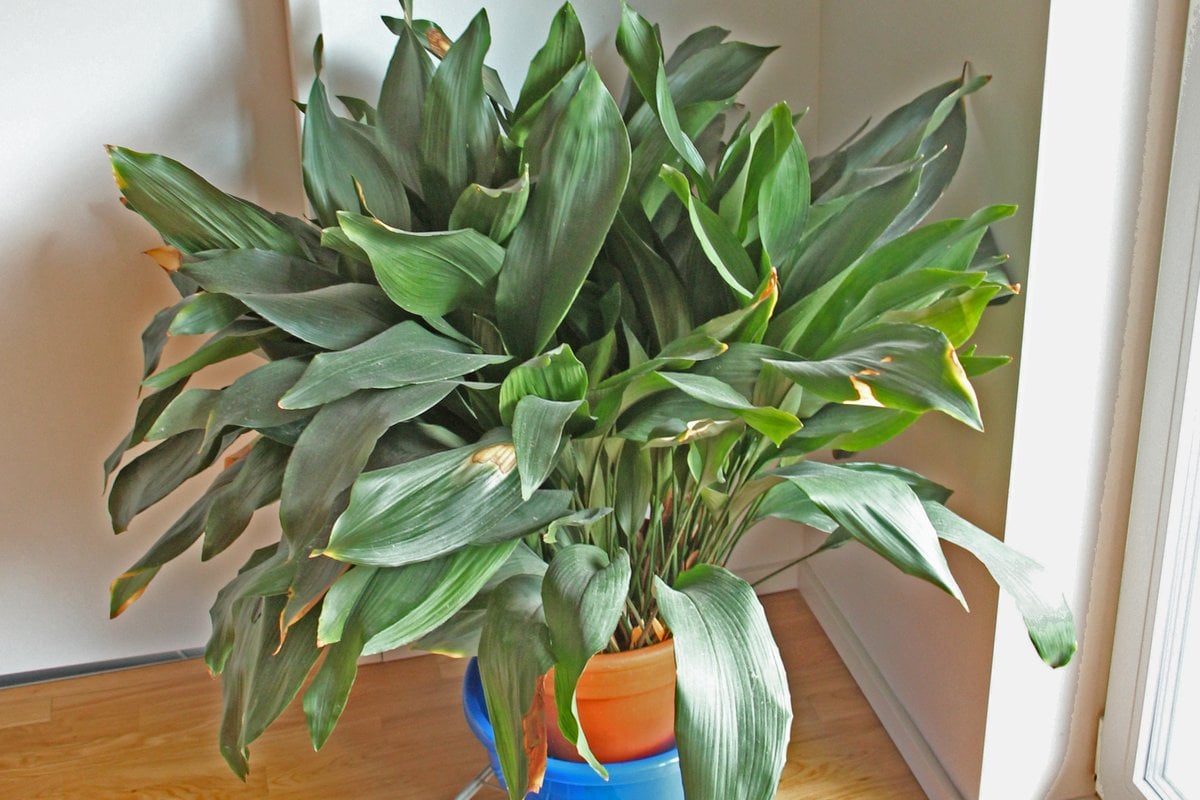
Aspidistra elatior, more commonly called the cast iron plant, is an evergreen plant that grows up to two feet tall. Its broad green leaves grow upright, helping it easily fit into corners of your home.
Cast iron plants grow best in partial to full shade, making them the perfect contender for a low-light household. While this plant isn’t good for cats to eat in large quantities, an occasional chomp poses no harm.
To help cast iron plants grow properly in a shady corner, include rich, well-drained soil in the pot. The plant should be watered regularly to keep the top few inches of soil damp from spring to fall. Then, watering should become less frequent in winter months.
2. Parlor Palm
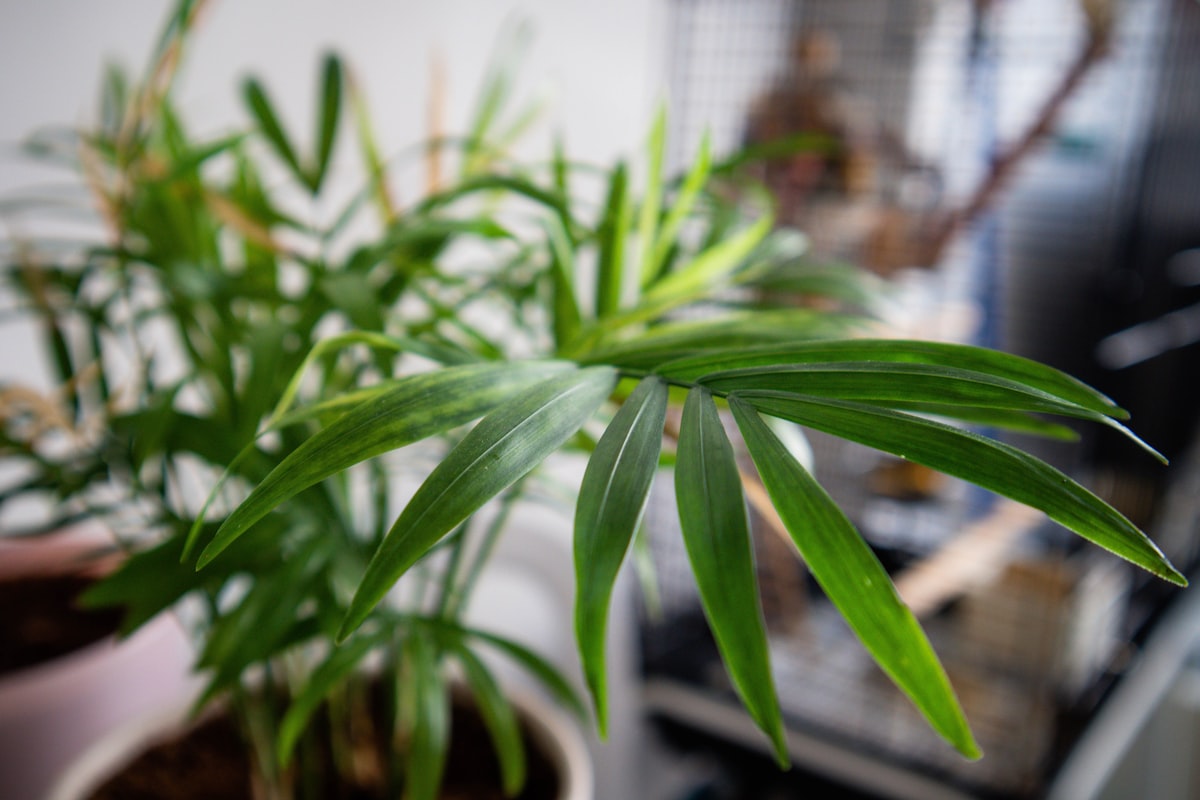
The parlor palm, identified as Chamaedorea elegans, is a beautiful indoor palm. It has feathery fronds that grow from rich, moist, and well-drained soil.
This plant frequently appears in the corners of offices and living rooms because it can survive indoors with little to no light. Although, brighter indirect light helps this palm thrive. It’s also non-toxic to cats, according to the ASPCA.
Parlor palm stems can grow up to five feet indoors, but the growth rate is extremely slow, sometimes taking years to reach the full height. To help achieve a healthy growth rate, avoid overwatering. If the soil holds too much moisture in one spot, the roots may not get the oxygen they need.
3. Lady Palm
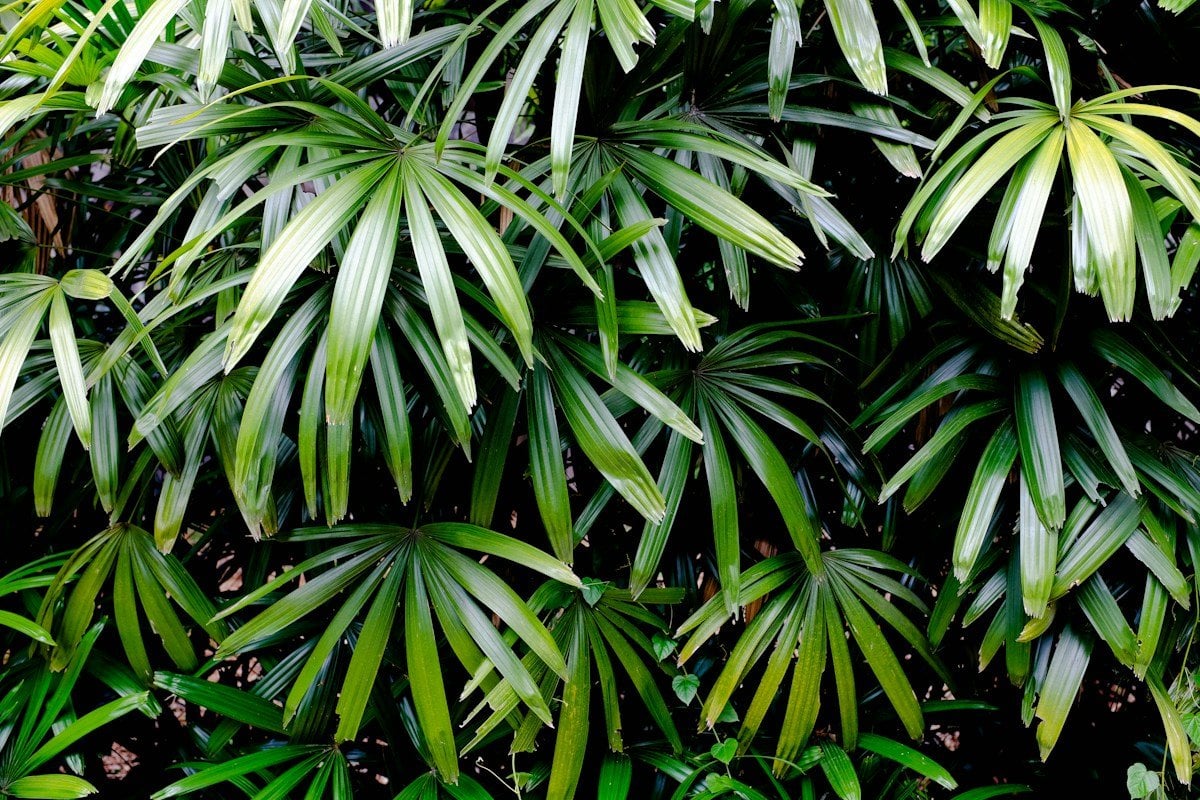
With fan-shaped leaves and clustered stems, the lady palm adds an exciting feature to a room without affecting your cat’s routine. Known as Rhapis excelsa and formerly Rhapis flabelliformis, this tropical evergreen plant prefers indirect sunlight and can withstand deep shade for part of the day.
Indoors, lady palms typically grow 4 to 6 feet tall, making them great floor plants to put near doorways. Just make sure the plant has some space around it to grow on all sides. These plants are tolerant of the occasional draft in the winter, but they still need well-drained potted soil like other palms.
Most cats are less likely to bat at the large leaves of a lady palm than feathery hanging plants. Even though the leaves aren’t toxic, make sure your cat doesn’t chew on them too much due to the large fibers.
4. Kentia Palm
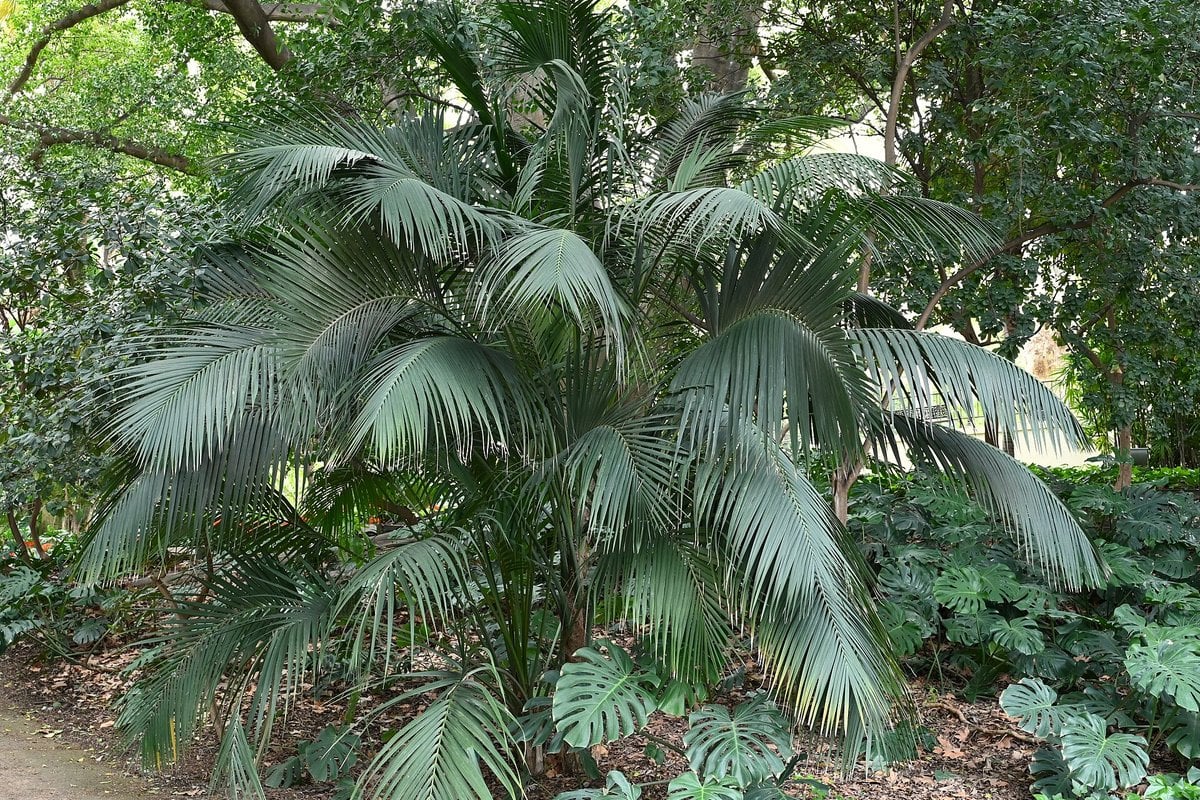
Kentia palms (Howea forsteriana) have a unique shape from the other low-light, cat-friendly palms. Their long, arching fronds act as feathery canopies that need some space to spread out in your home.
These highly adaptable palms can survive in a variety of temperate regions, but they don’t do well in extreme temperatures. While lower light is okay sometimes, moderate sunlight works best for these plants.
Growing 6 to 12 feet tall in a home, kentia palms should have plenty of space to grow and stretch out. Keep the plant frequently watered, especially outside of winter months, but avoid overflowing it with water.
5. Spider Plant
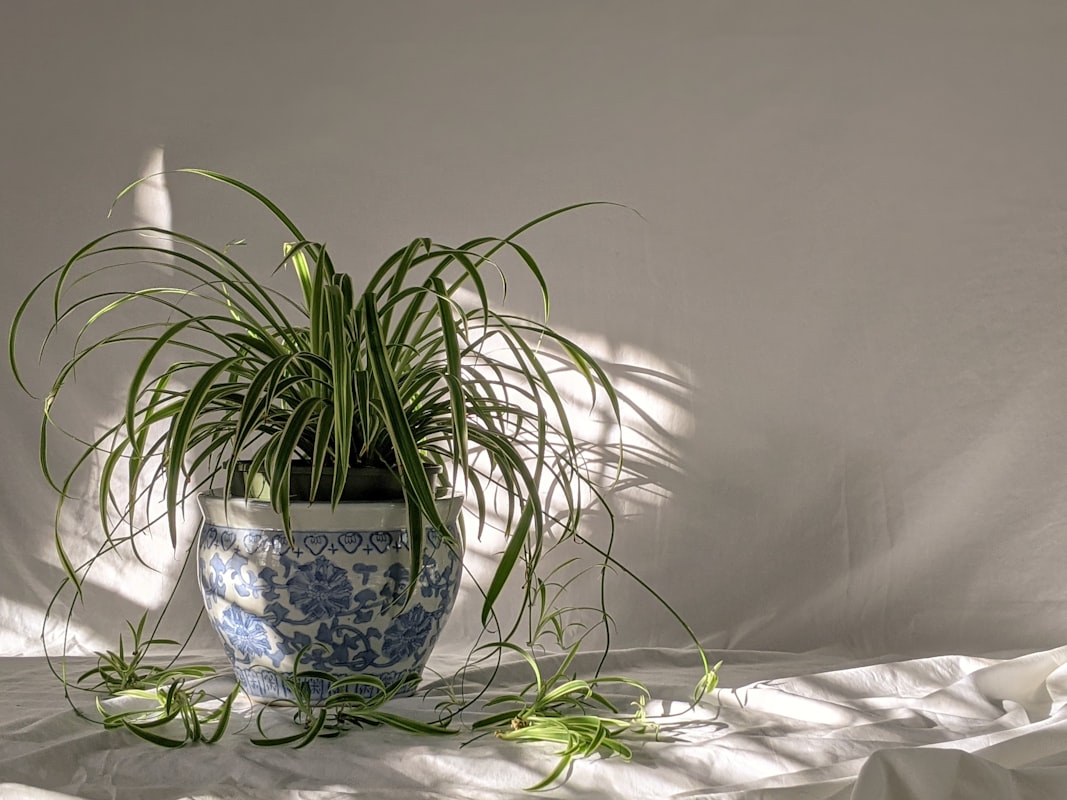
Don’t be alarmed by the spider plant’s name. This plant doesn’t attract spiders, but instead, it gained its title because the narrow arching leaves slightly resemble spider legs.
Known as Chlorophytum comosum, this is one of the most common household plants. Its low risk to pets is a huge appeal, but it’s also popular for its high tolerance to various conditions. While low-light environments are okay, spider plants thrive in medium light year-round.
Spider plants work best when placed on a shelf or hanging planter. Curious cats may bat at the long leaves, so consider keeping the plant out of reach if possible.
6. Prayer Plant
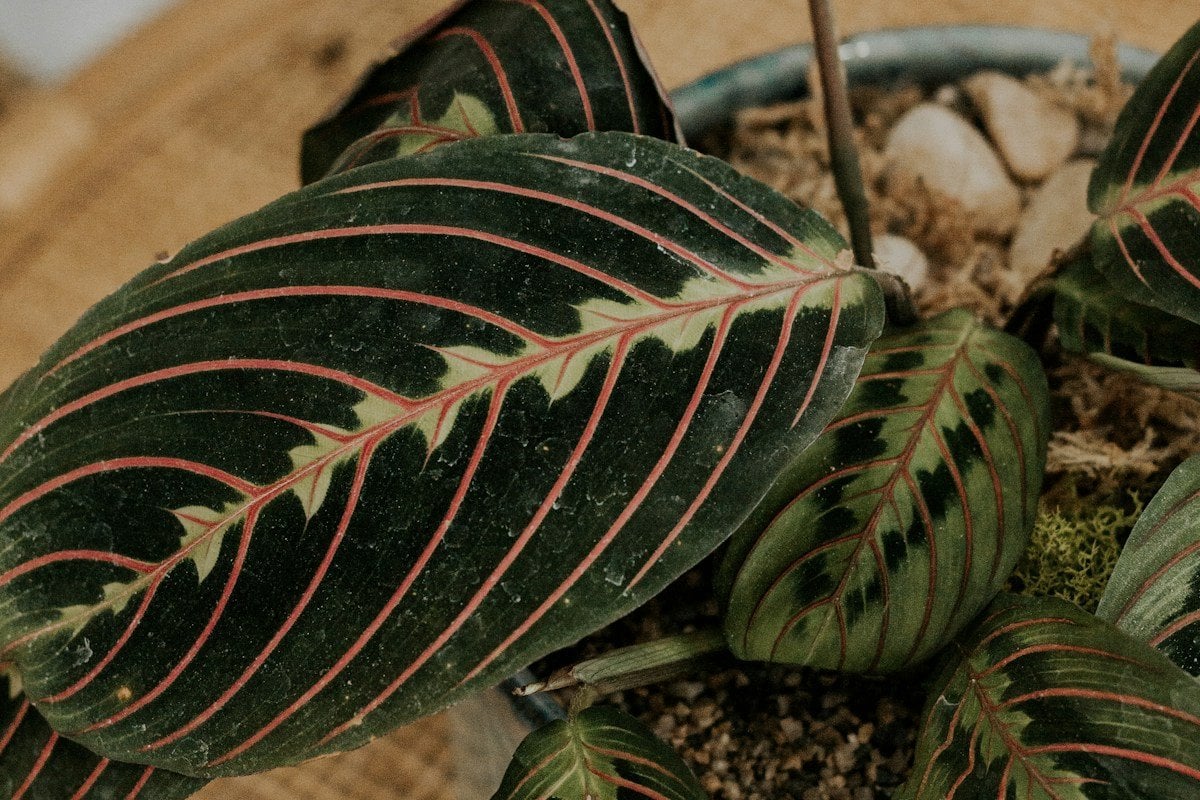
Maranta leuconeura, often called the prayer plant, has beautifully patterned leaves that reposition throughout the day. The leaves lower during the day to gather as much sunlight as possible and raise straight up at night, looking like hands praying.
Despite the shifting leaves, these plants don’t thrive in sunlight. Low to medium lighting is ideal. Anything more could cause discoloration, affecting the beautiful patterns on the plant. The ASPCA lists the prayer plant as non-toxic to cats.
These plants might not have complex lighting needs, but they require more attention than other low-light plants. The soil should remain consistently moist, possibly in a humidified room or a wet pebble tray to keep humidity high.
7. Baby Rubber Plant
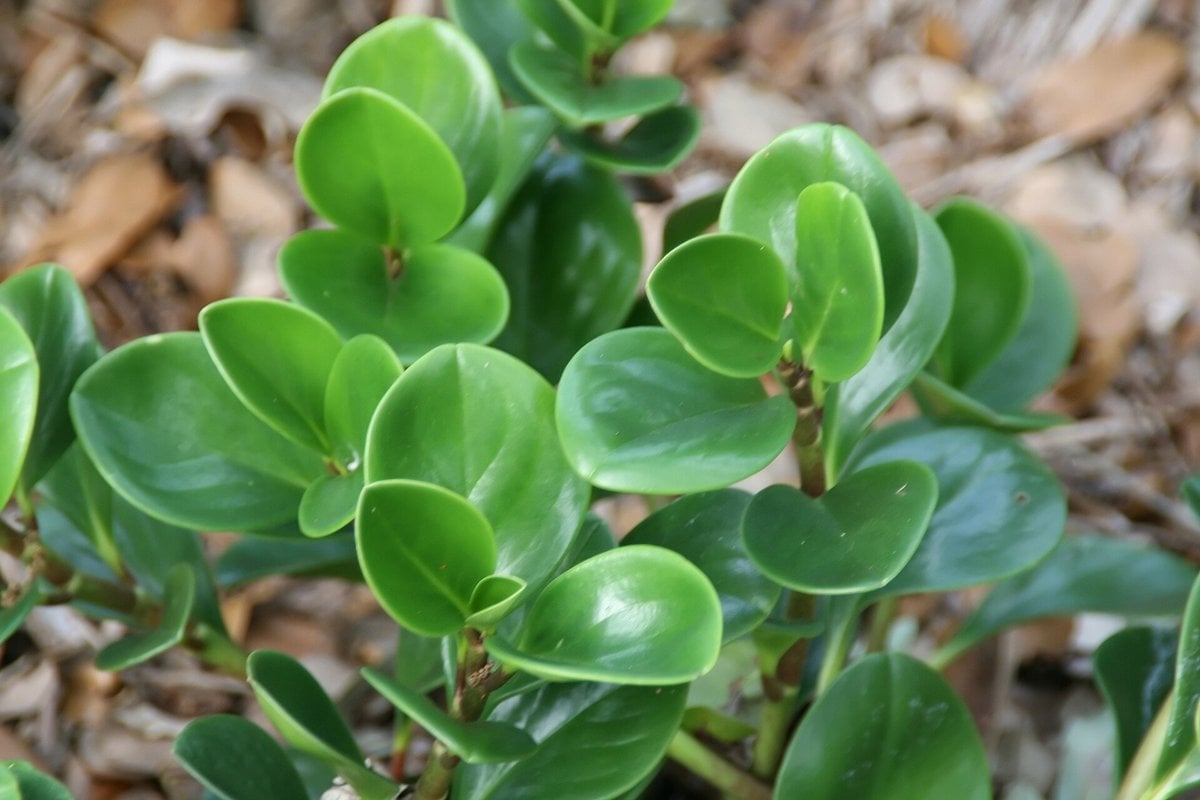
As the name implies, the baby rubber plant (Peperomia obtusifolia) looks like it could be made out of rubber. The compact plant has thick, glossy leaves that look almost too perfect to be real.
These slow-growing plants prefer indirect light, making them a nice addition to the shady areas of your home. Green, non-variegated forms are especially great at tolerating low-light conditions for months on end.
It’s important to note that the baby rubber plant is different than the Indian rubber plant (a ficus, not a peperomia). The latter is toxic to felines, so carefully double check the scientific name before purchasing.
8. Emerald Ripple Peperomia
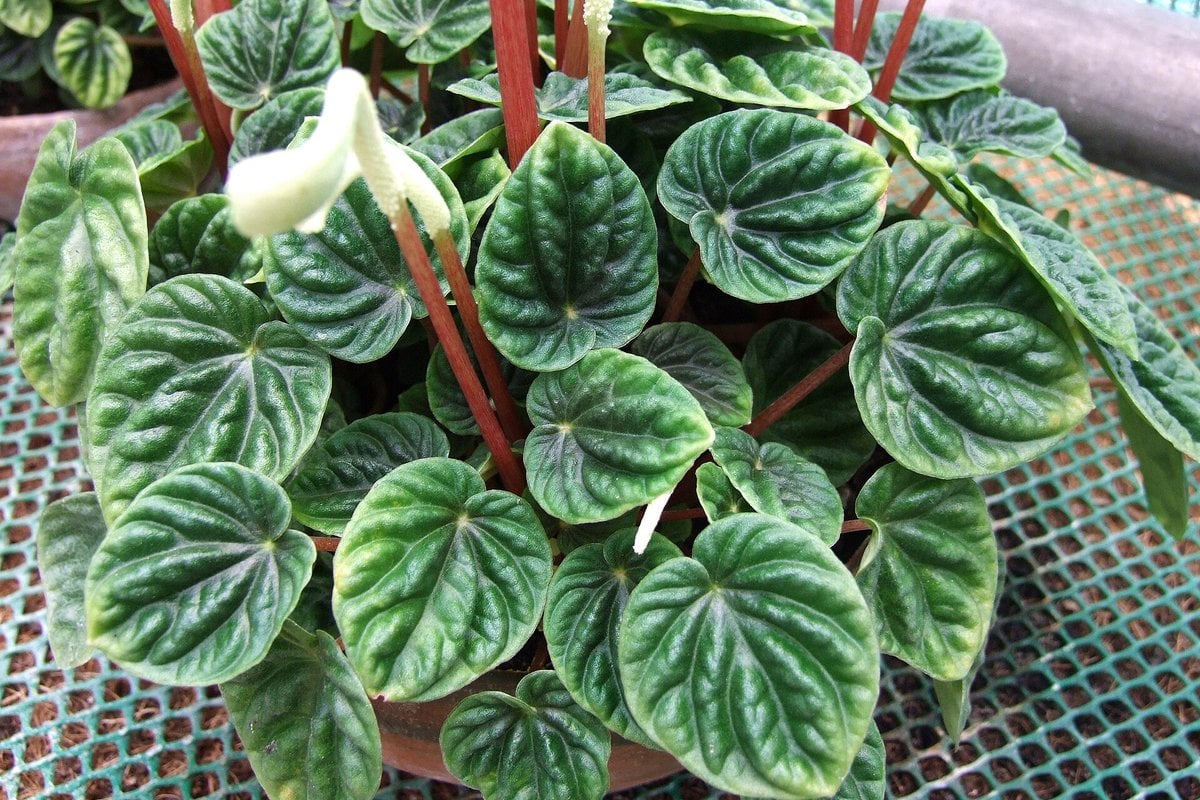
The emerald ripple peperomia, identified as Peperomia caperata, looks like a work of art. The highly textured leaves give it a distinct pattern and shiny edges.
Even when full-grown, these tropical plants take up little space indoors. A table or desk near a window is the perfect location. The fascinating appearance of these plants can be fun to glance at when working, but it’s a good idea to keep the pot out of reach from mischievous cats who might paw at the leaves, even though it’s non-toxic.
Medium light works best, but these plants can survive in low light conditions for several months with little stress. These plants also need medium to low humidity. The soil should dry between waterings since soil that’s too wet or too dry could hurt the plant’s growth.
9. Boston Fern, “Dallas” Selection
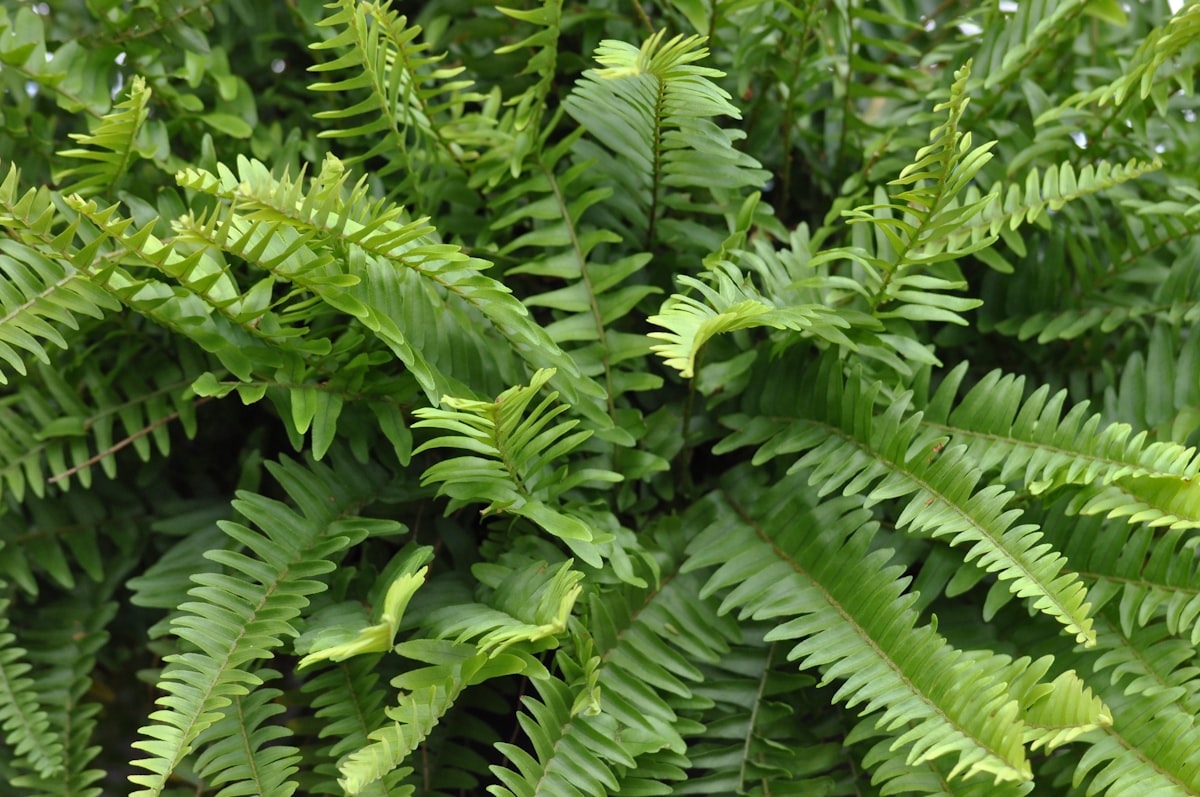
The Boston fern (Nephrolepis exaltata) is a pet-friendly plant, but its need for medium bright light isn’t suitable for low-light homes. Instead, the “Dallas” or “Dallas Jewel” variety of this feathery plant is the way to go.
Dallas versions of the Boston fern are a small cultivar that can tolerate low light and less humidity. They should be placed in a spot that receives bright but indirect sunlight, such as in a bathroom, kitchen, or laundry room. Other types of Boston ferns have their own unique needs and shouldn’t be treated as low-light plants.
Due to the hanging fronds, these ferns look great in plant stands and hanging planters that cats can’t reach. Offer consistent moisture without waterlogging the plant.
10. Japanese Holly Fern
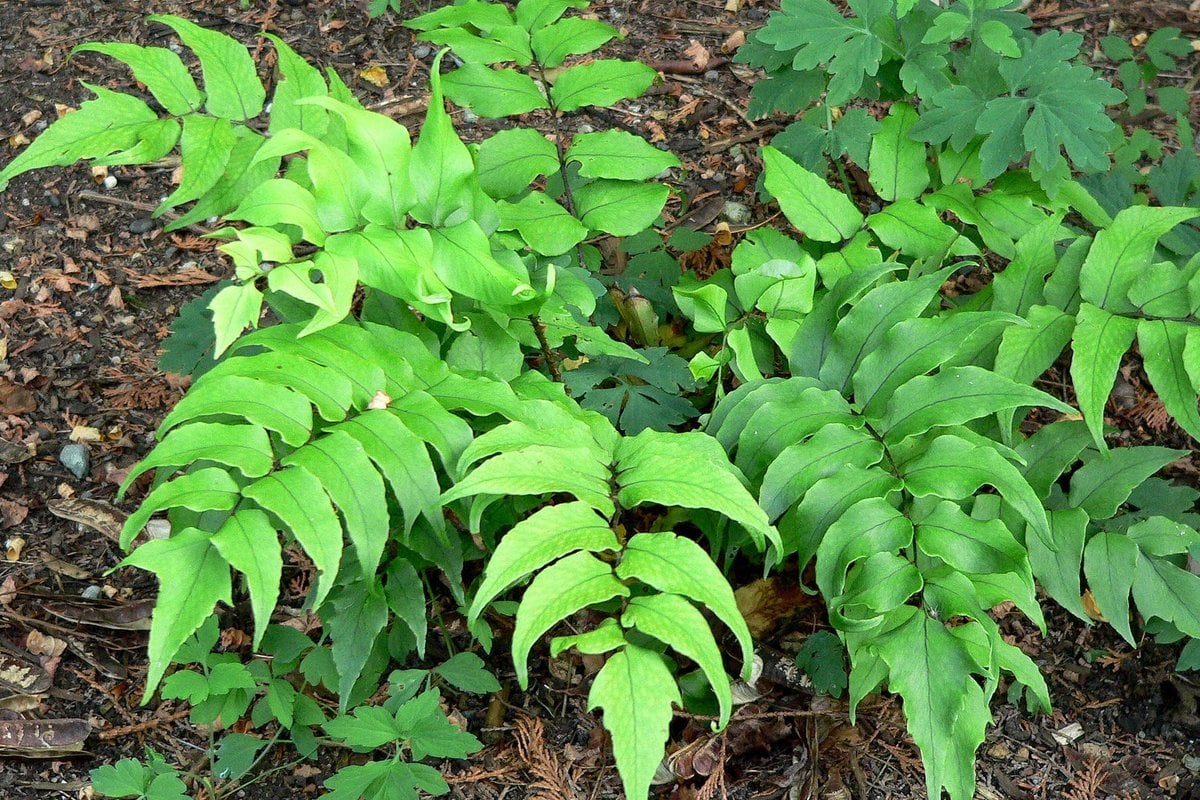
Compared to finer-leaved ferns, the Japanese holly fern stands out with thick, dark, and glossy leaves. This species, identified as Cyrtomium falcatum, is easy to grow both indoors and outdoors because of how it thrives in partial or full shade.
Find a dim spot in your home to protect this plant from direct sunlight. Low-to-medium light is okay, but too much sunlight can damage the plant’s growth and health. Keep up with regular watering and avoid letting temperatures dip too much since cold weather could cause fronds to fall off the plant.
The term holly fern isn’t interchangeable with holly shrub. Holly shrubs (Ilex opaca) are toxic to many animals and should never be kept near cats.
Two lookalikes to double-check before you buy
Common names overlap in ways that matter here. The baby rubber plant is a peperomia and sits on the ASPCA’s non-toxic list, but the Indian rubber plant is a ficus, which the ASPCA lists as toxic to cats. Same story with the Japanese holly fern (safe) versus actual holly, whose leaves and berries the ASPCA flags as toxic. Read the scientific name on the nursery tag, not the front of the label. And the ASPCA’s standing note applies to every plant on this list: non-toxic still means a big enough mouthful can cause vomiting or diarrhea.
11. Button Fern
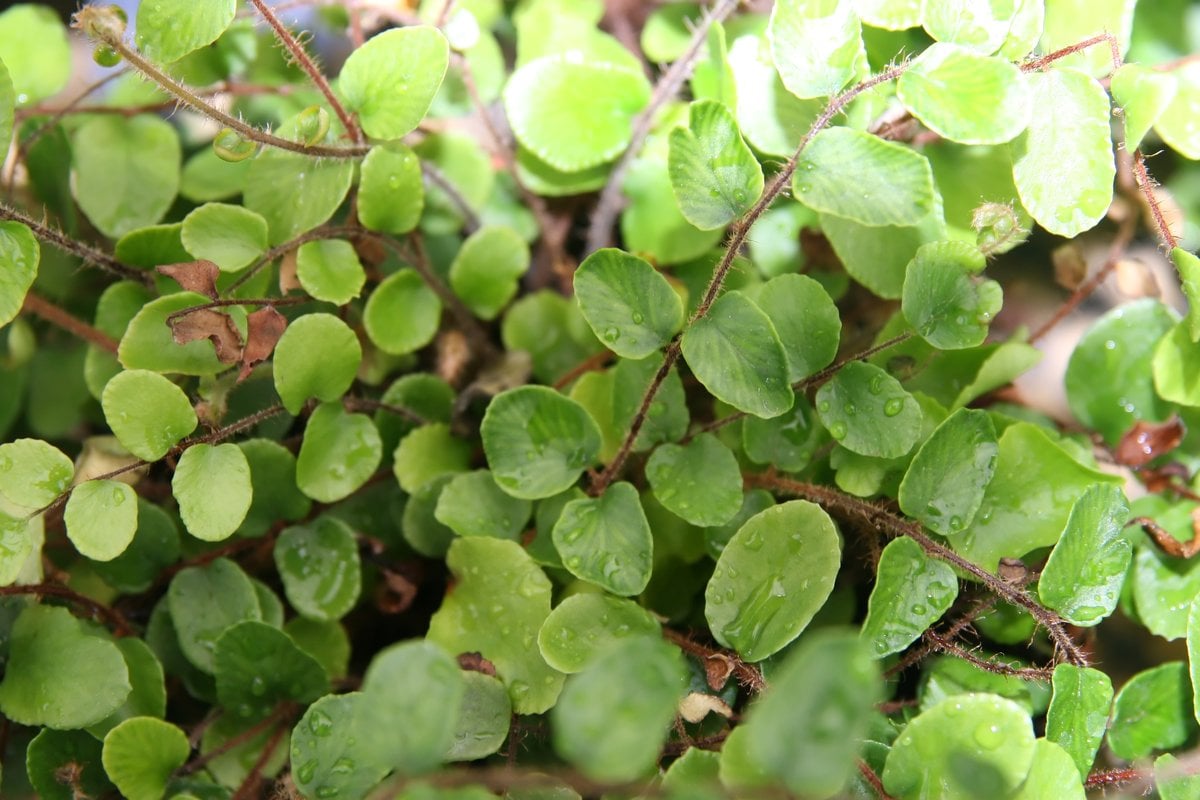
Most ferns have long, flowing leaves, but the button fern stays true to its name with small, rounded leaflets. This fern, identified as Pellaea rotundifolia, is a relatively low-maintenance cat-friendly plant due to its tolerance of various lighting and soils.
Button ferns are best suited for subdued sunlight, but indirect sunlight is better for winters. The plant should be regularly watered whenever the top of the soil feels dry.
These plants are beautiful decorations for a hanging basket or a table centerpiece. Yet, with cats around, try to choose a spot where they can’t push it onto the floor.
12. Lemon Button Fern
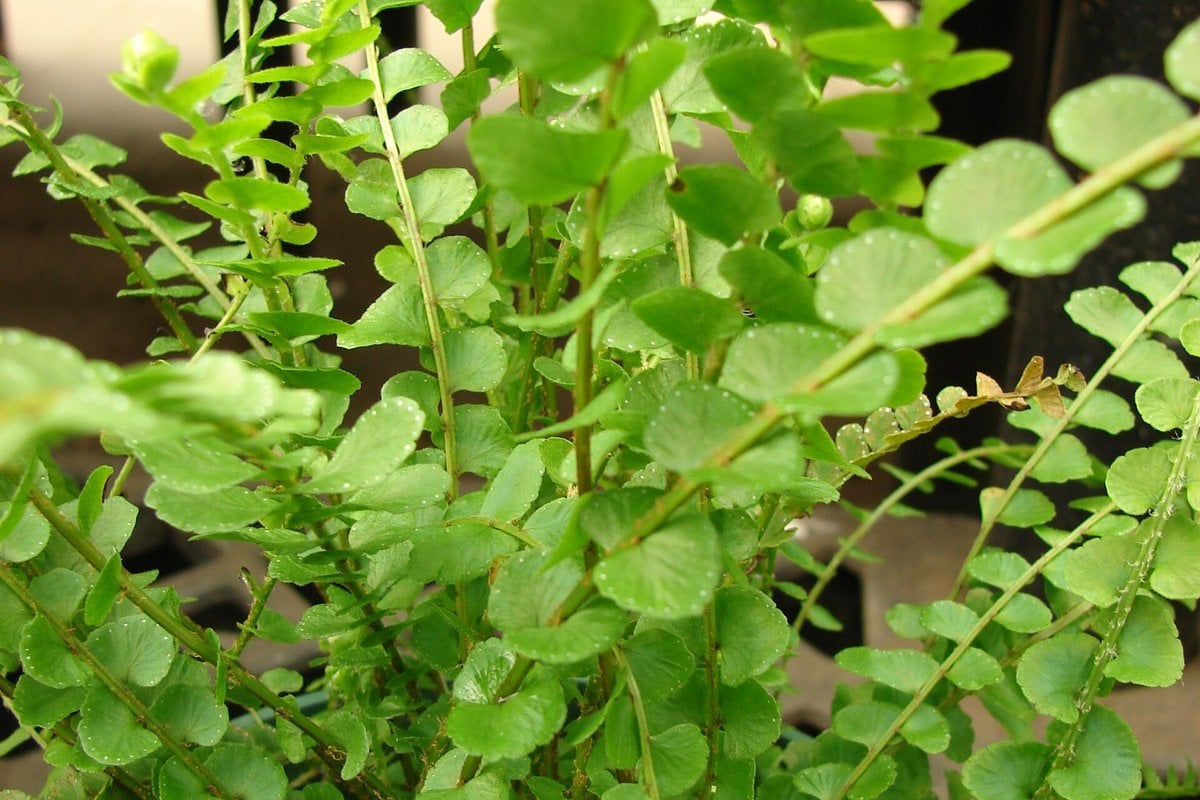
Lemon button ferns (Nephrolepis cordifolia) might look like button ferns at first glance, but the two plants have unique appearances and care needs. While both are safe for households with cats, lemon button ferns are lighter green with less sturdy stems.
This option is a compact fern that’s perfect for anyone with limited space for plants. The “Duffi” variety is an especially great option because it’s the dwarf form with double rows of round leaves. It has a pleasant lemon scent that can freshen up bathrooms and kitchens.
Duffi lemon button ferns benefit from gentle filtered light rather than direct sunlight. This option has a lower light tolerance than other varieties, so it’s okay if the space doesn’t have large windows. To help it thrive in a low-light setting, water it whenever the top of the soil becomes dry, similar to the other button fern.
Which Low-Light Houseplant Is Right for Your Cat-Friendly Home?
Now that you’ve narrowed down your search to only plants that are cat-friendly and ideal for low-light homes, determine which one speaks to you. Is there one that suits your available space and schedule perfectly?
Just remember that even the safest plants for cats aren’t meant to be eaten. If your cat snacks a little too much on your houseplants, it can cause stomach upset. Just to be safe, always visit a veterinarian if your cat shows signs of illness after eating a plant, or call the ASPCA Animal Poison Control Center at (888) 426-4435.
With careful consideration about your cat’s needs and your available space for plants, you can find a plant that will thrive without putting your furry friend at risk.
Quick reference: the 12 at a glance
| Plant | Light it can handle | Size indoors | Cat note |
|---|---|---|---|
| Cast iron plant | Partial to full shade | Up to 2 ft | Fine for an occasional chomp |
| Parlor palm | Little to no light; brighter indirect is better | Up to 5 ft, very slowly | Floor plant, low temptation |
| Lady palm | Indirect; deep shade part of the day | 4 to 6 ft | Big leaves, less batting; watch chewing |
| Kentia palm | Moderate best; lower light sometimes | 6 to 12 ft | Needs room to spread |
| Spider plant | Low is okay; medium is ideal | Shelf or hanging | Long leaves invite batting; hang it |
| Prayer plant | Low to medium | Tabletop | Needs humidity more than light |
| Baby rubber plant | Indirect; green forms tolerate low for months | Compact | Not the Indian rubber plant (toxic) |
| Emerald ripple peperomia | Medium; tolerates low for months | Desk or table | Keep out of paw range |
| Boston fern, “Dallas” | Bright indirect | Small cultivar | Plant stand or hanger |
| Japanese holly fern | Partial or full shade | Floor or table | Not holly the shrub (toxic) |
| Button fern | Subdued light; indirect in winter | Small | Choose a spot it can’t be pushed off |
| Lemon button fern | Gentle filtered light | Compact | Good for small spaces |

Freelance writer with a BFA in Creative Writing who’s been covering pets since 2018. Animal-rescue volunteer, dog mom to Mabel, and future cat mom (maybe one day!).