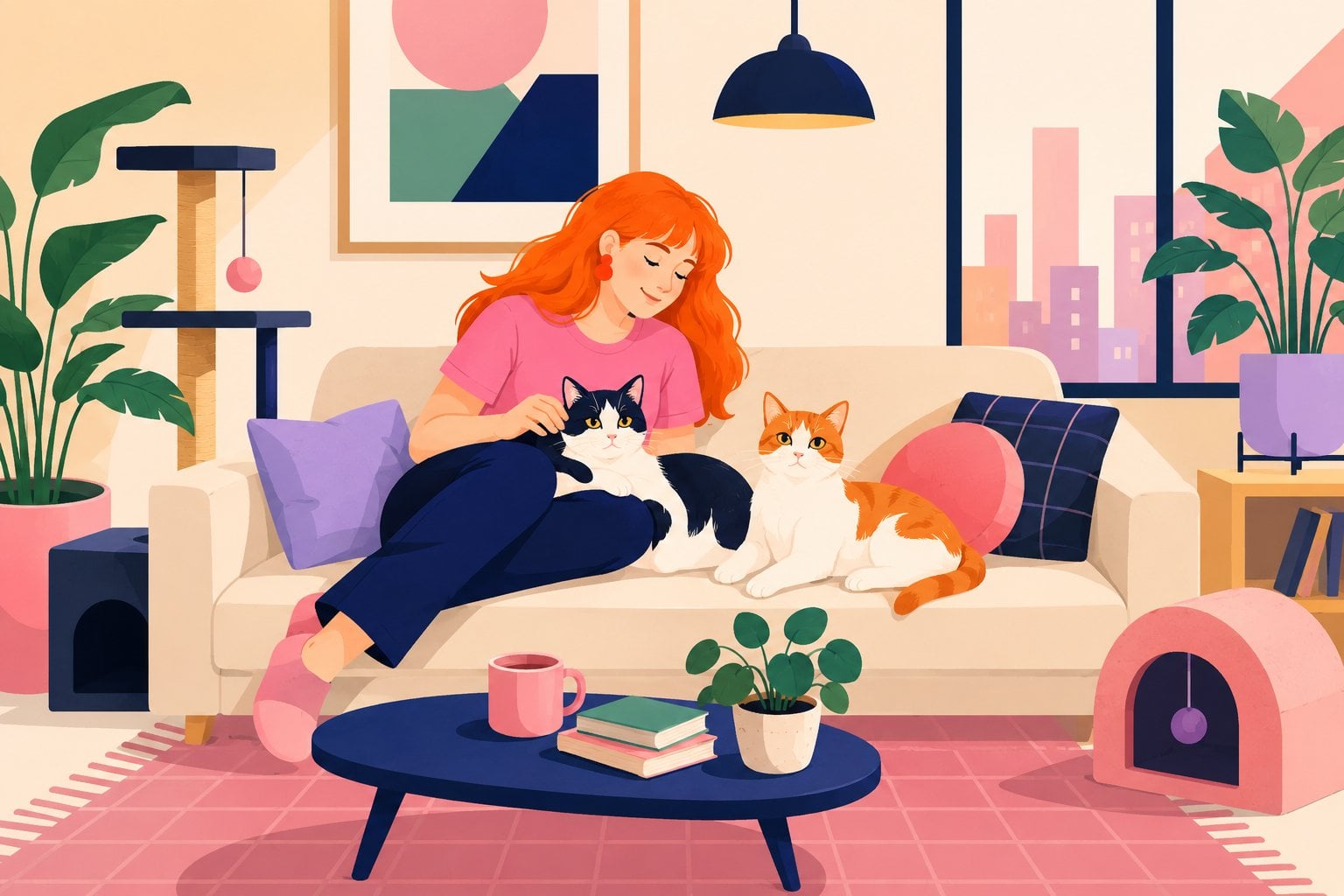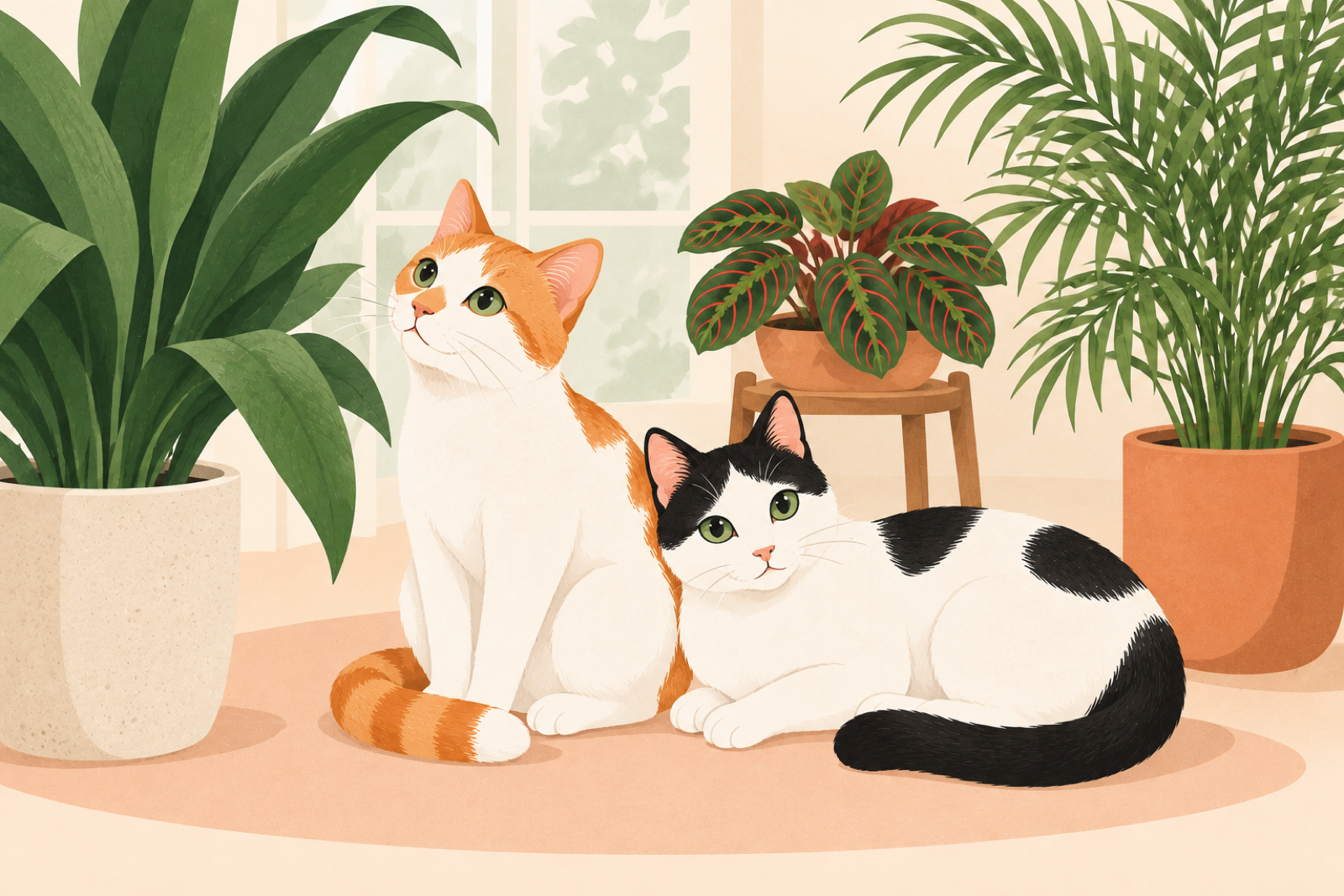
How I Keep My Cats Indoors and Happy
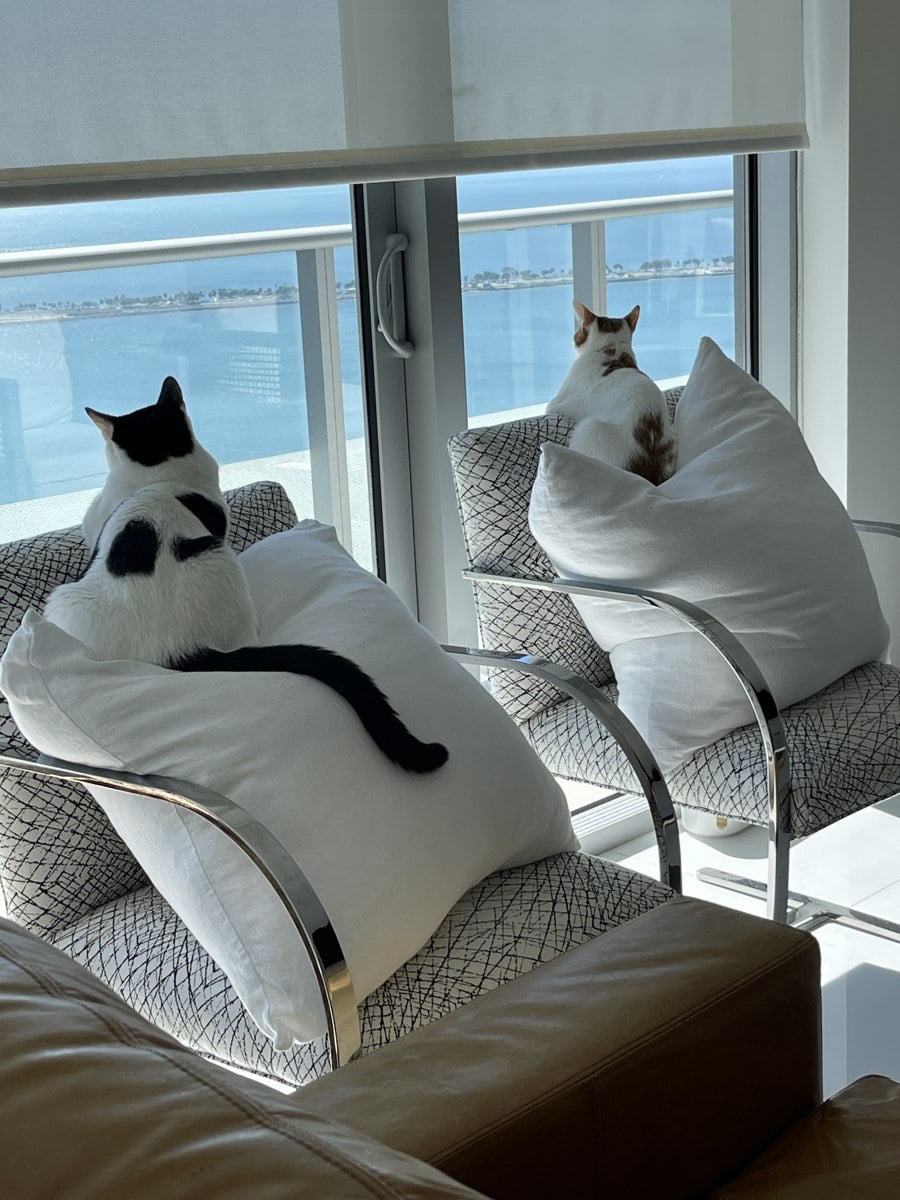
Thelma and Louis are indoor cats, which is sort of a given because we live in an apartment. But even if we had a house, I don’t think I would feel comfortable letting them roam outside on their own. My dream would be to create a catio where they could safely hang out, watch birds, and feel the breeze without me worrying about where they are.
In the meantime, we are harness training them, and we take them out in a stroller with a secure, latched covering. We’ve taken them out about a dozen times now, and they seem to really like it!
I also constantly feel guilty that our cats aren’t outside. I want them to live full lives and experience as much as they can. It’s always nagging at me a little, which is why harness training them so we can travel with them and take them out more is important to me. But I know we have to do it safely.
So this is how we try to give Thelma and Louis a happy indoor life in an apartment—without pretending that I never look at them sleeping and wonder if they’re bored LOL.
Some links are affiliate, so we may earn a small commission at no cost to you. Every purr-chase keeps two very demanding cats in treats. Our policy →
We give them safe ways to experience outside
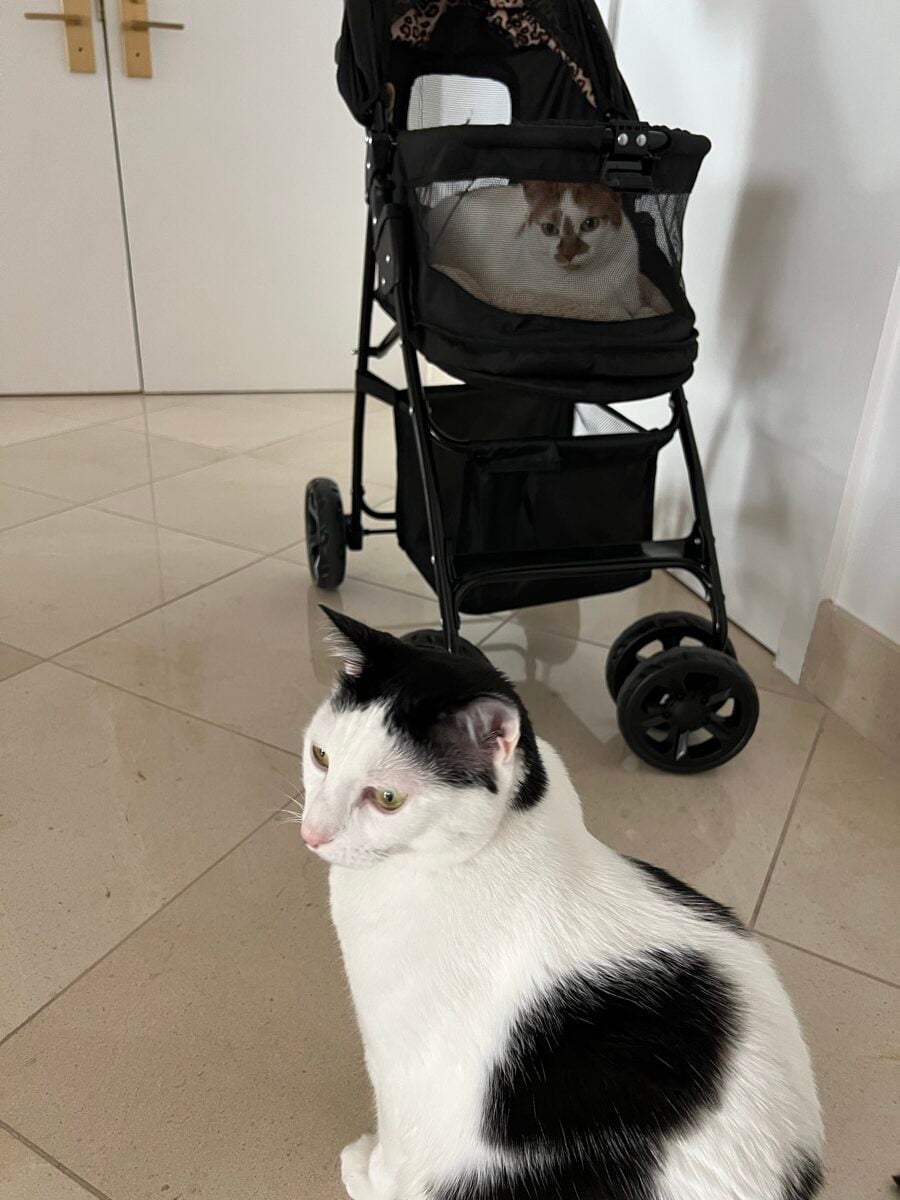
The stroller has been our easiest way to let them see and smell more of the world. The cover latches securely, which is nonnegotiable for me, and they can take everything in without being loose. Harness training is more of a process, but we’re working on it.
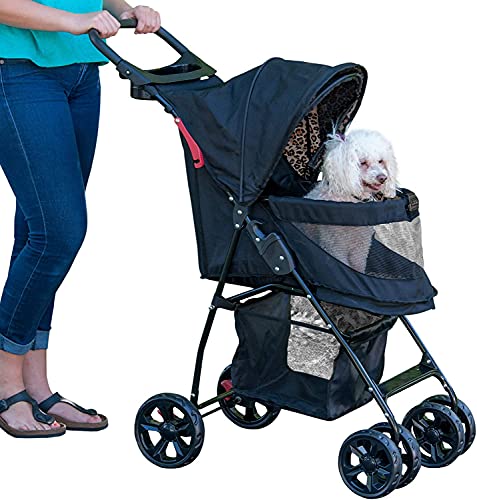
Pet Gear No-Zip Happy Trails Lite Stroller
The stroller we use for Thelma and Louis. The cover latches securely instead of zipping, which was the nonnegotiable part for me, and it folds flat when you’re done.
This is also one area where the official advice lines up with what makes sense to me. The American Veterinary Medical Association recommends enriched indoor environments, outdoor enclosures, or exercise for leash-acclimated cats as ways to reduce the risks that come with free roaming. Basically, outside doesn’t have to be all or nothing.
For us right now, it means the stroller, careful harness practice, and someday, if I get my dream, a catio.
I learned not to treat the hallway like a safe outdoor space
In our old apartment—the one we brought them home to—we lived on a much quieter, smaller floor. The hallway was short enough that my husband and I could stand at opposite ends, and both cats loved going outside our door. They would often run out, and we would let them play in the hallway when we were sure no one else was there.
We knew one small dog lived on that floor, but we weren’t too worried at the time. Looking back, it felt controllable because we could see the whole space and block both ends.
Our new apartment is completely different. Louis ran out the door and down the hallway once, but thankfully he hasn’t done it since. I don’t know whether any dogs live on our floor, and the hallway is very long with side exits that are just too hard to control. So the hallway is no longer part of their world, no matter how interested they might be in it.
That experience made me realize that “indoors” includes the space on the other side of your front door. An apartment hallway may not feel like outside, but it is still an unpredictable shared space.
Windows do a lot of the work
Thelma and Louis love the cat tree and looking out the window, especially Thelma. We live on the bay, so they can look out and see water and birds, but they especially love it when a big bug lands on the window. That is apparently better than anything I could put on TV.
Their cat tree gives them a higher place to watch from, and our next project is setting up a custom cat wall for them. I can’t wait to document the process! I love the idea of giving them more ways to move up and around the apartment instead of thinking only about floor space.
The Feline Veterinary Medical Association’s indoor-cat guidance includes a safe place, separated resources, opportunities for play and predatory behavior, predictable human interaction, and an environment that respects a cat’s senses. I don’t mentally check off five pillars every time I buy a cat bed, but it is reassuring that the things our cats gravitate toward—height, hiding spots, play, routine, and time with us—are the things experts say matter.
They have favorite spots all over the apartment
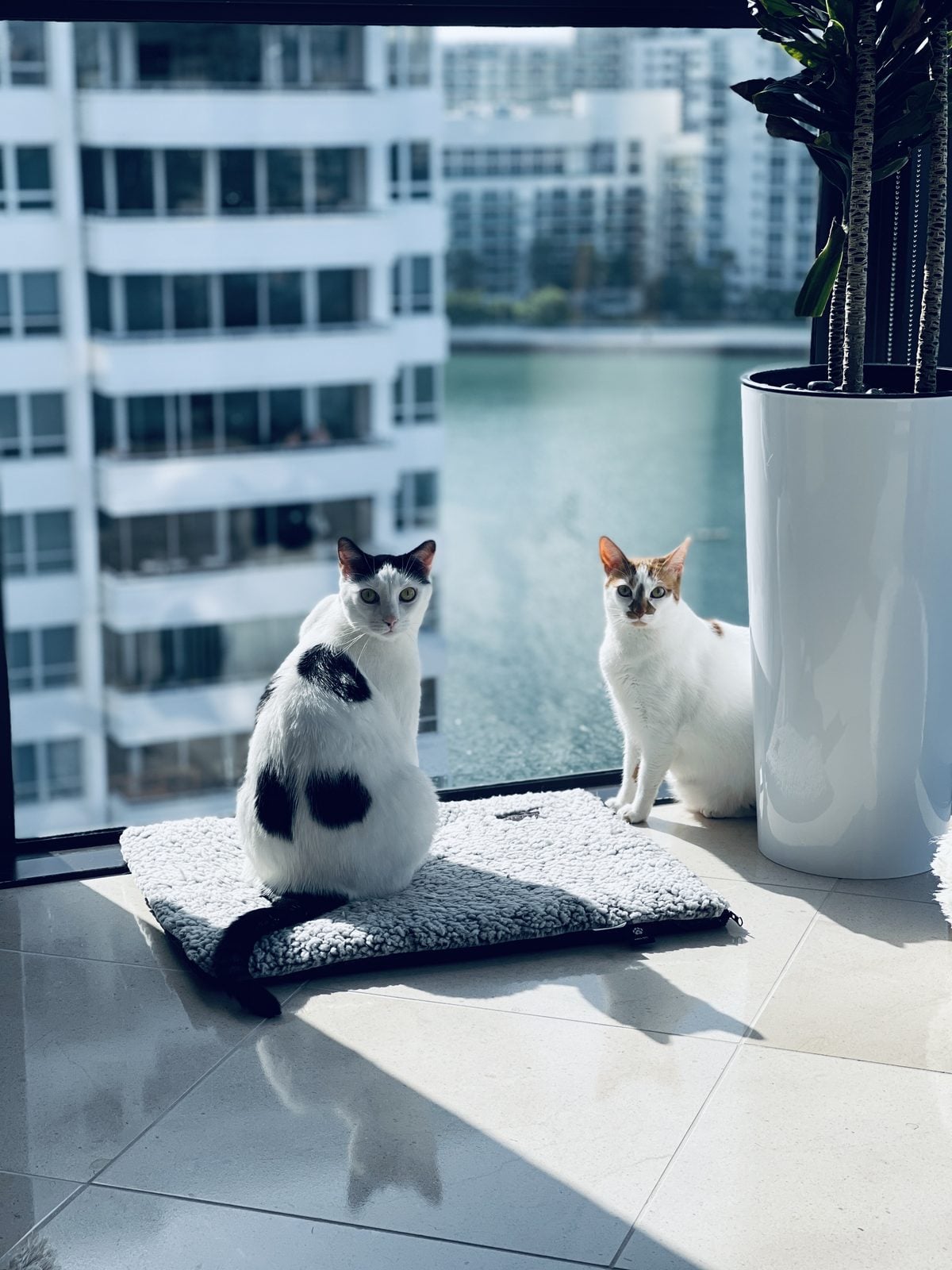
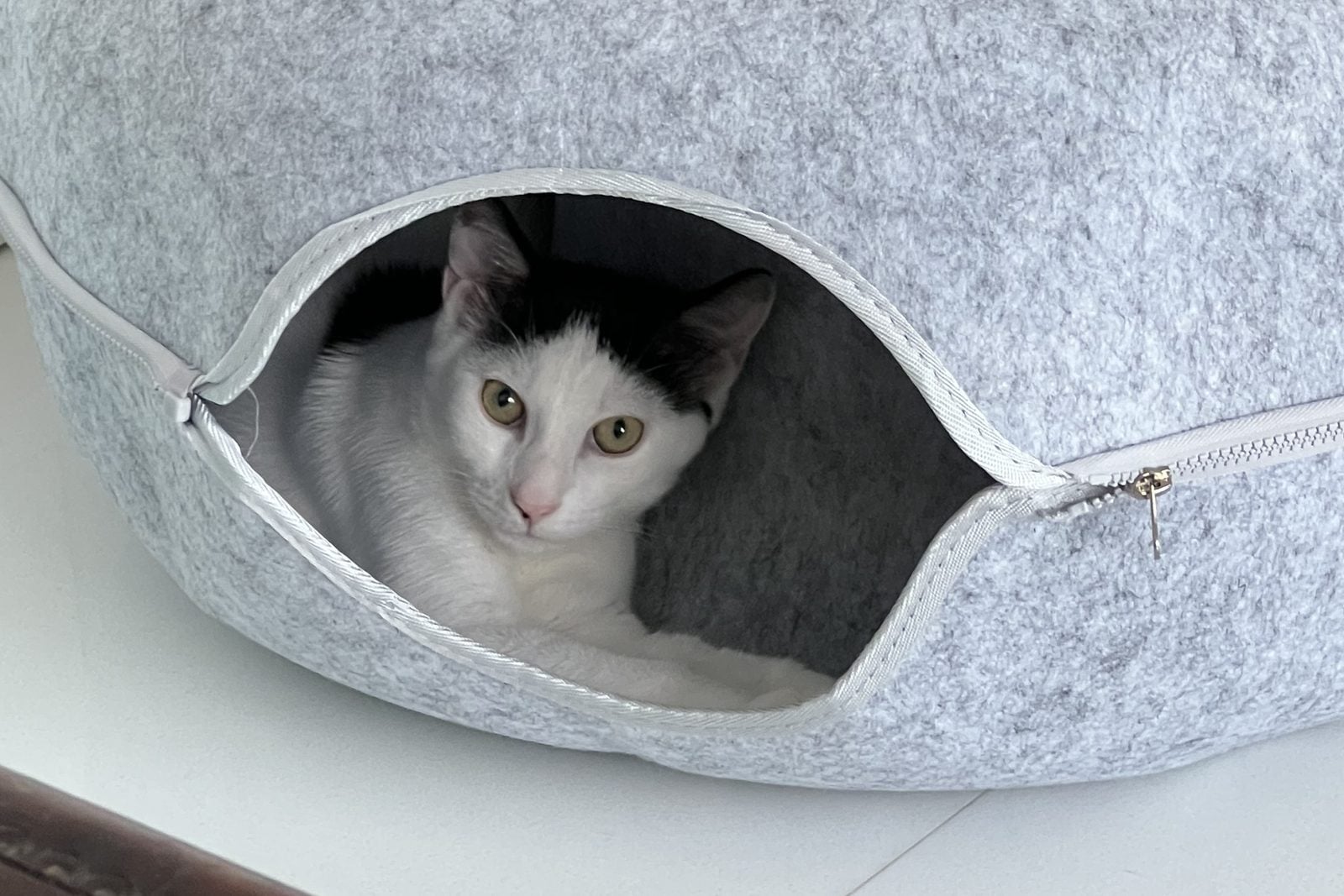
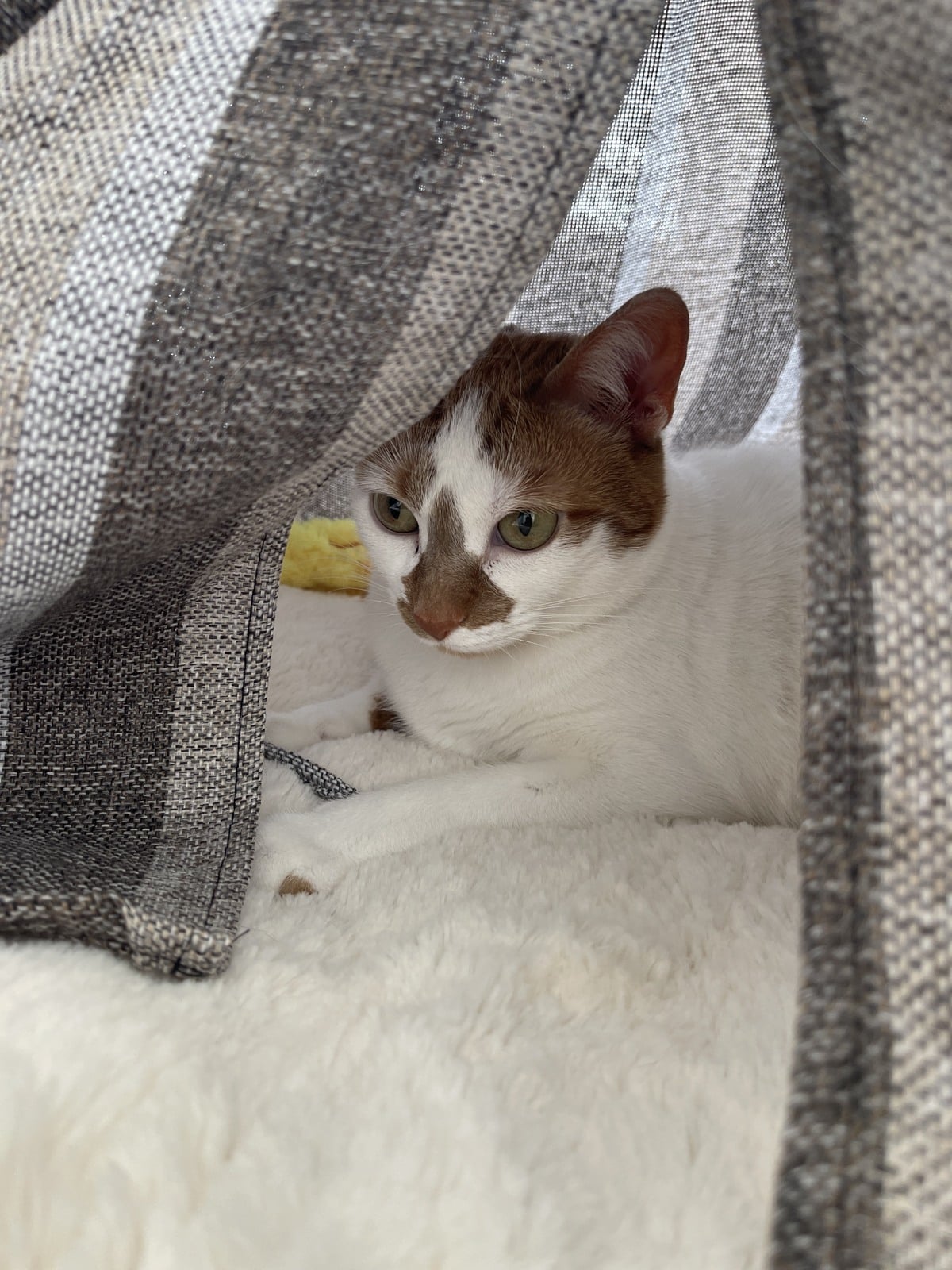
Both cats have places they return to again and again: two fluffy donut beds, each beside a window; the top of a chair near the office window; the inside of one of their two tunnels; and a cute teepee we have for them.
The funny thing is that no single spot stays the favorite forever. They rotate. A bed can go untouched and then suddenly become the only acceptable place to sleep. The tunnels have had more staying power because they can hide, nap, and ambush each other from inside them.
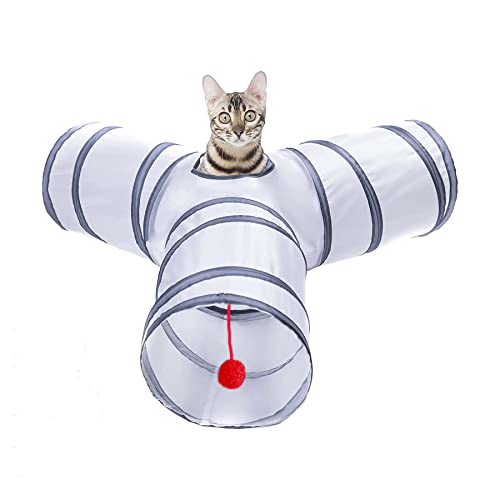
Alicedreamsky Collapsible Cat Tunnel (3-Way)
Three tunnels meeting in the middle, with a hanging ball at one entrance. Tunnels are the rare toy that never went stale in our house — ours have used theirs since kittenhood. It also folds flat when you want your floor back.
I used to think keeping cats happy meant finding the one perfect toy or bed. Now I think it is more about giving them choices and letting them decide what today’s favorite is. If you have bought a beautiful cat bed only to watch your cat sleep beside it, I have an entire article about the cat beds our cats actually used.
Our indoor-cat routine is extremely specific
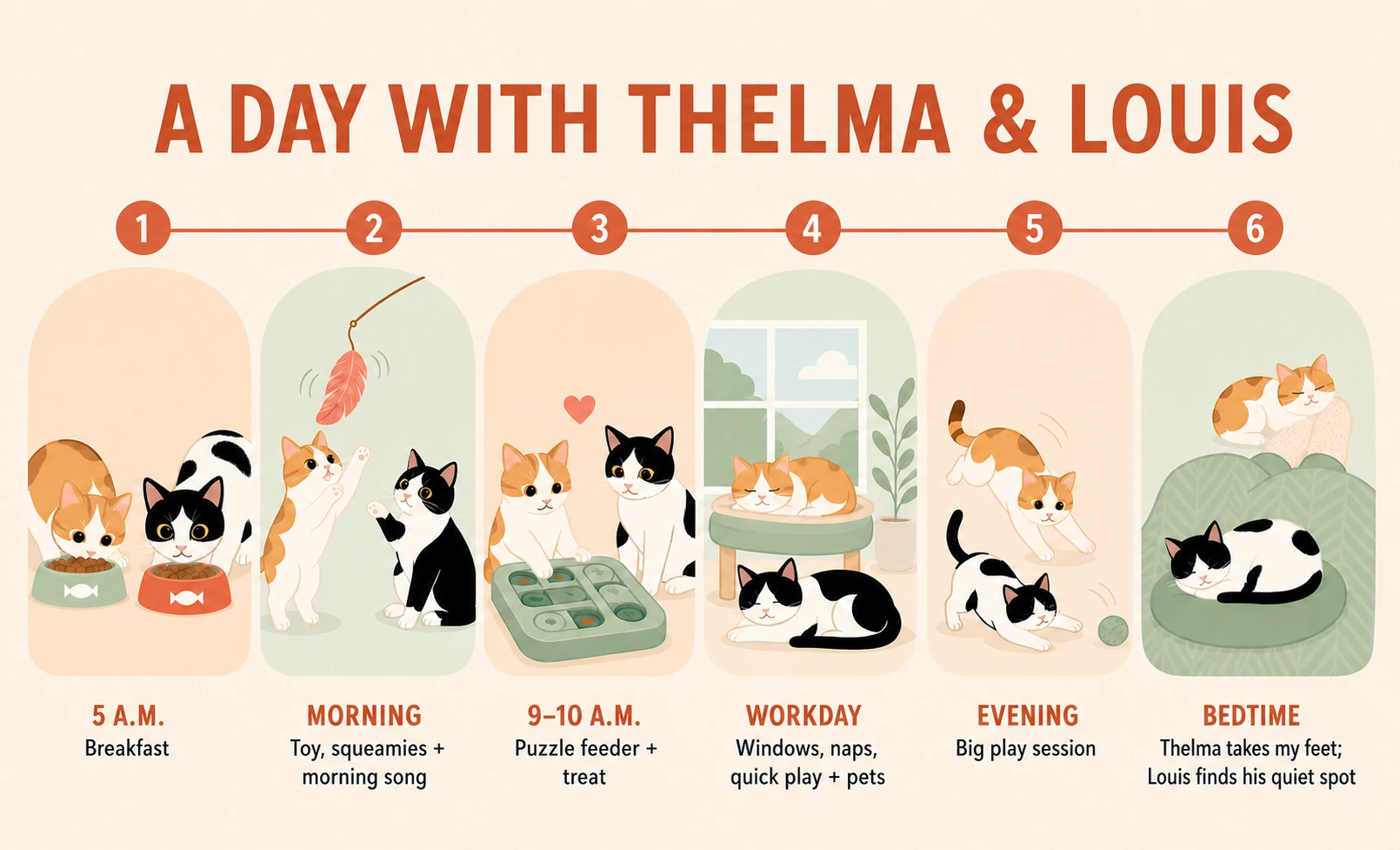
When we wake up, both cats are usually on the bed with us. Sometimes one of them is already in the living room, looking out the window from a bed.
Louis’s breakfast goes off in his automatic feeder at 5 a.m. Either my husband or I will groggily get up and give Thelma her dry food—that is all she’ll eat, sadly—in her microchip feeder in my closet. When we’re making coffee, we turn on Thelma’s favorite toy, give them a few squeamies (aka butt taps), and sing them the morning squeamin’ song LOL.
By 9, I give Louis, who eats mostly wet food, his dry-food treat in a puzzle feeder. Around 10, they get their daily freeze-dried chicken or minnow treat. If it is Saturday, they get freeze-dried liver!
We both work from home, so the rest of the day is a series of making sure they have what they need, whether that means a quick wand or ball session, putting on bird TV, or even playing cartoons for them. We try to pet them whenever we walk by. Even if they’re sleeping, one of us will usually go over and give them a little pet.
Because we work from home, I often feel guilty when I am busy or on calls and not playing with them enough. They’re right there, so I am very aware of every stretch of time when I’m working and they’re sleeping. We try to interact with them as much as possible, but we also have jobs, and I have to remind myself that cats are allowed to nap without it becoming evidence of my failure as a cat mom.
Our biggest play session happens when it works for us
Their big play session usually happens after we eat dinner. I know the ideal advice is often to play before their meal so the sequence feels more like hunt, catch, eat, and sleep. But after dinner is what works with our schedule right now. We might switch it!
Usually my husband will spend at least 30 minutes trying to entertain them while I do the dishes, or vice versa. He is very good at getting them active. The routine we can repeat is more useful to us than the theoretically perfect routine that we never manage to do.
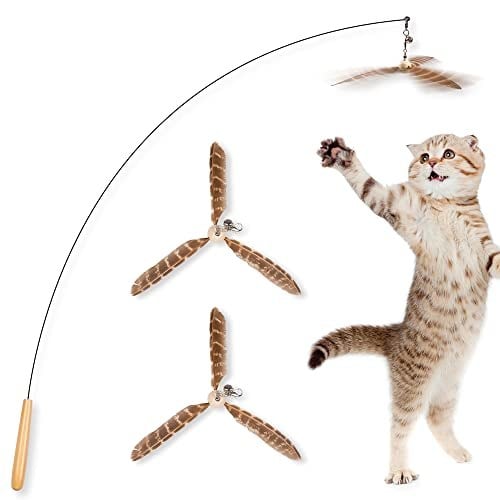
JXFUKAL Cat Wand Toy
If you only buy one toy, make it a wand. Moving it like prey beats anything they bat around on their own.
Then we wind down, make tea, and get into bed. Thelma usually jumps onto my feet while we’re watching TV and will either stay there all night or come and go. Louis likes his nightly me time and usually settles onto a dining-room chair or into his bed in our bedroom. He comes up on our bed after his breakfast, and it all starts again.
Happy looks different for each cat
Louis and Thelma do not agree on what counts as enrichment. Louis loves his puzzle feeders and usually figures them out right away. Thelma could not care less. She loves the laser and looking out the windows, and for a while she was completely interested in old episodes of Babar on YouTube.
Louis is usually the bigger runner during wand-toy sessions. Thelma sometimes hangs back and lets him take over, so we have to notice when she wants her own turn. This is one reason a pile of toys isn’t enough by itself. You have to watch the actual cats in front of you.
They also get bored with toys quickly, so we rotate them instead of leaving everything out all the time. A toy that was ignored can become interesting again after it disappears for a while. Our tunnels, cat tree, windows, and beds stay available because those are places as much as they are entertainment.
How I convince myself they are happy
As pet owners, I think we’re always wondering whether they’re happy. Sometimes I’ll look at the cats and think, “Oh, they look depressed! We’re not playing with them enough. Are they feeling well? Do they look chubby?” LOL. It runs the gamut.
But overall, I think they’re happy because we show them love each and every day, almost all day. They show us their bellies. They lounge around us instead of hiding. They play, eat, look out their windows, sleep in ridiculous positions, and come find us when they want something. They have favorite places and very clear opinions.
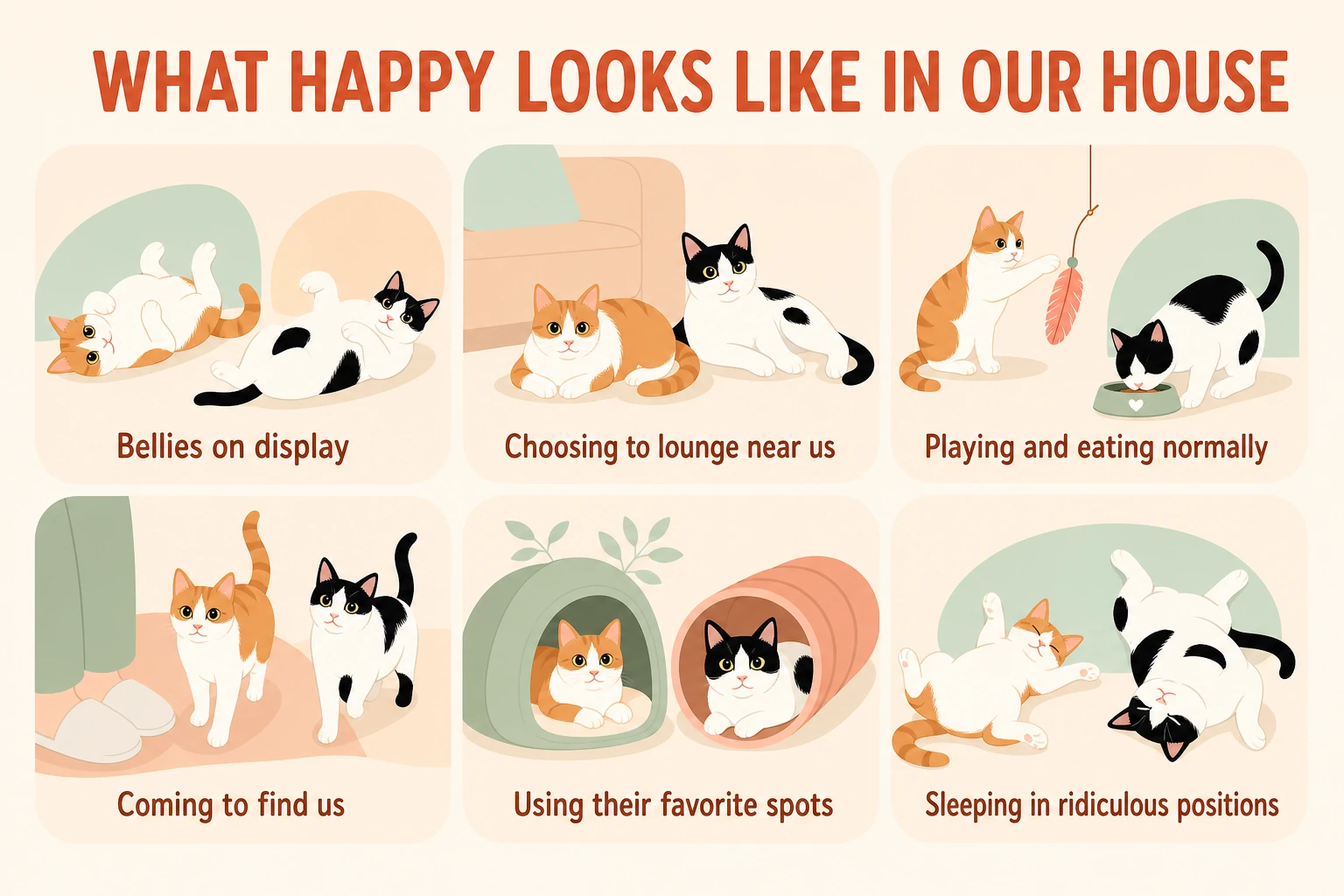
One detail from Ohio State University’s Indoor Pet Initiative made me feel much better: cats tend to prefer shorter, more frequent interactions that they initiate. That sounds a lot like our house—the drive-by pets, quick toy sessions, and little check-ins throughout the workday all count. Happiness doesn’t have to look like a cat being wildly entertained every minute. Sometimes it looks like Thelma asleep on my feet and Louis enjoying his personal space in a dining-room chair.
I don’t think indoor cats need constant entertainment
I do think they need choices, attention, movement, places to climb and hide, and chances to use their brains. But there is a point where concern turns into cat-parent guilt, and I cross that line regularly.
The goal isn’t to prevent every nap or fill every minute. It is to create a home where they can choose to watch, climb, scratch, hide, chase, eat, sleep, or come bother us. Some days we do a great long play session. Some days work is crazy and the interaction happens in smaller pieces. They still get their songs, squeamies, treats, windows, beds, and two humans who are thinking about them probably more than is reasonable.

I still want the catio. I still want to get better at taking them out. And I will probably always wonder if we’re doing enough. But keeping Thelma and Louis indoors doesn’t mean their lives are small. Their world has bay windows, bugs, tunnels, cartoons, Saturday liver, a morning theme song, and two people who love them an absurd amount. I think that is a pretty happy life.
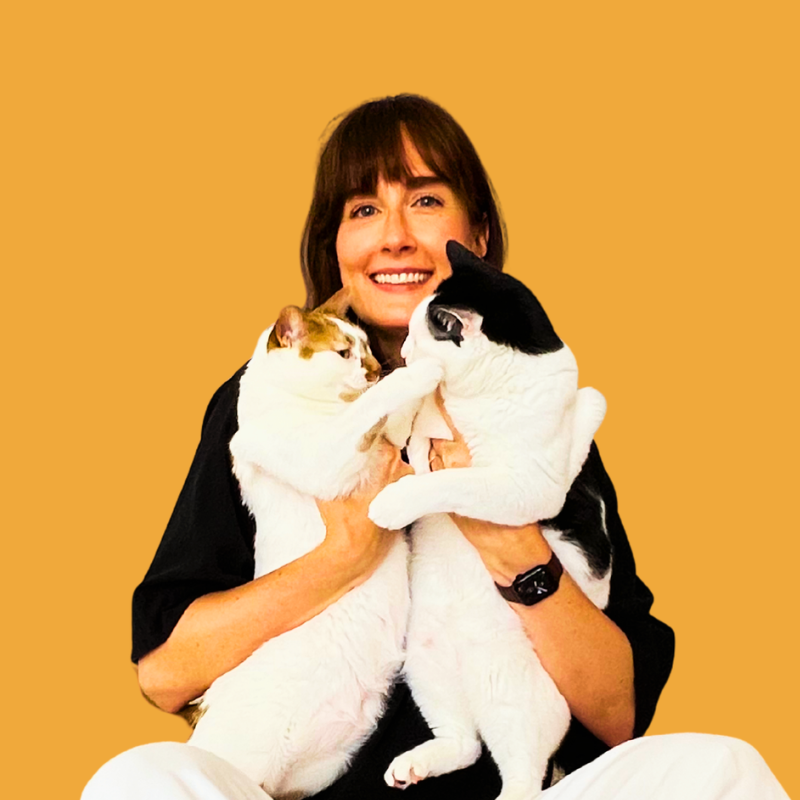
Founder and editor of Cat Seat and cat mom to Thelma and Louis. She’s been writing online since 2000.
Hi! I’m Lindsay. I run this site alongside my hubs Cory and our very opinionated cats, Thelma and Louis. We’re so happy you’re here!