
6 Best Cat Breeds for Kids and Grandkids
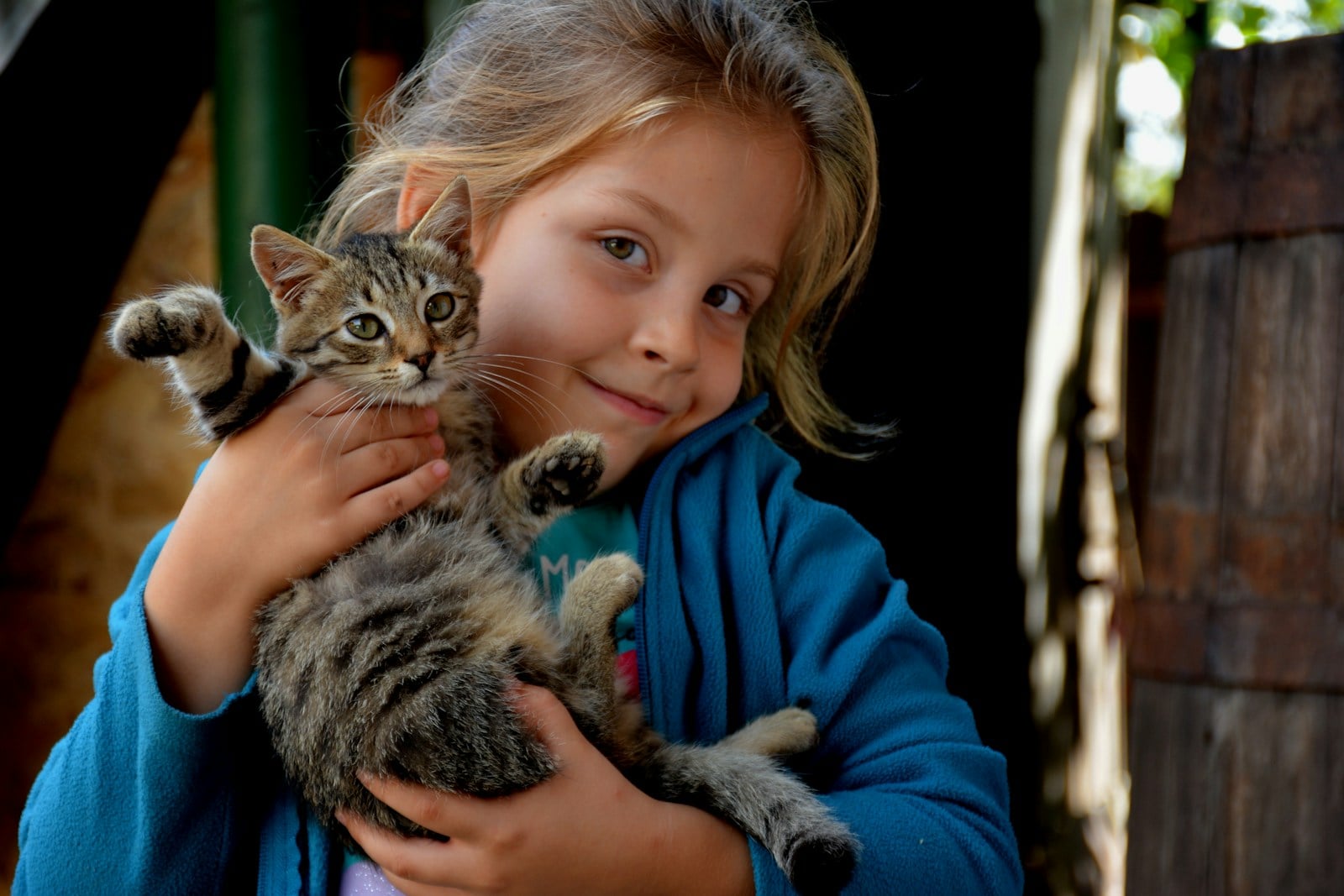
If your child or grandchild has been asking for a cat (can you blame them?!), you may already have a name picked out and a phone full of kitten photos. While it’s always tempting to choose the cutest cat, it helps to get to know as much about them as possible before bringing them home. How are they around children? How much grooming will they need? And who’s doing all of that once the grandkids go home?
While cat personalities vary (just like us humans!) some breeds are particularly known for their affectionate, easygoing, or playful personalities. Below are six to consider, along with any of the special quirks they each have.
Before you shop, adopt
There are so many adorable, sweet, loving cats at your local shelter or rescue. While there are so many kittens that need homes, adult cats are a fantastic option for families with small children. That’s because the rescue or foster family who has them will likely be able to tell you about their personality and temperament around kids. That is such useful information to have!
1. Ragdoll
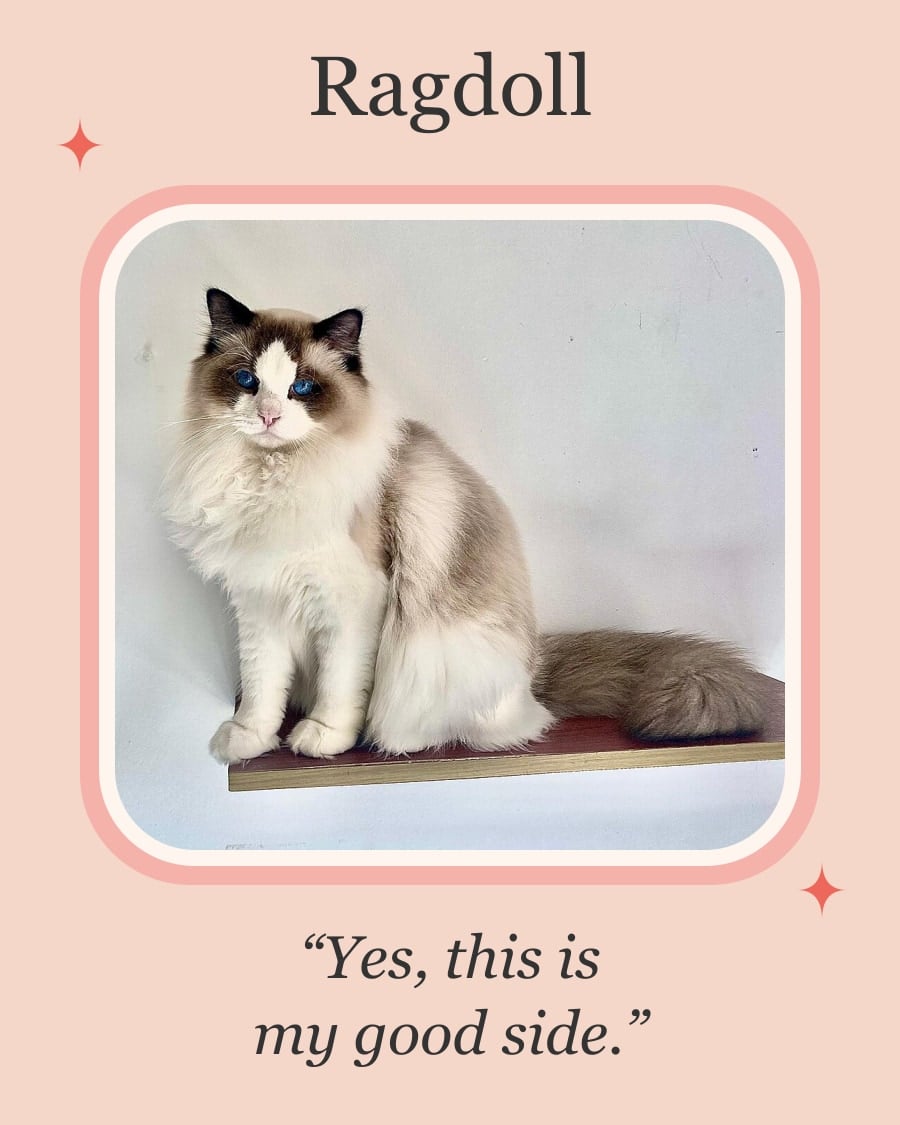
Ragdolls are known for their relaxed, affectionate personalities. The blue eyes and soft coat certainly don’t hurt their chances of getting picked. But on top of that ragdolls tend to want to be very involved in your family life.
One note on grooming: That soft coat needs regular combing, so keep that in mind when it comes to who takes on the responsibility.
And yes, even the cuddliest Ragdoll will have it’s own unique personality. Some love sitting on laps; others prefer shorter visits or no lap time at all. Even the lap-happy Ragdoll may not like to be picked up. It’s always important to respect each cat’s preferences.
2. American Shorthair
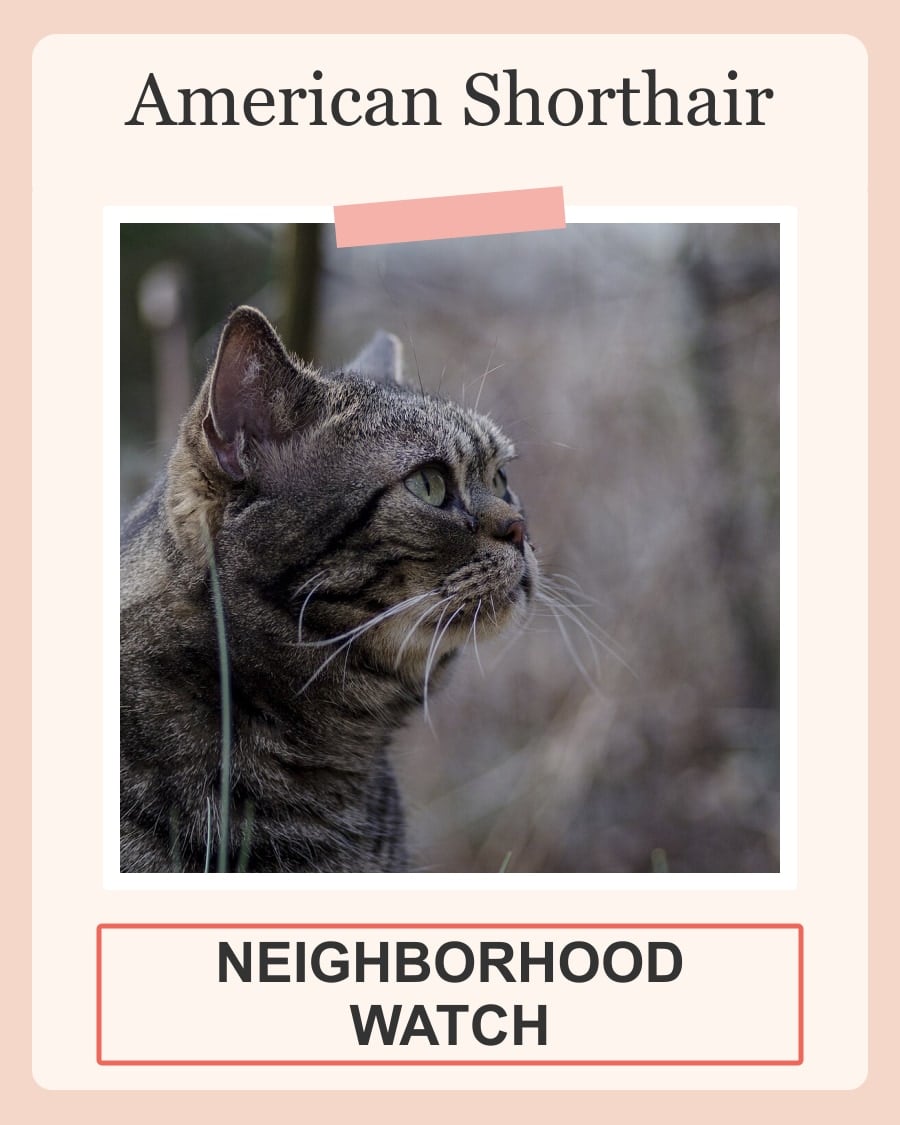
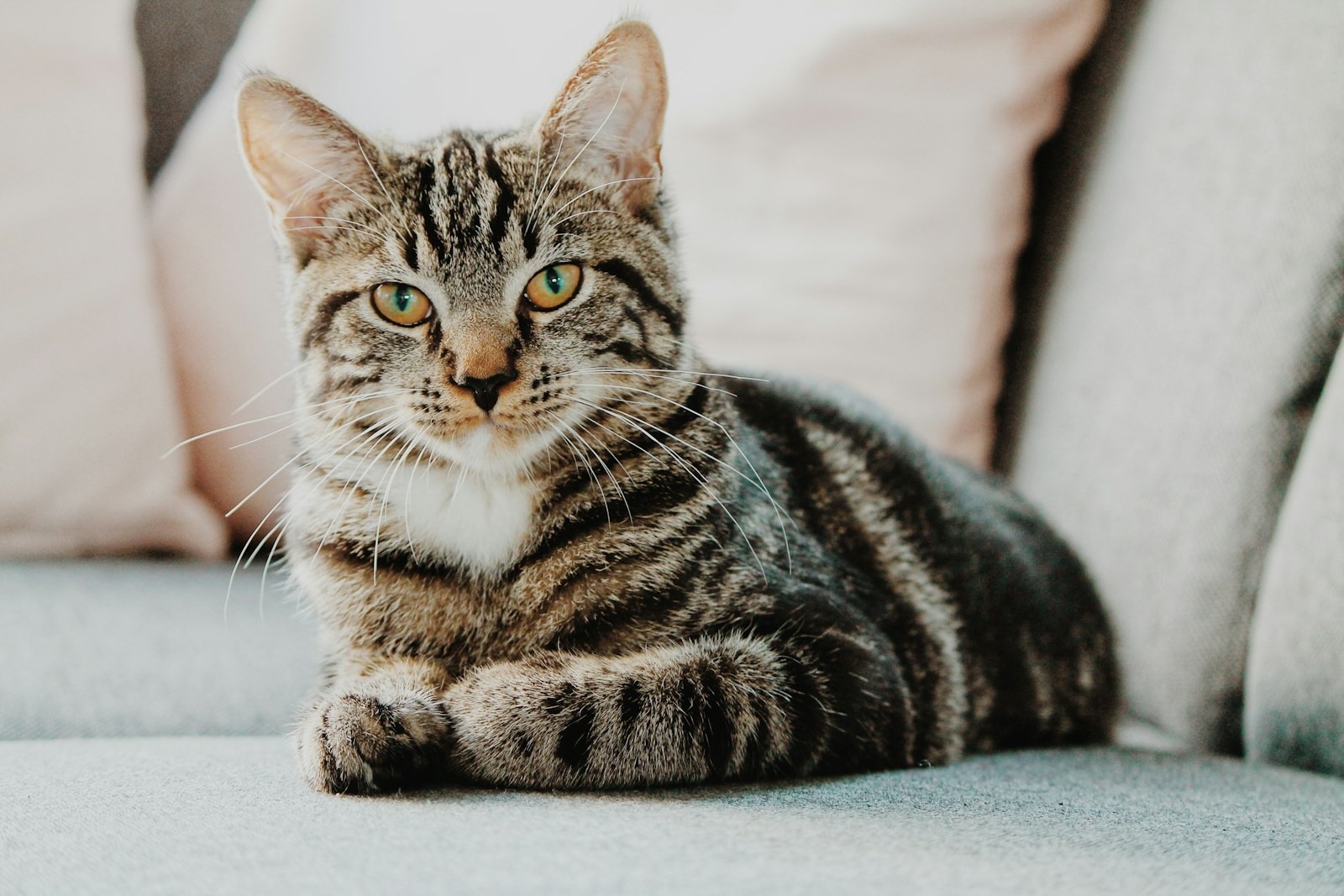
I’d put the American Shorthair high on the list if you want a friendly, sociable cat without quite so much coat to look after. Their shorter fur generally needs less attention than a long coat, though weekly brushing is always a good idea no matter the breed (well, not hairless LOL). Like most cats, you’ll find that they love toys, climbing, and reward-based training. One nit-picky detail: American Shorthair is a specific pedigree breed. A shelter cat listed as a domestic shorthair isn’t automatically an American Shorthair.
3. Birman
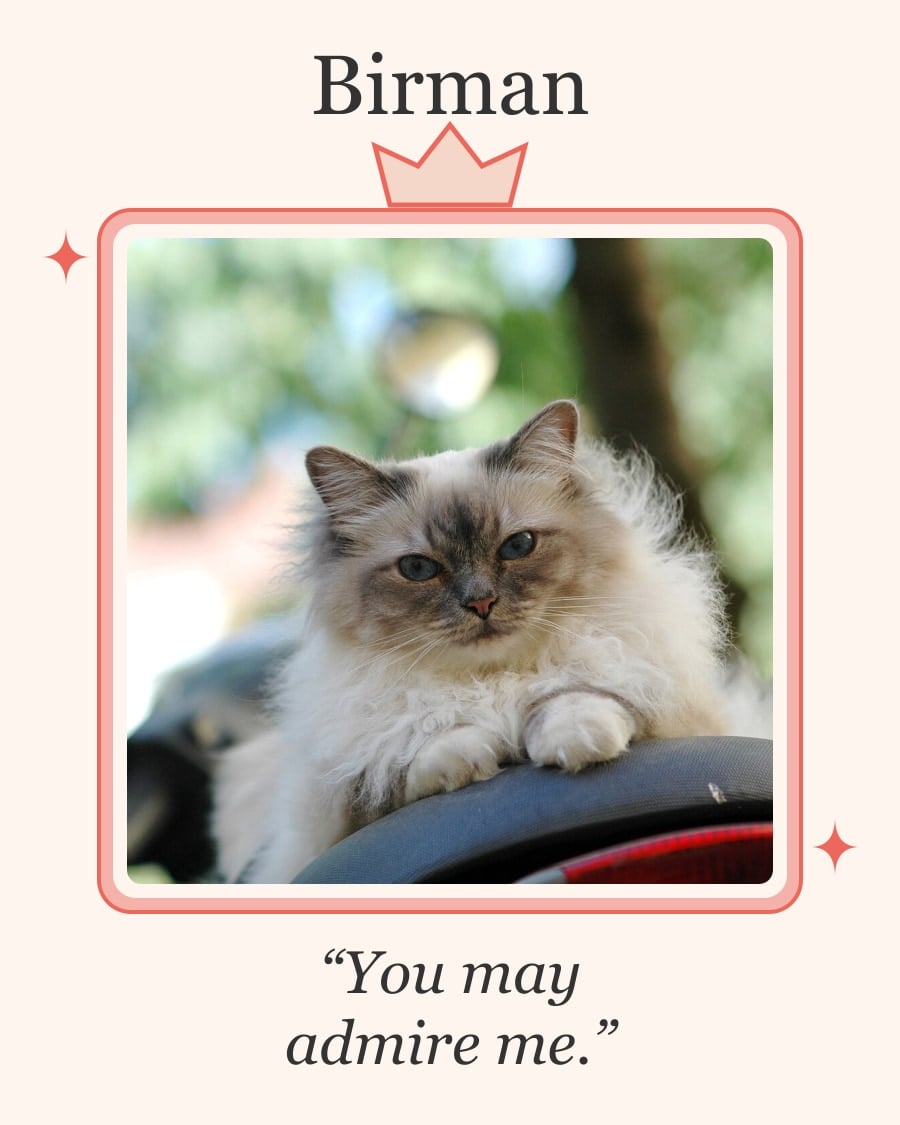
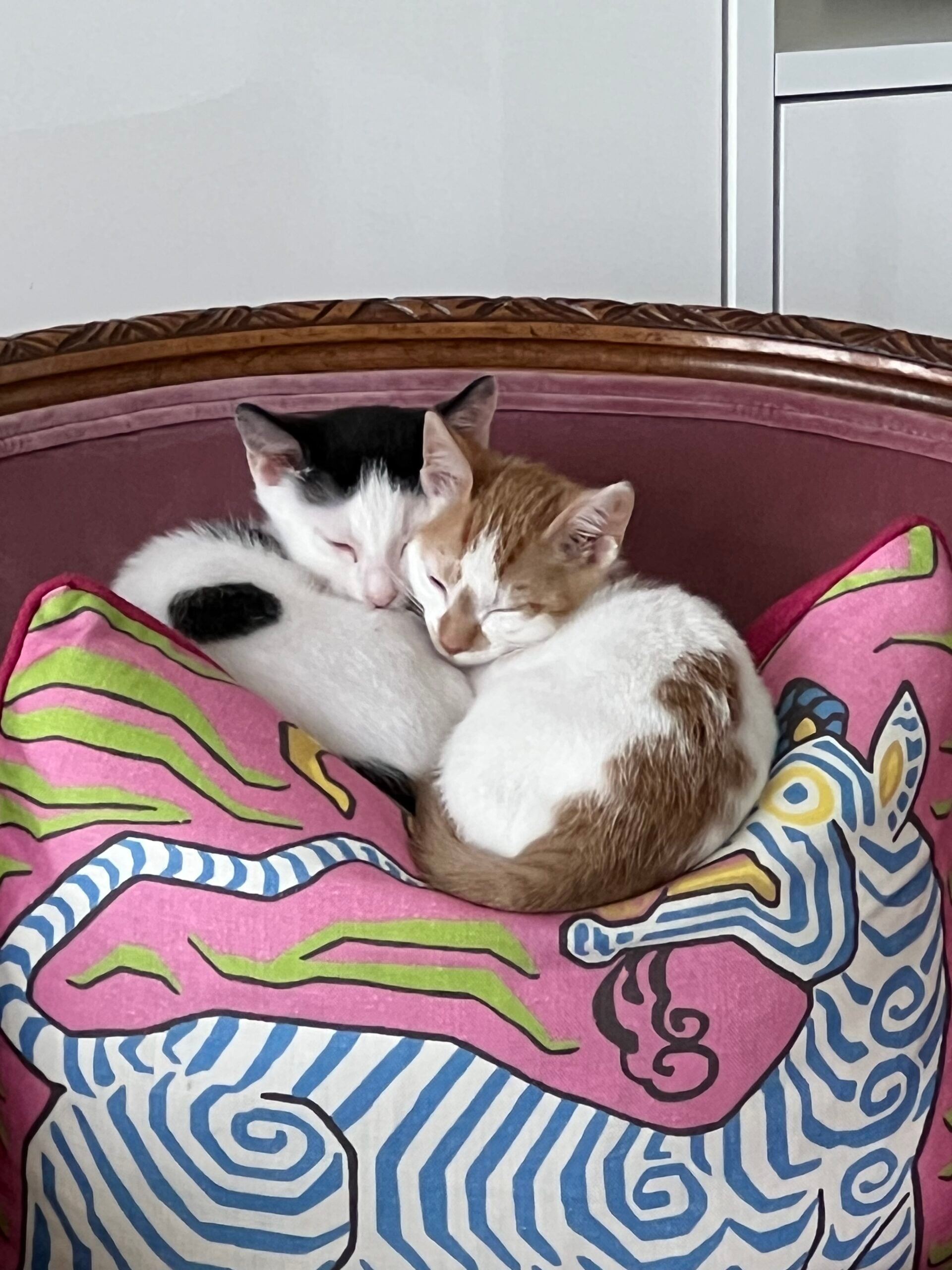
If you’re looking for a cat with adorable white paws, a silky coat, an affectionate personality, and a fondness for climbing, consider a Birman cat.
Birmans’ silky coats need brushing a few times a week. If your kids or grandkids tell you, “I’ll do all the brushing!” that’s a lovely offer, but if they don’t stick to it you’ll be the house hairdresser!
4. Maine Coon
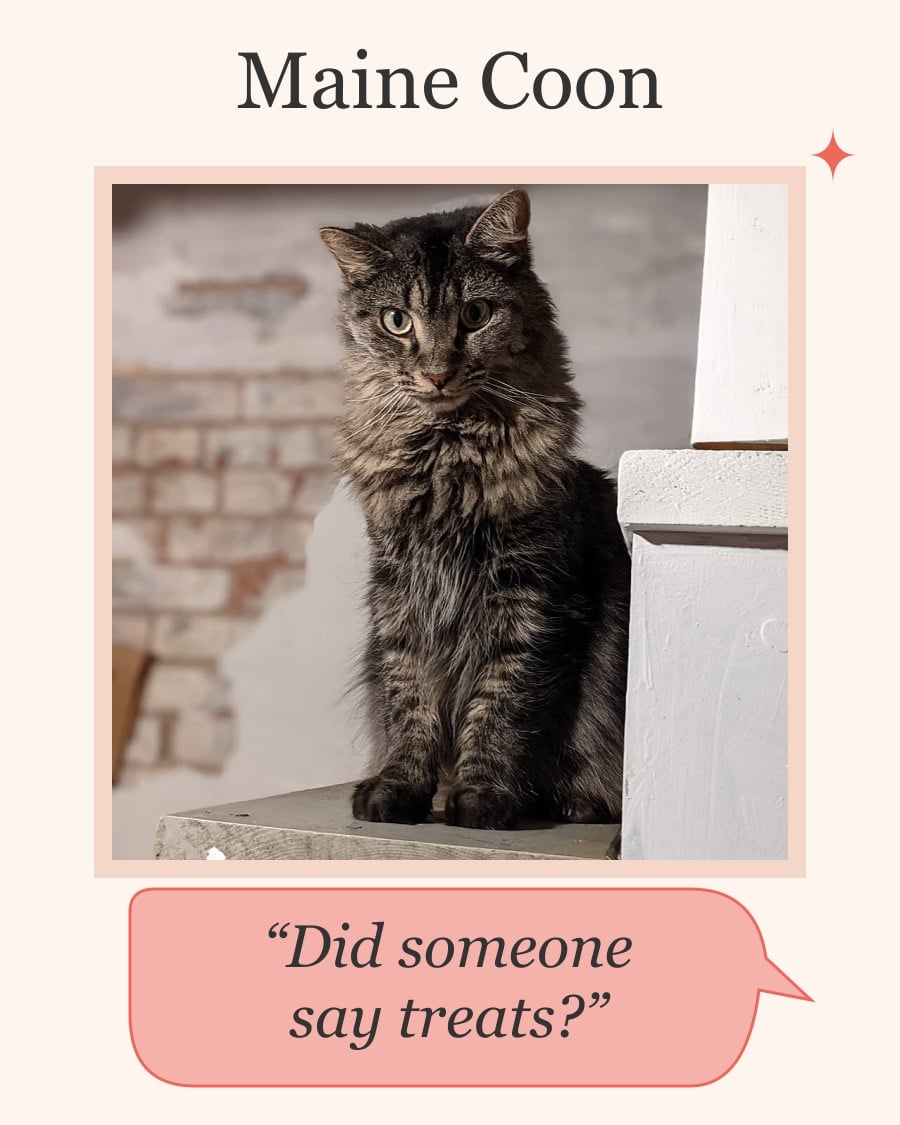
There’s a lot of cat to love with a Maine Coon, from the thick coat to the tail and tufted ears. Maine Coons tend to be gentle and affectionate, and can do well with children and other pets.
Many Maine Coons enjoy interactive playtime and are known to learn tricks in exchange for treats. Just remember even though they’re a bigger cat, they still need gentle treatment like every other feline.
Before you fall for a Maine Coon kitten, think about the full-grown cat. Maine Coons can weigh anywhere from 8-14 pounds for females and 15-25 for males. You’ll need a litter box and carrier that fits them comfortably, and a way to manage vet trips if lifting that carrier will be difficult. They’ll need sturdy climbing furniture that fits them, too. Then there’s the fur. Those thick coats need regular brushing (2x3x week) but some coats need daily attention to prevent tangles.
5. British Shorthair

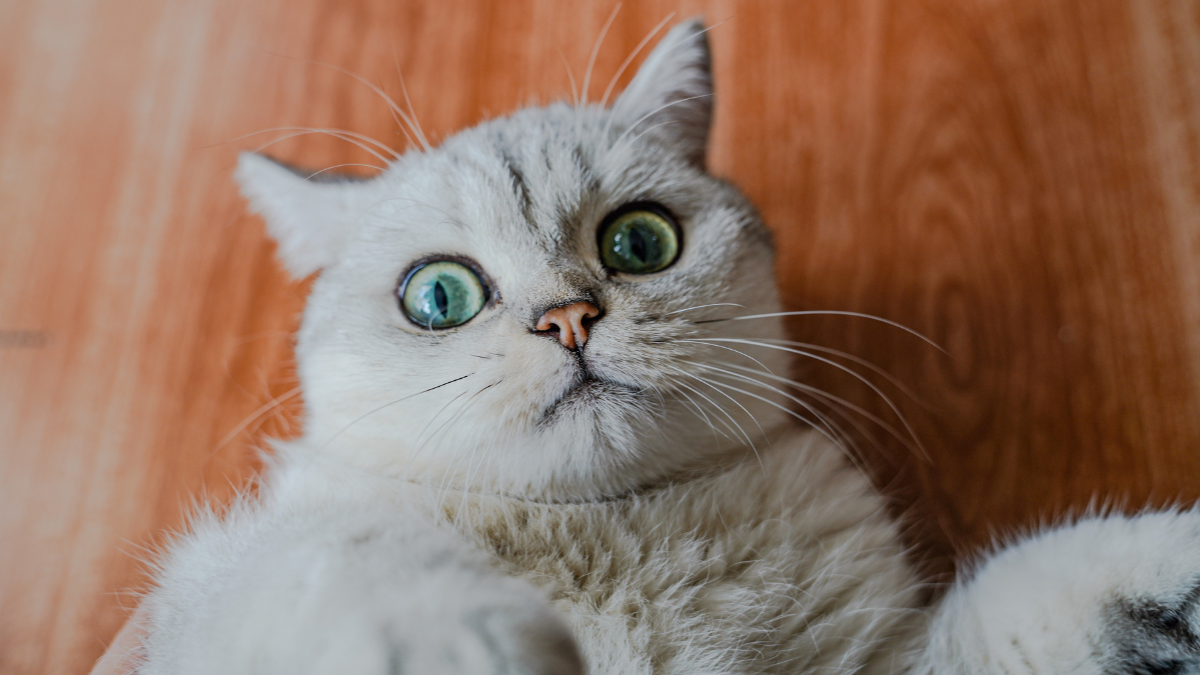
While that round face makes a British Shorthair awfully tempting to scoop up, British Shorthairs generally prefer keeping their paws on the ground to being picked up. They tend to be gentle and relatively quiet, with an independent side. They can do well with kids who are happy to sit nearby and offer gentle petting, rather than carrying them around.
If you live in a quiet household with a laid-back family dynamic, a British Shorthair may be a good fit. Just keep in mind, even quiet, independent cats need attention, play, and grooming. And even a British Shorthair who likes being around kids may need to adjust to lots of visitors.
6. Burmese
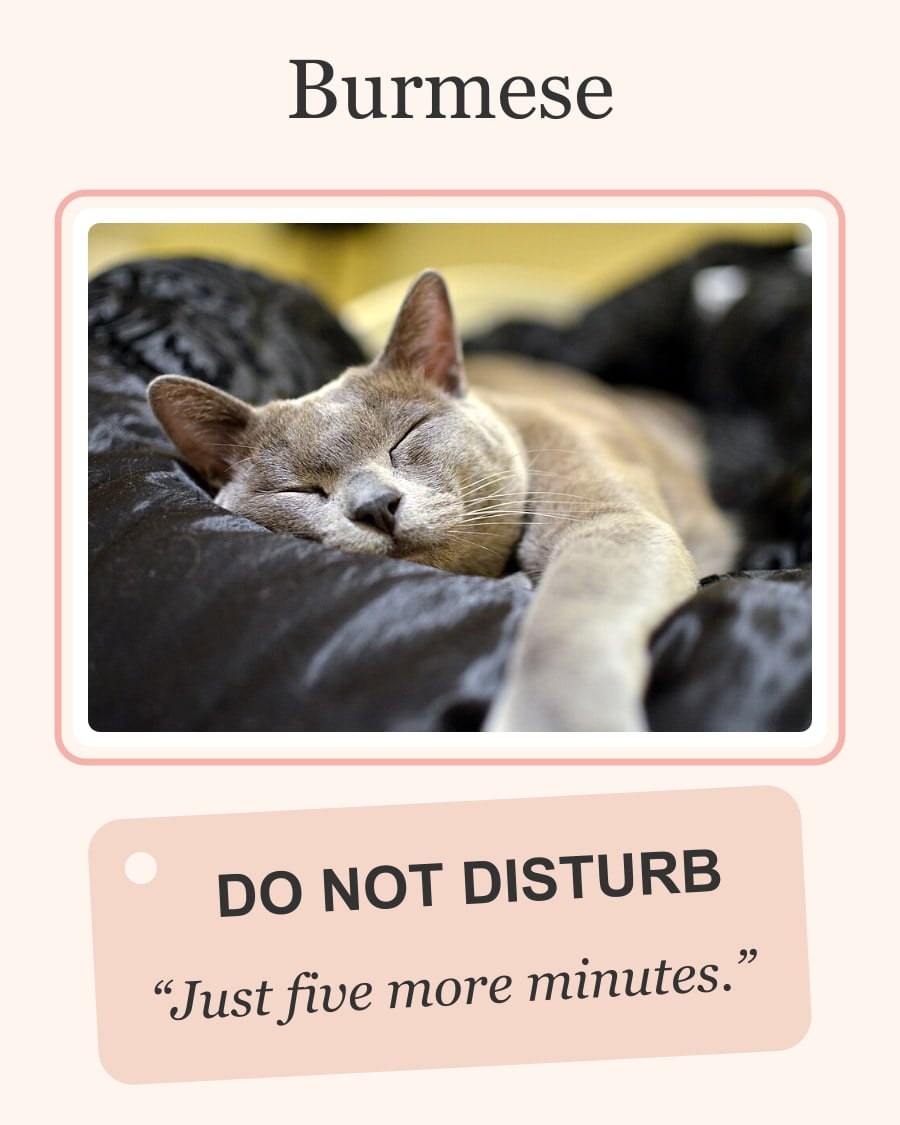
Burmese cats tend to be very affectionate and crave lots of attention. They’re curious and vocal, and they’re the sort of cat who may follow you from room to room. When it comes to grooming, Burmese fur care is pretty straightforward: you’ll just want to plan on weekly brushing.
If you have a busy, interactive household, a Burmese may be a great addition. But if you have a quieter household and are often out of the house, they may not be a good choice.
Don’t overlook an adult shelter cat
You don’t need a pedigree to find a lovely family cat. In fact, adult shelter cats may be a good option for families with children.
- American Humane even goes as far as saying that adopting an adult cat is better for families with children than adopting a kitten. Kittens are fragile, and their teeth and claws can accidentally hurt small children.
- When searching for a rescue, find out as much as possible. Are they good with kids? What about other pets if you have any around? Shelters, fosters, and rescues don’t always have a full history, but chances are they’ve seen the cat interact and can let you know how they are with people and other animals.
- If you do have children or pets, be sure to introduce them to the cat ahead of time to see how they interact before making a commitment
Think about the days between visits
If you’re getting a cat with the grandkids in mind, make sure you’re primarily doing it for you. Someone still has to scoop the litter box, refill the food and water, and keep up with brushing.
Think about what kind of cat fits into your lifestyle, not just for visiting grandchildren, but for every other day of the week.
Helping cats and kids get along
Even an affectionate cat needs time alone. Make sure they have a spot they can escape to during visits that is off-limits to grandkids and kids and has all of their supplies.
Let the cat approach first, and let them leave. Remind any children that are near the cat not to chase, grab, squeeze them, or pull their tail. Stop petting if the cat turns their ears back or starts sharply twitching their tail. Don’t disturb them when they’re using their litter box, sleeping, or eating. And always supervise interactions between children and cats.
Cats are such a great choice for a household with kids or without! Follow these tips and you’ll be purring along in no time.

Founder and editor of CatSeat and cat mom to Thelma and Louis. She’s been writing online since 2000.
Hi! I’m Lindsay. I run this site alongside my hubs Cory and our very opinionated cats, Thelma and Louis. We’re so happy you’re here!


.jpg)
![[email protected]](https://commons.wikimedia.org/wiki/File:Tabby_Cat_With_Exposed_Brick_Wall.jpg)

.jpg)