8 Smells Cats Hate (and Which Ones to Straight Up Avoid)
 By Lindsay Jones
 ✓Medically reviewed by Dr. Lindsey Mortlock
Whether you’re shopping for a home scent or a personal scent, you of course have to like it. But when you have furry roommates (husbands and pets included) you have to also make sure they’re into it as well. And when it comes to cats, they’re unfortunately not into all scents (and some are downright bad for them).
So whether you decide you want your bathroom to smell like a rainforest or a luxury hotel, keep this info, below, in mind when shopping for scents. Some require a minor change in housekeeping. Others should be kept entirely away from your cat, including if your cat has asthma. (Listen to the video below to hear what it sounds like in cats.)
These scented products are toxic to cats
A smell your cat dislikes isn’t automatically toxic. These products, though, deserve extra caution:
- Essential oils: Tea tree, eucalyptus, peppermint, citrus, cinnamon, clove, pine, wintergreen, sweet birch, pennyroyal, and ylang-ylang oils are toxic to cats, especially if swallowed or absorbed through the skin.
- Liquid potpourri: Swallowing it can cause chemical burns in the mouth and throat.
- Mothballs: These can poison cats if eaten; their fumes can also be harmful.
Keep these products out of reach, and never put concentrated essential oils on your cat. Smoke and strong sprays can irritate their airways, even when poisoning isn’t the issue.
Suspect poisoning? Call your veterinarian or ASPCA Poison Control at (888) 426-4435, available 24/7. A consultation fee may apply. Don’t wait for symptoms after a suspected toxic exposure.
1. Citrus

Most humans love the fresh smell of lemon, especially in the kitchen. Cats, on the other hand, aren’t the biggest fans. I learned this firsthand with our two cats, Thelma and Louis. We love to make lemon water in the morning, and if I cut the lemon to squeeze into the water and the cats get a whiff of my fingers after (even after I’ve washed my hands) they’ll make a squinty face and walk away. It’s very insulting in the morning to have them be so offended by us! LOL.
While (most) cats don’t like the strong aroma of oranges, lemons, and other citrus fruits, individual cats may react differently. However, there’s a difference between whole citrus fruit and concentrated citrus oils. You have to be very careful with most essential oils and cats, because concentrated oils, including citrus, are known to cause toxicity in cats.
That’s why despite the great smell, it’s best to avoid making a homemade spray with citrus oil (or really, any oil. More on that below).
2. Vinegar
Vinegar is a great, all-natural cleaning agent. Sadly it doesn’t really smell that great to cats or really, if I’m being honest, me.
The good news is despite the smell, cleaning solutions that use diluted vinegar are usually safe to use around cats as long as the surface is rinsed and allowed to dry afterward. You definitely don’t want them drinking concentrated or undiluted vinegar as it may result in irritation and gastrointestinal upset.
So again, as with any cleaning product, just remember to keep the cat away from the surface until you’ve finished rinsing and drying it.
3. Eucalyptus, Tea Tree, and Peppermint Oils
That small amber bottle might seem innocuous, especially if the label is full of images of greenery and words that convey relaxation. But when it comes to cats, that bottle can be a hazard.
Tea tree oil, eucalyptus oil, and peppermint oil are all essential oils that are toxic to cats if ingested, or if the oil comes in contact with the skin. This is also an issue if you use an active diffuser with essential oils (don’t). The diffuser can release tiny droplets of oil into the air that can get caught in the cat’s fur and ingested as the cat grooms itself. And remember, you should never put concentrated essential oils on a cat.
If you do choose to use a diffuser, use it in an area your cat can’t access. And definitely avoid using a diffuser if your pet has a history of breathing problems. If you have a specific essential oil you want to use, be sure to ask your veterinarian about how to use it safely around your cat.
4. Strong Perfume and Cologne
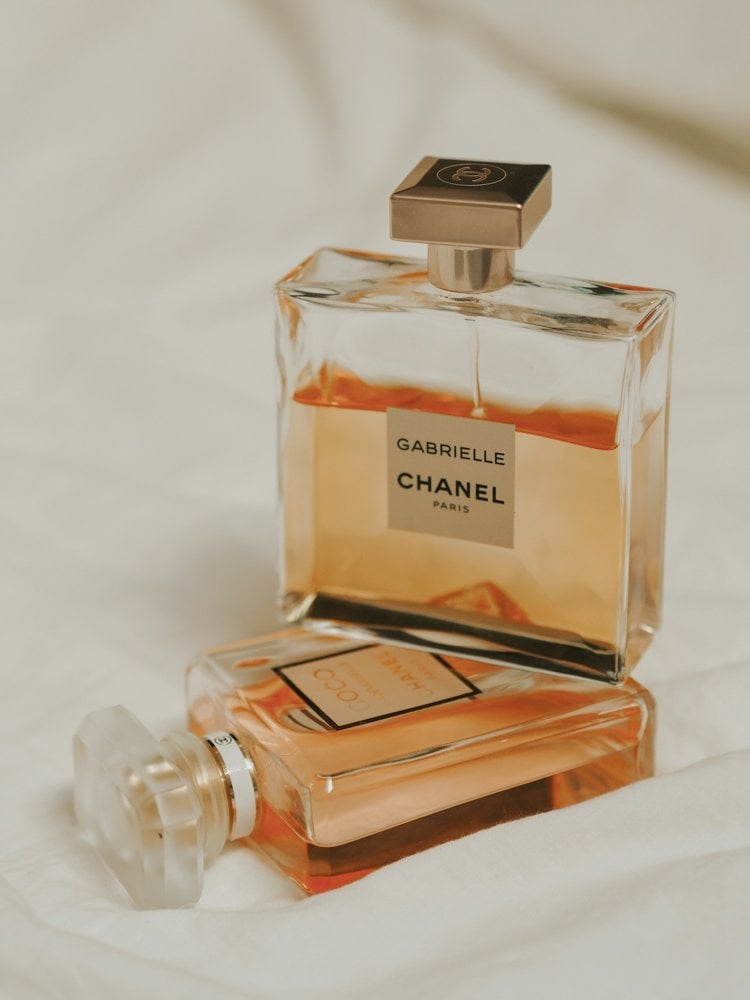
If you’re anything like me, it can take time, money, and energy to find a perfume you actually like. Or you might have one you’ve used forever…pre-furry roommate. Sadly, your cat doesn’t care that YOU like the smell of that designer perfume. To them, it’s more like ewwww-de-toilette.
That’s because cats can easily find the odor of perfume and cologne overpowering. If you do use perfume (and most of us do) be sure to spray these products away from your cat, its bed, and its food. If your cat seems bothered by the scent, don’t keep spraying to see if they get used to it; just avoid using it around them.
One owner stopped wearing a perfume after their cat made her opinion very clear:
…there was one celebrity scent i tried recently and she absolutely HATED it. she was being a good buddy but she ran away once i sprayed it and glared at me from a distance. 😅 i love her a lot so you know what, WE hate it so i don’t wear it anymore (i actually like it 💀)
— via Reddit.com
5. A Dirty Litter Box
Unlike the other items on this list, you don’t need to go to the store to solve this problem. Cats hate the smell of a dirty litter box, and so does practically everyone else. The best answer to this problem is a litter scoop, and if it’s needed, some latex gloves and a good scrubbing/washing of the box itself and a fresh batch of litter. (You can read our guide to cleaning your litter box here.)
Aside from the smell, a dirty box can discourage your cat from actually using it. That’s why you’ll want to scoop at least once a day and clean the box regularly; no amount of extra fragrance is going to eliminate the waste that’s causing the odor. Just be sure to avoid litter and deodorizers with added fragrance.
Side note: If your cat begins to relieve themselves outside the box even after it’s clean, it’s a good idea to bring them to the vet to rule out medical issues. It’s better to be safe than sorry, rather than assume they just don’t like a smell.
6. Heavily Scented Litter
Fresh-linen-scented litter sounds great in theory, but that smell is for you, not your cat. And it might actually discourage them from using the litter box properly if it’s overly scented.
At the end of the day, most cats prefer unscented litter, but every cat is unique. It’s important to look at the back of the litter you’re using and see if it contains any fragrance additives. The same rule applies for litter deodorizer. Instead of trying to mask the smell of a litter box, it’s always better to get to the source of the problem instead.
7. Chili Pepper and Cayenne
You might like spicy food, but cats definitely don’t. And the same goes for the smell of it.
The chemical that makes hot peppers hot is capsaicin, and it causes a burning sensation in cats and people. A cat’s reaction to cayenne pepper could be due to irritation rather than an aversion to the scent. Sadly, some people will use this to deter cats from entering certain areas (like garden beds or counters). Please don’t do this. Why irritate their senses if you don’t have to?
If there’s a specific area you want to prevent your cat from entering, try using a physical barrier instead. For instance, our cats love to do a little indoor gardening on our potted plants, so we got these black spiky things that go on top of the potting soil, and they work great.
8. Smoke and Strong Air-Freshener Sprays
It’s important to keep smoke and aerosols away from cats for respiratory health reasons, even if your cat doesn’t necessarily mind them. Suspected asthma triggers include tobacco smoke, aerosol sprays, cleaning vapors, and smoke from candles or a fireplace. Asthma is estimated to affect 1–5% of cats. Watch this video of Jerry the cat to see what a cough associated with asthma can look like. Coughing can have other causes, too, so a video can’t diagnose your cat.
We light candles on occasion, but lately I’ve been thinking about eliminating them altogether. We do use Pura electric air fresheners (which Pura markets as pet-safe) but only in one room. Even a product marketed as pet-safe can bother a sensitive cat, especially one with asthma.
If your cat is struggling to breathe or breathing with their mouth open, seek emergency veterinary care.
When To Seek Veterinary Help
If your cat is drooling, vomiting, shaking, or stumbling after possible exposure to essential oils, cleaning products, perfumes, or anything else they might have gotten exposure to, contact a veterinarian or a pet poison helpline immediately. And if you know they’ve ingested something or been exposed, call anyway. Don’t wait for symptoms to show up.
Founder and editor of Cat Seat and cat mom to Thelma and Louis. She’s been writing online since 2000.
An emergency veterinarian with a special interest in feline medicine — and a self-proclaimed cat lady with six cats of her own.
Hi! I’m Lindsay. I run this site alongside my hubs Cory and our very opinionated cats, Thelma and Louis. We’re so happy you’re here!
My four cats love the smell of citrus and especially eucalyptus, anything I spray with it they will roll all over. They go crazy over Pinesol.
Oh that’s interesting!