Cats Grieving: What Loss Can Look Like and How to Help
When you lose a pet, grief can be overwhelming. Everywhere you look, you see your little cat in all her favorite places. As you adjust to her absence, you might notice your other cat wandering those same places and calling out.
There’s no way to know exactly what our cats are feeling, but losing a familiar companion can affect their behavior. Some of their responses may resemble grief, while others could indicate a medical problem.
Understanding how your cat might respond to a loss can help you recognize these behavioral changes and provide needed support. It can also help you tell when you’re facing a medical concern, like not eating, that needs prompt veterinary attention. Knowing what to watch for and when to seek help can make this difficult time a little easier for both of you.
1. Do Cats Grieve? What the Research Can Tell Us
It’s impossible to really know what your cat is feeling at any given time, but that doesn’t mean loss doesn’t affect them. Research suggests that cats may experience grief-like responses after losing a companion.
A 2024 study at Oakland University included 412 caregivers and 452 surviving cats who had lost either a cat or a dog. Researchers asked caregivers about changes in their surviving cats’ behavior after another household pet died. They explored immediate changes and those experienced over the following weeks or months.
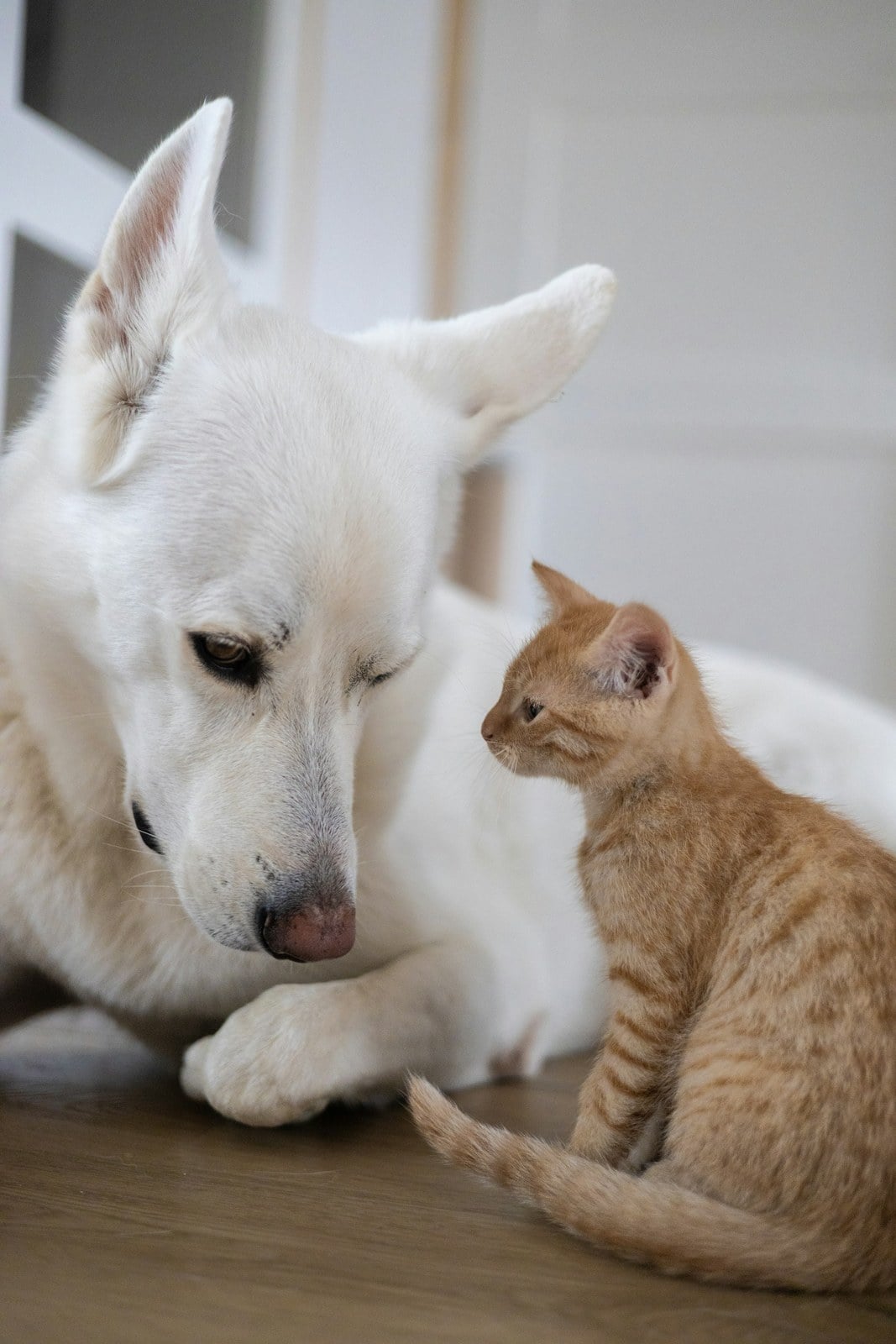
Caregivers reported multiple changes that were consistent with grief-like responses, including reduced appetite, increased attention-seeking, increased fearfulness, and more hiding or seeking out alone time. No significant differences were found between cats that lost another cat and those that lost a dog. While these findings align with grief-like responses, they don’t show that cats experience grief the same way humans do.
The study also had limitations. Researchers relied on owners’ reports rather than directly observing the cats. As a result, the owners’ grief could have shaped their perceptions of their cats’ behavior.
2. What Kinds of Loss Might Affect a Cat?
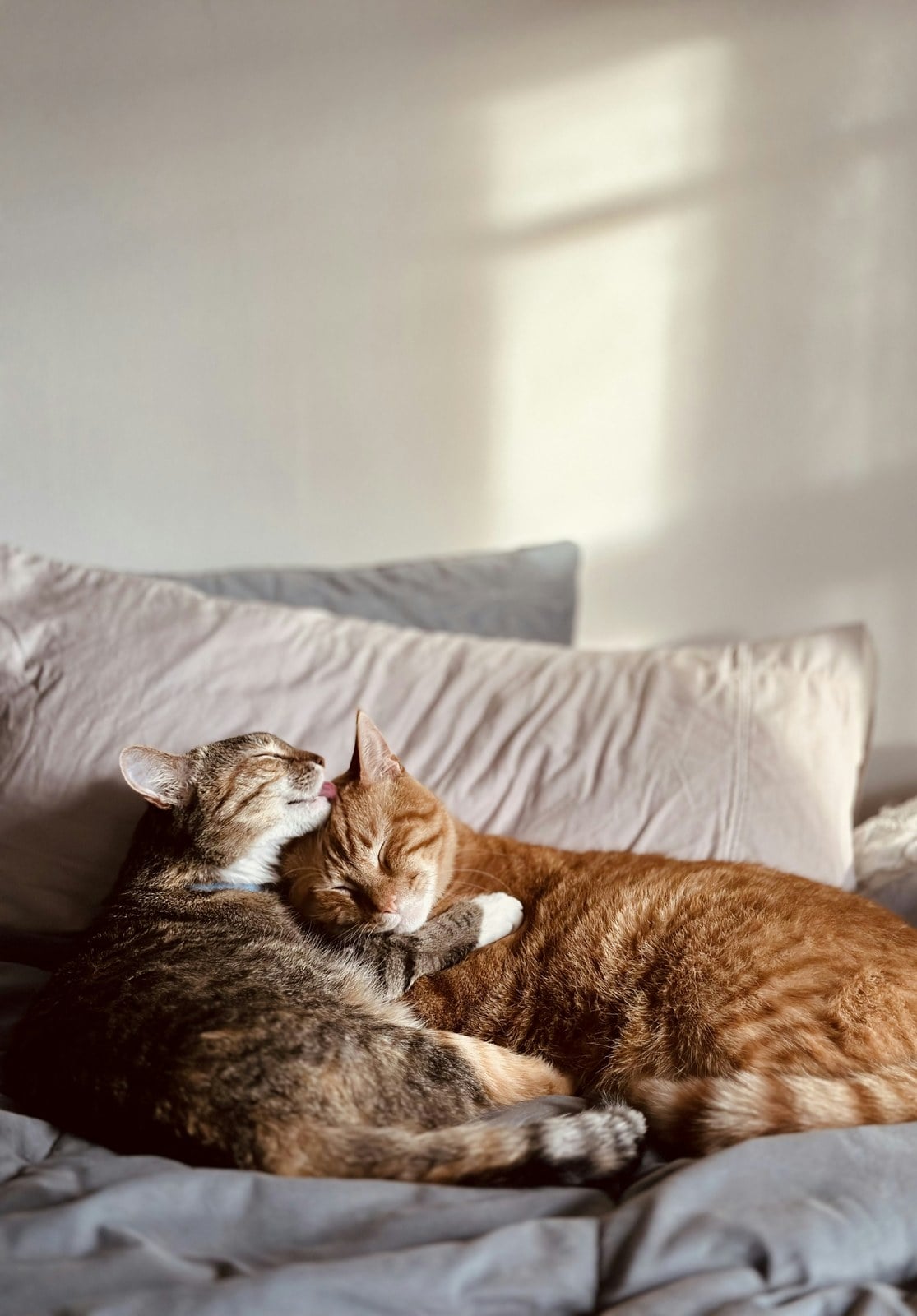
Although cats often seem independent, they can develop close relationships with other pets in the house. They may groom one another, sleep together, play together, or just enjoy being around each other. When the other pet dies, the surviving cat may respond to the loss of that companionship. Stronger relationships may lead to a stronger response.
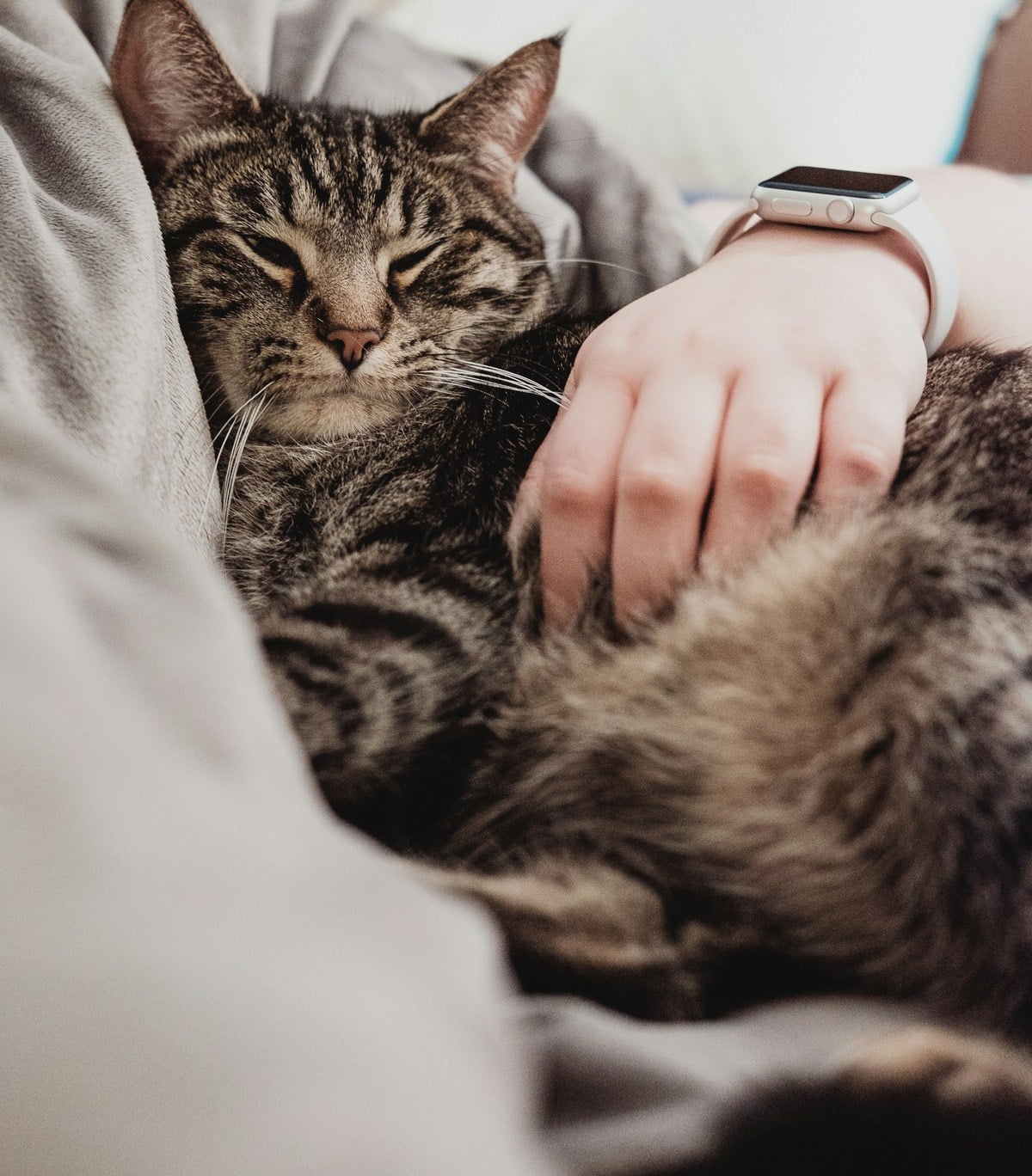
Cats can also develop strong attachments to the humans in their households. Losing someone who regularly fed them, played with them, or spent time with them can influence their daily life. Losing a human companion can affect a cat’s routine in several ways, so we can’t always separate the emotional impact of losing that individual from other changes.
Not all cats respond to loss the same. As many pet owners have experienced, some cats simply do not bond with other animals in the home. In these situations, the surviving cat may show few or no behavioral changes after their companion dies. Others may even appear more comfortable if the relationship was strained.
3. Changes You Might Notice
My cat Chloe used to follow her sister cat Muffin around the house like she worshipped the very floor her paws graced. When Chloe got sick a few months ago, Muffin took up her position as caregiver and protector, never leaving Chloe’s side until she passed. For weeks after, Muffin was not herself, sticking close to me and refusing to play. The other cats seemed to sense the difference and gave her space, which was unusual for them.
Muffin’s change in behavior isn’t unique. Some cats show behavioral changes after a loss, including:
- Eating less – Your cat may leave her food untouched or eat smaller portions.
- Sleeping differently – Some cats may sleep more or less.
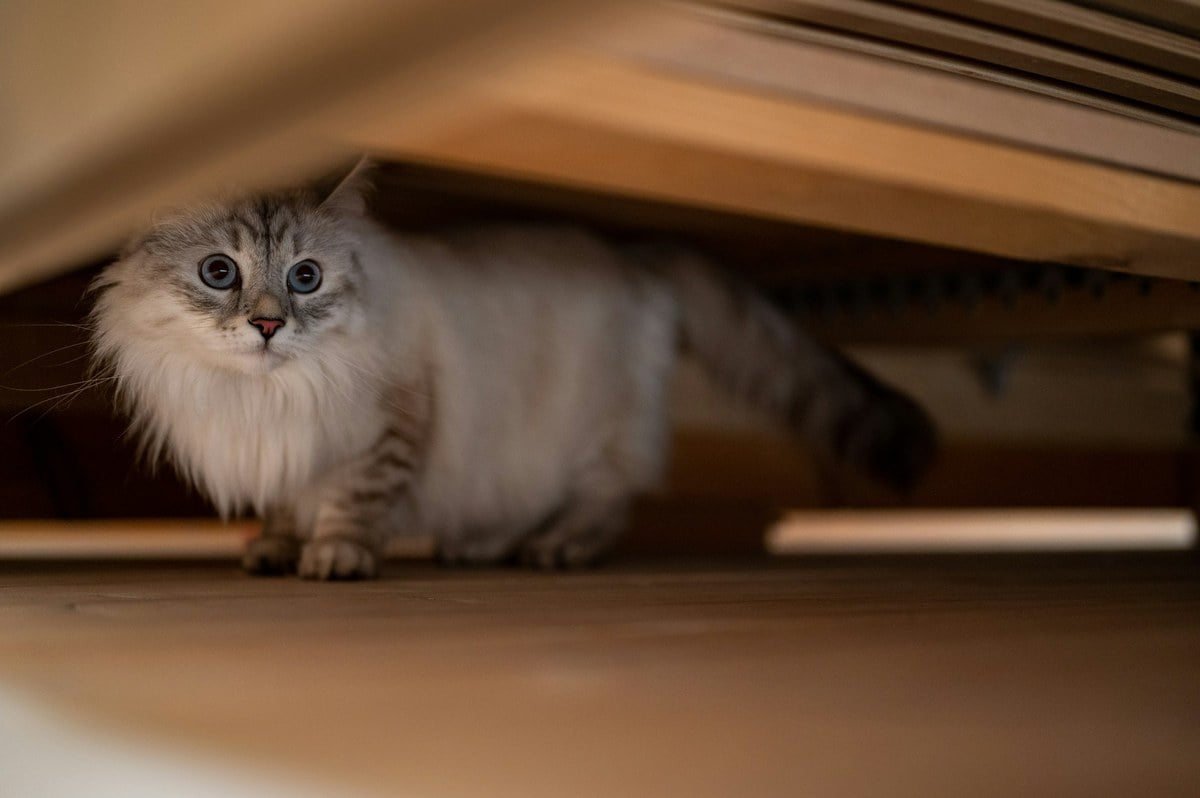
- Hiding more – A cat that normally enjoys your family’s company may start to isolate herself.
- Seeking more attention – Your cat may become more affectionate or follow you around.
- Calling more frequently – You may notice the surviving cat calling in rooms where the deceased pet spent time.
- Searching familiar places – A surviving cat might investigate familiar sleeping areas or other places associated with the deceased animal.
- Changing grooming habits – Your cat’s grooming habits may change, including reduced or excessive licking.
Not every cat will respond the same way, and some of these changes can have causes other than grief.
4. When to Contact Your Vet
Your cat may eat less after losing her companion, but you shouldn’t automatically assume it’s an act of grief. A cat that completely stops eating needs prompt veterinary attention. Even 24 hours without eating can seriously affect an adult cat’s health. Kittens, senior cats, and those with existing medical conditions may need attention sooner. Prolonged inadequate food intake can lead to severe complications, including hepatic lipidosis (fatty liver disease).
Other actions we associate with grief-like behavior can also indicate pain or illness. Look for unusual lethargy, weakness, persistent hiding, withdrawal, and significant changes in grooming, drinking, or litter box habits. While your cat may show any of these behavioral changes after losing a companion, that loss doesn’t rule out a medical problem.
Difficulty breathing and collapse are two symptoms you should never hesitate to respond to. Always treat these as medical emergencies and seek veterinary treatment promptly. Never monitor these conditions at home while waiting for your cat to adjust to a loss.
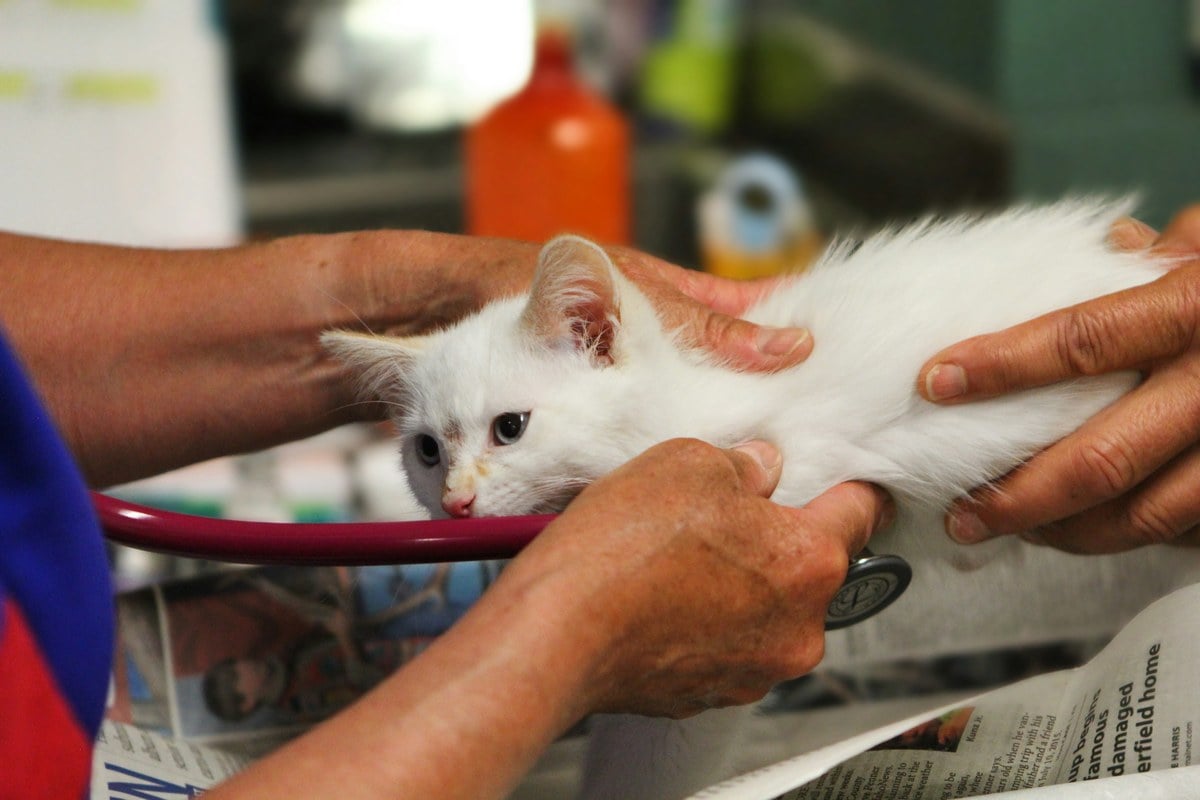
A veterinarian can assess your cat’s behavior to rule out medical causes. They can determine whether additional investigation or treatment is necessary. If they rule out medical problems, they may also recommend ways to help your cat adjust to the loss.
5. Keep the Familiar Parts of the Day
When a cat’s household changes, it can be pretty disruptive to her daily life. You can help by keeping her routines familiar. Start by keeping mealtimes consistent. Feed her around the same time each day, keep her food and water dishes in the same familiar places whenever possible, and avoid unnecessary diet changes. If she stops eating altogether, don’t assume the routine will fix it.
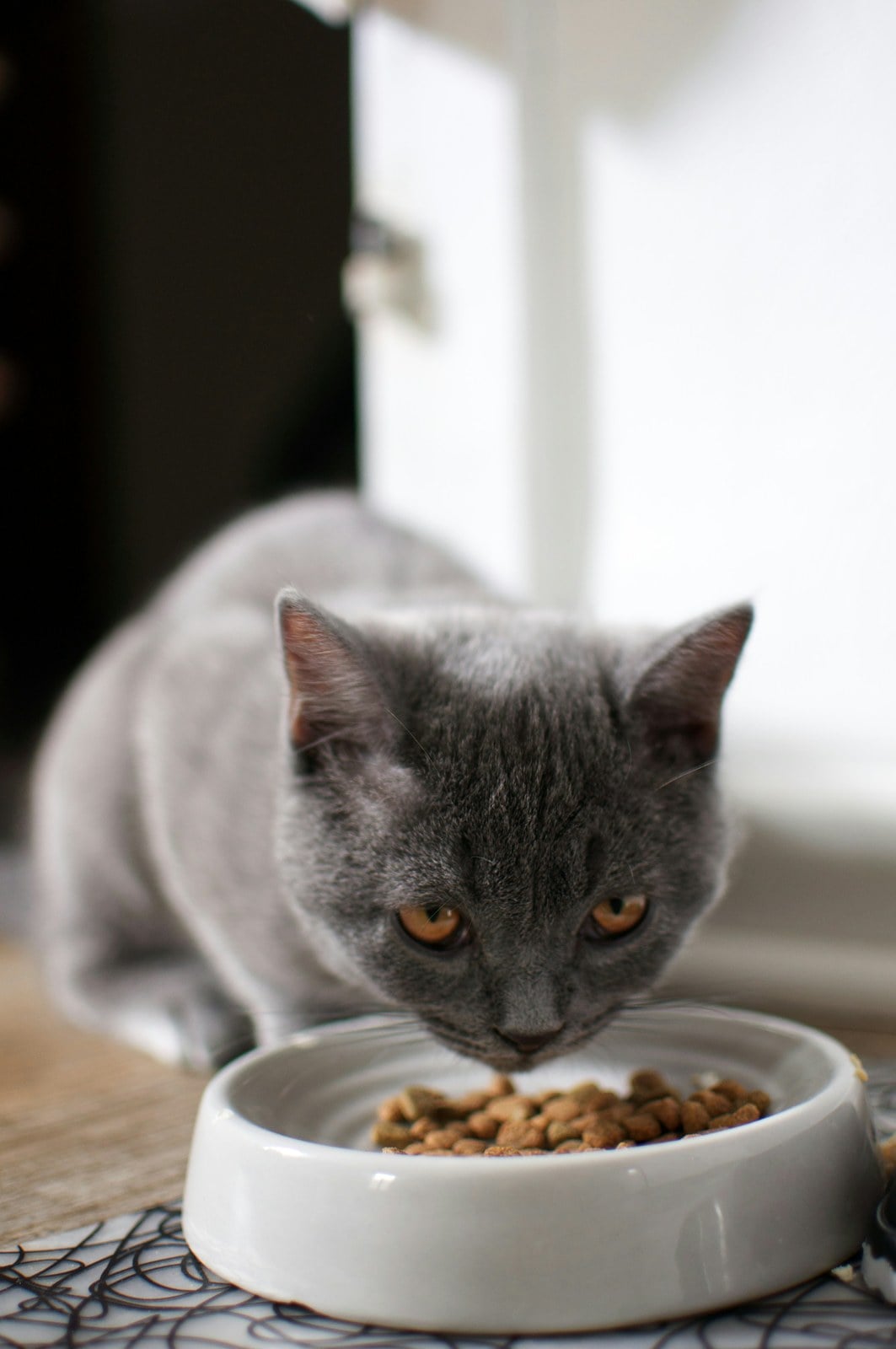
Keep litter boxes in the same locations and make sure favorite beds, blankets, and resting spots are accessible. Moving furniture or making unnecessary changes to your cat’s environment can add stress. Familiar scents may reassure some cats, but keeping your deceased pet’s bedding may not be what your surviving cat needs for comfort.
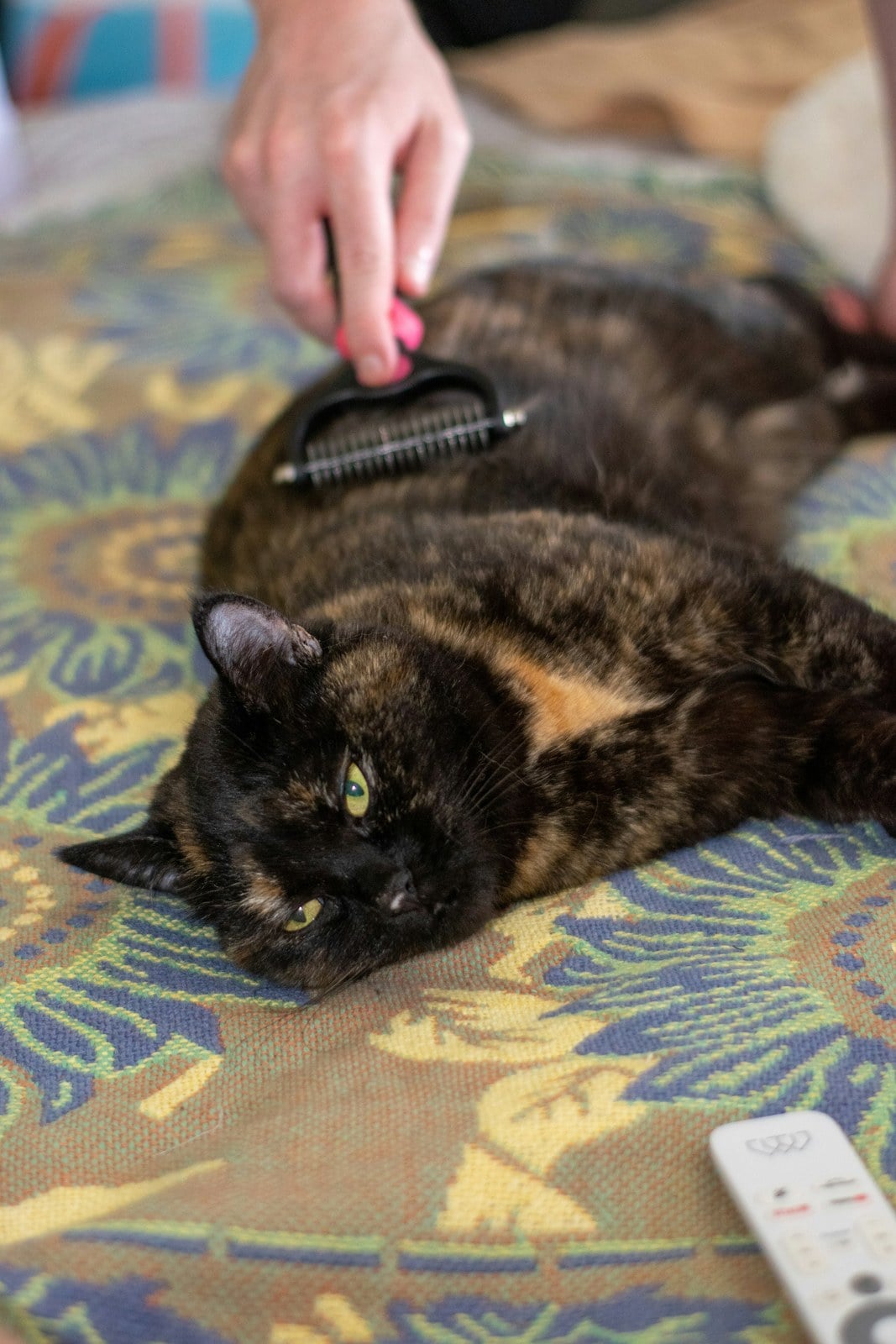
If your cat welcomes interaction or has a preferred playtime, keep offering it. As long as your cat remains interested, continue her favorite interactions, such as brushing or sitting together. If she shows disinterest, don’t force anything.
When your cat’s behavior changes, take notes to help you track it. Consider monitoring things like how much your cat is eating and sleeping. As you identify unusual behaviors, note when they occur and how often. You don’t need an elaborate tracking system. Keeping a few notes on a calendar or in your phone can be effective. This information is particularly valuable if you need to see your veterinarian.
6. Offer Company Without Insisting on It
Cats react differently to loss. Some may become more affectionate, while others prefer to spend more time alone. Don’t respond by constantly seeking your cat out. Instead, make yourself available without being pushy. If he approaches, offer affection in all the usual ways he enjoys receiving it. Most importantly, if he walks away, let him go.
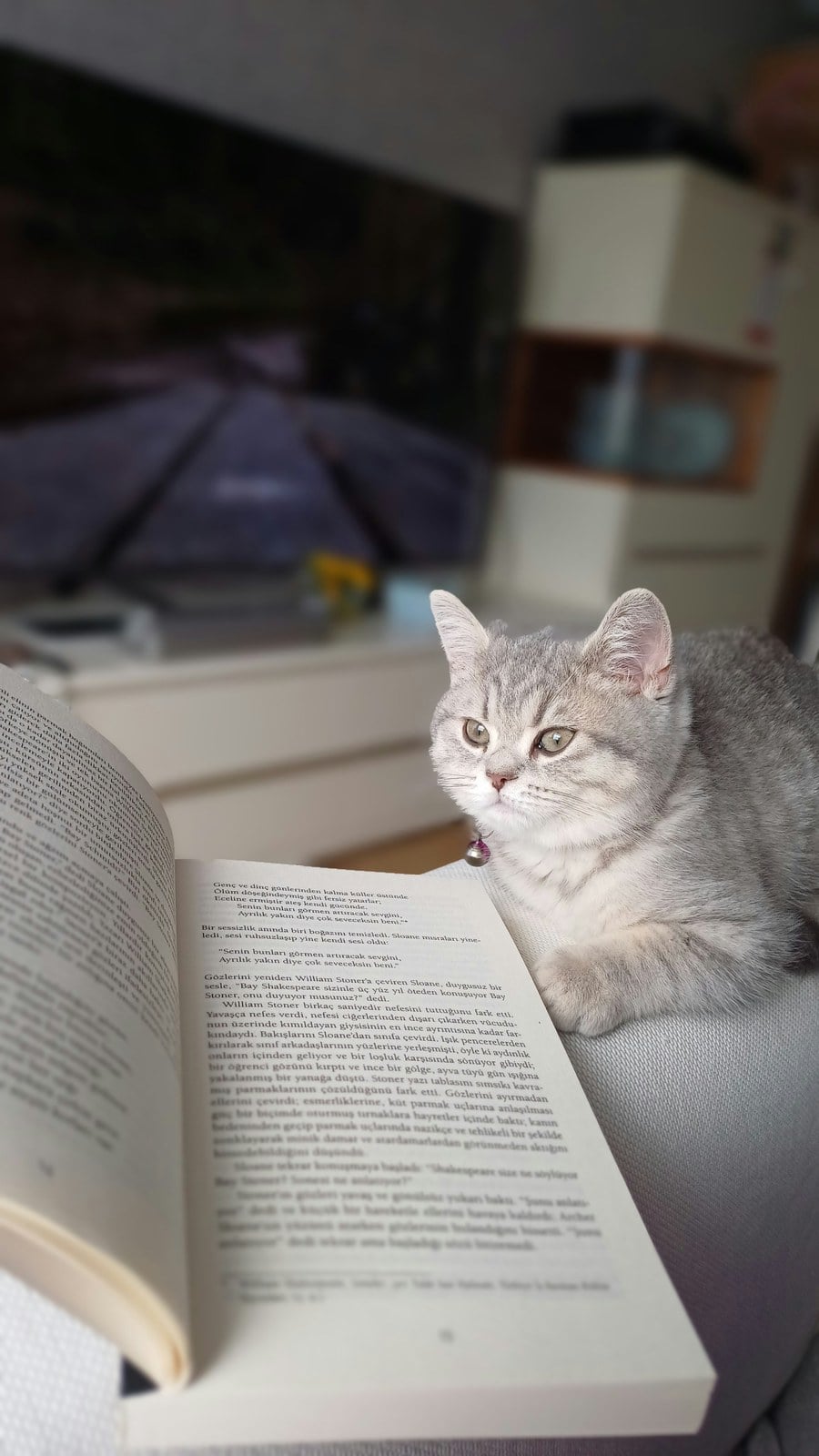
Companionship doesn’t have to be the same as providing entertainment. You can sit near your cat while you read or watch television. You can be close to him without petting him constantly. If he’s receptive to your presence, consider speaking gently. You might find that as you comfort your cat, he returns the favor.
Some surviving cats become more vocal after losing their companion animals. They may call more frequently in places they associate with the deceased companion. If this happens, respond calmly and don’t punish your cat. Increased meowing and calling can have multiple causes, including health issues. Don’t wait to consult your veterinarian if it becomes persistent, worsens, or is accompanied by other concerning symptoms.
Your cat may also want to retreat to a safe, quiet space. Never pull him out to force cuddles or other interactions. Instead of assuming that withdrawal means your cat is grieving, continue to monitor his health for other signs that he may have a medical problem or need veterinary intervention.
7. How Long Might the Changes Last?
Grief has no established timetable, even for cats. Some may return to normal behavior relatively quickly, while others will experience changes for weeks or months. The process depends on the individual cat and the specific circumstances.
Don’t try to schedule your cat’s recovery. Instead of tracking the days she seems off on a calendar, watch for signs that she’s returning to her familiar habits, including eating normally, sleeping and resting comfortably, showing renewed interest in her favorite activities, and returning to her usual social interactions. These aren’t signs that she’s fully adjusted to the loss, but they’re practical ways to monitor how she’s adapting.
Some owners opt to leave the deceased pet’s bedding in place while their surviving cat acclimates. Having something familiar around may help your cat adjust to the change in her household, but you don’t need to preserve all your deceased pet’s belongings indefinitely.
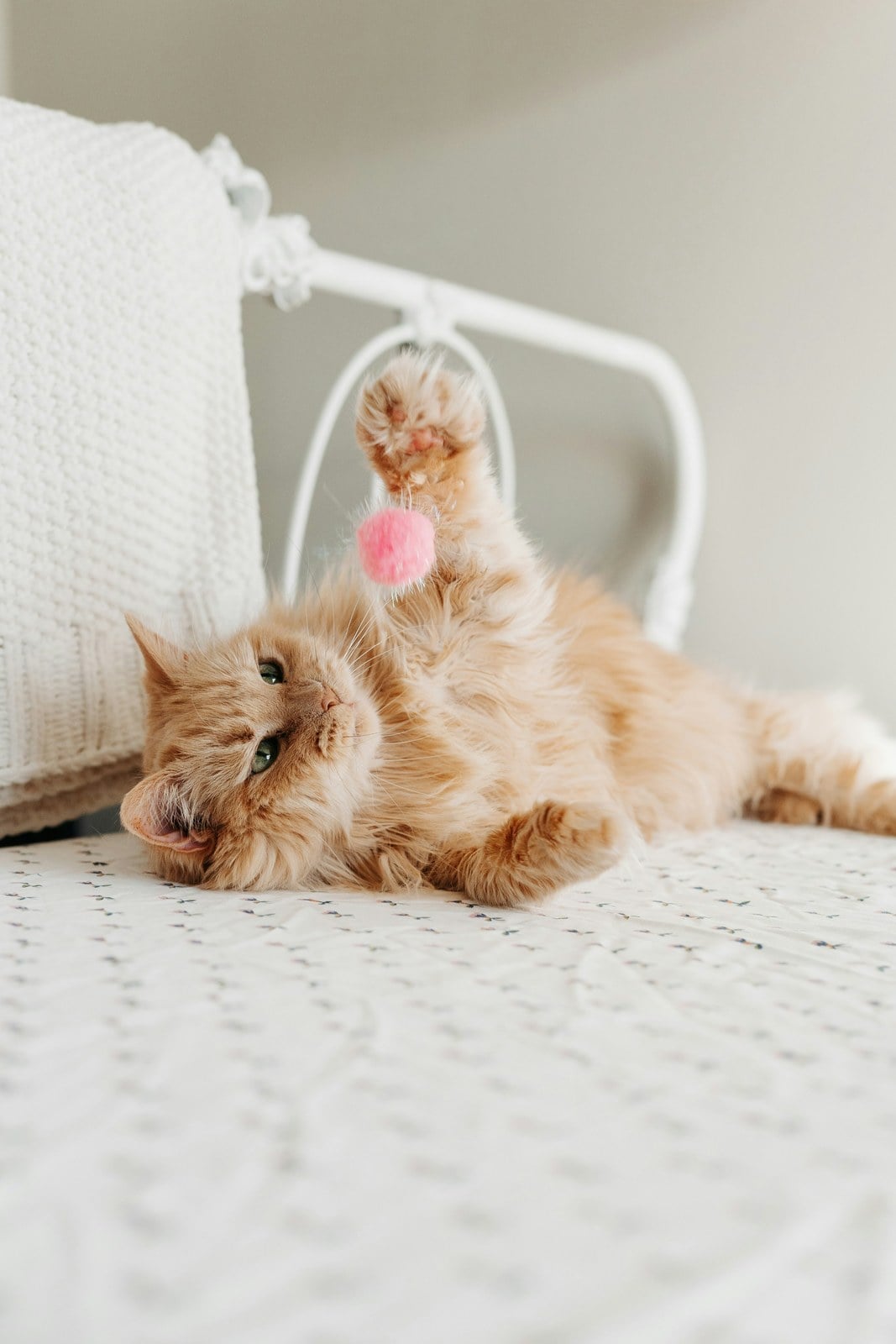
If your cat continues to isolate herself or show other concerning behavioral changes, don’t wait to take her to the vet.
8. Should You Get Another Cat?
It’s easy to think that finding your surviving cat another playmate will solve everything. The issue is that a new cat may not provide the same companionship the deceased animal offered. Cats form individual relationships that aren’t interchangeable, and introducing an unfamiliar cat can add stress to an already hard situation.
Another important thing to remember is that not all cats enjoy the companionship of other cats. Consider how your cat has responded to unfamiliar felines in the past, whether he has a history of territorial behavior, and whether he’s showing signs of illness or stress. Even if your cat was closely bonded to his lost companion, he may not welcome a new cat into the home.
Your cat’s feelings are not the only ones to consider. He is not the only one who lost someone. You should be emotionally ready to adopt another cat before you take on the responsibility. Some people are ready to adopt right away after losing a pet, while others need more time. Neither approach is wrong, and your decision should be based on the entire household’s needs, not just your cat’s.
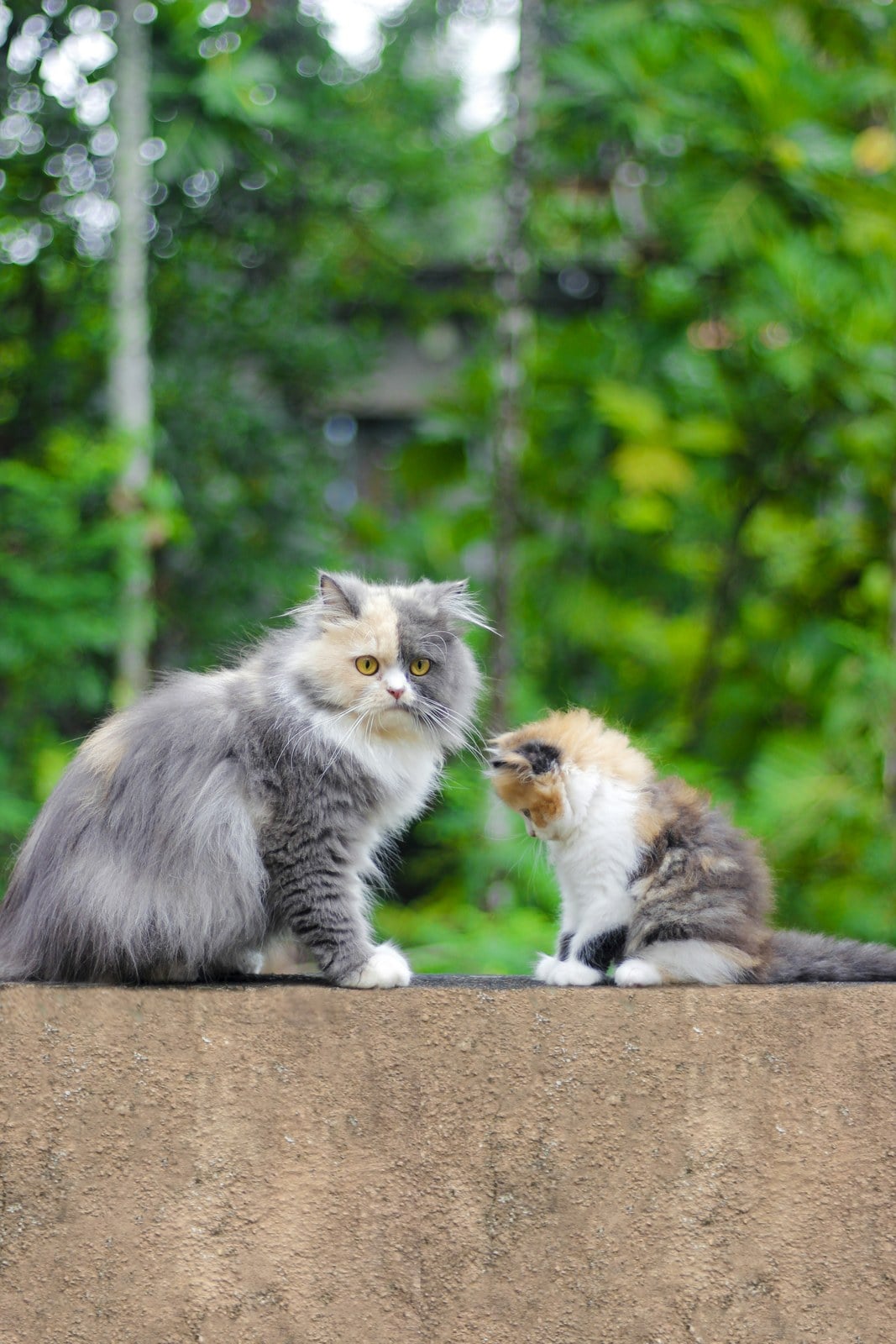
If you do decide to adopt, introduce your new cat gradually. Start with separate spaces, letting the cats get familiar with each other’s scents before a face-to-face meeting. Eventually, move to supervised meetings, letting the cats decide how much they interact, but be ready to intervene when needed. Don’t expect instantaneous bonding. Introductions can take time.
Helping Your Cat Through Loss, One Day at a Time
Losing a beloved pet, or, in your cat’s case, a companion, is never easy. You can’t snap your fingers and make the loss disappear. Maintaining a familiar routine, staying patient, and offering companionship can help your cat feel more secure as your household adjusts. Don’t forget, you’re grieving, too. Grant yourself the same patience you give your sweet baby.

Writer and lifelong cat lover who shares her home with her fiancé and 14 rescue cats.