Meaningful Ways to Comfort a Dying Cat
 By Jessica Radcliffe
 ✓Medically reviewed by Dr. Lindsey Mortlock

When your cat is nearing the end of his life, knowing how to help can be overwhelming. Since he can’t speak for himself, it’s hard to know what he needs or feels. While you spend your time trying to keep him comfortable, you worry that it’s not enough.
The good news is that you don’t have to figure it all out yourself. Your vet can help you manage your cat’s pain and other symptoms. You can also make practical adjustments to your cat’s environment to respect his changing preferences. While a lot of things change during this stage of your cat’s life, never dismiss difficulty breathing, collapse, and severe distress as natural signs of dying. These symptoms require immediate veterinary treatment.

If your cat is already receiving end-of-life care, you can make small changes at home that can improve his daily comfort. Here are ten ways you can help.
Ask Your Vet What Will Help
When your cat has a serious illness, the vet’s goal isn’t always to cure the condition. Sometimes, the focus shifts toward making your baby feel more comfortable. In this situation, your vet may recommend palliative care. This type of care helps manage symptoms like pain and nausea while your cat may still receive treatment for the underlying illness. Alternatively, if your cat is nearing the end of her life, your vet may suggest hospice care, which focuses on comfort and quality of life rather than a cure.
Your veterinarian can help you develop an individualized care plan for your cat, including which symptoms you can safely manage at home and which changes require a trip to the vet’s office. You can also plan on who to contact if something urgent happens after hours. Laying this out will help you anticipate changes instead of simply reacting to them. Take the time to develop an emergency plan. The last thing you want is for your cat’s condition to deteriorate in the middle of the night without knowing where to take her.
Hospice care doesn’t necessarily mean waiting nearby while your cat dies naturally. It may include planning for euthanasia when her suffering can no longer be adequately managed.
Stay in Touch With Your Vet About Pain
Cats can be very good at concealing when they are uncomfortable or in pain. Just because he’s unusually quiet or sleeping more doesn’t automatically mean he’s comfortable. If he’s in pain, he may hide, be reluctant to move, have changes in appetite, or become more sensitive to touch.

Nausea, anxiety, or breathing difficulties may also affect a cat nearing the end of his life. His veterinarian can assess these symptoms and recommend appropriate treatment. If your cat experiences difficulty breathing, don’t wait for a routine appointment to consult his vet. Always treat that situation as an emergency.
If your vet prescribes medication, follow the directions exactly each time you give it to your cat. Never give him human painkillers or adjust his medication dose without first consulting his vet. If you find that administering the medication becomes too difficult or causes too much stress, ask the vet if there is another formulation or method available.
Make Their Favorite Spot Comfortable
If your cat is seriously ill, she may spend more time resting or have difficulty moving around. To help keep her comfortable, ensure the bedding remains soft and clean. Consider making her resting spot somewhere away from where most of the household activity takes place. Use familiar bedding that smells like home in a comfortably warm room that won’t get too hot. Your cat should have enough space to comfortably reposition herself as needed.
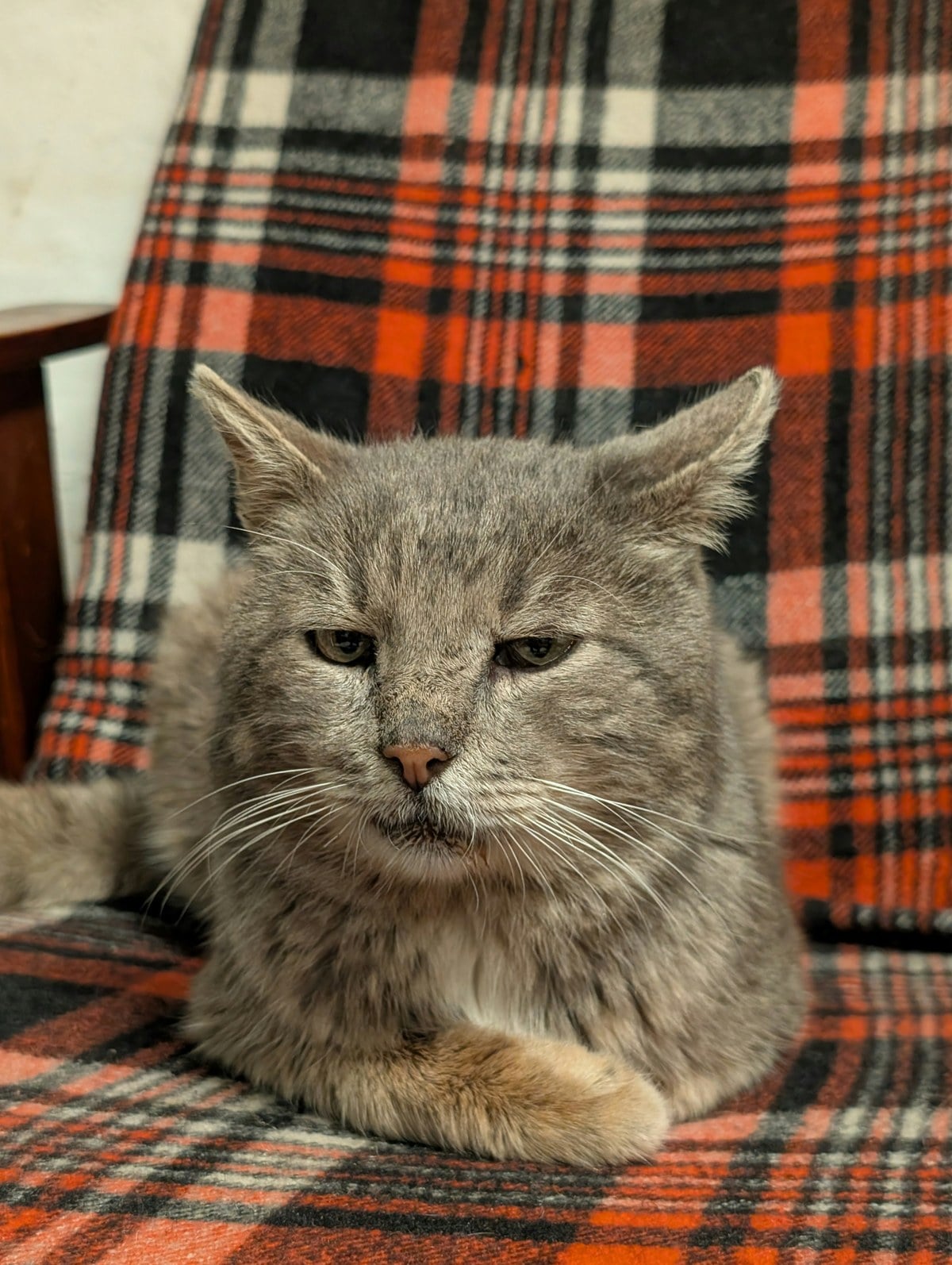
As most of us know, cats often enjoy external heat sources. Because of this, it can be tempting to place your cat on a heating pad or layer warm blankets over her. This can be risky if your cat has mobility issues and can’t move away if the heat source gets too hot. If your cat seems cold, ask your vet for safe ways to provide warmth.
Remember, not every cat will like the same resting spot. If yours prefers a particular room or bed, try to make that spot accessible and as comfortable as possible without moving your cat to an unfamiliar location. The goal should be to make small adjustments as needed that will preserve your cat’s sense of security.
Keep Food, Water, and the Litter Tray Nearby
A cat nearing the end of life shouldn’t have to work hard to get to the essentials like food, water, and the litter box. Weakness, pain, or limited mobility can make once-easy activities more challenging. To make your cat more comfortable, move her food and water bowls closer to her resting area and avoid placing them in spaces that require her to navigate stairs. If your cat spends time in different rooms, it may be beneficial to place additional bowls in those spaces.
Elderly cats and those with limited mobility may struggle to climb into litter boxes with high sides. In these situations, switching to a low-sided litter box may make things easier for your cat. Find a quiet spot away from household traffic where she can get in and out without struggling. Keep the box separate from her food and water, and make sure it stays clean.
Whenever possible, focus on preventing unnecessary physical effort. For some cats, introducing elevated food and water bowls can make eating and drinking more comfortable. You can also make her preferred resting place accessible at floor level rather than expecting her to climb. If your cat has trouble with standing, walking, or maintaining balance, ask your veterinarian for safe ways to help her move.
Offer Food and Water Without Turning It Into a Battle
When your cat is receiving end-of-life care, he may lose interest in eating because of pain, nausea, or dehydration. To help, offer appealing food that meets your vet’s recommendations. Hydration support can come from wet food, different water sources, or veterinary-administered fluids. Your veterinarian can help manage any underlying problems.
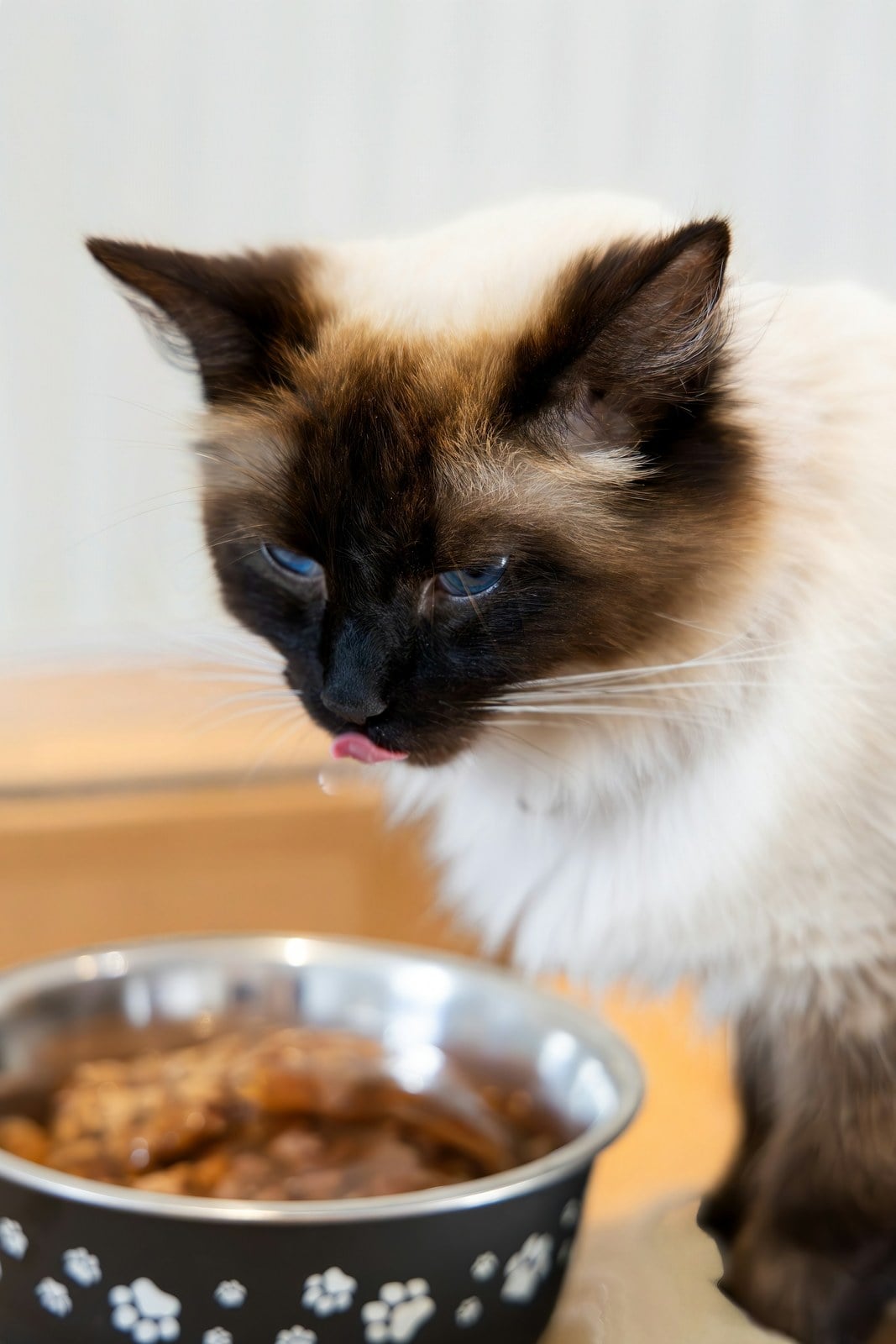
Your cat may refuse food and water during these final stages. Forcing either on him can cause undue stress and should be avoided. This includes using a syringe to get your cat to eat or drink, especially if he is weak or struggling, as it can cause fluid or food to enter the airway.
Reduced appetite should not necessarily be accepted as a normal part of dying. If your cat completely refuses to eat or drink, has difficulty swallowing, vomits repeatedly, shows signs of nausea or dehydration, or seems uncomfortable while eating, contact your vet.
This can be an incredibly emotional and challenging time, especially if your cat has a declining appetite. However, that doesn’t automatically mean you should treat his decreased appetite as something to overcome with increasingly tantalizing foods. Your vet can determine if he needs medication or if reduced food intake is part of the dying process. They will weigh the potential benefits and risks, along with your cat’s overall comfort, before recommending interventions.
Help Them Stay Clean and Dry
You may reach a point when your cat can no longer care for her own hygiene. This can happen because of weakness, fatigue, pain, reduced mobility, or lack of interest in grooming. Your cat’s coat may be less tidy, her bedding may be damp, or she may have difficulty keeping her hindquarters clean.
To keep your cat comfortable, you may need to take a few steps each day to help her stay clean and dry. If she has a bathroom accident, replace damp or soiled bedding promptly. When necessary, gently clean the soiled areas of her body. Always try to keep the cleaning sessions as short as possible, and give her a break between necessary care activities. If you notice she becomes distressed during this process, stop and ask your vet how to make it easier on her.
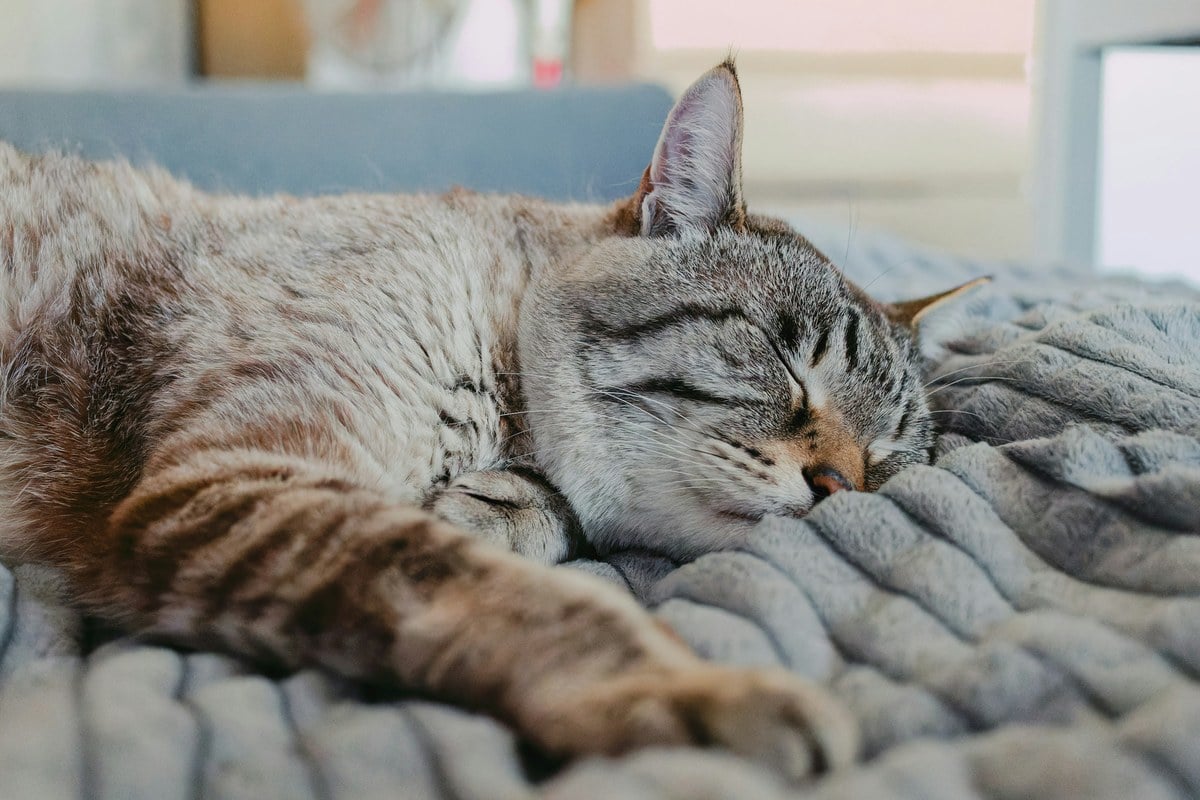
Excessive grooming, bathing, or handling can cause more discomfort than intended. Avoid full baths unless absolutely necessary and report any skin irritation to her vet. If her fur becomes matted, ask the vet for proper guidance on removing the mats. Try not to repeatedly move her if she’s in pain or extremely weak.
A clean cat isn’t necessarily comfortable if the process causes pain or distress. Don’t feel obligated to keep your sweet baby looking her best. During this time, her comfort is the top priority, not her appearance.
Let Them Choose How Close You Stay
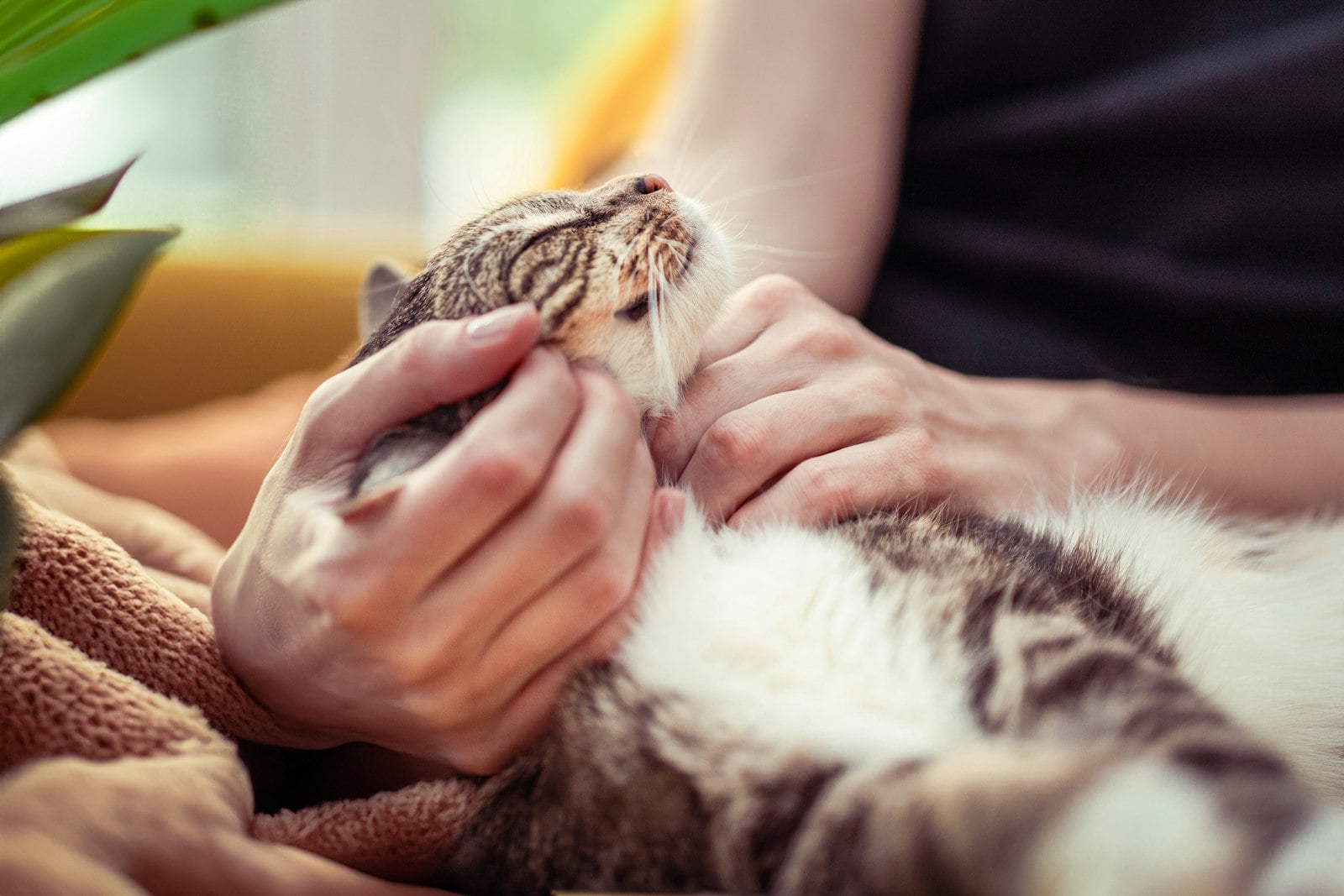
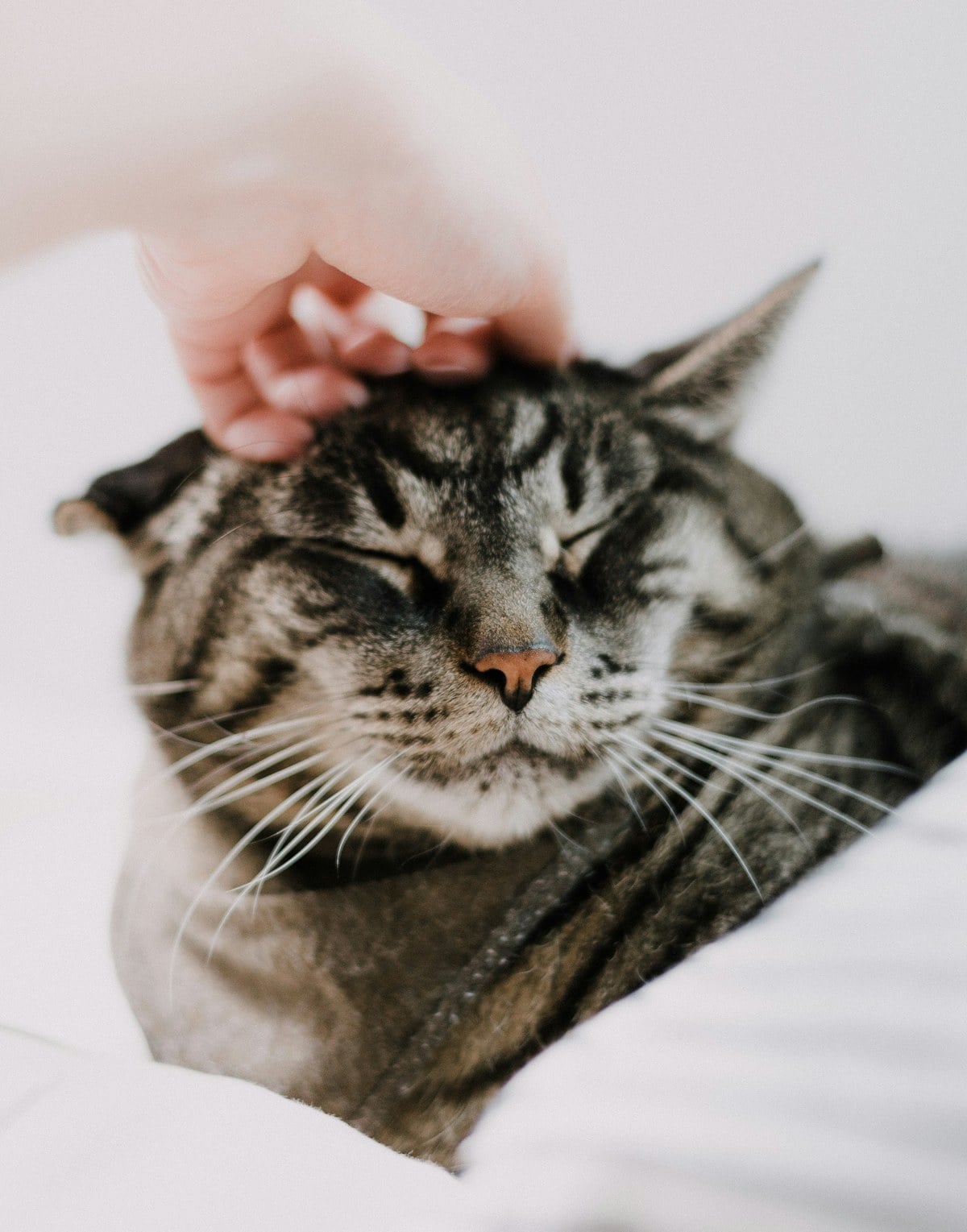
How much interaction your cat wants should be up to him. As tempting as it is to do everything you think is soothing, it’s important to let him decide what is acceptable. While he may not want to be held or petted, he may still enjoy your presence. Consider sitting nearby and speaking softly. If your cat generally enjoys being touched, offer a gentle stroke, but don’t force the interaction.
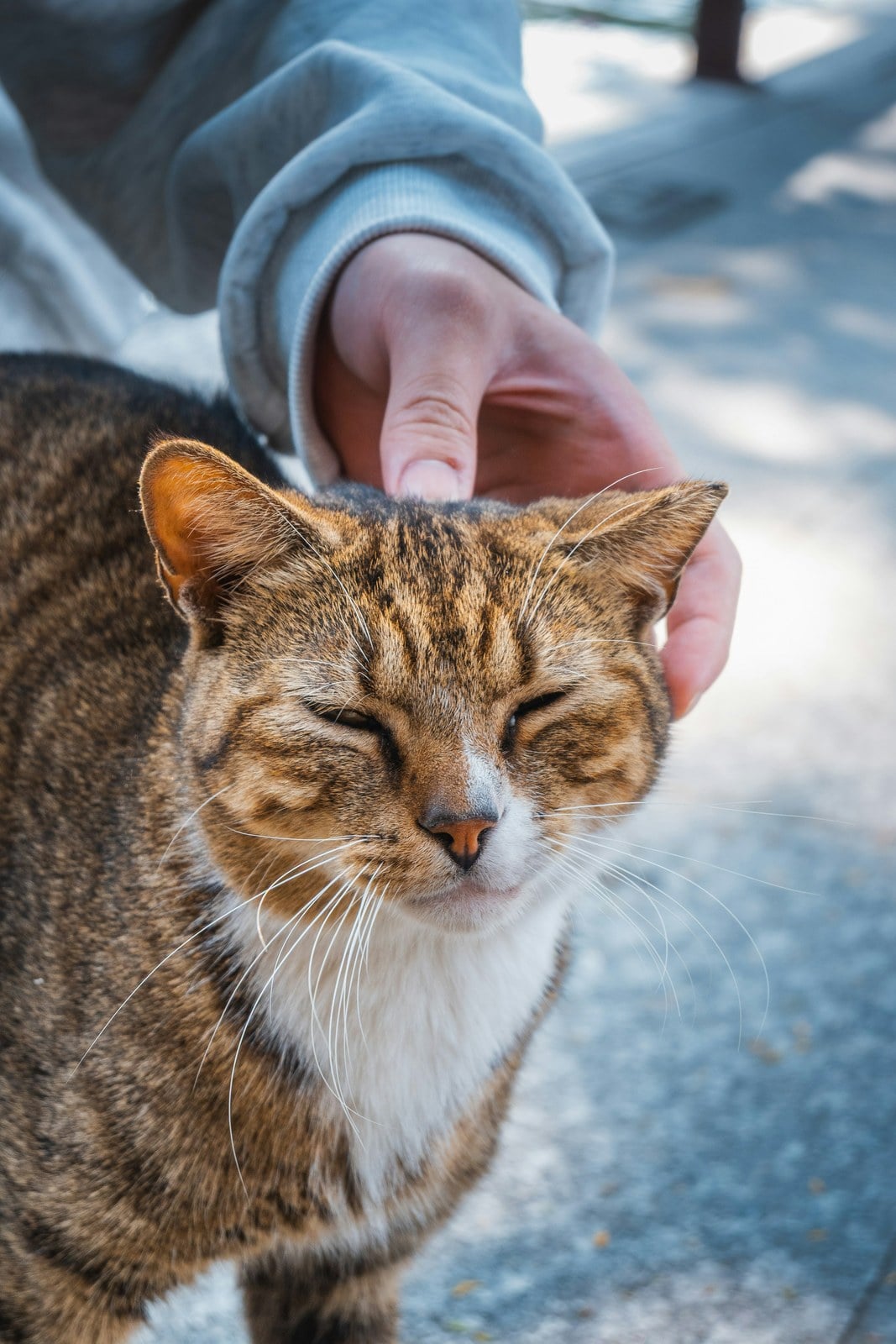
Some cats will withdraw when they are seriously ill. If your cat chooses to self-isolate, it doesn’t mean he’s rejecting you. Let him turn away from petting or withdraw to a quiet location. If he has a favorite hiding place, make sure it remains accessible. At the same time, watch for behavioral changes. A cat that suddenly hides more may be experiencing pain or worsening illness. Discuss these changes with his vet to ensure he’s getting the right end-of-life care.
There is no universal rule for how much love and attention a dying cat wants. Some may seek more attention while others choose to withdraw. Pay attention to how your cat responds to interactions and adjust accordingly. The goal isn’t to maximize how much physical contact you have with him. It’s to make the time he has left as comfortable as possible.
Make Time for the Little Things They Still Enjoy
As your cat’s human parent, you know her preferences the best. While she may not be able to participate in many of her favorite activities anymore, there may be some things she can still enjoy. Consider setting her up to birdwatch through a familiar window or rest in a favorite sunny spot, making sure she doesn’t overheat.

Because your cat’s physical limitations can change what she can comfortably do, you may need to adapt these activities to better suit her needs. For instance, if she once enjoyed looking out the window from the top of her favorite cat tree, consider making her a cozy spot that’s lower to the floor where she can still see out. By making familiar pleasures accessible, she can still participate when she chooses. But keep activities brief and watch for signs of fatigue or discomfort. Most importantly, when she’s ready to disengage, let her. Just because something made her happy once doesn’t mean it will still be enjoyable.
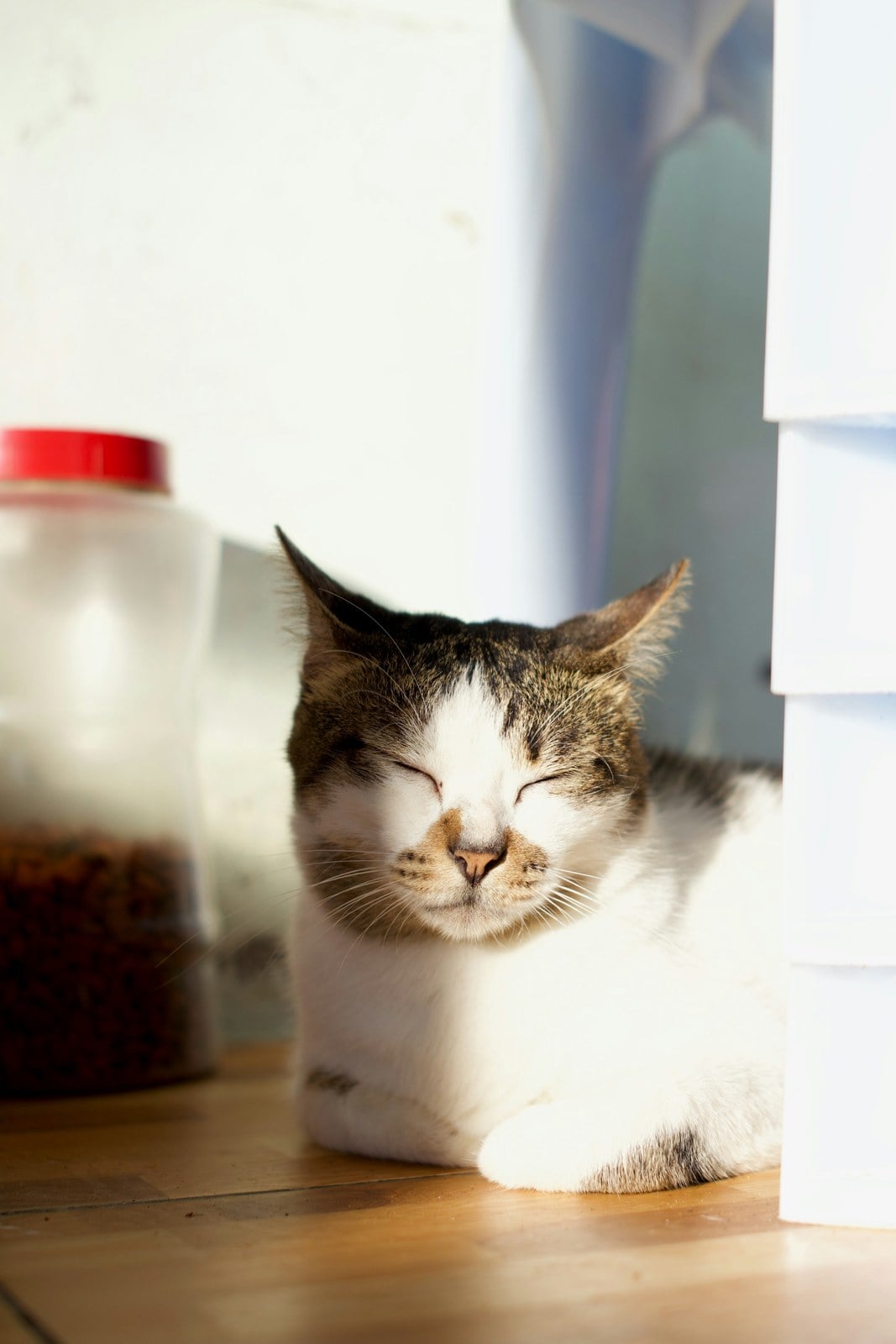
You may feel pressured to make her final days as memorable as possible. However, special outings, visitors, or unfamiliar activities can be stressful or exhausting for a seriously ill cat.
Talk About When It May Be Time to Say Goodbye
Knowing when to say goodbye is rarely straightforward. During this period, monitor your cat’s daily comfort and note changes in how he’s functioning. Consider things like whether his pain and other symptoms are still being adequately managed. Note any changes in his appetite and drinking, his ability to rest comfortably, his mobility and ability to reach essential resources, and whether he still enjoys his favorite activities. Using a quality-of-life scale, like the ones from Lap of Love or The Ohio State University, can be beneficial to track day-to-day changes to discuss with your vet.
Euthanasia is not a failure of your love and care. It is an option intended to prevent or relieve your cat’s suffering. Work with your vet to determine whether your cat’s symptoms can still be managed effectively and whether additional comfort measures are appropriate. Your vet will also help you decide whether euthanasia may be the kindest option.
Natural deaths often aren’t peaceful or free from discomfort, and planning can prevent unnecessary suffering. If you prefer a hospice-supported natural death, your veterinarian can help you manage symptoms and create a plan for what to do if your cat experiences distress. Breathing difficulty, collapse, or severe distress require immediate veterinary attention. Don’t wait for a scheduled appointment or assume these symptoms are simply part of dying.
Say Goodbye in Your Own Way
There’s no perfect way to say goodbye, so please, don’t feel pressured to create a particular kind of farewell to your baby. Sometimes, simply spending time together is enough. This can look like sitting beside her quietly, speaking softly, or offering gentle pets if she’s interested.
Considering euthanasia is not an easy decision, and it can bring up a lot of uncertainty. You can ask your veterinarian what the process involves before the day of the appointment. Find out whether you can spend time with your fur baby before it happens and what options are available for saying goodbye either in the clinic or at home.
How you say goodbye is up to you. There’s no requirement to take photos or obtain keepsakes. You can choose how you will remember her. Not knowing what to say doesn’t mean you don’t care, and if you can’t remain present during euthanasia, it is not a failure and does not mean you love her any less.
Comfort, Care, and Love Until the End
End-of-life care for your precious little fur baby isn’t easy. No matter what you do, you can still question whether it’s enough. But that doesn’t mean you have to do it all on your own. Remember: your vet can help you assess your cat’s quality of life.
Comfort matters more than doing everything perfectly. What counts the most is responding to your cat’s individual needs and preferences.
Writer and lifelong cat lover who shares her home with her fiancé and 14 rescue cats.

An emergency veterinarian with a special interest in feline medicine — and a self-proclaimed cat lady with six cats of her own.