A Cat-Safe Frozen Lick Mat Recipe (for Picky Cats)
 By Lindsay Jones
 ✓Medically reviewed by Dr. Lindsey Mortlock
Some links are affiliate, so we may earn a small commission at no cost to you. As an Amazon Associate, we earn from qualifying purchases. Every purr-chase keeps two very demanding cats in treats. Our policy →
I went into the whole lick mat thing as a skeptic, mostly because I live with two of the pickiest cats alive. These are animals that won’t eat a blueberry, turn their noses up at sardines, and have decided the only acceptable human-adjacent food on earth is freeze-dried chicken. So the idea of them happily licking a mat of mashed-up anything felt like a stretch. But lick mats are cheap, they’ve real benefits, and a frozen one doubles as a way to cool a cat down on a hot day, so I figured it was worth a shot.
If your cat is equally impossible, here’s how to set one up safely, what to put on it, and how to give yourself the best odds they’ll use it.
Why bother with a lick mat
Lick mats aren’t just a cute trend. Vets point to them for slow feeding, since a lot of cats gulp their food and then bring it right back up, and the steady licking can have a calming effect on anxious cats. Freezing whatever you spread on the mat stretches the activity out longer, and on a warm day it gives a cat a bit of hydration and a way to cool off.
Pick a safe mat first
Lick mats are usually silicone or rubber. Look for one that’s food-grade and BPA-free, and firm enough to stand up to a determined tongue without being so hard it bothers the teeth and gums. A suction base helps if your cat likes to drag things around the kitchen. Skip anything with small parts that could come loose.
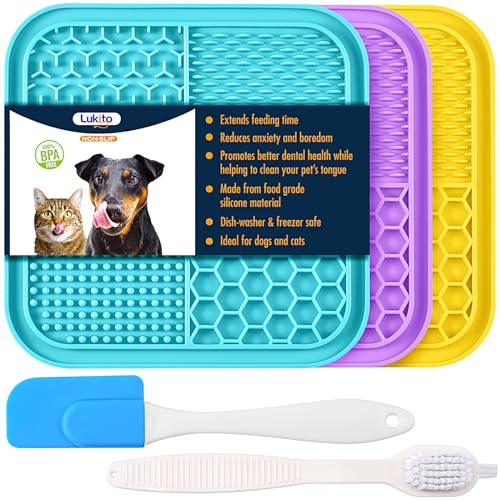
Silicone Lick Mat with Suction Cups
Cheap, and the suction cups stop a determined cat from dragging it across the kitchen. Spread a thin layer of something cat-safe, freeze it, and you’ve bought yourself a slow, calm few minutes. Wash it after every use.
A frozen lick mat recipe to start with
If you’d rather start with one solid recipe than improvise, this tuna and pumpkin combo is a good bet. It’s cat-safe, quick, and uses things that keep well in the pantry. Our two, who usually only eat freeze-dried chicken or minnows, are super into it, which is a success in my book! However as we ALL know most cats are difficult, so this might not be a winner for your crew. But tuna tends to be a strong opener so it’s worth trying!
Ingredients
- 1 tablespoon canned tuna in water, drained
- 1 tablespoon plain canned pumpkin (not pie filling)
- 1 to 2 teaspoons low-sodium bone broth (no onion or garlic)
- Optional: a small pinch of catnip, or a crushed freeze-dried treat on top
Instructions
- Mash the tuna and pumpkin together in a bowl.
- Stir in the bone broth until it’s smooth and spreadable.
- Spread the mixture thinly across the lick mat.
- Sprinkle on the catnip or freeze-dried bits, if you’re using them.
- Freeze for 1 to 2 hours, until firm.
- Serve it up for some cool, calm licking.
One caveat: tuna is a treat, not a meal, so keep this an occasional thing. Use tuna packed in water, not oil or brine, and skip it if your vet has your cat on a special diet.
Other safe bases to try
Once you’ve got the hang of it, the base can be almost anything soft, cat-safe, and spreadable. Wet food thinned with a little water works, so does plain unsweetened yogurt if your cat handles dairy (plenty don’t), and so does freeze-dried chicken rehydrated in warm water and mashed to a paste. Same method every time: spread it thin, freeze it, and serve it in a shallow dish to catch the drips.
Keep these off the mat
Some everyday foods are toxic to cats, so leave them out entirely: onion, garlic, and chives, which can damage a cat’s red blood cells; xylitol, a sweetener that hides in some peanut butters and yogurts; chocolate; grapes and raisins; and anything heavily salted. When you aren’t sure, keep it plain and cat-specific.
Getting a picky cat to use it
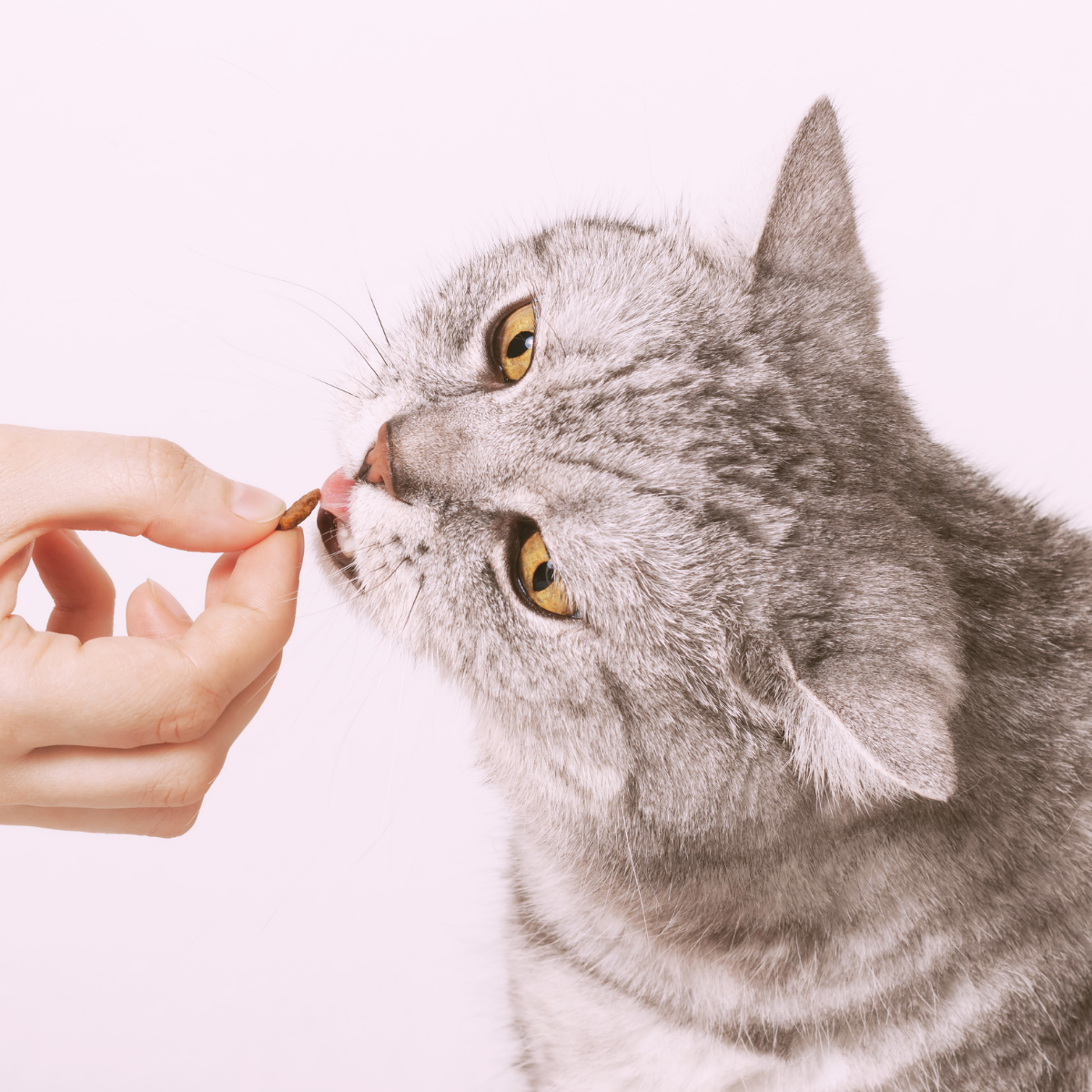
This is where I had to get strategic, because my two were never going to be won over on looks alone. The thing that helped most was leading with the one food they can’t resist: I crumbled freeze-dried chicken over the top so it was the first thing they smelled. A few other moves that help with a suspicious cat: spread the topping thin so the texture isn’t overwhelming, serve it just barely frozen the first few times instead of rock-solid, and keep your expectations low. Some cats need to see a new object three or four times before they’ll touch it, and some, like ours with cat grass, will decide it isn’t for them. That’s allowed.
Worth a try
A frozen lick mat is a low-stakes thing to test out. Worst case, you’re out a few dollars and your cat looks at you like you’ve lost it. Best case, you’ve a new way to slow down a fast eater, keep a bored cat busy, and cool them off in summer, all from a silicone mat and whatever cat-safe odds and ends are in the fridge. Our two are still deciding. I’ll report back.
Founder and editor of Cat Seat and cat mom to Thelma and Louis. She’s been writing online since 2000.
An emergency veterinarian with a special interest in feline medicine — and a self-proclaimed cat lady with six cats of her own.
Hi! I’m Lindsay. I run this site alongside my hubs Cory and our very opinionated cats, Thelma and Louis. We’re so happy you’re here!