The Best “Superfoods” for Cats (and the Ones That Are Just Marketing)
 By Lindsay Jones
 ✓Medically reviewed by Dr. Lindsey Mortlock
Some links are affiliate, so we may earn a small commission at no cost to you. As an Amazon Associate, we earn from qualifying purchases. Every purr-chase keeps two very demanding cats in treats. Our policy →
I don’t know about you, but when I see the word “superfood” I automatically think “healthy.” And that’s not always the case. A lot of times with human products it’s just marketing, and that’s even more true when it comes to the pet version.
When I see a bag of cat food bragging about kale and blueberries and turmeric, my first thought is “ooooh, it’s healthy!”, but that’s not always the case, especially when you learn that cats are obligate carnivores, which is a fancy way of saying they’re built to run on meat and they get almost nothing out of a sprinkle of trendy plant matter. Because we all want what’s best for our cats and want to think we are when we buy one of these superfoods, most of the benefit is for the human reading the label, not our cat eating it.
I love the idea of giving our two cats superfoods and making sure they’re getting the healthiest treats and meals possible, but it’s hard to figure out what’s real and what’s noise these days. And what’s considered a superfood for a human (IE: blueberries) doesn’t necessarily have the same power for animals, particularly cats. We want to make sure we’re giving our cats studied, healthy food, not a fad.
That said, there are a handful of foods actually worth adding to a cat’s bowl, the ones that actually deliver something your cat can use, and I do keep a few of them in regular rotation for Thelma and Louis. The trick is knowing which extras actually do something and which ones are just fairy dust, and being fully aware that any of these should be considered a supplement, not the main star of the meal.
First, the part nobody selling you superfoods wants to say
The single most important thing in your cat’s diet is that it’s complete and balanced. You should look for an AAFCO statement on the label saying it provides everything a cat needs in the right amounts, and no amount of pumpkin or salmon oil or freeze-dried liver makes up for a food that isn’t covering the basics. Everything in this article should be considered an extra, and should account for generally under about ten percent of your cat’s daily calories. Because the fastest way to wreck a carefully balanced diet is to pile so many toppers on top of it that the balanced part stops being the bulk of what your cat eats.
So the right way to read this list is “small, occasional, on top of good food,” not “swap these in for meals.” A cat who fills up on sardines and skips their actual dinner is a cat headed for a nutrient problem, even though the sardines themselves are great.
What the “Superfood” Label Is Actually Doing
The nutrition team at Tufts University’s veterinary school, the people behind the well-regarded Petfoodology blog, are blunt about this. They point out that pet-food makers often add ingredients “that will appeal to pet owners but probably don’t provide any nutritional benefit to the pet, such as artichokes, kale, and blueberries,” and they call those trendy add-ins what they are, included “primarily for marketing purposes.” Their phrase for it is “fairy dust.”
What actually matters, they stress, is that the food provides all the essential nutrients in the correct amounts, which is the boring, unglamorous thing the marketing words distract from. A short ingredient list of recognizable foods is fine, but a fashionable berry on the label tells you nothing about whether the diet is any good.
Source: Tufts Petfoodology, “Stop Reading Your Pet Food Ingredient List!”
The extras actually worth adding
These are the ones I think actually earn a spot on the list, but there’s a caveat for each. So be sure to keep all of this in mind before feeding to your cats.
Omega-3s, the extra I’d add first
If I could only add one thing to a cat’s diet, it would be omega-3 fatty acids, the EPA and DHA you get from oily fish and fish oil, because they’re one of the few “extras” with real evidence behind them for skin, coat, joints, and kidney and heart support. A dull, flaky coat is often the first place you’d notice the difference, and the omega-3s are also the reason a lot of cats with achy older joints get a little more comfortable. Our veterinary reviewer, Dr. Mortlock, often recommends a fish-oil supplement like Welactin for cats.
The everyday way we get omega-3s into Thelma and Louis is the ACANA lickable treats, which are gel-style purees in little tubes that both cats go for, and they double as a sneaky hydration boost since they’re mostly water. (Thelma refuses to eat wet food, so this is as close as we can get for extra hydration. Thankfully she does drink a lot of water!) They’re also the treat we settled on after discovering that Thelma is allergic to Churu specifically, so the ACANA tubes (along with Wholehearted purees) are the closest equivalent we found that works for her, and the household has gone through an insane number of them at this point.
And the plain-food route can work too. One owner on Reddit:
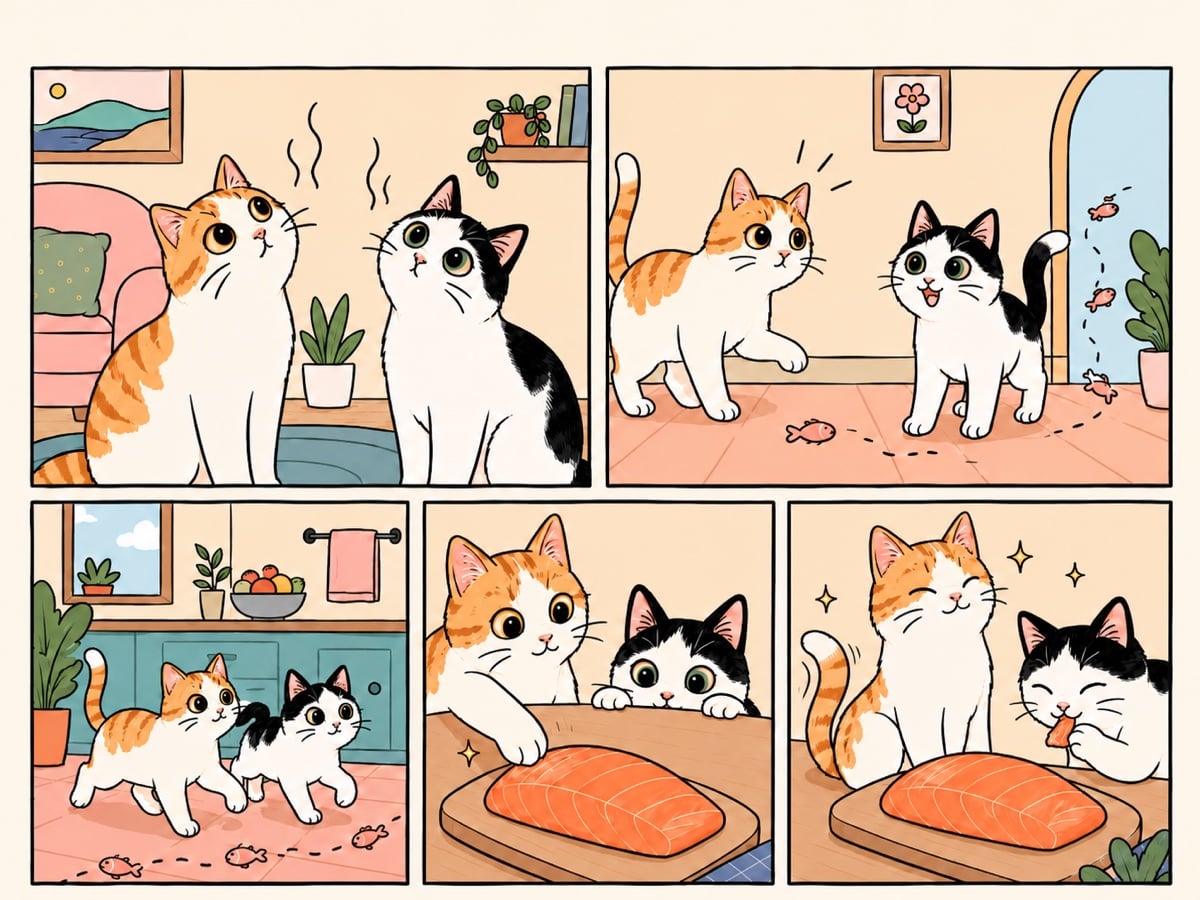
“I don’t know how this might affect a cat with hyperthyroid issues, buy one of my mom’s kitties has kidney issues and she started baking him a slice of salmon and feeding him about a 1″ piece every day. He stopped losing weight and actually gained a little back since then. She told me she doesn’t add anything to the salmon, just cooks it plain, and then feeds him flakes of it on the kitchen table.”
— via Reddit.com
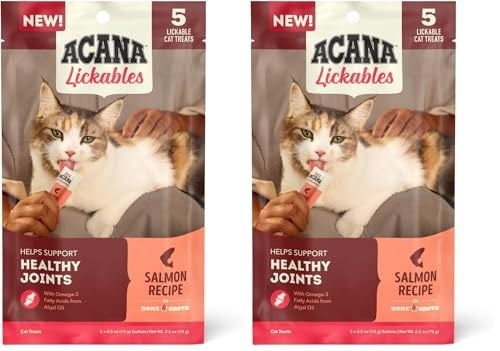
ACANA Salmon Lickable Cat Treats
The omega topper we actually use daily. A meat-first gel puree both our cats love, with a short ingredient list and enough water content to count as a small hydration boost. Our pick for cats who can’t tolerate Churu.
For a more concentrated dose of omegas, plain canned sardines packed in water with no added salt are one of the best whole-food sources of omega-3s you can buy, and a small piece of one mashed into dinner a couple of times a week is plenty for most cats. Remember to always buy the water-packed kind, never the ones in oil or brine or tomato sauce, drain them well, and treat them as the strong-smelling occasional treat they are rather than a daily thing, because they’re rich and the fat adds up.
I would love for Thelma and Louis to eat sardines, but we’ve tried the plain human kind from the tin (packed in water with no salt) and they had zero interest, which is really shocking to me! They do love their tuna puree treats and have enjoyed other seafood-focused cans from brands like Tiki Cat, but they’re very picky and not really adventurous, save for the liver treats we talk about below (they go crazy for those).
Plenty of picky cats do take to them, though:
She’s so picky and she liked sardines ( also the vet told me it’s okay)
— via Reddit.com
Even the picky ones tend to come around on this one:
“She’s so picky and she liked sardines ( also the vet told me it’s okay)”
— via Reddit.com
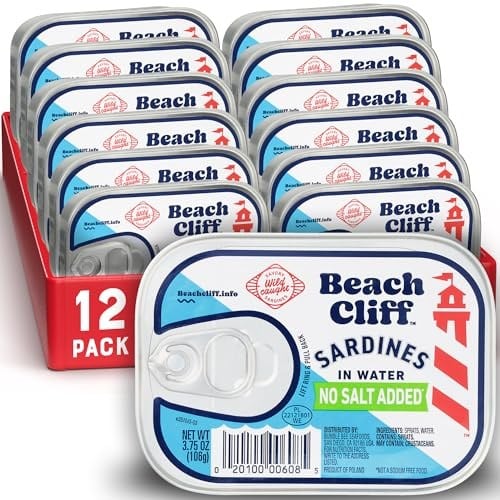
Beach Cliff Wild Caught Sardines in Water
A cheap, whole-food omega-3 hit. A small mashed piece a couple of times a week is plenty. Buy water-packed and unsalted, drain well, and skip anything in oil, brine, or sauce.
If you’d rather not deal with fish in your fridge or cupboard, a fish-oil supplement made for cats is a clean, dose-controlled option, and it’s a great thing to consider if your vet has flagged your cat’s coat, joints, or kidneys. The one rule that matters: use a product actually formulated and dosed for cats, not a human or dog bottle and not a plant-based “omega” oil, because the plant kind (ALA) is the form cats can barely convert. Also, more is not better since too much fish oil just causes loose stools.
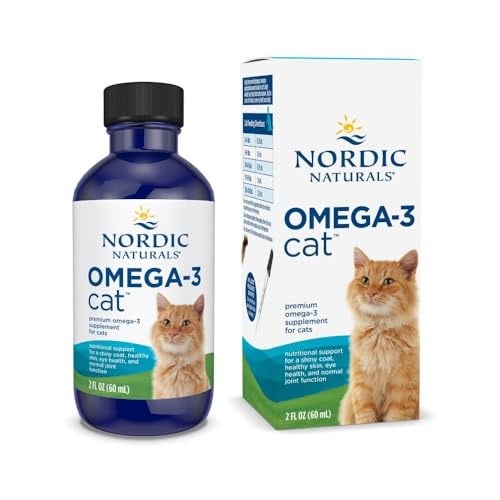
Nordic Naturals Omega-3 Cat Liquid
A dose-controlled EPA/DHA supplement when you’d rather skip the fridge fish. Use one formulated for cats, not the human or dog version, and check the dose with your vet. Best for coat, joint, or kidney support.
Plain pumpkin, the hairball and tummy helper
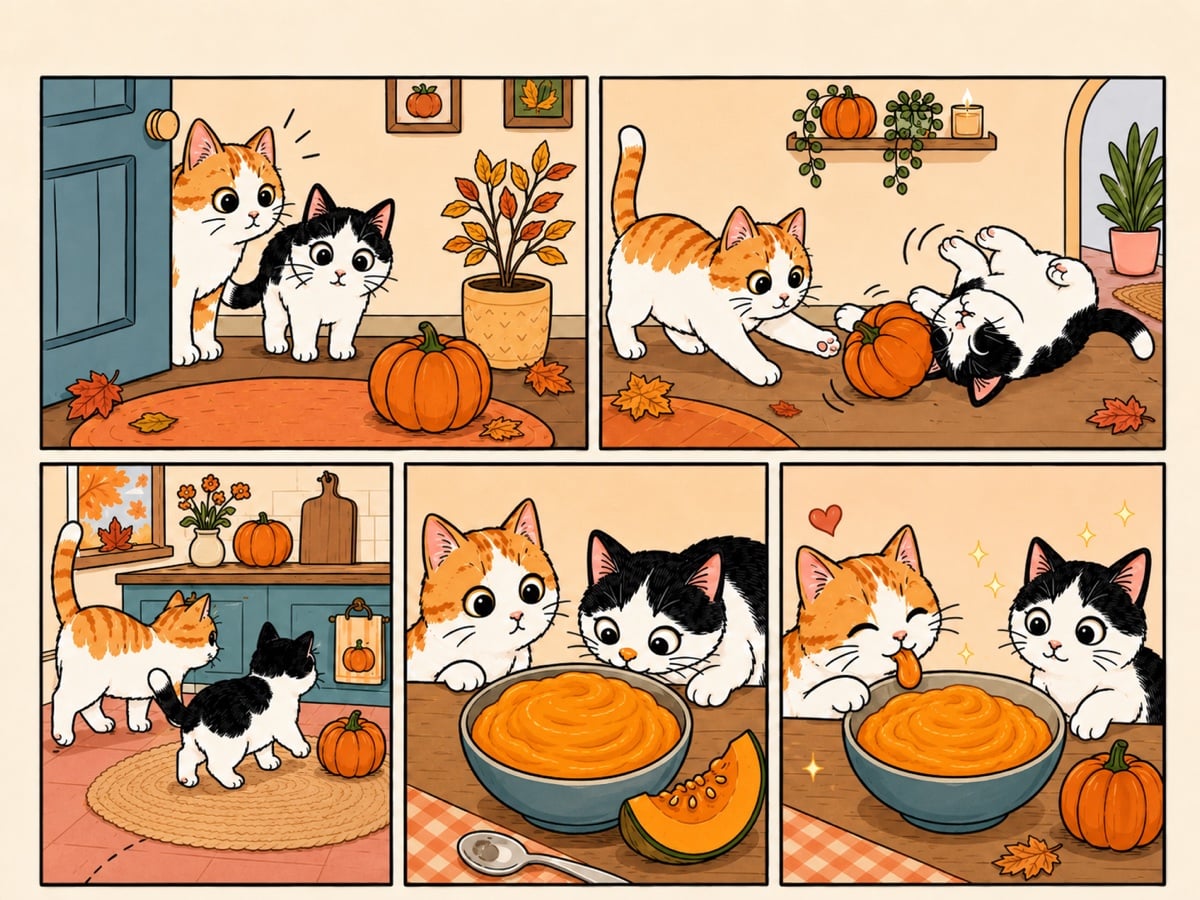
Plain, canned pumpkin is the one plant food I keep on hand without hesitation, because the soluble fiber really does help with the two things that send indoor-cat owners googling at midnight, hairballs and the occasional bout of mild constipation or loose stool. Half a teaspoon to a teaspoon mixed into a meal is a good amount, and the only thing you have to remember at the store is getting a can that’s 100% pumpkin and NOT the pie filling, which is loaded with sugar and spices your cat shouldn’t have.
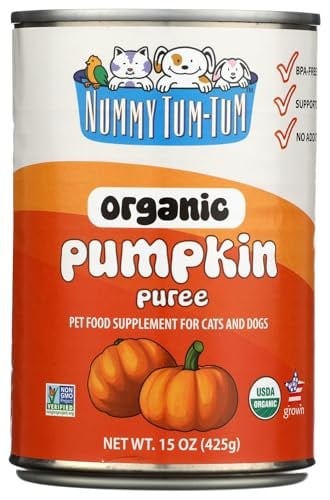
Nummy Tum-Tum Pure Organic Pumpkin
The fiber fix for hairballs and tummy trouble. Single-ingredient organic pumpkin, no sugar or spices, so you don’t have to second-guess the can. Half a teaspoon to a teaspoon stirred into a meal is all it takes.
Bone broth, for the cat who won’t drink water
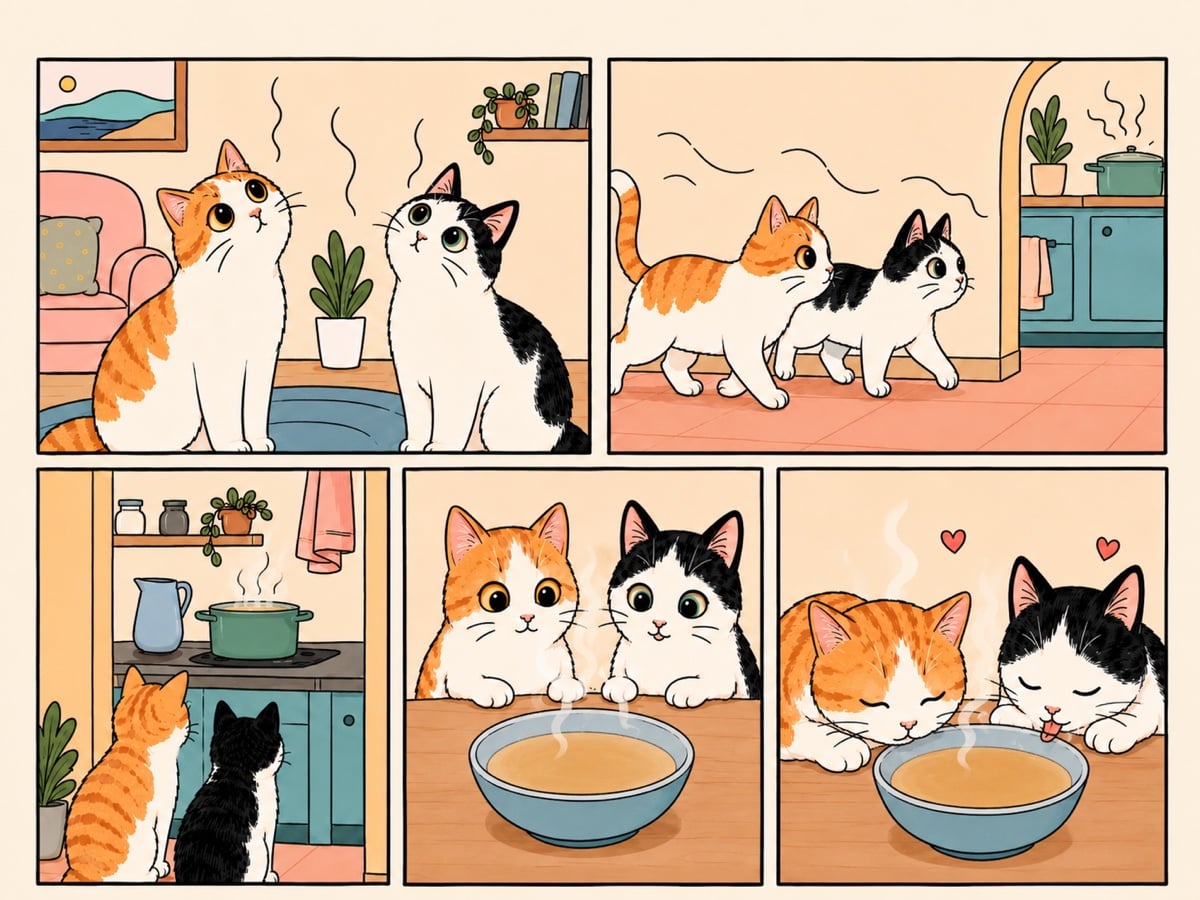
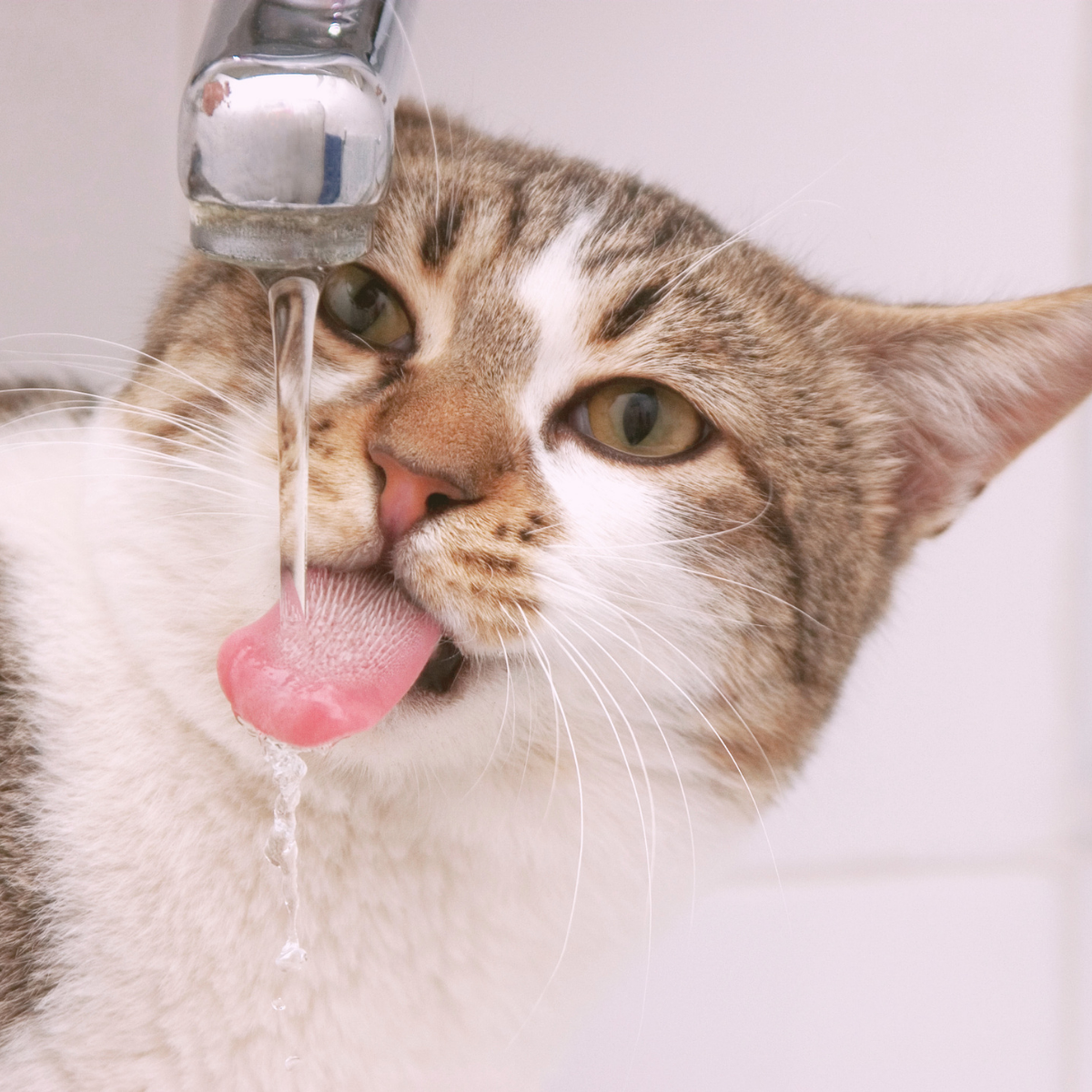
Most cats are bad at drinking water, and a splash of cat-safe bone broth over a meal is one of the easier ways to sneak more moisture into a cat who treats their water bowl as decorative/ Plus it makes dry or boring food a lot more interesting to a picky eater. The thing you have to watch, and it’s a big one, is that almost every bone broth made for humans contains onion and garlic, both of which are toxic to cats, so you want one made specifically for pets or a plain homemade version with nothing in it but broth.
Oddly, neither Thelma nor Louis will touch bone broth, which seems very odd to me. But it is what it is!
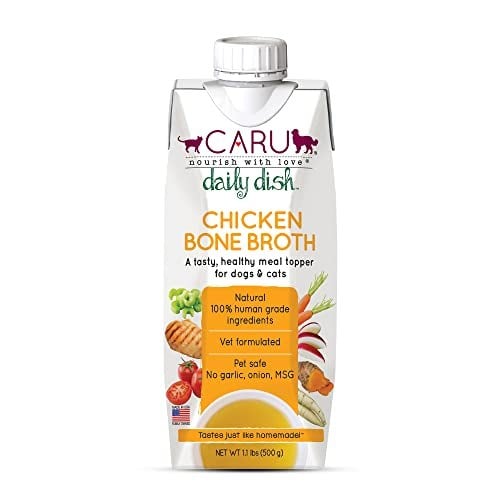
Caru Daily Dish Chicken Bone Broth
A pourable moisture-and-flavor topper for cats who ignore their water bowl. Buy one made for pets, since most human broths hide onion and garlic. Best for picky eaters and reluctant drinkers.
A bit of cooked egg
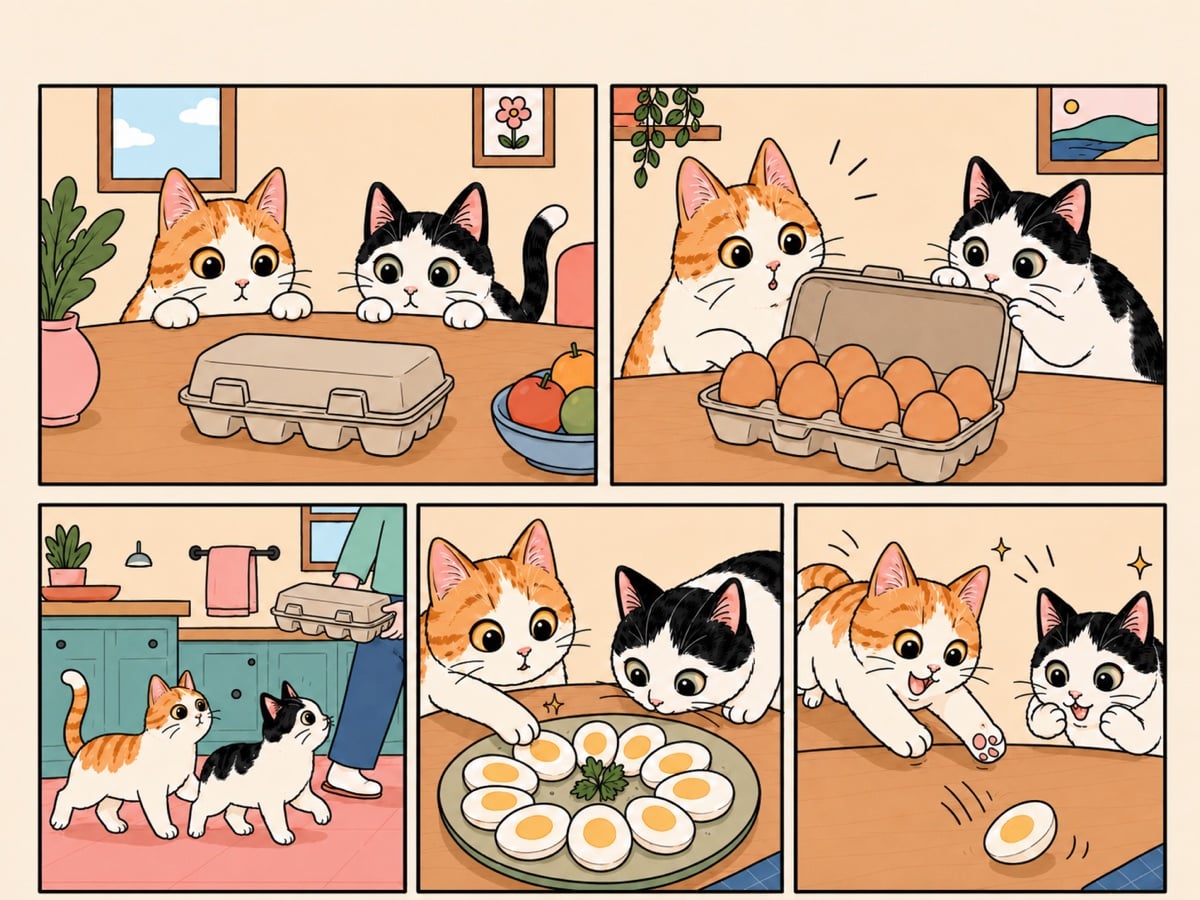
A little bit of plain cooked egg, scrambled or boiled with no oil, butter, or salt, is a cheap and highly digestible hit of protein that a lot of cats love, and it’s about as simple as a topper gets. The only rule is that it has to be cooked, because raw egg white contains a protein that interferes with a B vitamin and raw egg carries the same bacteria risk it does for us. So just make sure the runny stuff stays off the menu.
Organ meat, in very small amounts
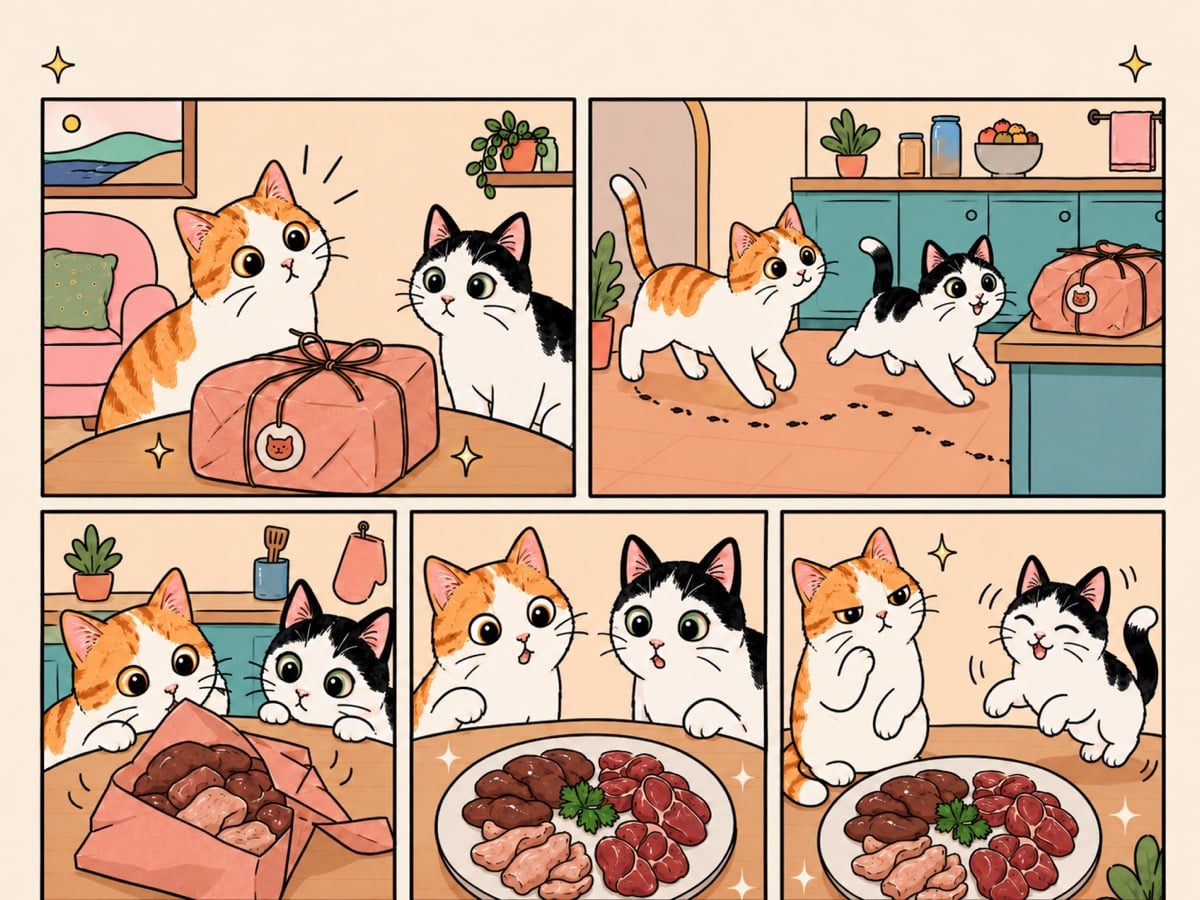
Liver and other organ meats are the original nutrient-dense cat food, packed with vitamin A, iron, and B12, and they’re catnip-level exciting to most cats. But this is the one where “more is better” will actually hurt your cat, because vitamin A is fat-soluble and builds up, and too much liver over time causes real skeletal problems. The safe way to get the benefit without the risk is a single-ingredient freeze-dried treat, where the portions are tiny and it’s easier to schedule out how often you give it to your cat. This is the one superfood treat that Thelma and Louis go absolutely nuts for. The freeze-dried turkey liver from Petco’s WholeHearted line is the one they’d trample each other (or us) for. A single-ingredient freeze-dried option like PureBites is also a good choice.
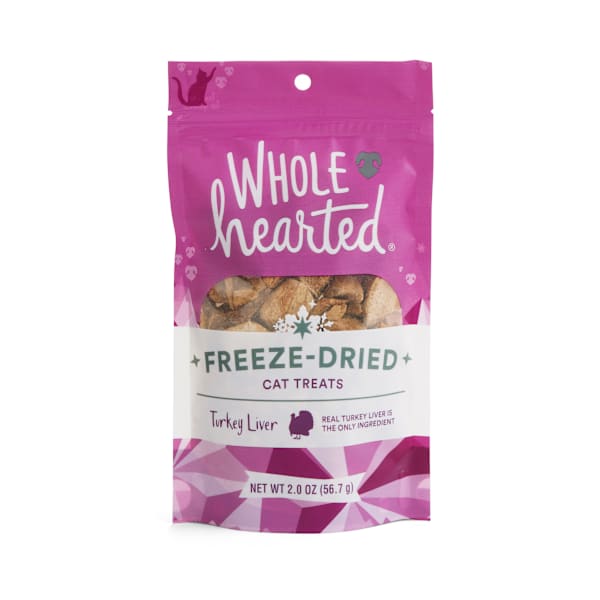
WholeHearted Turkey Liver Freeze-Dried Cat Treats
Real turkey liver is the only ingredient, and the pieces are tiny, which makes it easy to keep organ meat what it should be: an occasional treat, not a habit. This is the bag Thelma and Louis would trample each other for.
Plain cooked chicken or turkey
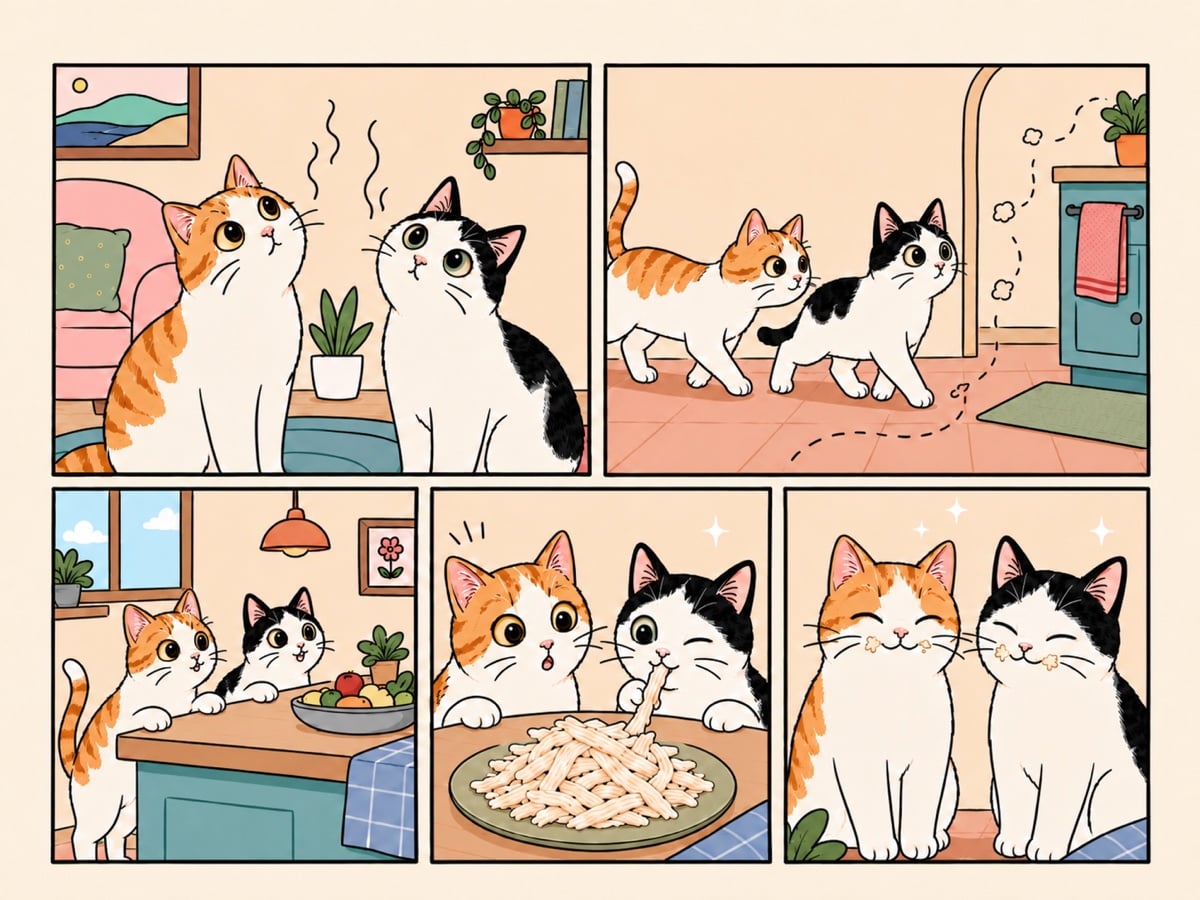
This one isn’t exciting and that’s exactly why it works, because a little plain cooked chicken or turkey, skinless, boneless, and unseasoned, is the safest, most reliable topper there is for a picky cat or a sick one who’s gone off their food. Just remember when you’re cooking it not to use any spices (IE: no onion or garlic) and be sure to go through it if you’re using a whole chicken to make sure there are no cooked bones in your serving.
Thelma and Louis are ok with cooked chicken, but they REALLY love free-dried chicken, like these treats below.
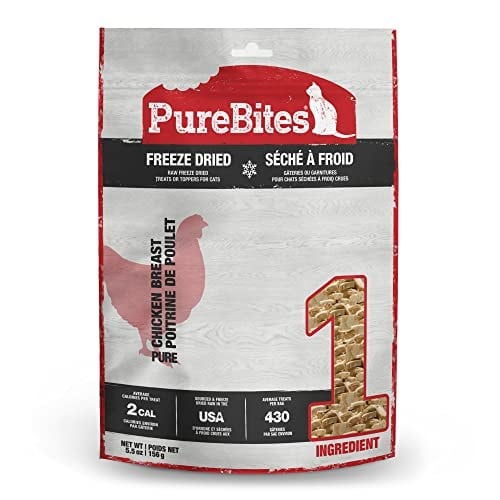
PureBites Chicken Breast Freeze-Dried
Single-ingredient freeze-dried meat, which is the safe, portion-controlled way to give a nutrient-dense protein treat. The value-size container lasts a two-cat house for months. Best as a high-value everyday topper.
Blueberries, the fun one I won’t oversell
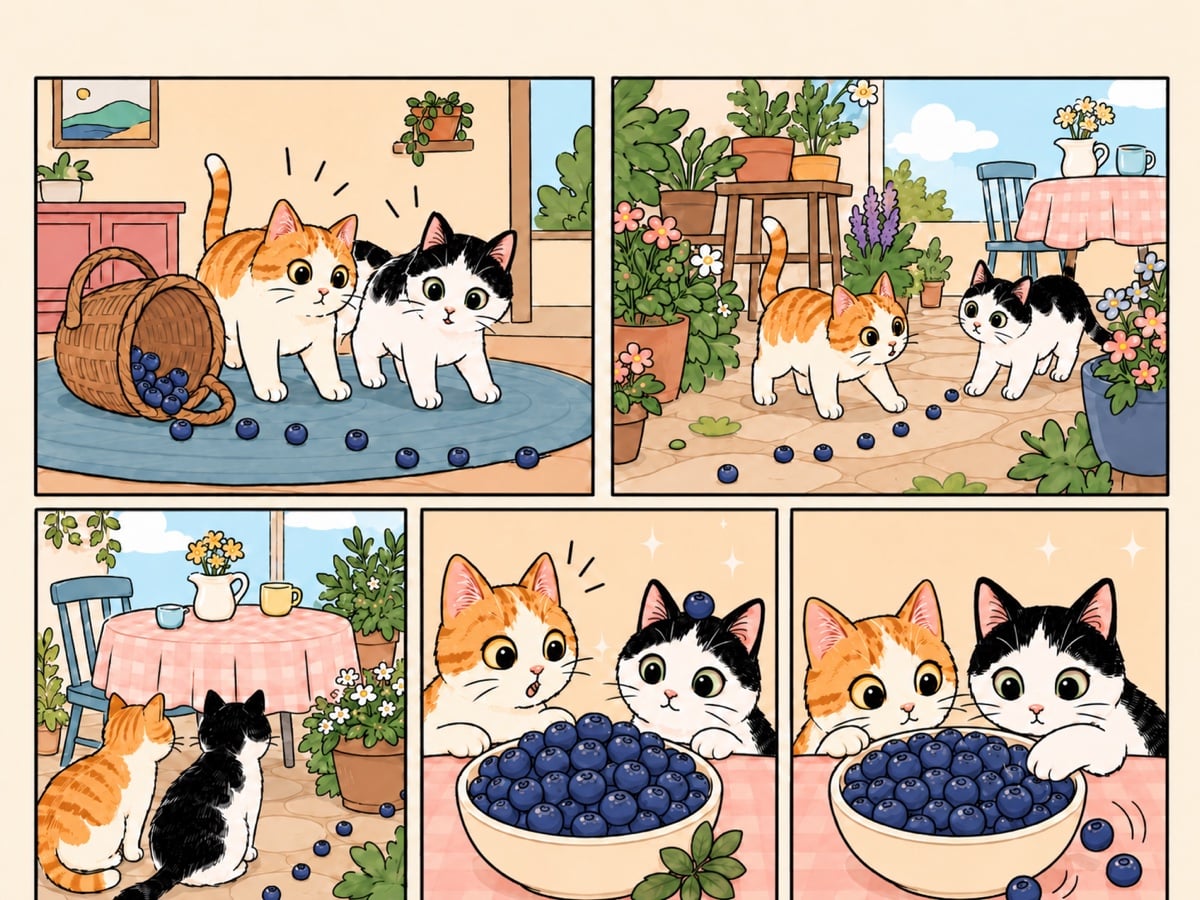
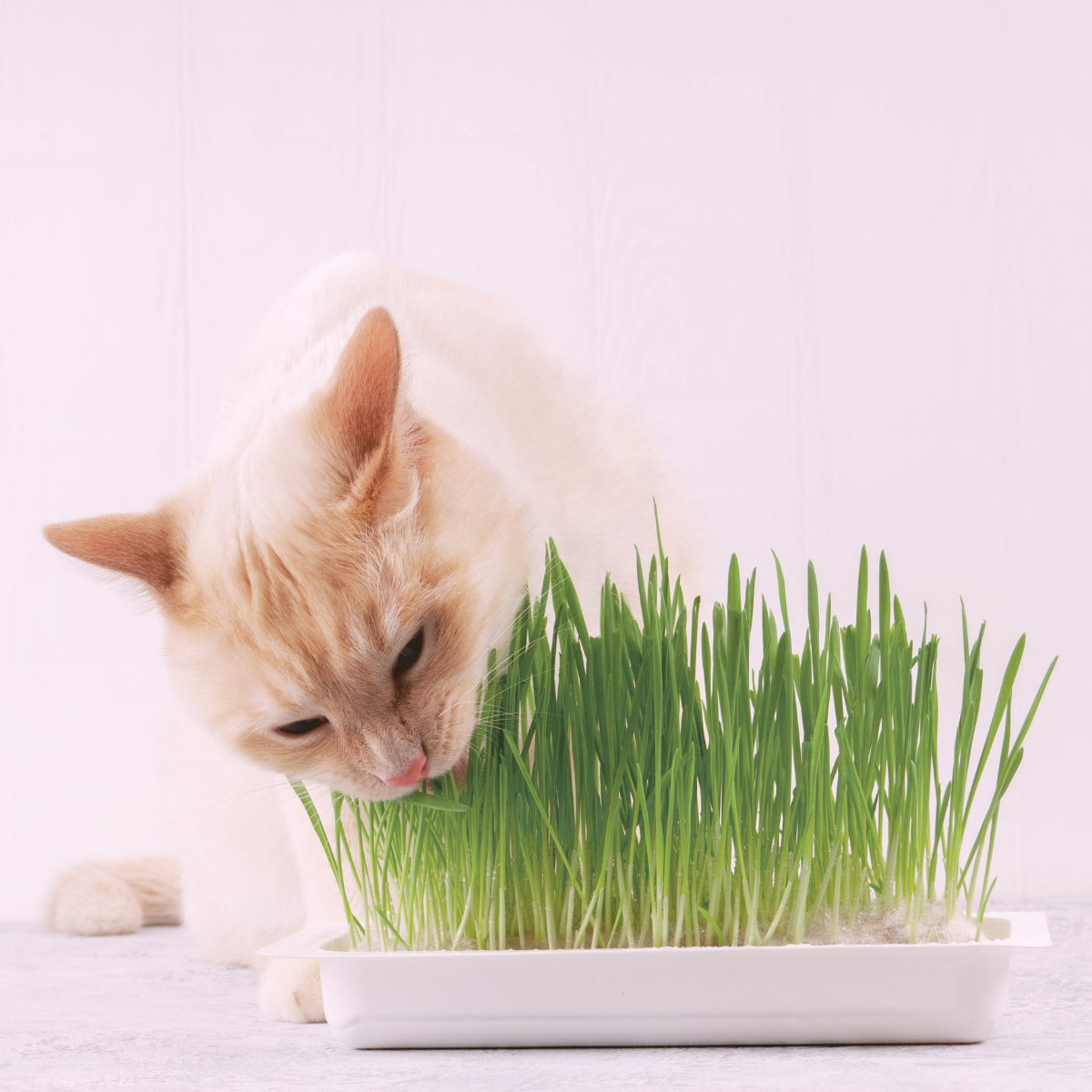
You’ll see blueberries on every “superfoods for cats” list on the internet, and they’re safe, so if your cat enjoys batting one around and eating it, go for it. But I’m not going to pretend a couple of blueberries are transforming your cat’s health, because the antioxidant benefits people cite are mostly extrapolated from dog and human studies. I would file this under harmless novelty, not health food.
The “superfoods” to skip, or be careful with
Plenty of foods get marketed to cats that I’d either avoid or treat with real caution. Tuna is the big one, because cats get addicted to the strong flavor and will start refusing balanced food in favor of it. A steady tuna habit can also lead to mercury buildup and a thiamine (vitamin B1) deficiency, so a tiny bit as an occasional treat is the most I’d do.
Any raw fish is off my list entirely, since it contains an enzyme that destroys thiamine on top of the usual parasite and bacteria risks. Milk and dairy are the classic cartoon cat food and also a mistake, because most adult cats are lactose-intolerant and a saucer of milk will likely just give your cat a bad trip to the litter box.
The cooked-and-canned version still earns the spot, like it did for one owner whose elderly cat had stopped eating:
I had an old kitty that stopped eating, I was able to get her eating canned salmon in water.
— via Reddit.com
Thankfully our cats do not beg for human food, and it’s because we’ve never given them any. When they were little they would smell something interesting (Louis LOVED prosciutto and would try to get it, and for some reason Thelma loves the smell of oatmeal, though when I tried making her a very small plain serving she wanted nothing to do with it), but when we redirected their attention elsewhere, they sort of stopped even trying.
As for trendy plant superfoods like kale, turmeric and goji berries, these are the fairy dust the Tufts nutritionists were talking abou. They’re fine in the trace amounts that end up in food, but not worth seeking out on their own.
Human Foods That Are Never Safe for Cats
Before you add anything from your own kitchen, know the hard “no” list. The ASPCA’s Animal Poison Control Center warns that these people foods should never go anywhere near a cat:
- Onions, garlic, chives, and leeks (the ASPCA notes cats are especially sensitive, and this is the reason store-bought broths and baby food are risky)
- Grapes and raisins
- Chocolate, coffee, and anything with caffeine
- Alcohol and raw yeast dough
- Xylitol (the sweetener in sugar-free gum, candy, and some peanut butters, and sometimes labeled as “birch sugar”)
- Raw or undercooked meat, eggs, and bones, and excessive salt
If your cat eats any of these, call your vet or the ASPCA Animal Poison Control Center at (888) 426-4435 right away. Save that number in your phone now, before you ever need it.
How to add this stuff without wrecking your cat’s diet
If you want to actually work some of these superfoods in, the way to keep it safe is to keep it simple:
- Keep a complete and balanced food as the foundation, and treat everything here as a small extra on top, not a replacement for meals.
- Hold all the extras together to roughly ten percent or less of your cat’s daily calories, which is a smaller amount than most people realize.
- Add one new thing at a time and give it a few days, so if your cat’s stomach objects you know exactly which food to blame.
- Keep portions tiny, especially with liver, fish, and anything rich, since the foods with the biggest benefits also have the firmest limits.
- Run any actual supplement, like fish oil, past your vet first, particularly if your cat has a kidney, heart, or weight issue, because dosing matters.
None of this is complicated once you stop thinking of “superfoods” as a thing you buy and start thinking of it as a few good extras you add carefully. A little salmon oil for the coat, a spoonful of pumpkin when the hairballs start, a warm shred of plain chicken when somebody’s being picky about dinner. That covers most of what a healthy cat actually needs from your kitchen, and the rest of the buzzwords can stay on the bag.
Founder and editor of Cat Seat and cat mom to Thelma and Louis. She’s been writing online since 2000.
An emergency veterinarian with a special interest in feline medicine — and a self-proclaimed cat lady with six cats of her own.
Hi! I’m Lindsay. I run this site alongside my hubs Cory and our very opinionated cats, Thelma and Louis. We’re so happy you’re here!

Ty for all the info
Some plain yogurts add xylitol too. I give my babies a tiny bit as a treat, so I check every time now.
Great tip, thank you for sharing!