How to Choose a Shelter Cat (or Let the Right One Choose You)

Most cat lovers arrive at the shelter with a specific cat in mind, but it’s good to keep an open mind and meet a variety of adoptable felines. The photos posted online can only tell you so much about a cat’s personality. Meeting different cats can help you find one that clicks with you and your lifestyle. You might find yourself drawn to a different cat than the one you had initially come to visit.
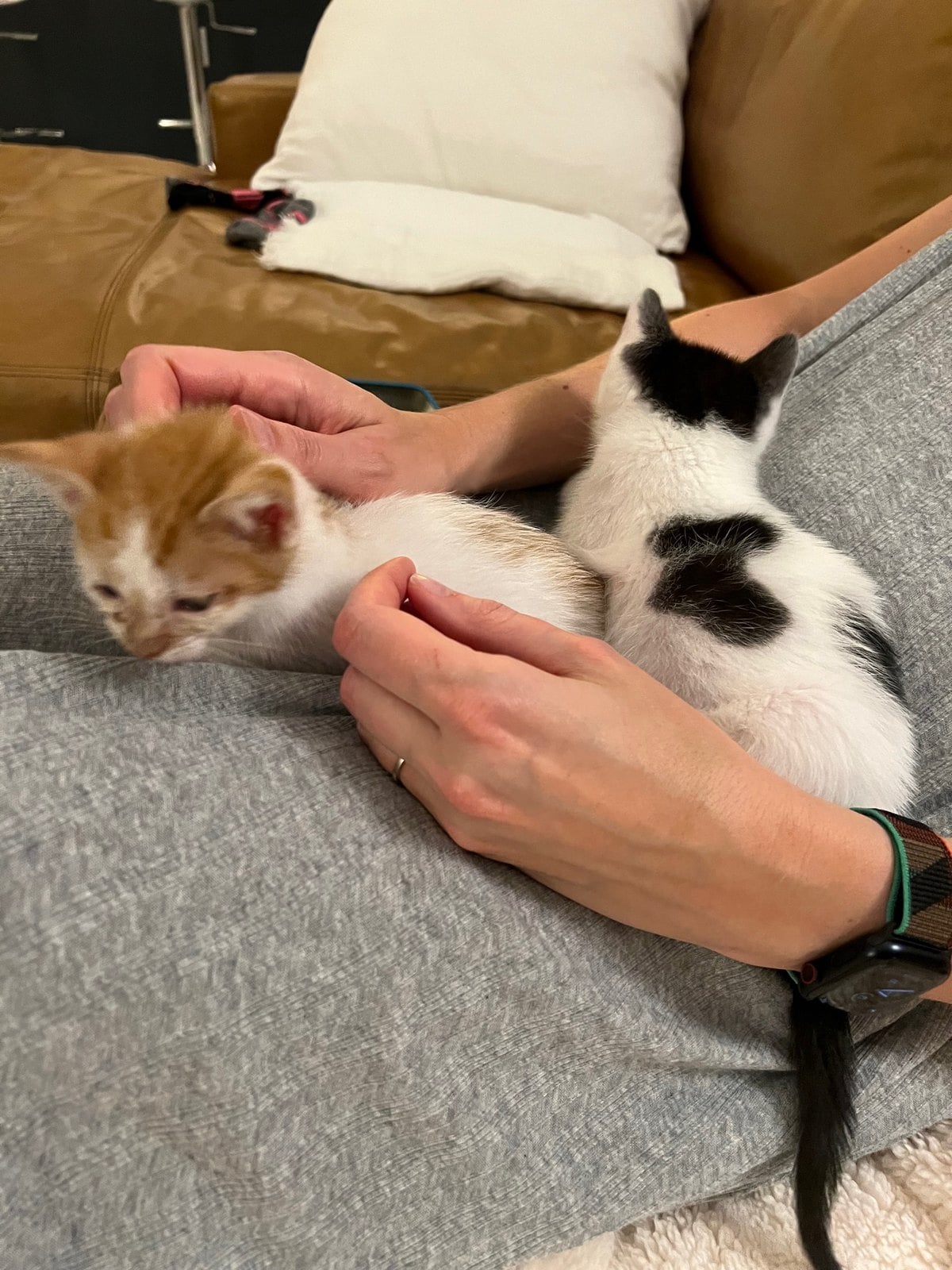
When you adopt a cat, you’re adding a member to your family. It’s a big decision. The best match is one that considers your connection to the cat and whether the cat will fit into your life well. Sometimes, when you’re having a hard time deciding, the perfect cat might choose you.
Below are just some of the many ways to help you pick out the right shelter cat for your home.
Describe Your Real Household Before Choosing a Cat
The process of adopting a cat starts before you even meet cats. First, you need to consider your own needs, lifestyle, and experience to determine if you’re ready for a cat. Those factors can also help you decide which cats might be right for you. This will help you ensure the eventual adoption is beneficial for the cat and everyone in your home.
Here are some factors to think about in your household:
- Do you have any experience caring for cats?
- Do you have children?
- How much space is in your home?
- How often is someone home?
- Do you have people over often?
- Are there other pets in the home?
If you’re a new cat owner without much space, a calm, low-energy cat may be the best fit. If you have kids, dogs, cats, or other animals in the home, it’s crucial to adopt a cat that’s comfortable around them. If you’re away from home a lot, a more independent cat may suit you better, and homes with frequent house guests are best for a cat that’s friendly and outgoing.
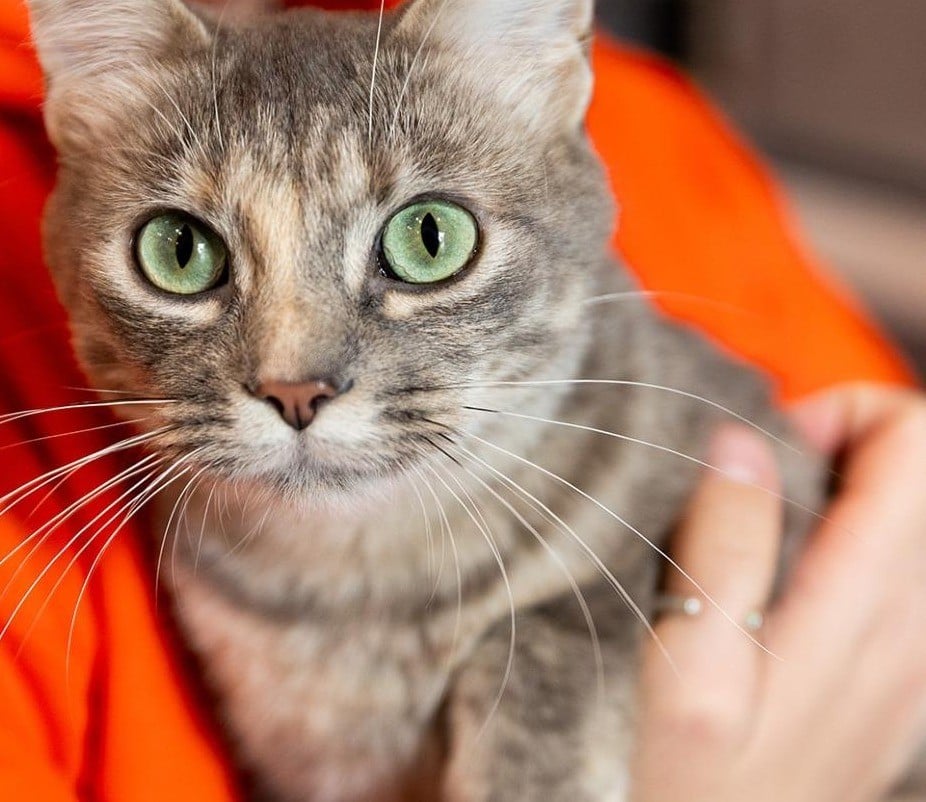
Be honest when describing your situation rather than trying to picture your ideal life.
Tell the Adoption Team What You’re Hoping For
One study found that the same cat can come across differently in a video than in a photo, seeming more playful and curious on video and more loving and quiet in a still shot. Either way, an online profile only gives us a limited view of what a cat is truly like.
Rather than picking a cat based on photos alone, talk to the shelter staff about what qualities you’re looking for in a cat. Sharing your household details helps greatly, but it’s also okay to have some personal preferences. If there are certain ages, behavior traits, energy levels, or handling styles you prefer, let them know.
Shelter staff members and foster families usually know a lot more about the cats than what’s posted online. They can answer questions and offer suggestions based on what you’re looking for.
Look Beyond the First Cat Who Says Hello
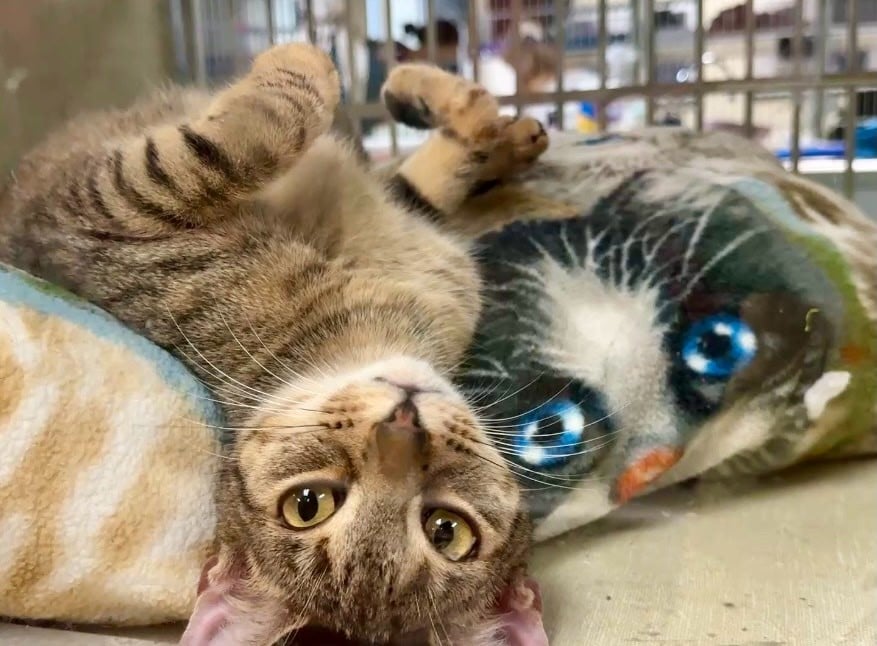
Some cats do seem to “choose” their humans, but that’s not always the best indicator that a cat is right for you. Shy and fearful cats are often overlooked because they don’t immediately warm up to humans. Yet, the shelter environment can be scary, so they might not feel comfortable showing their true personalities during their first meet and greets.
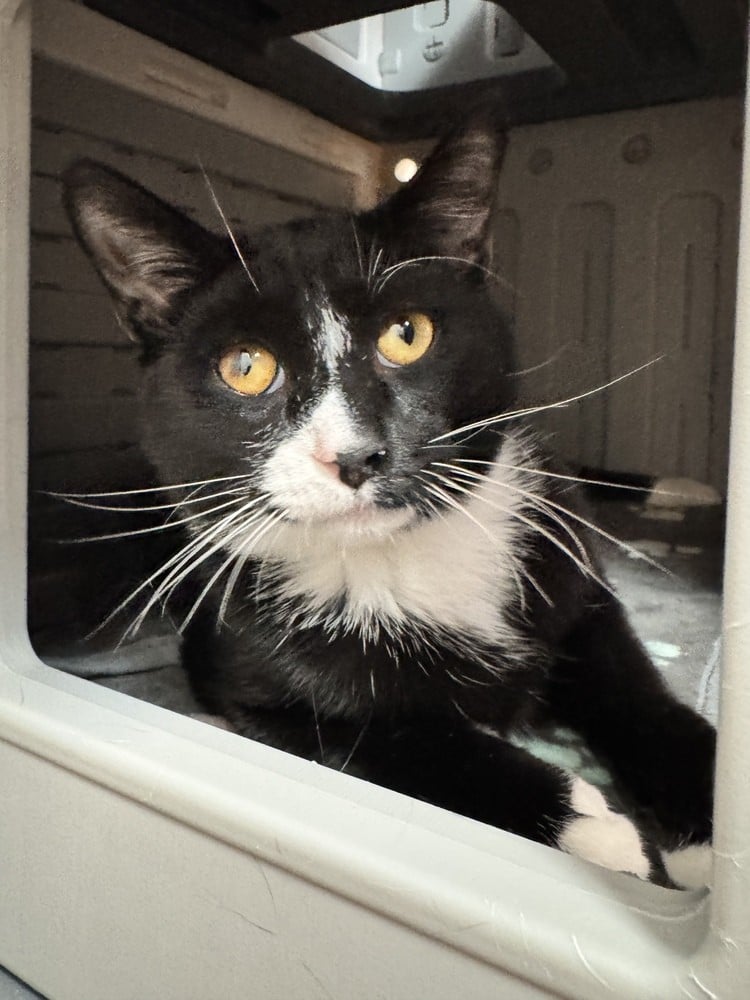
Consider taking the time to meet some of the quieter cats. Ask the shelter staff what those cats are like once they warm up to people. After all, gaining the trust of a shy cat is often very rewarding.
Talking softly, moving slowly, getting down to the cat’s level, and offering them food are all great ways to gain a fearful cat’s trust. These cats often just need a little extra patience and love to let their true personalities shine.
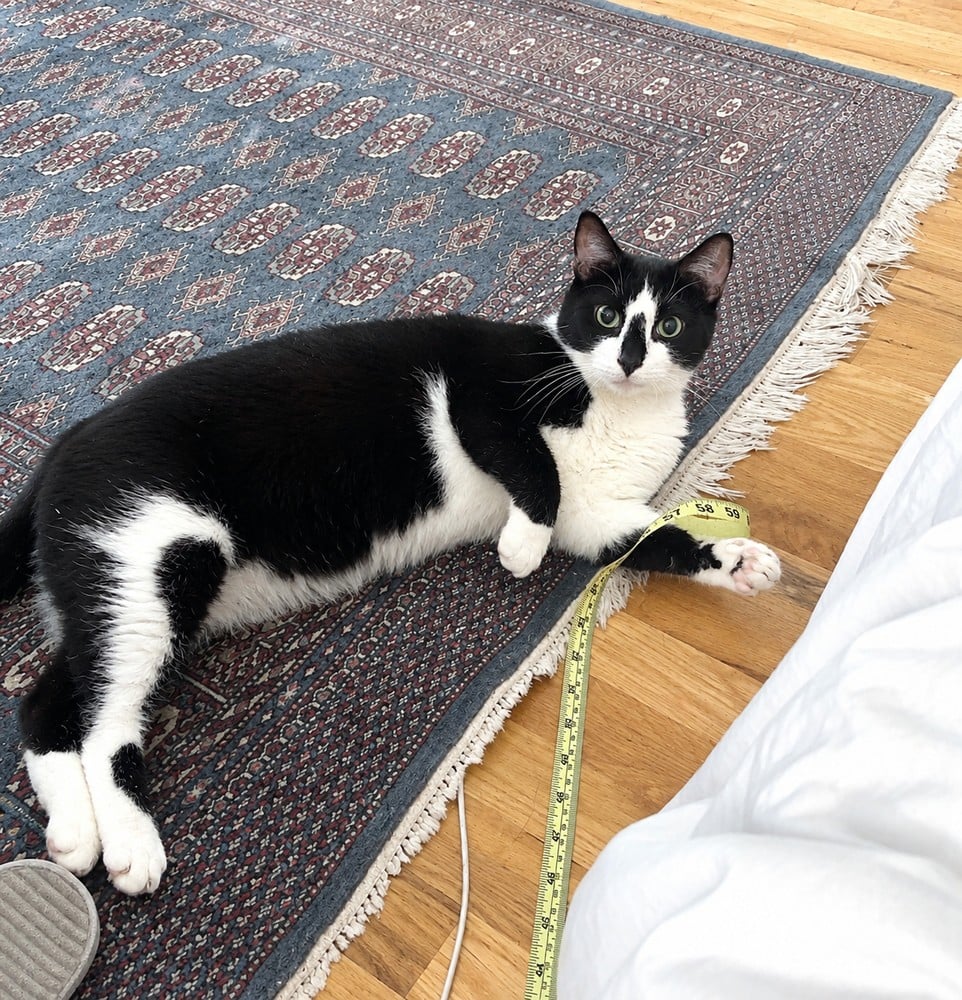
Meet the Cat Somewhere Calm if Possible
No matter how reserved or outgoing a cat is, a calm environment is usually the best way to help them feel comfortable. Shelters often have private meeting rooms to help you get some one-on-one time with the cat. Every shelter is different, so follow their process and suggestions when interacting with cats.
When you’re in a quiet space with the cat, sit calmly and let the cat come to you. Avoid reaching into hiding places or picking up nervous cats because that might only make them more nervous. Even friendly cats may need time to get close to you, so avoid rushing the meets if possible.
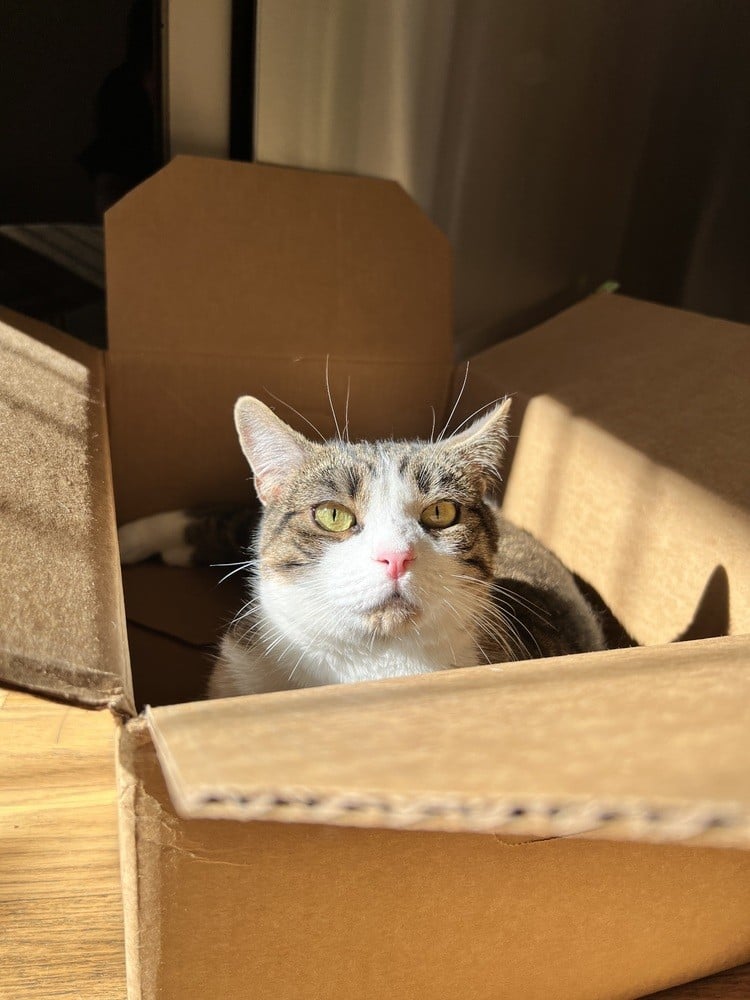
Treat Shelter Behavior as One Part of the Picture
How a cat behaves in a shelter might not reflect how they act in a home environment. Shelters can be stressful for many cats, which affects the cat’s actions.
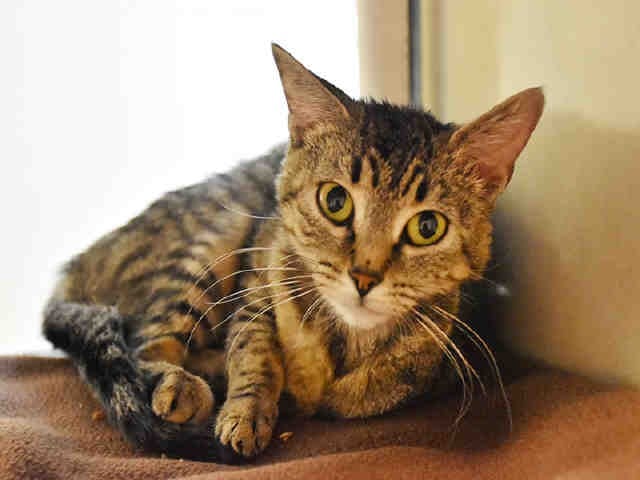
Researchers found that shelter cats who scored as more stressed also rated worse on the ASPCA’s Psychological Quality of Life tool. While many shelters are finding ways to reduce cat stress as much as possible, the shelter is still very different from what a cat would experience at home.
If a cat has been in a foster home, ask for details on how the cat behaved in that setting. You can also ask what information their previous owner shared if applicable. To get to know a cat better, review all the information that the shelter has available and meet with the cat multiple times. While there’s no guarantee how a cat will behave in your home, these steps can give you a better idea of what to expect.
Consider the Adult Cat Alongside the Kitten
Many people fall in love with a kitten. It’s hard to resist their cuteness. Yet, as adorable as kittens are, they aren’t ideal for every adopter.
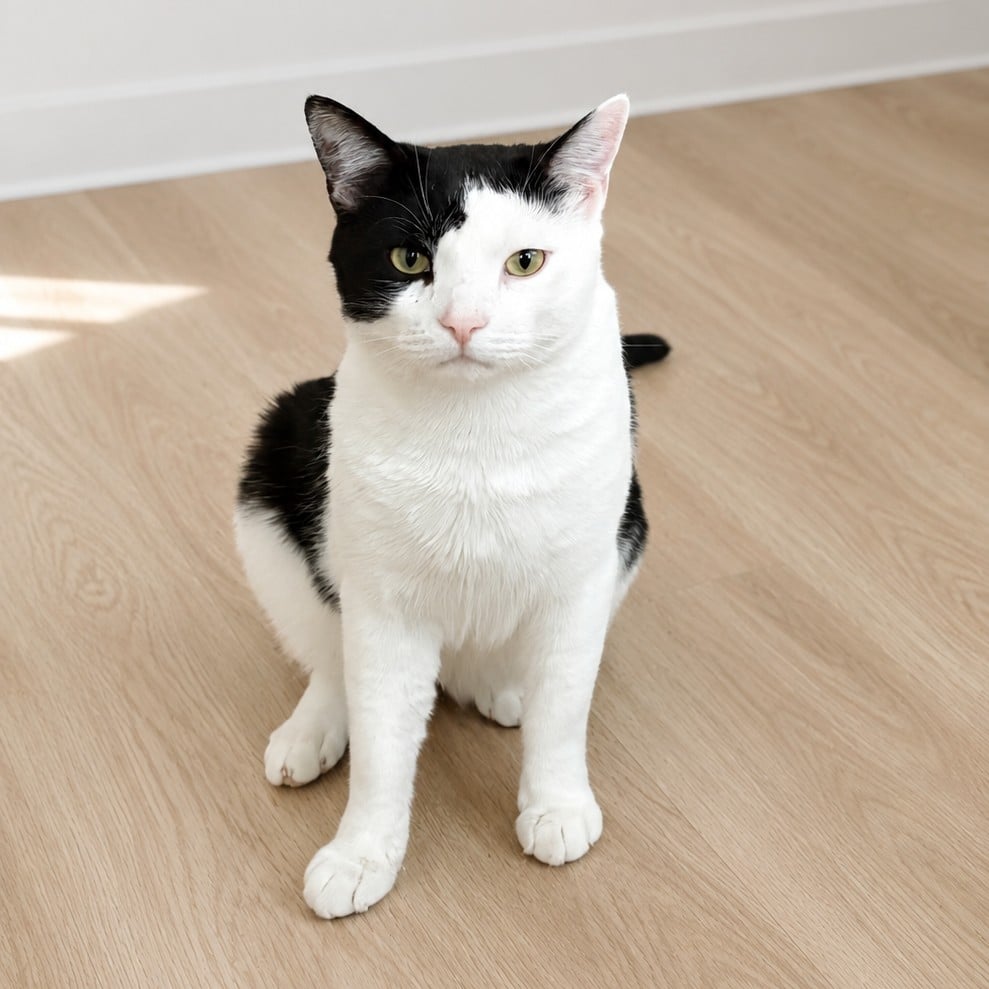
Consider personality when choosing a cat. Kittens often have more energy and may require more training to understand the expectations of your household. Adult cats are often calmer and already have an established personality, making them more predictable.
One age isn’t automatically easier than the other, but it’s important to consider different age ranges. Plus, every cat is unique, so make sure to ask the shelter about individual personalities. You might be able to find a more laid-back kitten or a very energetic senior cat.
Ask What Is Known About Other Pets and Children
If you have kids or pets in your home, it’s important to choose a cat that will get along well with them. Some shelter bios say “kid-friendly,” “dog-friendly,” or “cat-friendly,” but if not, ask the shelter staff.
Some cats might have never been around kids, dogs, and/or cats before. Rather than trying to guess how the cat will behave, schedule meetings where the whole family can attend. Have kids and dogs meet the cat from a distance when possible to see how the cat reacts.

Even if a cat has gotten along with pets and children in the past, it’s still important to plan slow introductions when bringing them home. Introducing a cat to too many people and animals too soon could be overwhelming for them.
Find Out Whether There Is a Bonded Companion
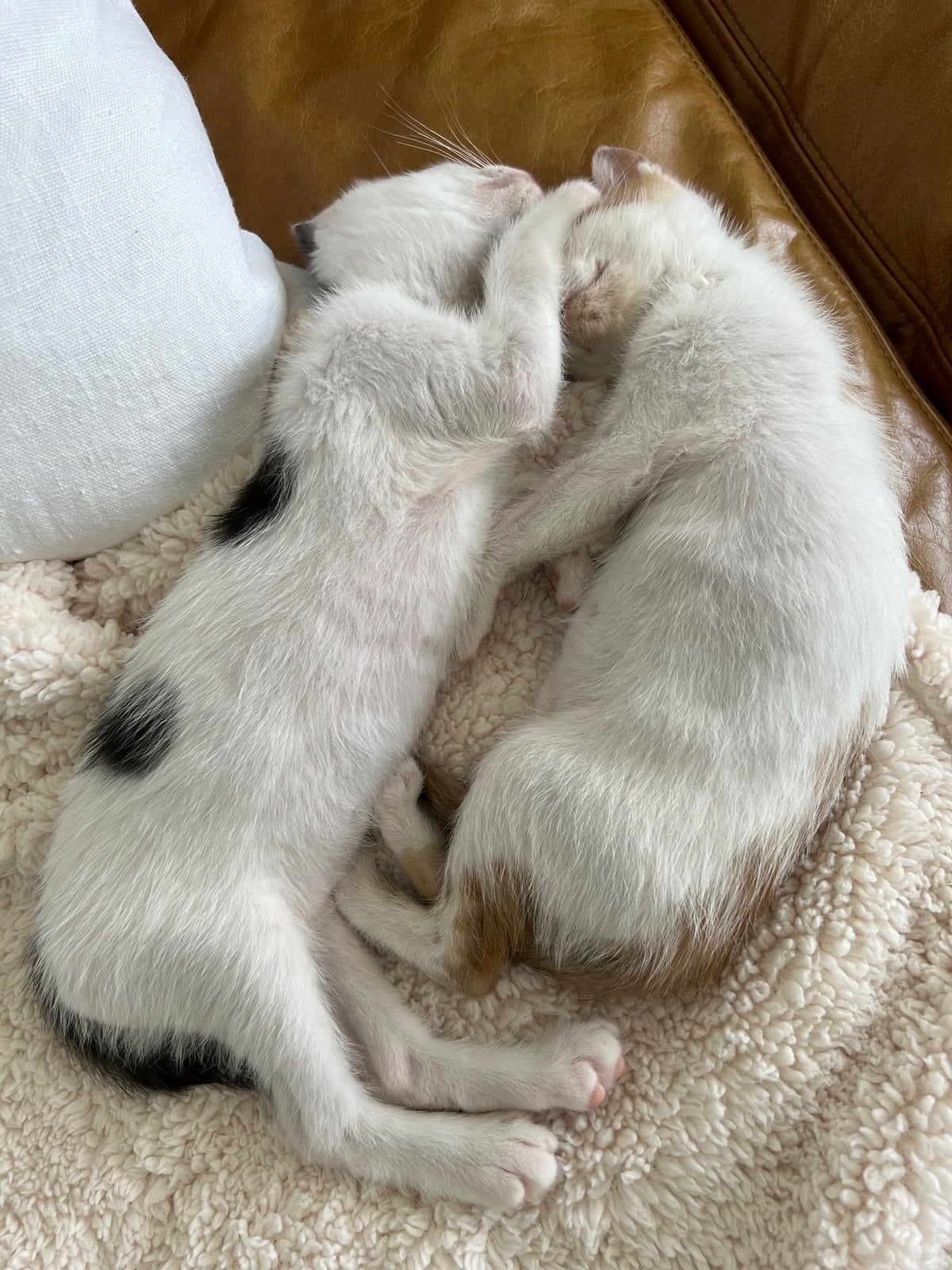
Sometimes, two cats that are housed together are looking for a home together. If you’re interested in a cat, ask the shelter staff if they’re bonded to another cat. If they are, determine if you’re ready to take care of two cats instead of just one.
Cats that share a kennel aren’t always bonded, so never assume that two cats are a pair without asking. Adopting a bonded pair is a great way to get two cats that are already known to get along.
Read the Health Information and Ask About Ongoing Care
Adopting a cat is about more than just finding the right cat for you. It’s also important to consider their care to determine if it’s something you have the time and money for.
Cornell’s College of Veterinary Medicine reminds cat parents to think about the personality, age, and appearance they’re looking for, as well as the pets they already have at home, and to know ahead of time what care a new cat needs, from grooming to vet visits. You’ll also need to make sure you have all the essentials ready at home, such as litter boxes, food, and scratching posts.

Talk to the shelter staff to find out if the cat has any unique needs beyond standard care. Ask about known health conditions, medications, dental needs, vaccination history, and spay/neuter records. Depending on the cat’s health needs, you may need to increase your planned budget for what you’ll spend on the cat annually.
Make a Plan for the First Weeks Before Saying Yes
There’s a lot to consider before bringing a cat home, so the decision shouldn’t be made on a whim. Start by creating a safe space in your home with all the cat’s essentials like food, water, a bed, a litter box, and toys.
If you have another cat in the house, the first weeks should be an even more gradual transition. American Humane Society recommends keeping cats in separate spaces at first. Let them smell items from the other cat and try feeding them on opposite sides of the door. Let them explore each other’s spaces and have them meet through a visual barrier before supervising face-to-face meetings.
In addition to making sure your cat is comfortable in their new home, it’s also a good idea to schedule a vet visit shortly after adoption. Your vet can get to know your cat so it’ll be easier for them to catch when something is wrong in the future.
Some shelters may offer a trial adoption period to help you ensure the cat is a good fit. Yet, every shelter is different, so ask about their policies.
Find the Perfect Cat for You

Think about all of the above when finding a cat to adopt. A cat choosing to come closer to you is definitely worth noticing, but realistic expectations also need to be factored into the decision. Find a cat whose personality meets your lifestyle while also making sure you can properly care for them and their unique needs.

A freelance pet writer with a BFA in Creative Writing. She’s been writing about animals since 2018 and volunteers with animal-rescue organizations.