How to Get a Cat to Like You: 10 Ways to Build Trust

Every cat lover has experienced the disappointment of falling in love with a cat only for that cat to completely ignore them. Cats are adorable, so it’s hard to resist petting and cuddling them. Yet, not every feline companion is quick to warm up to new humans.
When gaining a cat’s trust, it’s important to do so at their pace. Every cat enjoys different types of affection, and most require patience when meeting humans. Get to know the individual cat and slowly try new tactics to gain their affection without coming on too strong.
Below are some tips for getting a cat to like you. The results might not be quick, but they will feel so rewarding once that cat feels comfortable.
1. Let the Cat Come to You
If you seek affection from a cat before they’re ready, you could scare them off rather than help them warm up to you. To avoid overwhelming a cat, give them space. Let them investigate their surroundings and approach you when they’re ready.
Cats often hide when they’re uncertain about a new person. Do not follow them or try to reach into their hiding spot, as these actions might make them more fearful. Cats that are already scared may feel threatened if you enter their safe space, which could lead to aggression if you keep ignoring their boundaries.
To help a cat come out of hiding and become more relaxed, keep a distance from them, avoid eye contact, and don’t make sudden movements. Most cats will slowly come out to explore as they become more comfortable and curious.
If a cat doesn’t come out of hiding even when you’re giving them space, you may be able to entice them out by offering toys and treats.
2. Spend Time Together
Spending time with a cat can help build trust, but spending time together doesn’t have to be overwhelming for your furry friend. Quality time could be as simple as enjoying a quiet activity near the cat, such as reading or working. Even though you’re not directly interacting, the cat can learn that time spent near you is comfortable and relaxing.
You can begin interacting with the cat once they seem at ease in your presence. Just make sure you’re letting the cat have control, paying attention to the cat’s body language, and limiting touch so you can gauge when they’re enjoying it and when you should stop.
A 2021 study showed that when humans followed the cat handling guidelines, cats were less likely to display aggressive behaviors toward humans. Cats seem to feel more comfortable around new humans when interactions are gradual and not forced. Being mindful of how you interact with cats can have a huge impact on whether a cat likes you.
3. Try a Slow Blink
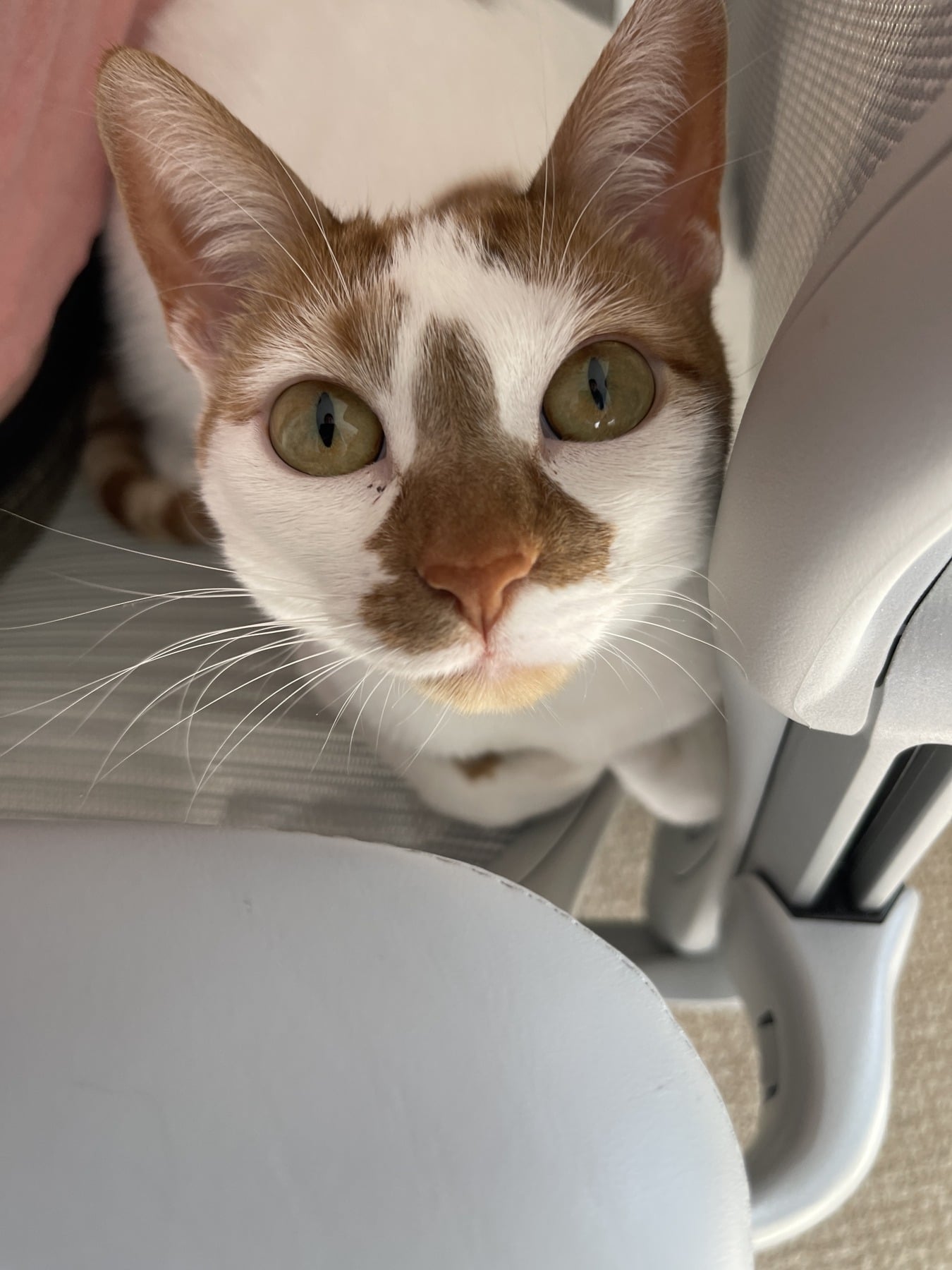
Slow blinking around your cat might sound silly, but it’s a great way to build a connection with them. A study focusing on cat-human communication found that slow blinks from humans increased the chances of cats approaching the human.
So, what exactly is a slow blink? Blinking isn’t something we usually think about, but if we’re more intentional with our facial expressions, it can benefit our interactions with cats. Slow blinking is when you narrow your eyes slower than usual or display a series of half-blinks.
Cats slow blink as a sign of trust, so when a human slow blinks at them, they can see that the human is a friend rather than a threat. When you slow blink at a cat, some may slow blink back or approach you. If they simply go about their day after your slow blink, give them space and try again next time they look at you.
4. Find Their Favorite Places to Be Petted
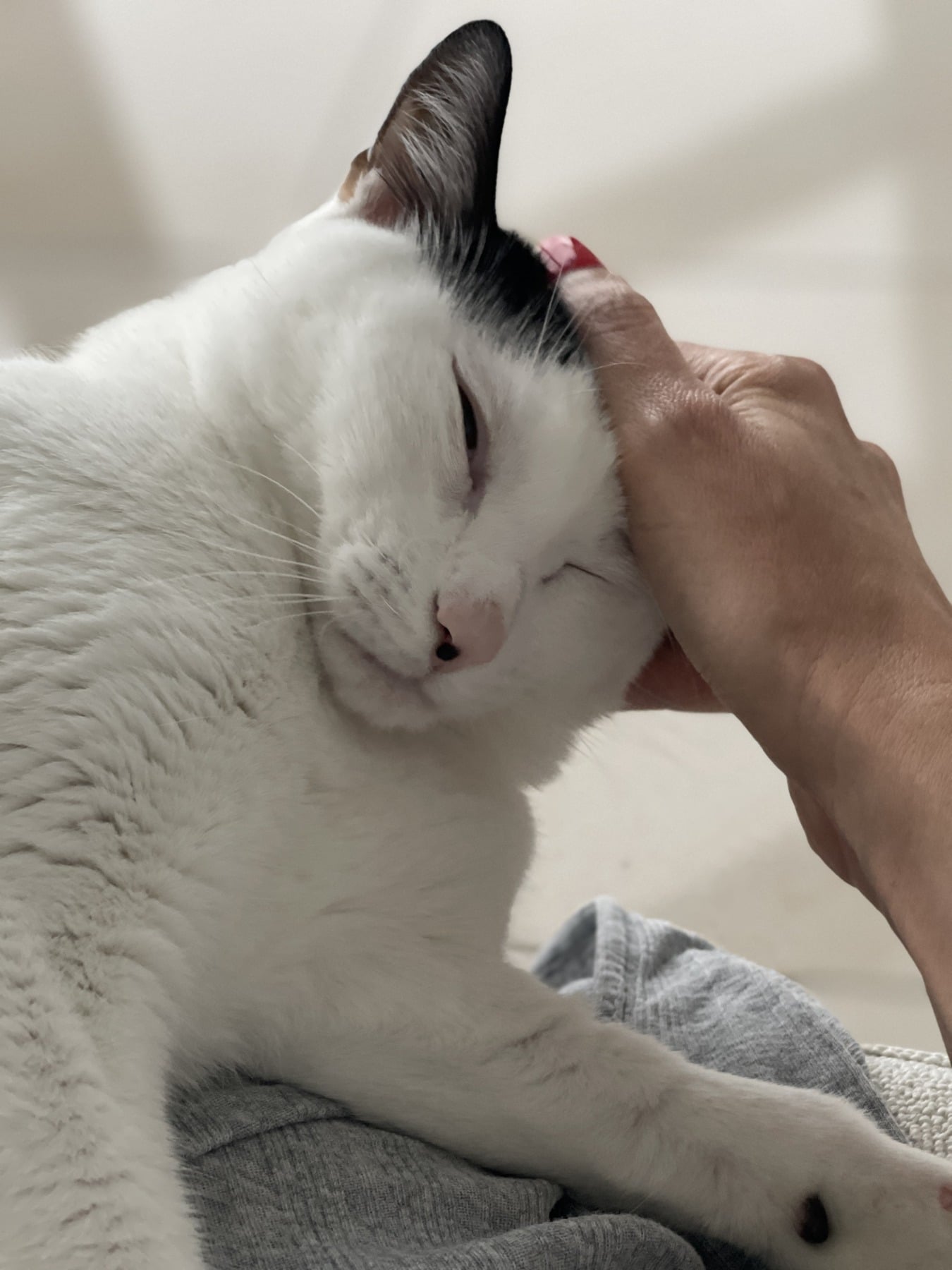
Preferred petting spots are different for every cat. One cat’s favorite spot might be uncomfortable to another. To determine if a cat likes the way you’re petting them, pause after a few strokes to see how they react. If they lean in or seek more attention, they probably want more.
Every cat is different, but the chin, cheeks, and base of the ears are good places to start. Some cats enjoy touch at the base of the tail, while others find it uncomfortable. As you’re petting, look at your cat’s body language to see if they’re enjoying it.
One spot to avoid is the belly. Some cats will roll on their back while you’re petting them, but unlike dogs, this doesn’t usually mean they want a belly rub. The belly is a vulnerable spot, so a cat may become defensive if you touch their belly. Showing their belly can mean they feel safe around you, but it doesn’t automatically mean they want to be petted there.
5. Know When to Stop
Knowing where to pet a cat is only part of the process. It’s also important to know when to stop. Look for changes in body language, such as flattened ears, a swishing tail, or skin twitching. Most importantly, if the cat walks away while you’re giving them affection, give them space rather than following them.
Rather than relying only on obvious signals like hissing, pay attention to the whole picture. Are you letting the cat come to you first? Is the cat relaxed or tense? Are they seeking more attention if you stop petting them?
Whenever something seems off, it’s a good idea to stop petting your cat for a while. Over time, you’ll learn your cat’s individual behaviors and cues, but at first, it’s better to be more cautious. It’s better to take a break and wait for the cat to seek more attention than to overwhelm the cat with too much affection at once.
6. Find a Game They Like
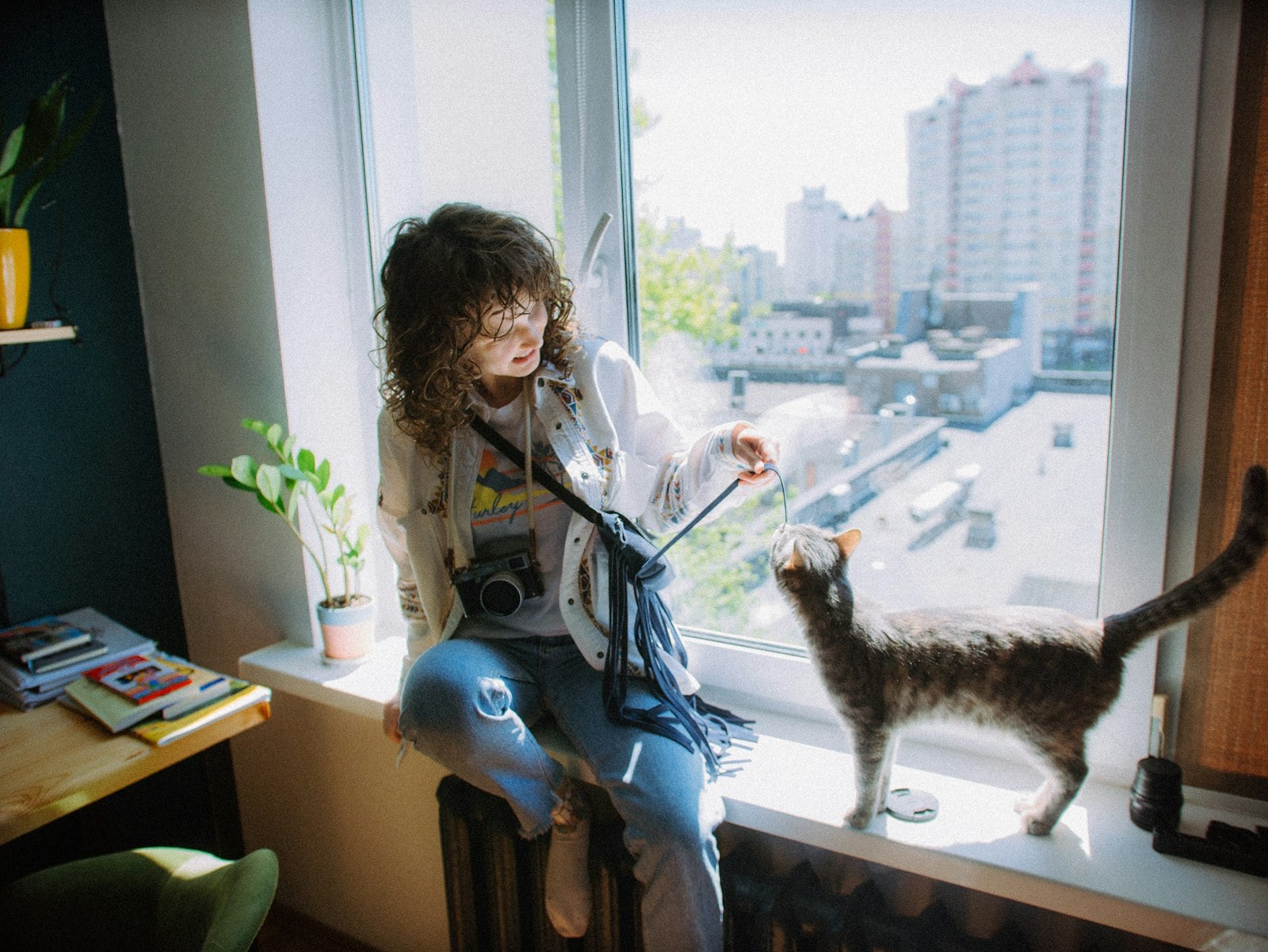
Quality time on your cat’s terms is the key to forming a strong bond. Playing with cats is a great way to help them warm up to you, but every cat plays differently. If you’re unsure how the cat likes to play, try different options like wand toys and stalking games.
Some cats will jump into play mode quickly while others prefer to sit off to the side and watch. Try changing how you move the toy to entice your cat. Cats love to lean into their prey drive, so move the toys similarly to how a mouse or bird might move in real life. They also love when a toy disappears and quickly reappears like prey might. A cat who doesn’t typically play might just need to find the right toys and movements, so switch it up until you find something appealing to the cat.
When trying different toys and games, keep your hands away from the scene so they don’t become a target. Wand toys are a great way to move a toy around without you getting scratched. Always supervise wand-toy play and put string toys away afterward so your cat can’t swallow the string or become tangled in it.
7. Bring Out the Treats
For food-motivated felines, treats can have a strong effect on them. If they learn to associate you with their favorite snacks, they may grow to like you faster.
When your cat comes near you, offer them treats to build a positive association. Let your cat choose whether they want to come closer after eating a treat. If you trap your cat with affection after they come to get a treat, this could build fear instead of trust.
You’ll want to choose treats that are enticing to cats while still being healthy. Treats with proteins like chicken, turkey, and fish typically work best, especially if they’re free from artificial colors and flavors. Only 10% of your cat’s daily calories should come from treats, so if you’ve already reached that limit, consider offering them pieces of their food instead.
8. Build a Familiar Routine
There’s something comfortable about familiarity. To build a bond with a new cat, stick to a consistent routine whenever possible to help them feel at ease. Keep playtime, meals, and quiet hours around the same time each day so your cat can know what to expect on a daily basis.
With a routine, cats can feel safer and less stressed, making them less likely to feel overwhelmed by your presence. When they know what to expect around the home, it may feel less risky for them to approach you. They’ll also learn to associate you with things they like, such as meals and playtime.
Many cats quickly learn when their mealtimes are, so when you’re first deciding their routine, choose mealtimes that are easy for you to accommodate and keep at the same times.
9. Notice the Small Signs of Friendship
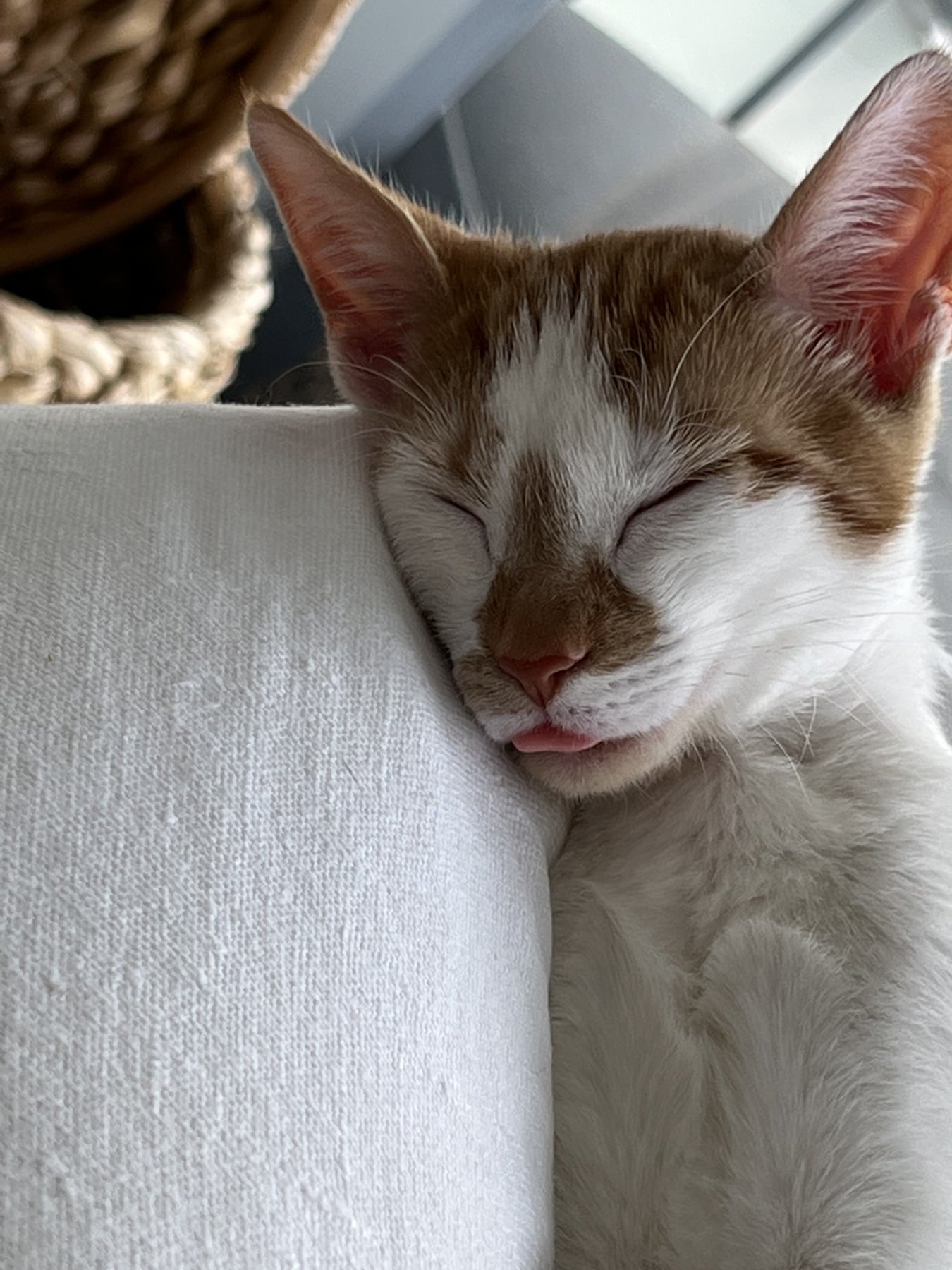
It might not be instantly obvious when a cat likes you. Some cats are more subtle with their signs of affection. Sometimes, sitting near you, following you into a room, or eagerly waiting for part of a daily routine is a sign of friendship for cats.
Affection looks different to every cat, so keep an eye out for small signs of love. Think about how the cat behaved when you first met them, and consider if any of their behaviors have changed since then. Even small signs of trust can be a big deal for a cat that’s normally reserved.
Some cats may never be cuddly or enjoy being handled, but that doesn’t mean they won’t bond with you. They might just have their own unique ways of showing their appreciation, so don’t take the small improvements for granted.
10. Above All, Have Patience
Through volunteering and friends, I have seen lots of cats enter new homes. Each time, it’s a completely different situation. Some immediately cuddled with their new humans while others took weeks to start approaching people.
Regardless of what a cat’s behavior is like, I always recommend that people be extremely patient with new cats. During their first few days home, keep things calm and consistent. Don’t invite a bunch of people over to meet them until your cat starts getting used to their new routine. Introducing them to too much too soon might only stress them out more.
Cats can respond to how we behave around them. You don’t have to feel cheerful all the time; focus on calm, predictable interactions and give your cat space when they need it.
Give Some of These a Try!
If you’re hoping to gain a cat’s trust, try some of the above tips to help strengthen your bond. You might not get immediate results, but with patience and respectfulness, you can help improve the cat’s feelings about you.
These tips are only for cats that you haven’t bonded with yet. If you have an affectionate cat that suddenly avoids you or stops liking physical touch, visit a vet just to make sure there aren’t any underlying health concerns to blame. It’s always better to be safe than sorry with your furry friend’s health.
What have you done to win a cat over in the past? Share your tips in the comments!

Freelance writer with a BFA in Creative Writing who’s been covering pets since 2018. Animal-rescue volunteer, dog mom to Mabel, and future cat mom (maybe one day!).