Signs Your Cat Might Be Unhappy
 By Molly Weinfurter
 ✓Medically reviewed by Dr. Lindsey Mortlock
“Unhappy” is a broad term that varies between cats. Some cats are content hiding for most of the day while others crave constant attention. So, the best way to determine if a cat is stressed, hurt, or afraid is to look for changes rather than specific behaviors.
If a normally social cat suddenly spends an entire day out of sight, that’s a sign that something might be wrong. Whenever your cat acts unusual, pay attention to the context and duration. If the sudden behavior change isn’t easily explained, it could be a sign that your cat isn’t feeling their best. Below are just a few signs that your cat might be unhappy or unwell, which could warrant a vet checkup or routine change.
It might seem silly to schedule a vet visit over a small behavior, but cats are great at hiding their discomfort. Early changes could be a sign of stress, illness, or injury, so it’s always a good idea to have a vet examine your cat just to verify that everything looks okay.
They Are Hiding More Than Usual
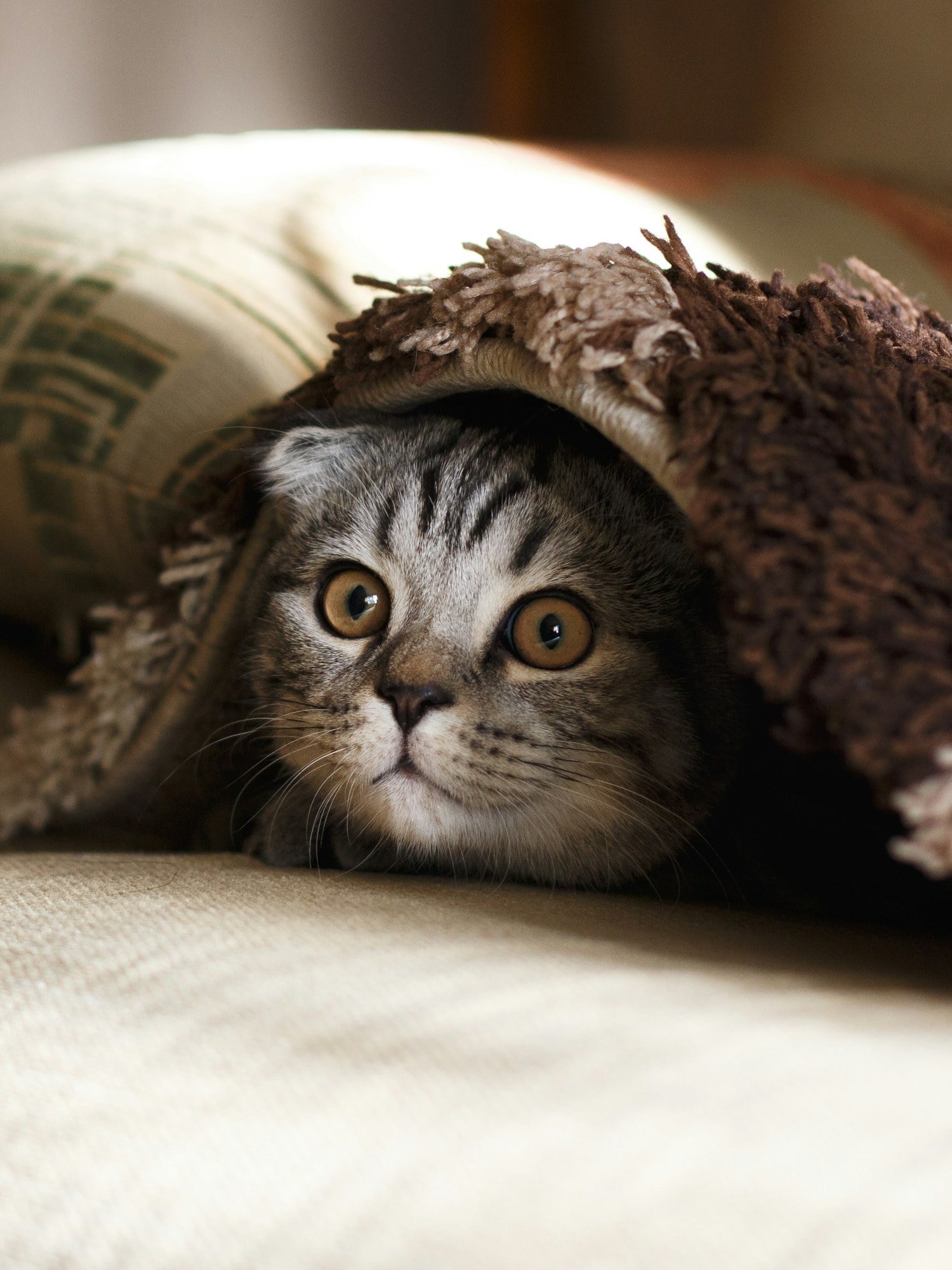
Most cats hide to some extent. They like having a safe space to retreat to when they feel overwhelmed. However, a significant increase in hiding could be a sign of fear or pain, especially if they’re avoiding places they usually love. Telling your vet about new or persistent hiding habits can help rule out health concerns.
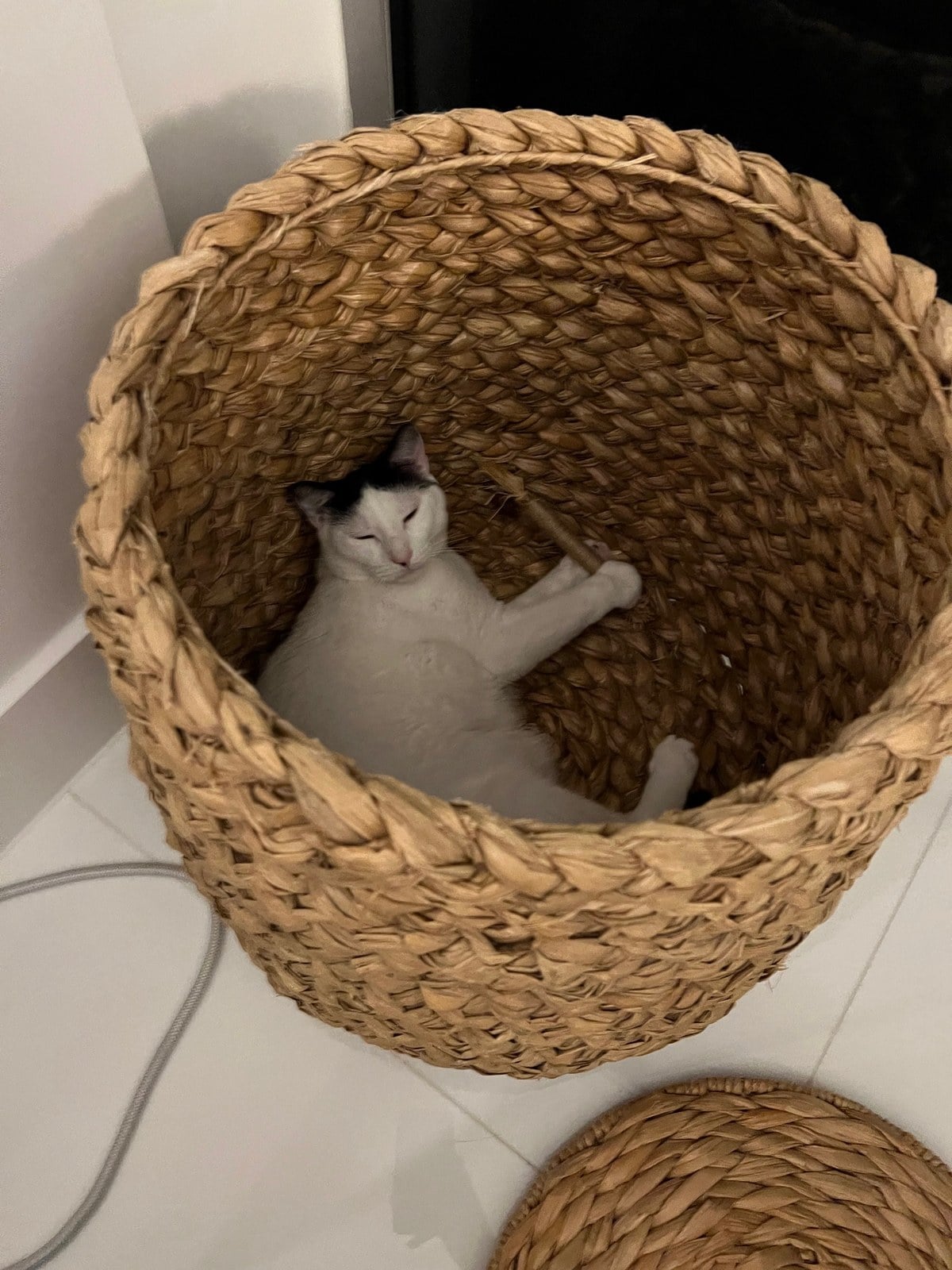
To reduce stress and discomfort in your home, make sure you’re meeting the Feline Veterinary Medical Association’s five pillars of care for cats. These pillars indicate that cats need a safe place to retreat to, separate key environmental resources (food, water, litter boxes, etc.), opportunity for play, positive and predictable human-cat interactions, and an environment that respects a cat’s senses.
If your cat’s home doesn’t meet these requirements, they may hide more frequently. Whenever your cat is hiding, whether it’s normal or unusual, give them space and avoid pulling them out of hiding spaces.
They Have Stopped Seeking Their Usual Company
You can tell a lot about cats based on how they interact with their humans. If a cat who normally hangs out near you starts keeping a distance or steering clear of affection, it doesn’t mean they don’t love you anymore. It could be a sign that something else is upsetting them.
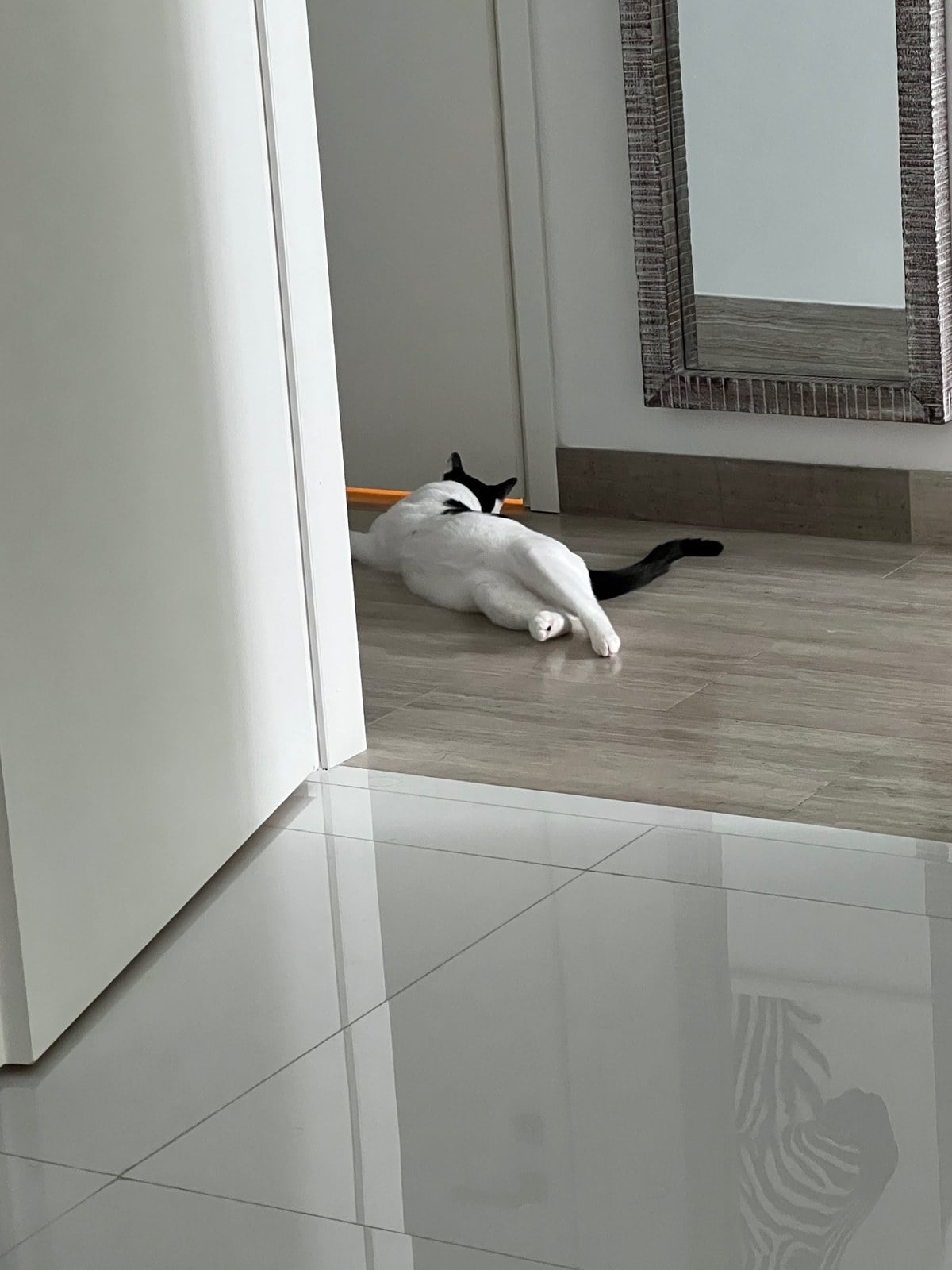
South Putnam Animal Hospital shares that the most common reasons cats start ignoring their humans are behavioral. They may feel overstimulated due to environment changes, too much noise, or unwanted attention. If anything is different in your household, even small changes like rearranged furniture, that could be causing some fear or confusion in your cat.
Make sure your cat has plenty of safe places to retreat to so they’re never forced into interactions when they’re uncomfortable. Avoid blocking hiding spaces when you’re trying to interact with your cat and always respect their decision to walk away rather than following them.
Social cats avoiding people could also indicate pain or illness. Arthritis, dental issues, injuries, and stomach pain could all cause a cat to keep to themselves more. Mention your cat’s changes in social behaviors to your vet so they can look for common health concerns that could be to blame.
They Hiss, Swat, or Bite More Readily
Hostile behavior, which often includes hissing, swatting, and biting, is a cat’s attempt to intimidate those around them. If your cat unexpectedly displays these behaviors, don’t assume it’s because they’re mean. Aggression can occur for many reasons in cats, and oftentimes, it’s simply because they’re unhappy with what’s happening around them.
The Cornell Feline Health Center states that cat aggression could be caused by fear, improper handling, territorial behaviors, or pain. Sometimes, actions that we think are normal could upset cats, such as trimming your cat’s nails or petting them in a way they dislike.
To ensure you don’t accidentally upset your cat, let them have control over interactions. Whenever you’re petting them, pause for a few moments to see if they lean in and seek more attention. If they walk away, leave them alone until they seek out attention again.
If they continue acting out for interactions they normally enjoy, consult your vet. They could be angry because certain touches and movements hurt, which is important to address right away.
Their Grooming Routine Has Changed
Every cat has their own grooming habits. However, if their grooming habits change significantly, especially if they’re focused on one area, your cat may be uncomfortable.
William Miller, Jr., VMD, from Cornell University’s College of Veterinary Medicine says that licking focused on one area is a sign of pain, such as disc disease or anal sac impaction. If excessive licking is more widespread, your cat may be feeling itchy all over.
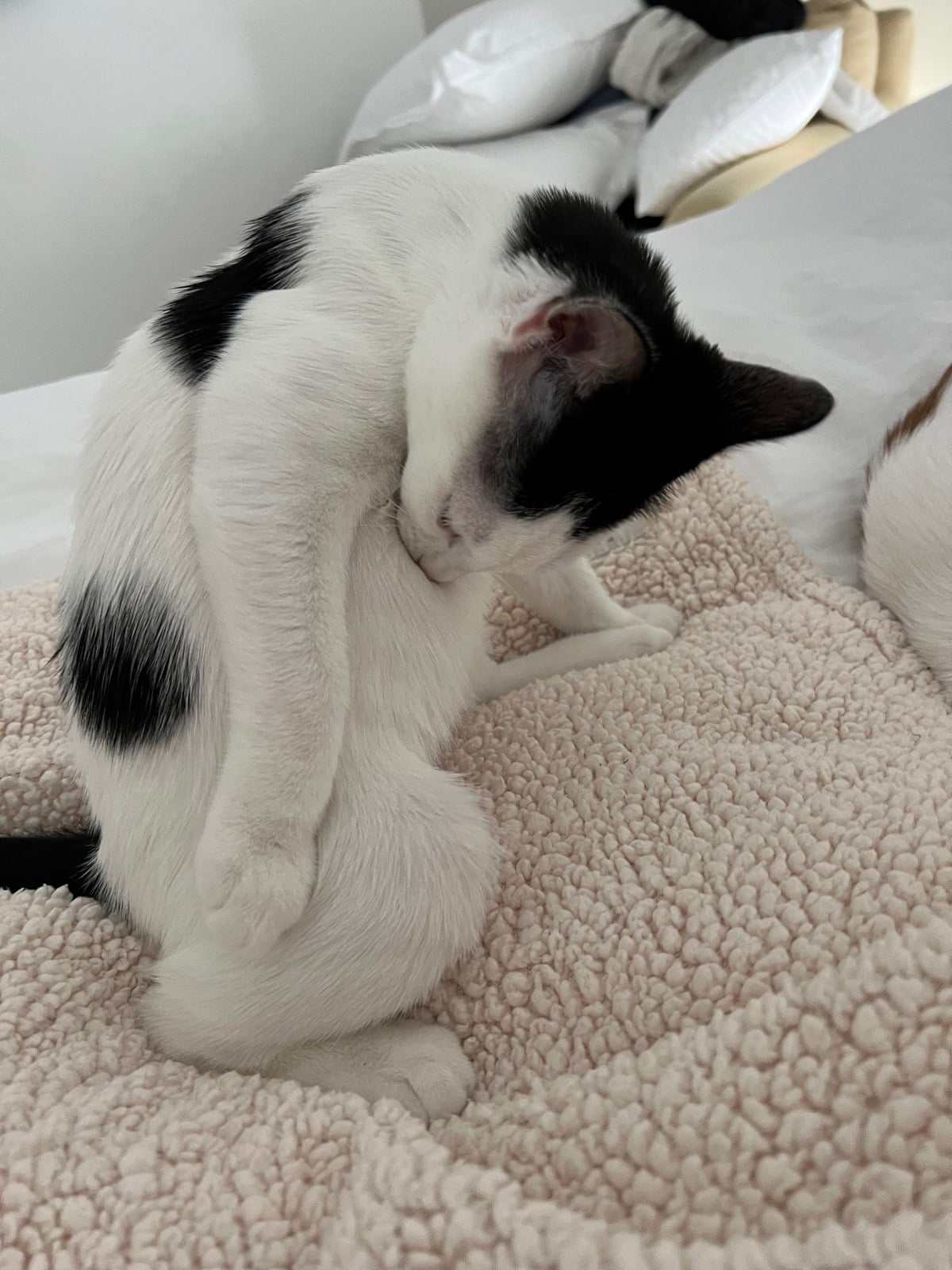
Thinning fur, sore areas, and unkempt coats are all signs that a cat’s grooming habits aren’t healthy. Rather than attributing it to stress, take your cat to the vet first to rule out conditions like skin disease and mobility issues.
If the vet rules out health problems, find ways to reduce stress for your cat, such as providing more hiding spaces, offering more mental stimulation, and letting them decide when they want attention.
Their Appetite Is Different
Cats are creatures of habit. Most cats thrive when they have a routine. Therefore, cats tend to eat consistently every day, so if a cat suddenly refuses meals or unexpectedly increases their appetite, cat parents should take note of it.
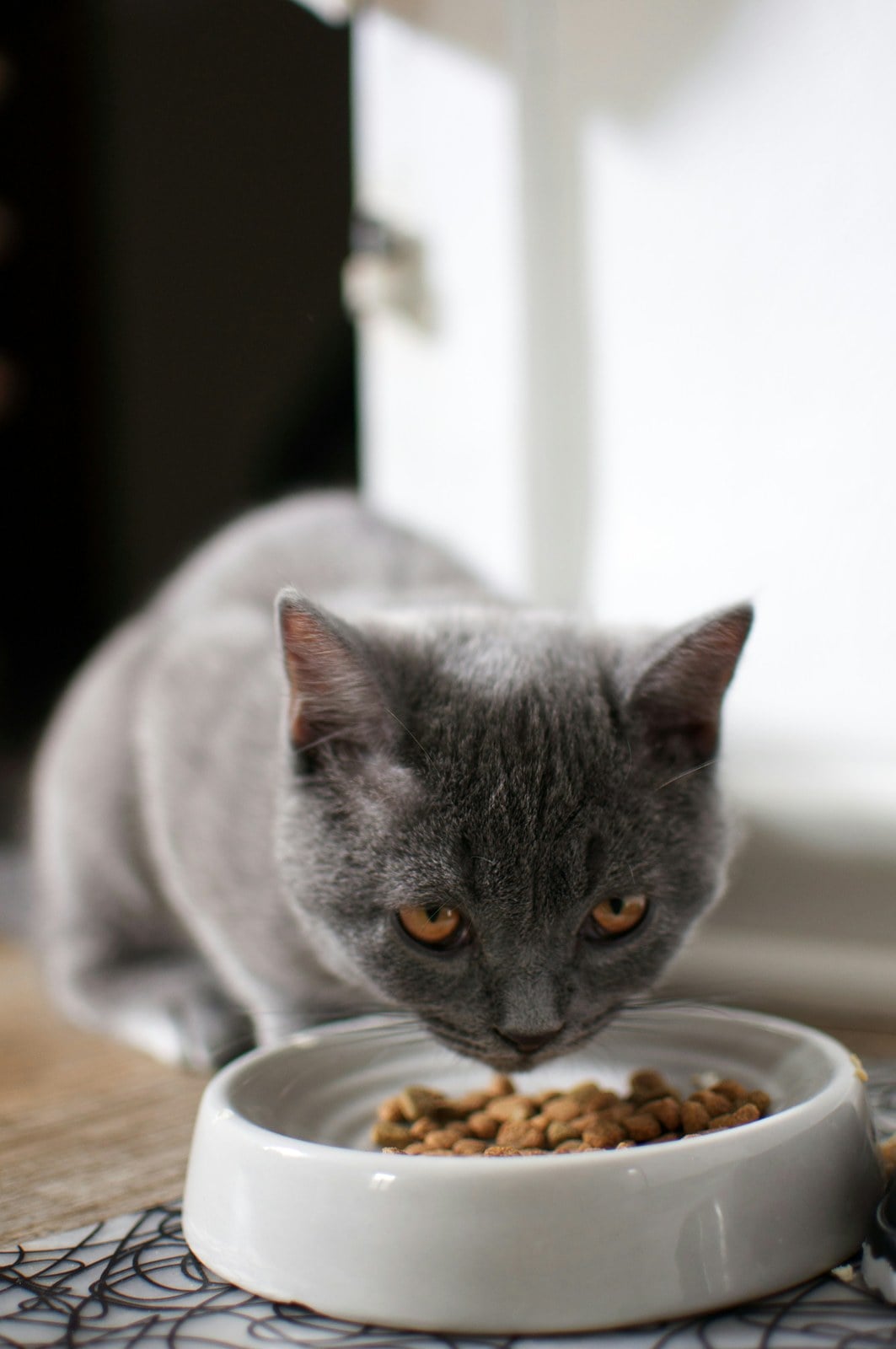
Appetite changes could be signs of health concerns like diabetes, kidney disease, hyperthyroidism, and pancreatitis. However, Carolyn McDaniel, VMD, from Cornell also notes that it could have to do with behavior changes. If a cat dislikes a new food or if they’re suffering from the loss of another pet, they may be reluctant to eat.
Rather than making assumptions or trying to use treats to increase appetite, talk to a vet. There are many reasons a cat’s appetite could change, so determining the root of the problem is the best way to figure out how to help your four-legged family member.
Their Meowing Sounds Different or Happens More Often
Cats use lots of vocalizations to communicate. It doesn’t take long for cat parents to understand which sounds are the norm. So, when a cat’s meowing drastically changes, such as unexpected yowling at night, meowing more frequently throughout the day, or stopping sounds altogether, it’s okay to be worried.
The Cat Clinic and Hospital in Pennsylvania shares that vocalization changes could relate to behavior or health issues. Stress, pain, or confusion could cause a cat to meow more often or in a different tone. Respiratory issues could also change how your cat sounds, such as creating a raspy meow. Seek urgent medical attention for any breathing issues.
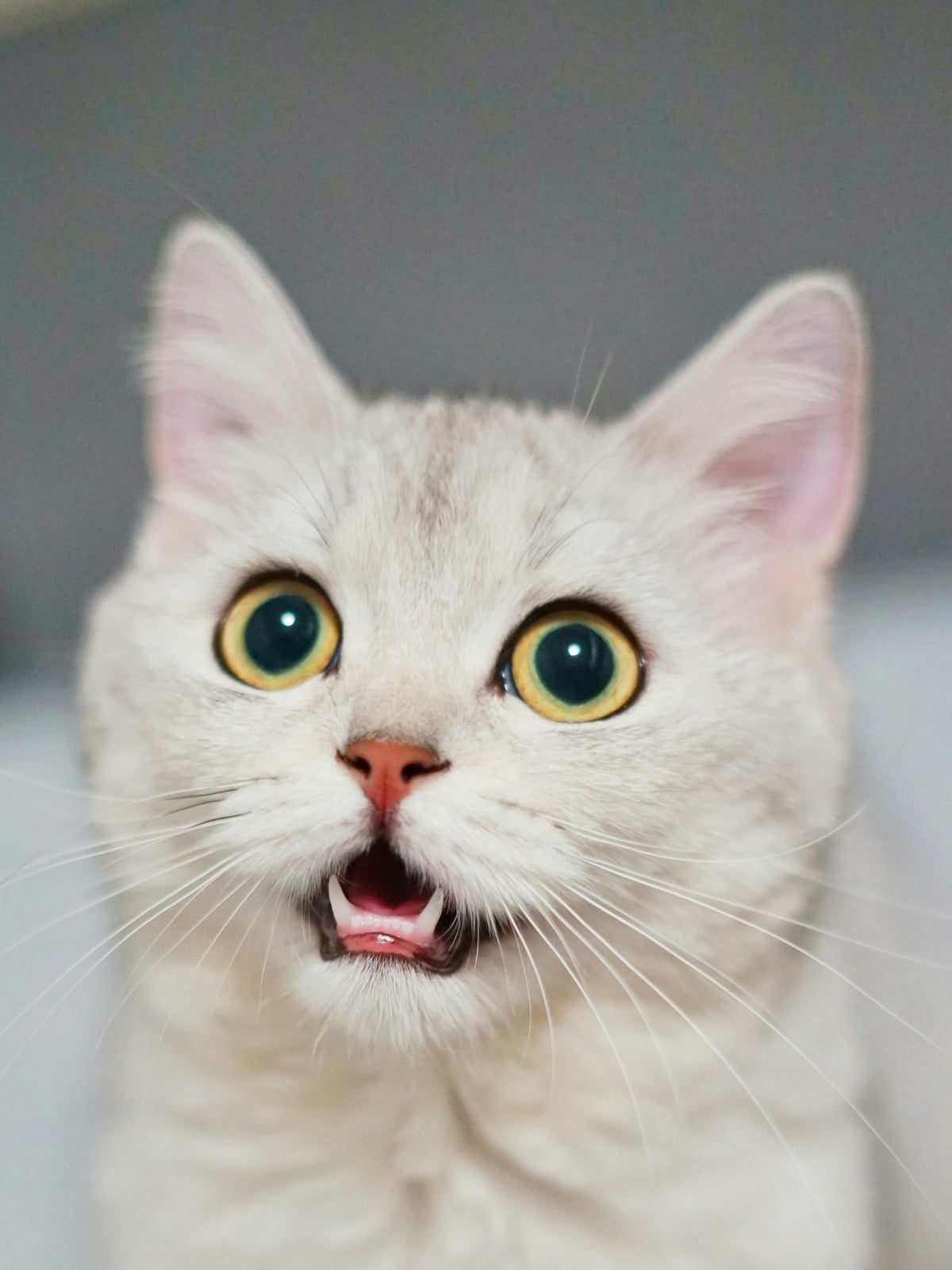
Pay attention to the timing and context of your cat’s meows. It’s easy to brush off a meowing cat as being lonely or seeking treats, but it could also be linked to pain, illness, sensory changes, and age-related conditions. If you’re unsure what’s causing the change, discuss it with your vet to rule out health concerns.
Their Litter Box Habits Have Changed
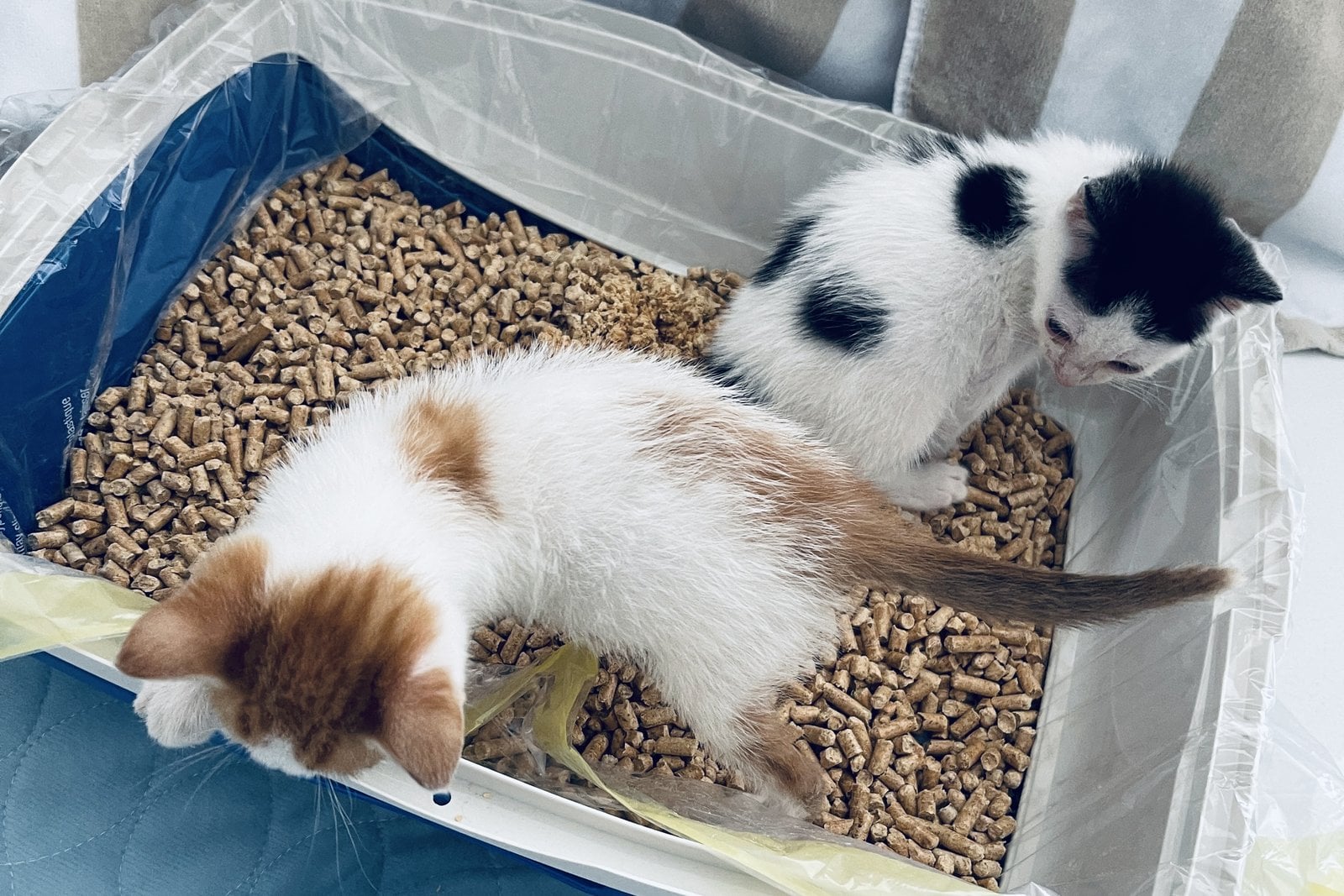
You probably aren’t paying close attention to every bathroom break your cat has, but cleaning the litter box likely gives you some idea of how often they go. Having accidents outside the box, avoiding a litter box they normally use, or going to the litter box more frequently could all be signs that your cat isn’t feeling their best.
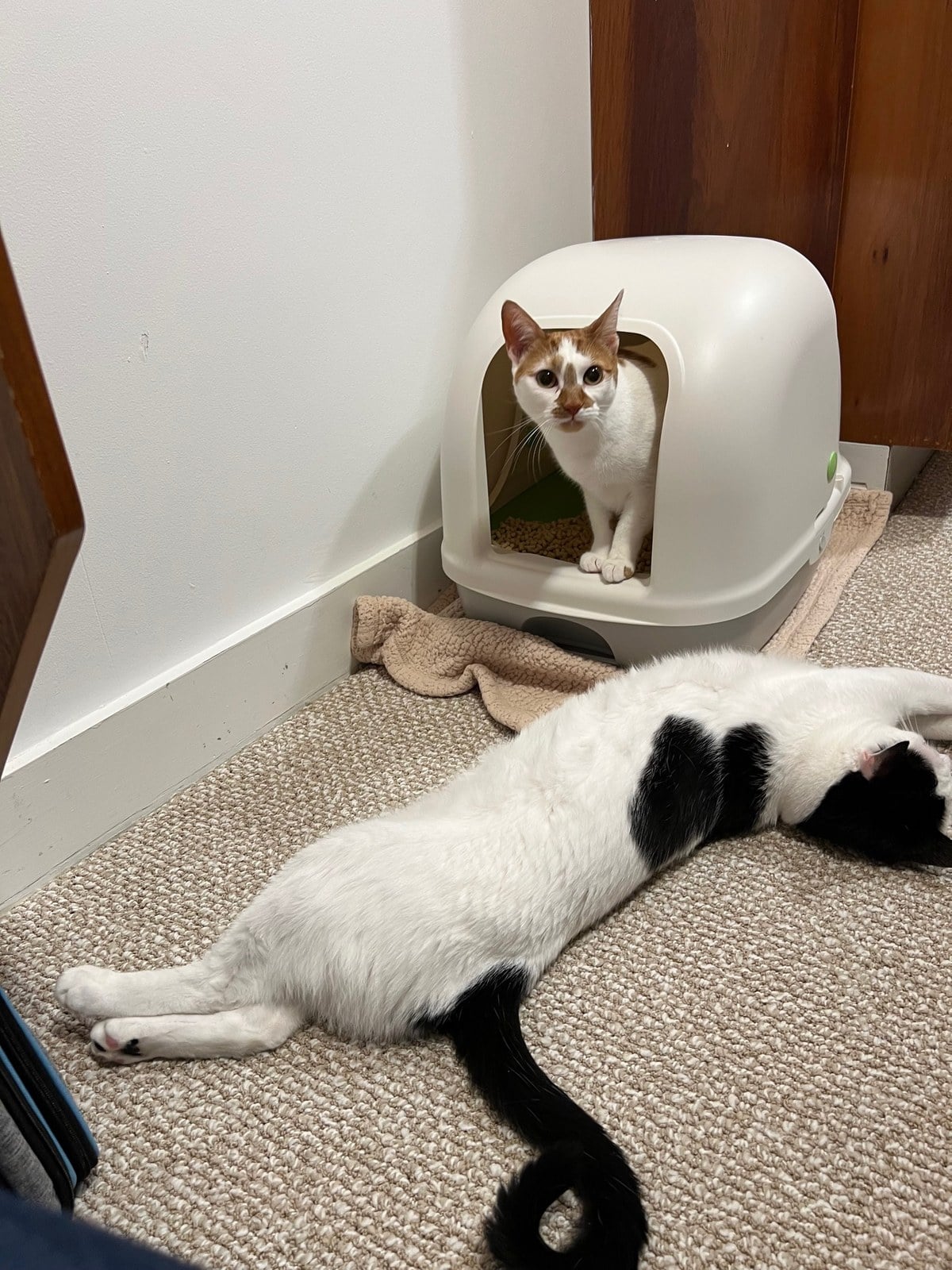
Urinary concerns can be serious, so it’s crucial to rule out medical issues first. The 2025 iCatCare consensus guidelines indicate that urinating outside the litter box and urinary incontinence are signs of lower urinary tract diseases. Overgrooming near the abdomen could also be a symptom. Visit your vet as soon as possible if you suspect a urinary tract disease.
If a health problem isn’t to blame, that means something is upsetting your cat enough to cause this behavior change. Consider the access, location, and cleanliness of the litter boxes in your home. If there are other cats in the household, determine if there’s any tension between the cats. Adding litter boxes, cleaning more frequently, or moving to more secure locations can help with litter box stress.
They Seem Restless or Their Resting Pattern Has Changed
Cats naturally rest a lot. Just because a cat naps frequently doesn’t mean they’re upset. However, noticeable changes like frequent pacing, difficulty settling, or less time with humans could signify a concern.
If your cat just doesn’t seem as tired as usual, it could be a sign that their physical and emotional needs aren’t being met. Without safe spaces, separated environmental resources, predictable routines, and mental stimulation, cats could become bored or anxious, making them seem more restless. Try making adjustments to the environment to help your cat feel more comfortable.
If your cat seems unable to lie down or get comfortable even after an eventful day, VCA Animal Hospitals notes that it could be a sign of a condition like arthritis. Joint pain causes cats to frequently shift and avoid hard surfaces. If you suspect pain is the cause for resting pattern changes, have a vet examine your cat.
They Have Lost Interest in Play or Exploring
Cats may slow down a bit with age, but they should still act like themselves. If they stop chasing a favorite toy or sitting on their usual perch, there might be something more going on than just natural aging. Pain, mobility issues, illness, insufficient stimulation, and fear could all cause a cat to suddenly slow down.
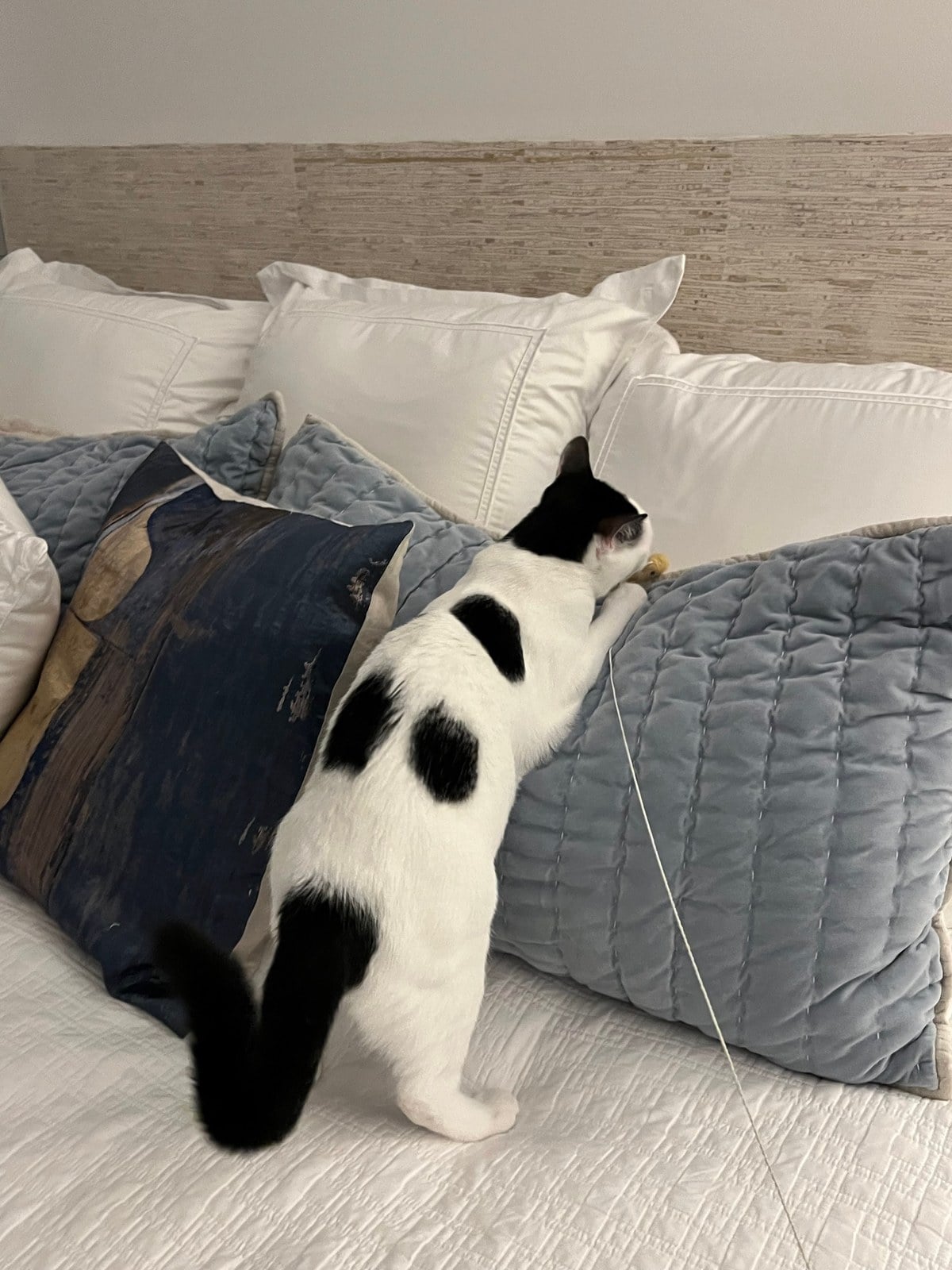
Christine Bellezza, DVM, formerly of Cornell’s Feline Health Center, states that slowed-down behaviors can be linked to joint pain. Signs start off subtly, especially since many cats hide rather than letting their discomfort be seen.
So, even if it doesn’t seem like a major change, reduced activity is worth mentioning to a vet. Even if it’s not pain-related, your vet can help you determine what aspects of your cat’s environment and routine could be causing the behavior shift.
Their Body Looks Tense in Situations That Used to Be Comfortable
Cats rely heavily on body language to tell us how they feel. They can’t directly tell us when something is wrong, so it’s important for us to pick up on small cues. Crouched posture, ears held back, a tucked tail, or repeated tail lashing are all signs that a cat is uncomfortable.
To understand the context, look at your cat’s full body and their surroundings. If they’re tense in situations that don’t typically cause them stress, look around to see if anything has changed. For some cats, the trigger could be a strange human, animal, or noise. For other cats, it could be less noticeable like rearranged furniture or slight schedule changes.
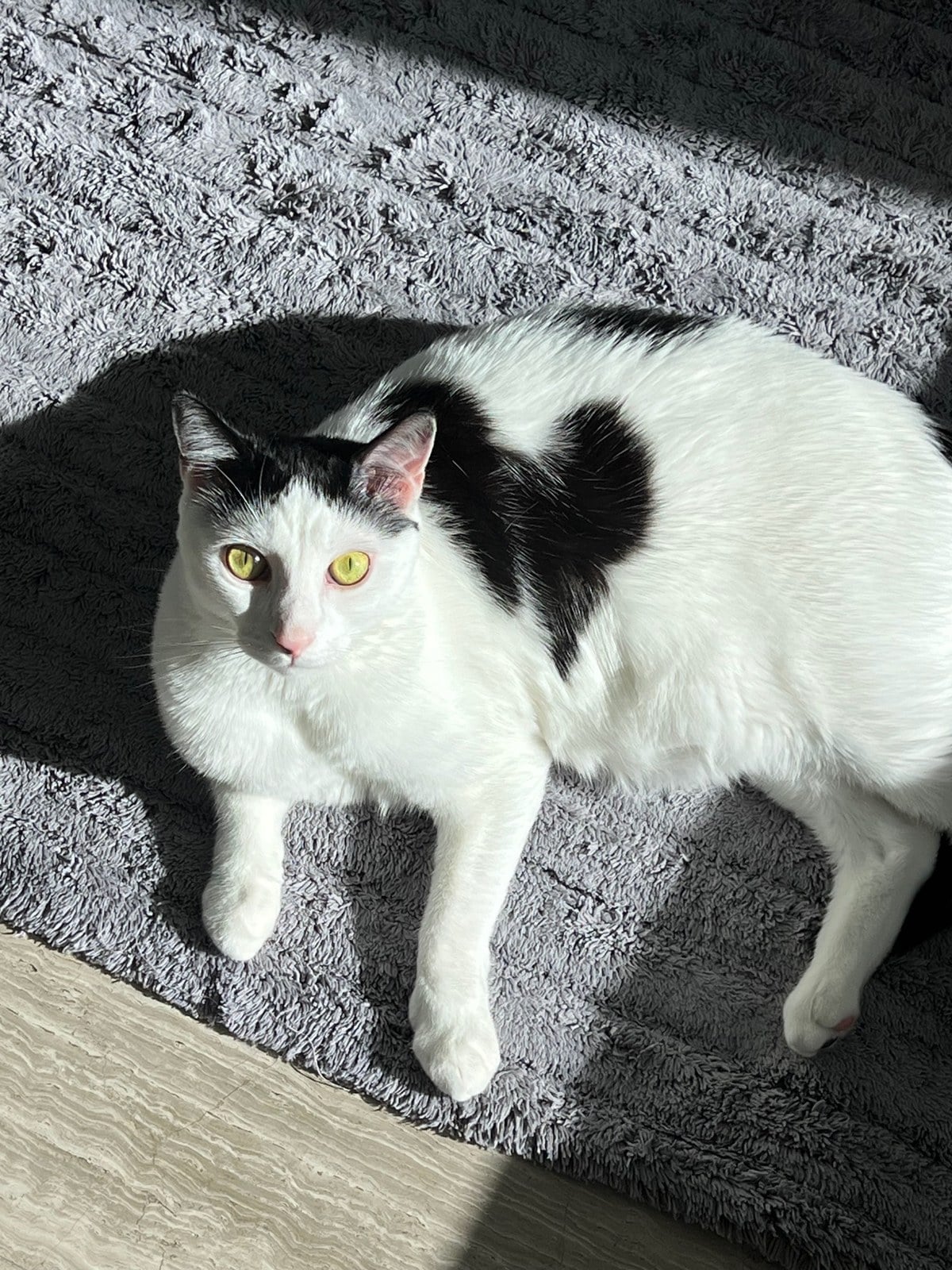
Always make sure your cat has an easy path for escaping and hiding, even if it’s a situation they normally enjoy. Letting your cat have control can help them feel the most at ease.
Pay Attention to Small Changes
If you notice small behavior changes in your cat, make note of it. While it might seem minor, it’s always better to be safe than sorry. Keep an eye out for additional changes, note any possible triggers, and discuss them with your vet when possible.
To help keep your cat as content as possible, offer a predictable routine, set up safe retreats, separate their resources, and offer gentle play. Most importantly, give your cat the choice to cuddle rather than forcing interactions. Even the friendliest cats are the happiest when they have some control.
A freelance pet writer with a BFA in Creative Writing. She’s been writing about animals since 2018 and volunteers with animal-rescue organizations.
An emergency veterinarian with a special interest in feline medicine — and a self-proclaimed cat lady with six cats of her own.