Does Your Cat Miss You When You’re Gone? Here’s How to Tell
Have you ever come home from vacation only to find that your cat won’t let you out of her sight? Not to the bedroom. Not to the laundry room. And certainly not to the bathroom.
Anyone who owns a cat can tell you these little guys can form an attachment to us, and some definitely behave a little differently after spending time away from their owners. Following you around doesn’t necessarily mean your cat spent the afternoon feeling lonely. She might want affection, food, or simply to investigate what you’re up to.
Changes in your cat’s behavior while you’re not home can reveal how she handles time apart. Some changes aren’t serious, while others warrant a prompt visit to the vet’s office. While some of these behaviors might mean your cat missed you, others could point to something entirely different.
1. The Welcome Home Is More Enthusiastic Than Usual
Some cats greet their owners at the door, while others couldn’t be bothered to do more than flick an ear in acknowledgment. But if you’ve ever been away from home longer than usual, you might just notice your cat being unusually enthusiastic when you return.
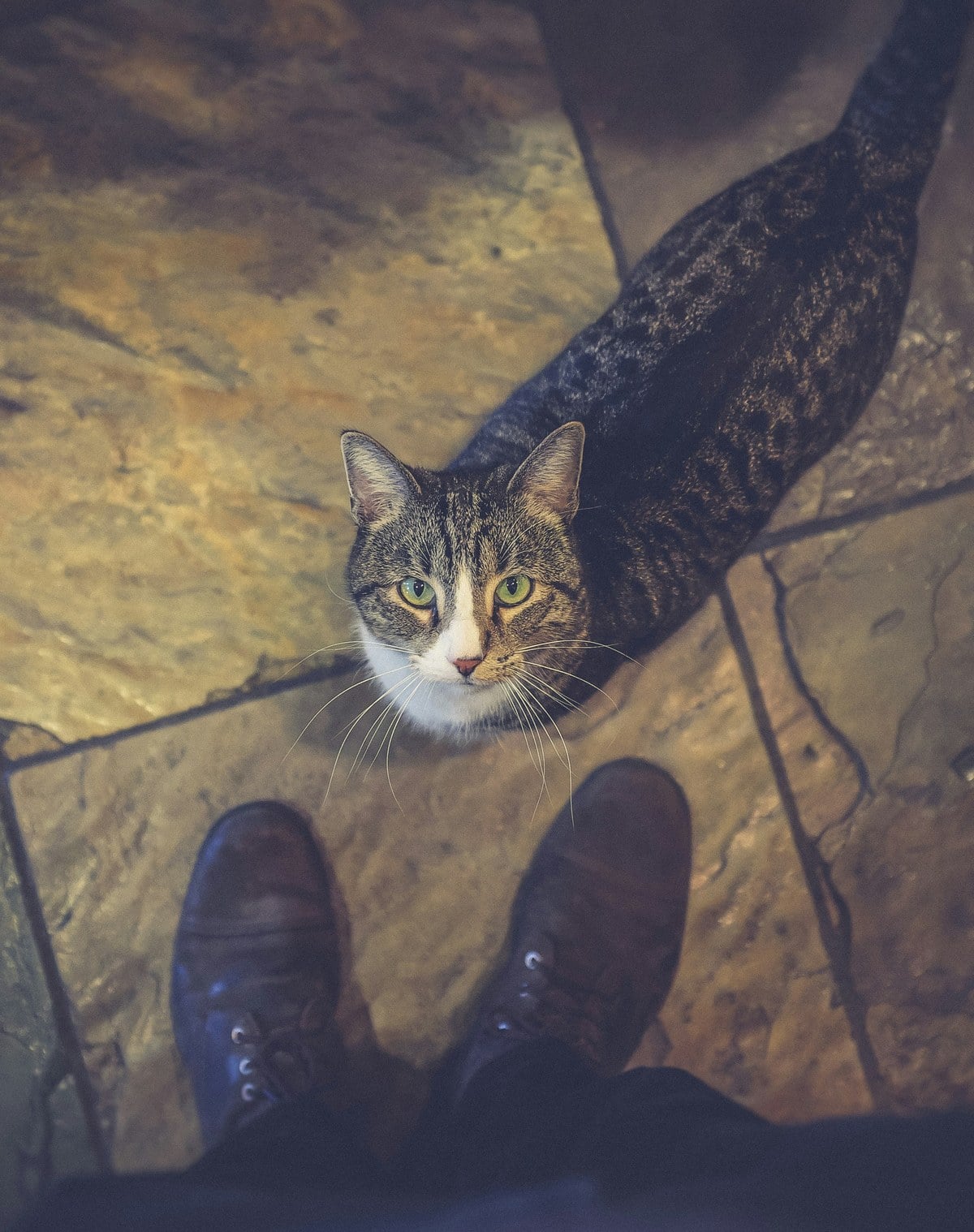
A 2017 study found differences in cats’ reunion behaviors based on how long their owners were away. Researchers at the Swedish University of Agricultural Sciences studied 14 privately owned cats from single-cat households. Each cat was separated from its owner twice: once for 30 minutes and once for 4 hours. After the 4-hour separation, the cats purred and stretched more than after the 30-minute separation.
The researchers suggested that the increased interaction following the longer separation might indicate a stronger desire for the cats to reconnect with their owners. Despite this, they couldn’t establish a clear link between the cats’ behavior and feelings of loneliness or unhappiness while their owners were away.
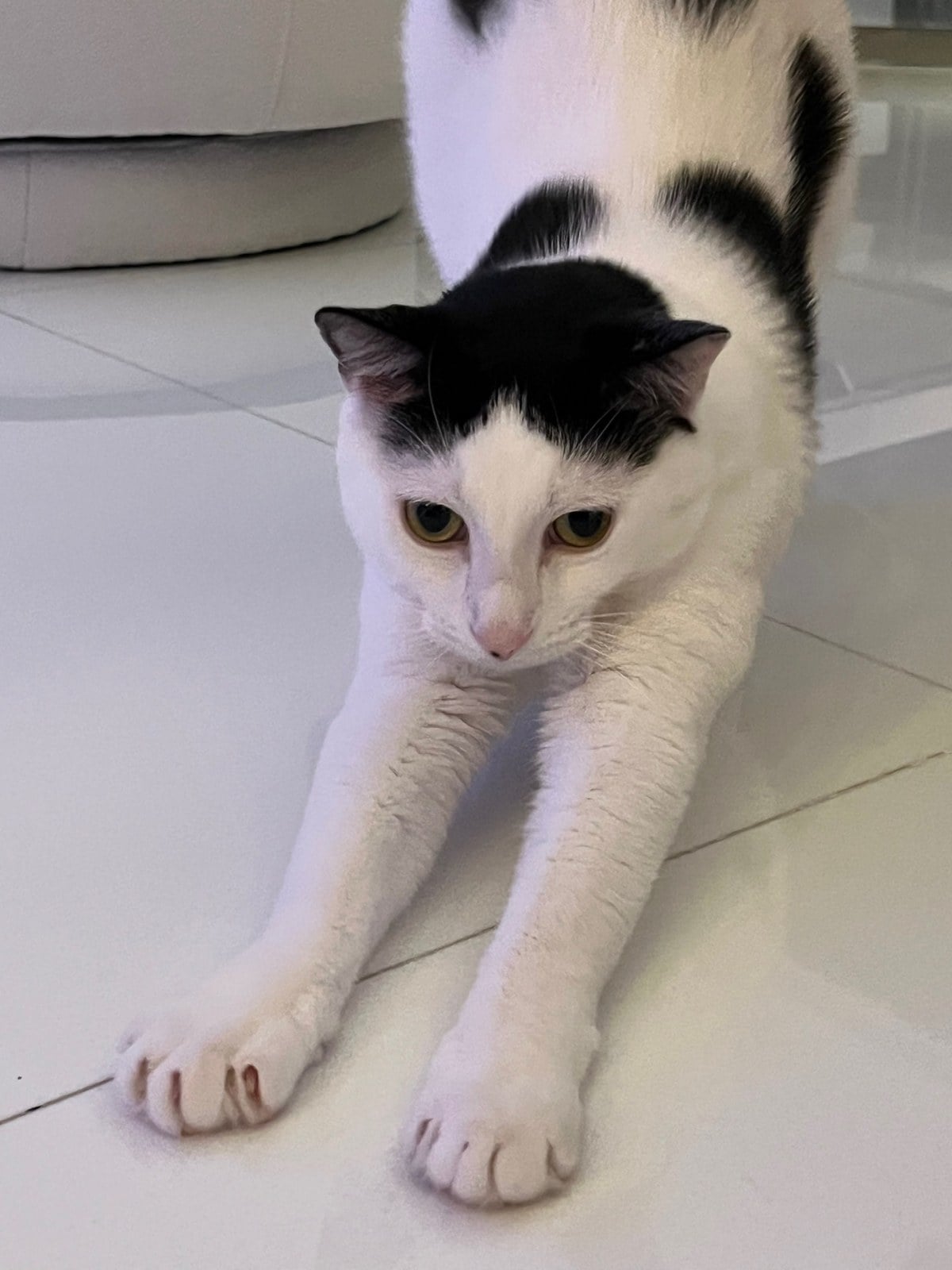
In other words, a bigger-than-usual welcome after a longer absence may mean your cat is interested in reconnecting. But if Fred barely raises his head when you walk in the front door, it doesn’t necessarily mean he’s any less attached to you.
2. They Want More Company After You Return
My boy Gizmo has been a mama’s boy since the day he was rescued, but because he picks on the girls in my bedroom, he’s effectively banned from spending the night. Each morning he races to greet me at the bathroom door, but his devotion doesn’t stop there. Every time I leave a room for the rest of the day, he races after me, seemingly determined to make sure I don’t disappear again.
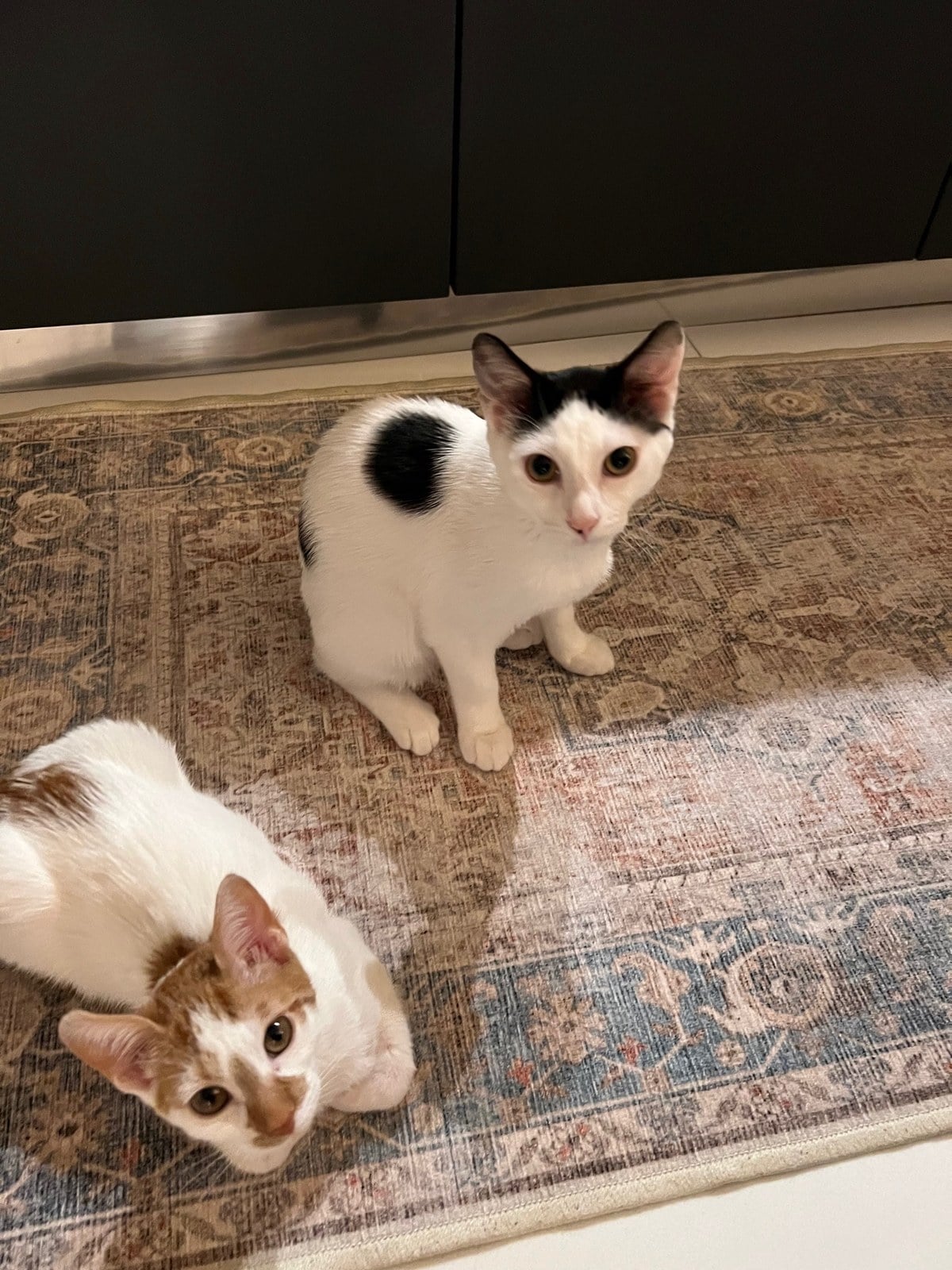
Some cats behave similarly after their owners return from a vacation. They might follow them around more closely, demand more attention than usual, or settle nearby just to enjoy their company.
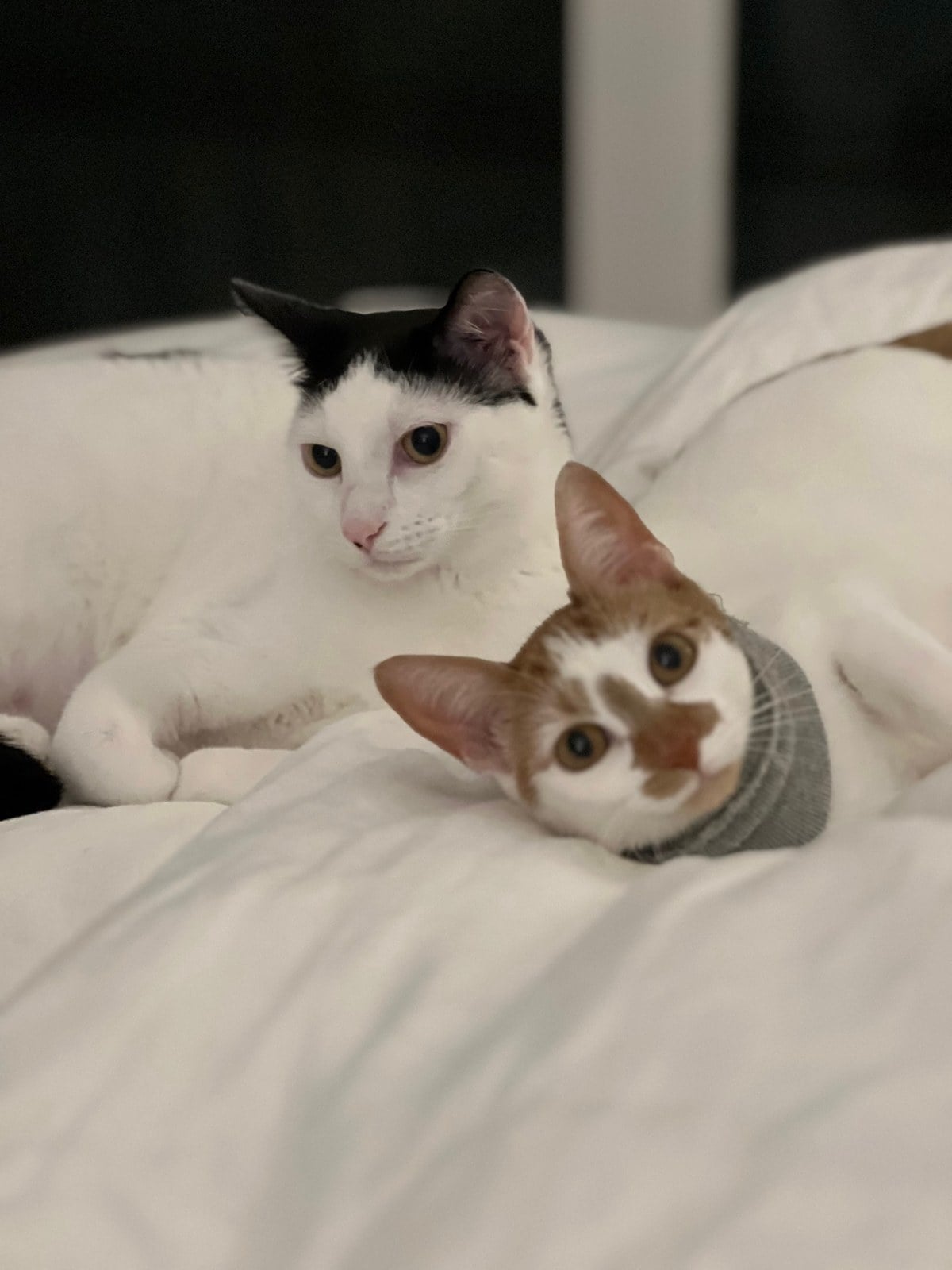
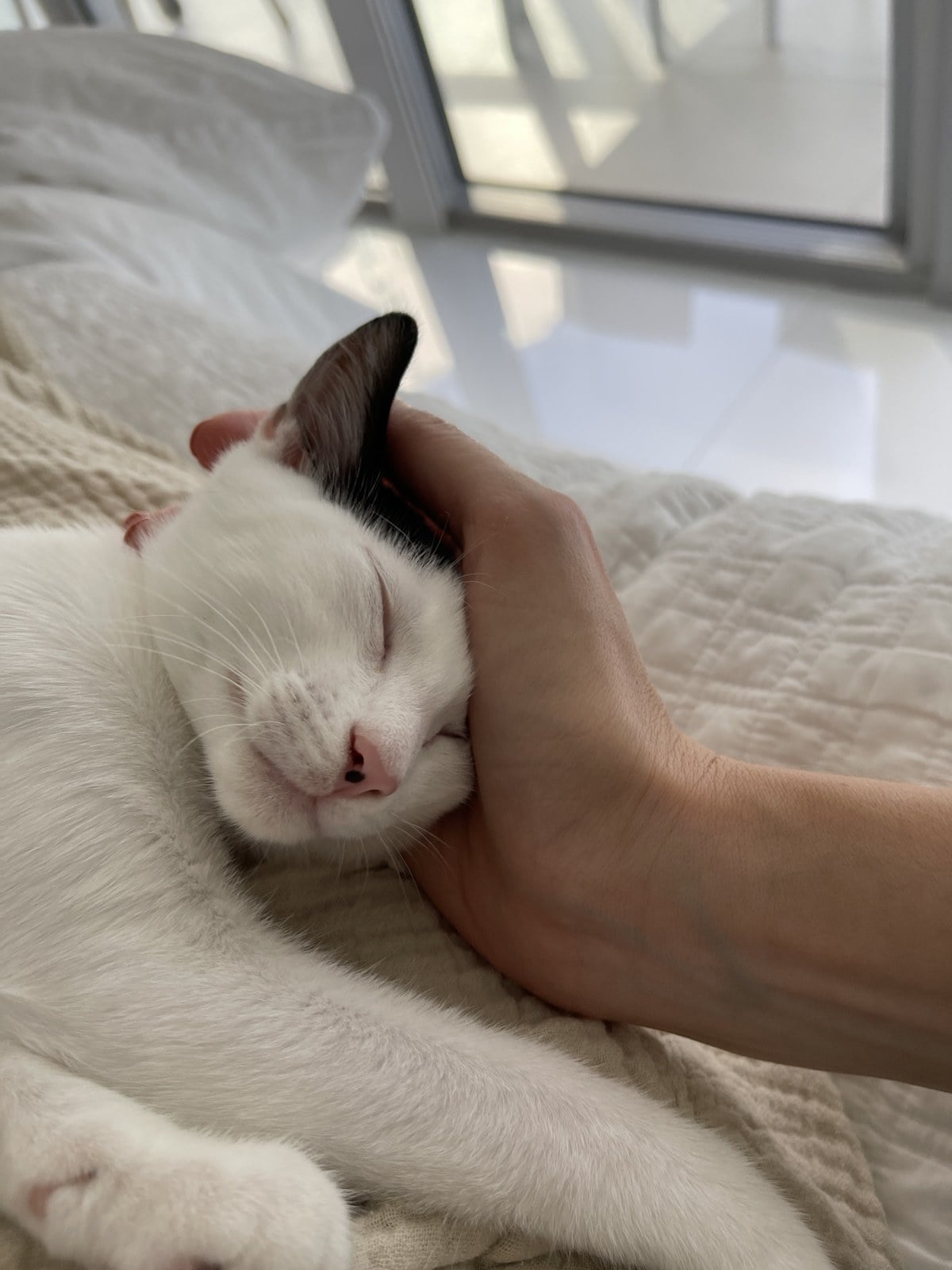
If your cat wants more company after you’ve been away, let it enjoy your attention. That could mean gentle petting, play, or simply spending time together. Your cat should determine how much physical interaction it wants without being forced to cuddle. Remember, increased signs of affection after you’ve been away don’t necessarily indicate separation anxiety.
3. They Call for You While You Are Away
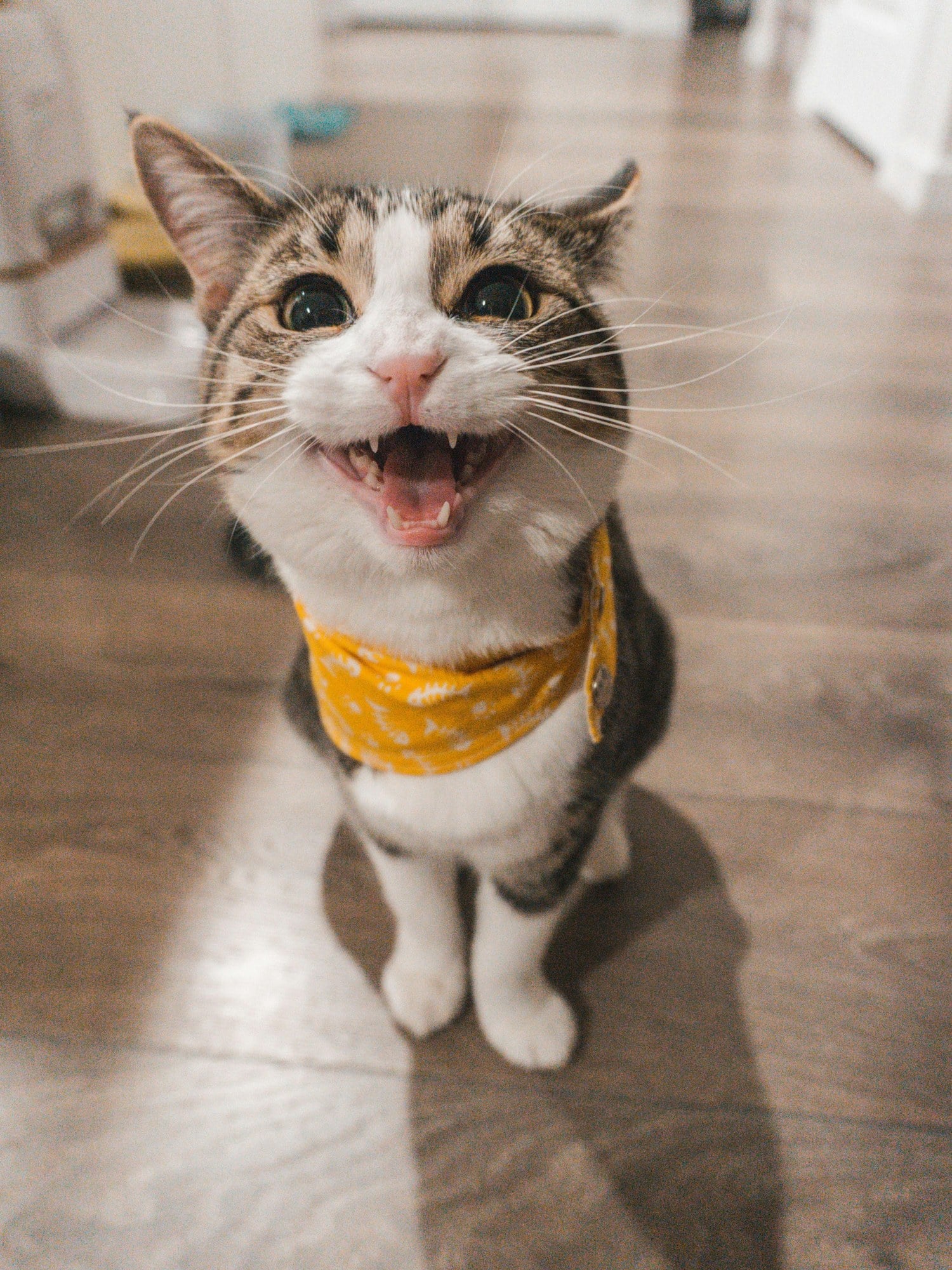
It’s easy to think your cat naps all day while you’re away, but the reality may be something much different. A home security camera might reveal that your cat leads an entire secret life when you’re not home. Some cats may begin calling as soon as you shut the door, while others will meow throughout your absence.
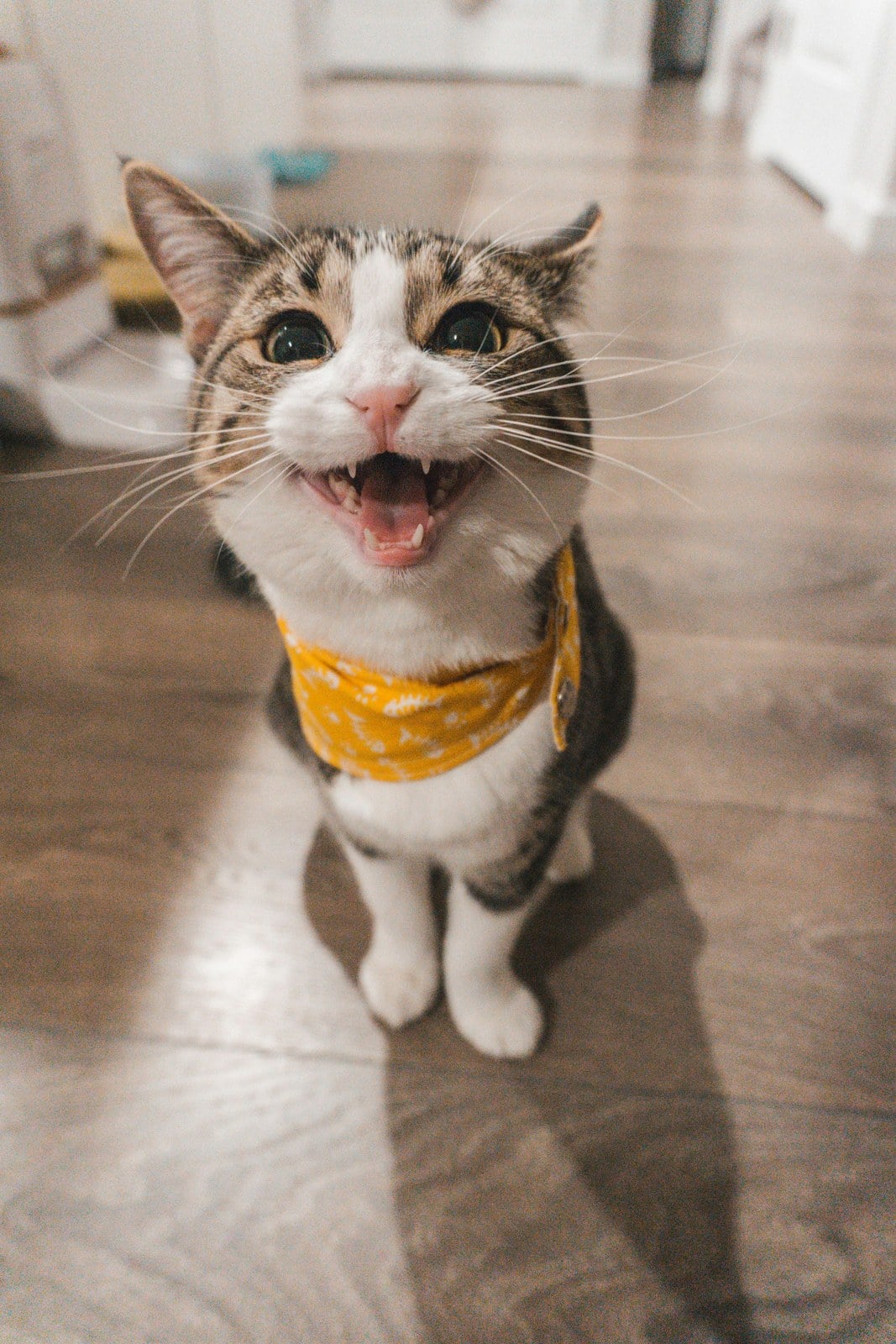
An occasional meow isn’t necessarily cause for concern, but repeated or prolonged yowling during your absence may signal distress. A 2020 study on separation-related problems in cats found that about 63% of the 30 cats identified as having these problems showed excessive vocalization.
New or sudden changes in vocalization behavior could point to an underlying medical condition or other sources of stress, not just a simple case of loneliness. Your veterinarian can help investigate potential health issues and determine the need for additional behavioral support. Remember, no matter how much or how loud your cat calls, never punish her.
4. They Have Trouble Settling Once You Leave
In my house, separation for my cats begins the second someone leaves a room. When my fiancé shuts a door behind him, Reuben or Lily immediately goes on guard. They roll on the floor, trying to see under the door until he miraculously emerges and all is well in their world again.
Cat owners with home cameras might witness similar behavior. Some cats repeatedly pace between rooms, check the front door, or seem unable to settle into their normal activities. From the outside looking in, they could resemble someone waiting for a very important visitor.
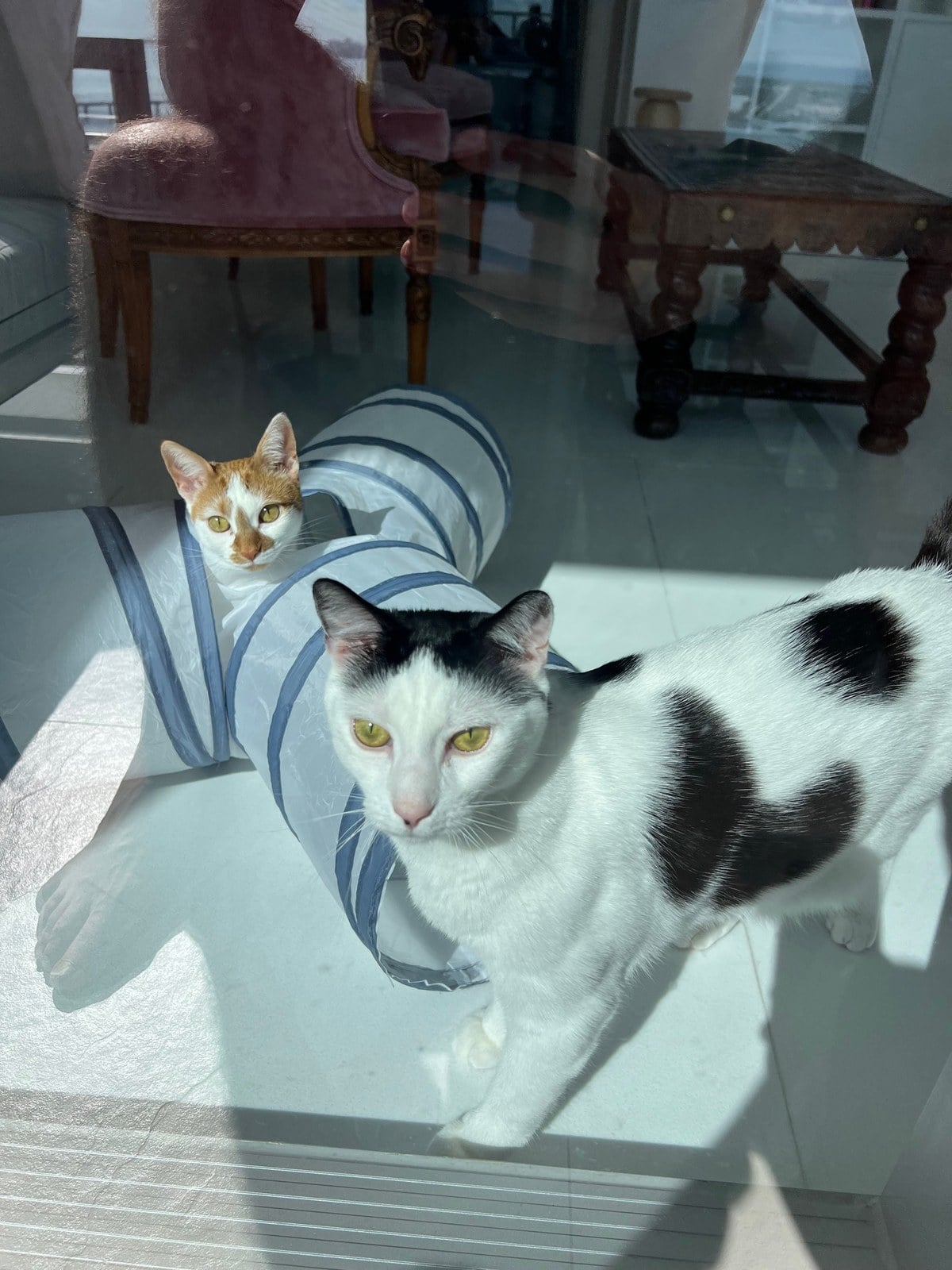
Cats can become unsettled when their familiar routines change, including displaying restless behavior when you step out of the house. While this could indicate separation anxiety, other environmental factors could be to blame, including construction or another animal outside the window.
If you have a pet camera installed, you can see whether your cat becomes restless immediately after you leave or responds to something else, like outside noise. This way, you can spot patterns instead of drawing conclusions from a single incident. If restlessness persists or represents a significant behavioral change, don’t wait to consult your veterinarian.
5. Their Eating Changes When You Are Gone
Imagine leaving your precious little fur baby with a trusted sitter only to learn that she’s not touching her food. Sometimes, cats eat less when their routines change, while others seem completely uninterested in food when their owners are away. You may have a cat who normally races to the food bowl at dinner time but is nowhere to be found when you’re on vacation.
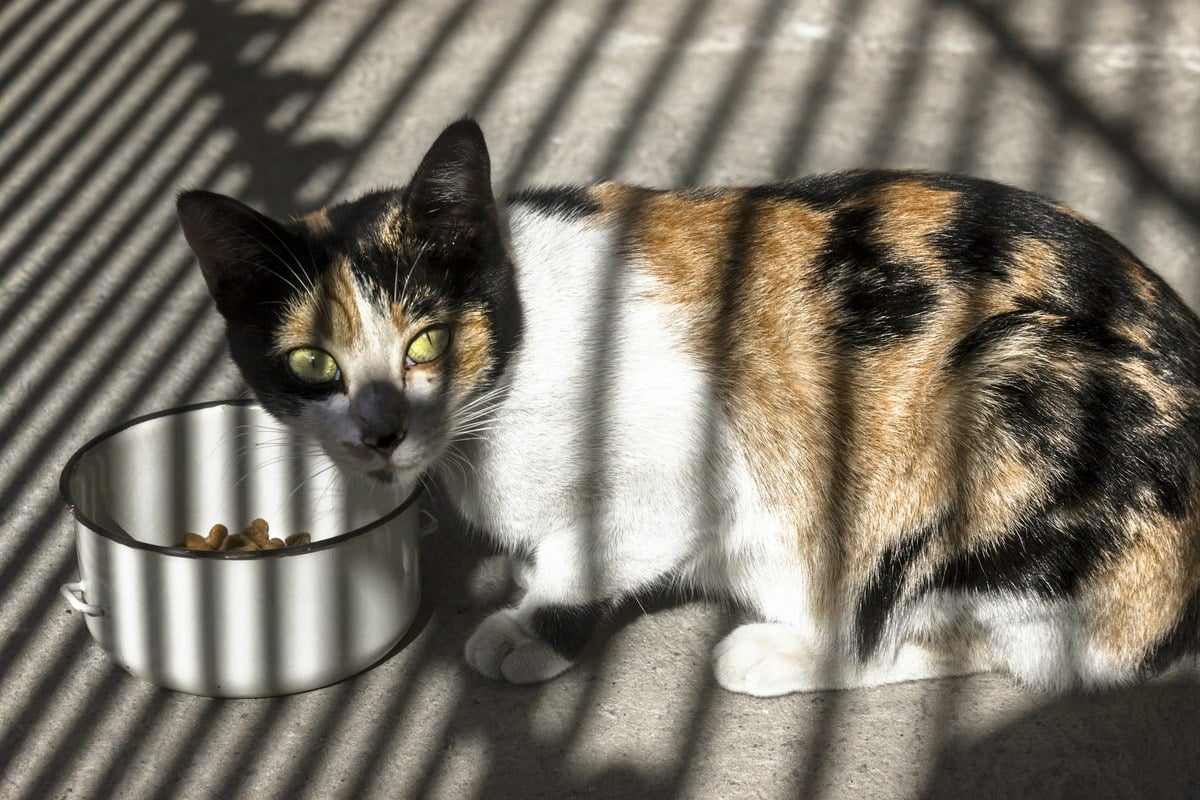
An owner’s absence can be stressful for some cats, potentially triggering behavioral changes, including reduced appetite. But not eating as much doesn’t always mean your cat misses you. It can also indicate illness, pain, or another medical condition.
When you entrust your cat to a sitter, ask them to monitor how much your cat eats, not just that food is available. This is especially valuable in multi-cat households where one cat may eat another’s meal. If the sitter notices your cat is not eating, they should call you and the veterinarian promptly. Don’t wait until you return to address the situation, as an adult cat can be in serious trouble going even 24 hours without food.
6. They Start Having Litter Box Accidents While You’re Away
It can be disappointing to come home from vacation and find your cat has decided the bathroom rug is a perfectly acceptable alternative to the litter box. A cat that is normally well-behaved with litter box use may start having accidents while his owner is away. When this happens, you may find urine or feces in unexpected locations.
The timing may make it seem like your cat is punishing you for leaving him home alone, but litter box accidents aren’t acts of revenge. Stress due to changes in routine or household activity could be the culprit. Litter box issues, such as a dirty litter box, unfamiliar litter, or difficulty accessing the box, can also discourage use. Underlying medical issues could also be to blame. Bladder inflammation, infections, or other urinary conditions can make urination painful, while mobility problems can make it hard to get in and out of the box.
If your cat doesn’t usually have accidents, a new one warrants a trip to the vet. No matter what, don’t punish your cat for the accident. Watch for additional symptoms, especially frequent attempts to urinate. If you see your cat straining to urinate and producing little to no urine, don’t wait to get emergency veterinary care. A urinary blockage can become life-threatening without immediate treatment.
7. They Lick or Scratch More When You’re Out
There’s nothing like coming home after a long day at work only to discover your cat has taken up interior decorating, and your favorite armchair was his canvas. While all cats have a natural instinct to scratch, certain factors can make the behavior excessive in some.
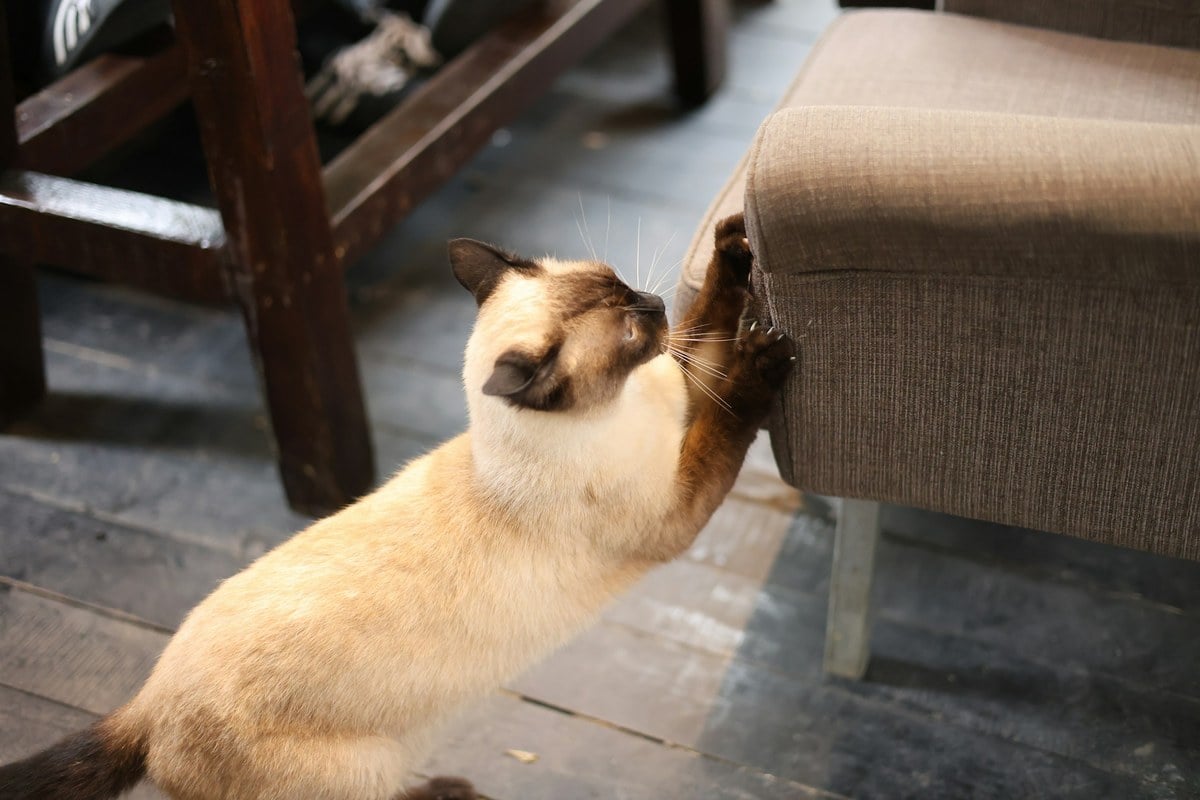
Cats are also naturally inclined to groom themselves, but excessive licking can lead to bald patches, thinning fur, or irritated skin. Stress, allergies, parasites, skin conditions, and pain can cause an increase in self-grooming. So, as tempting as it may be to think your absence is triggering the behavior, an underlying issue could be the cause.
Your cat scratches to keep his claws in check, stretch, and mark his territory. So that damaged chair you found when you got back doesn’t automatically mean he was upset you left. Significant changes in scratching habits, excessive licking, or hair loss deserve veterinary attention.
Helping Your Cat Feel Comfortable While You’re Out
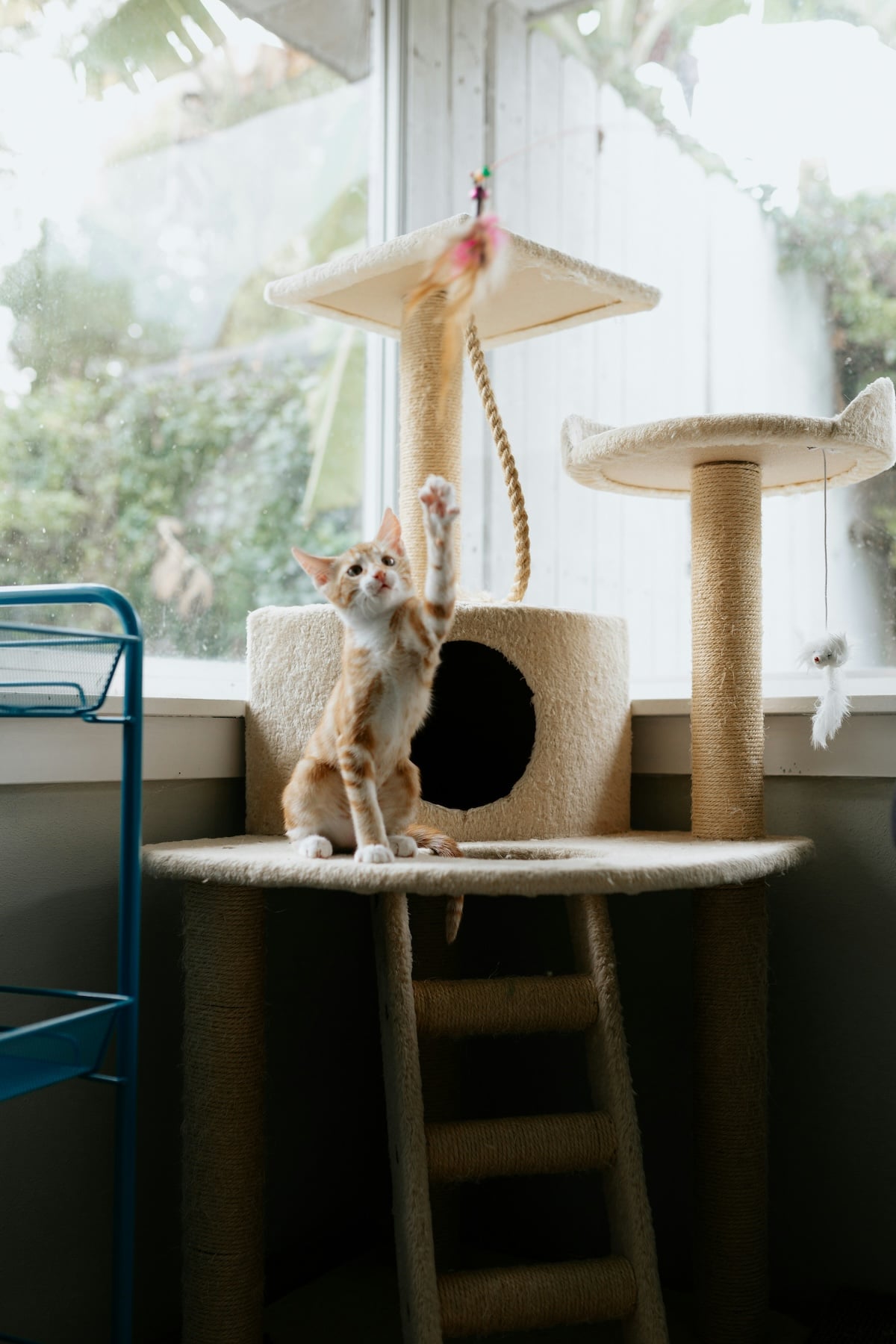
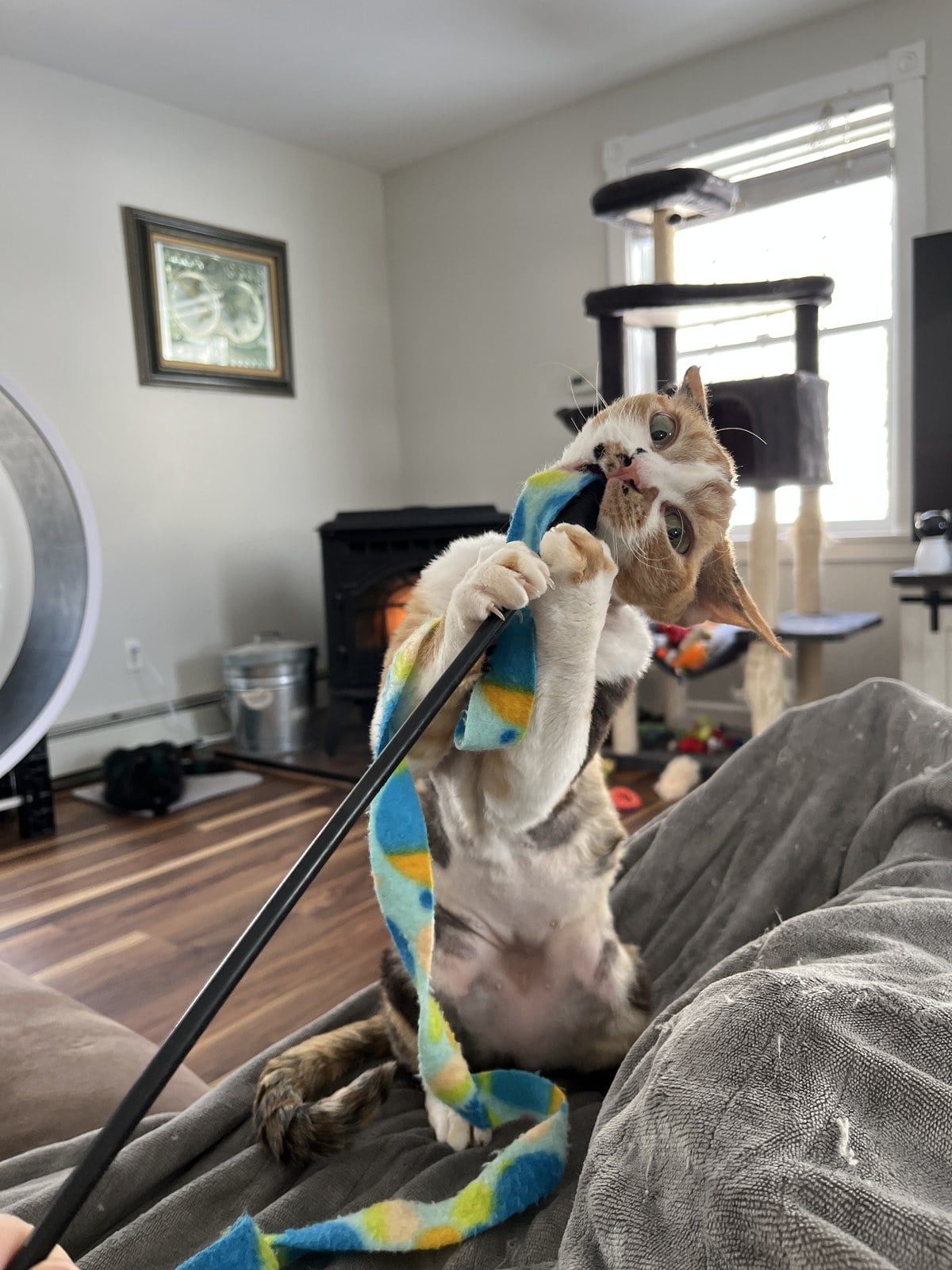
Just because you need to leave your cat at home doesn’t mean you’re making her unhappy. To ease the transition and make the time away smoother, keep a familiar routine with feeding, playtime, and other daily activities as consistent as possible. Also, make sure your cat has plenty of enrichment, including scratching posts, puzzle feeders, toys, and comfortable window perches. When you plan to be gone for an extended period, choose a trusted sitter who can maintain the routine while you’re away.
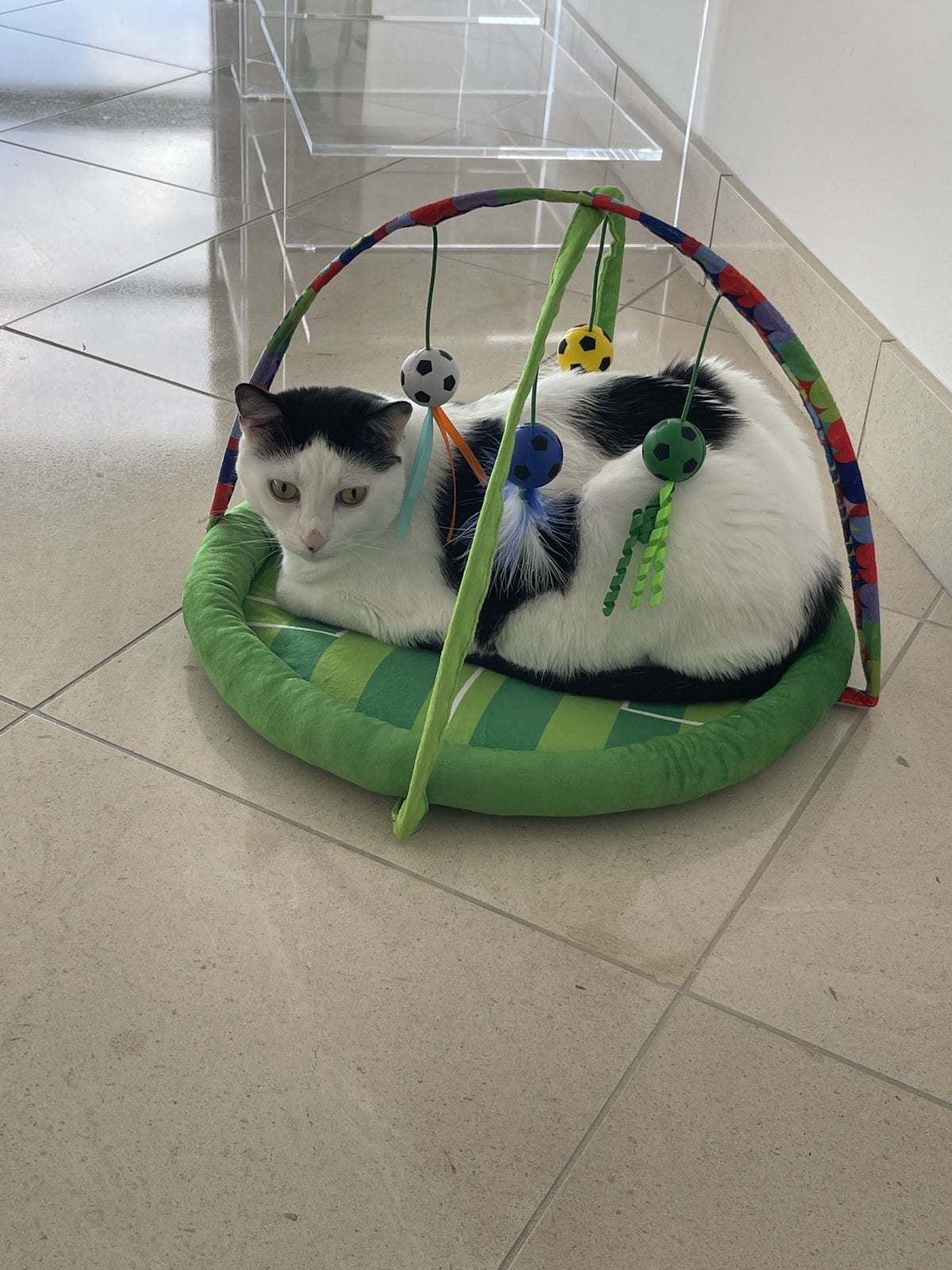
Give your cat plenty of attention when you’re home, but let her decide whether she wants cuddles, playtime, or simply to sit nearby. If your cat consistently struggles when you leave her alone, talk to your veterinarian about possible medical or behavioral causes. Never assume another cat will solve the problem because it could make things more stressful.
A Quiet Welcome Doesn’t Mean Less Love
Some cats might race to greet their owners after time apart, while others may sleep away an entire afternoon, never acknowledging anyone’s arrival. Neither reaction really tells us how much a cat loves its owner.
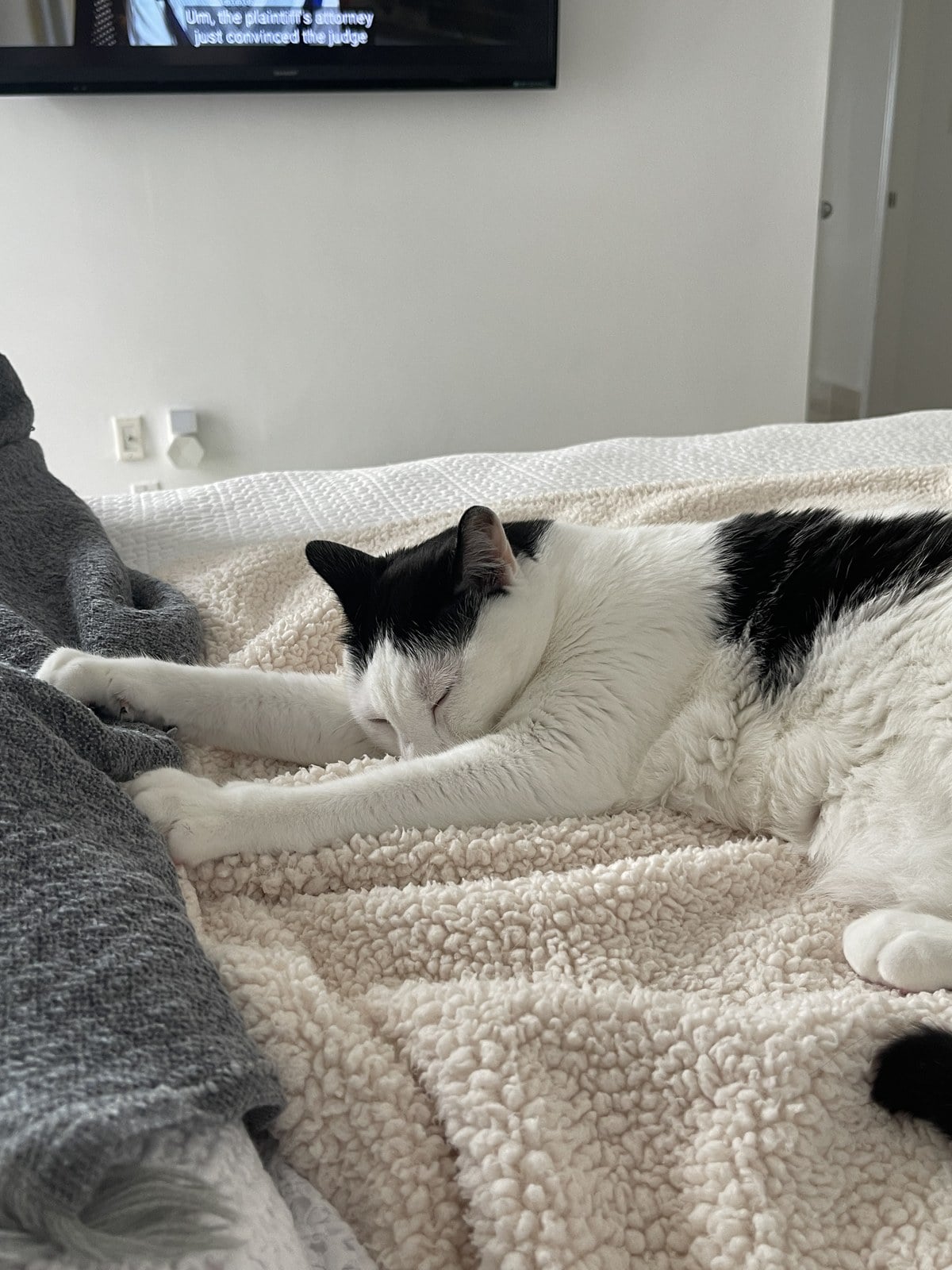
Cats have unique personalities and respond differently to time apart. If your cat doesn’t display these seven signs, it doesn’t mean he doesn’t love you. You don’t need a dramatic reunion to have a strong bond.

Writer and lifelong cat lover who shares her home with her fiancé and 14 rescue cats.