Common Cat Diseases Every Owner Should Know
 By Molly Weinfurter
 ✓Medically reviewed by Dr. Lindsey Mortlock
Cat parents get to know their cat’s daily habits pretty well. How much a cat eats, where they sleep, and how often their litter box needs changing remain fairly consistent from day to day.
Unexpected changes in your cat’s routine could be the first sign that something is wrong. Cats often hide pain and discomfort well, so it can be hard to spot a disease until it becomes severe. Therefore, visiting your vet whenever you notice your cat behaving differently is a good idea to catch diseases right away.
To help you determine which behavior changes are an emergency, it’s a good idea to familiarize yourself with common cat diseases and their symptoms. Hopefully, you’ll never have to deal with any of them, but it’s always better to be safe than sorry with your pet’s health.
Some links are affiliate, so we may earn a small commission at no cost to you. Every purr-chase keeps two very demanding cats in treats. Our policy →
Before diving deeper into common diseases, note that the following symptoms require urgent attention:
1. Dental Disease
According to VCA Animal Hospitals, over half of cats over three years old have some form of dental disease, making it one of the most common cat diseases. There are three main types of dental disease:
All three types can creep up quickly if you don’t check on your cat’s teeth regularly. Cats with bad breath, swollen gums, or changes in eating habits may be experiencing pain from dental disease.

Virbac C.E.T. Oral Hygiene Kit for Cats
A vet-standard starter kit: enzymatic toothpaste made for cats and a brush sized for their mouth. Never use human toothpaste on a cat.
Regularly brushing your cat’s teeth can reduce the risk of dental disease, but it’s still good to examine their teeth occasionally. Depending on the condition of their teeth, your vet may recommend a professional cleaning to prevent plaque buildup from worsening.
2. Chronic Kidney Disease
A cat’s two kidneys help filter waste from the body while regulating the balance of fluids, minerals, and electrolytes. Kidney disease harms the kidney’s ability to function, leading to a buildup of toxins.
Cats suffering from kidney disease may experience changes in appetite, thirst, urination, and weight. If a veterinarian identifies chronic kidney disease in cats, it can be managed with medication, a special diet, and/or hydration. Like with all common diseases, it’s best if addressed early on.
3. Hyperthyroidism
Hyperthyroidism is the result of an overactive thyroid gland that produces more hormones than needed. It’s most common in cats middle-aged or older.
Cats with hyperthyroidism may experience weight loss, increased appetite, and increased thirst as their body tries to adjust to the increased hormone levels. Other symptoms include vomiting, diarrhea, hyperactivity, and unhealthy coats.
Veterinarians can diagnose hyperthyroidism by inspecting your cat’s neck for an enlarged thyroid gland and running blood work to check thyroid hormone levels. If they determine that this is what your cat has, treatment options can include medication, radioactive iodine therapy, surgery, or dietary therapy, depending on the severity and your cat’s individual needs.
4. Diabetes Mellitus
Diabetes mellitus, which is a disease of the pancreas, affects how your cat’s body produces and reacts to insulin. As a result, your cat may have high sugar in their blood, leading to symptoms like increased urination, increased thirst, weight loss, and increased appetite.
Diabetes in cats is more common for males than females, and it’s seen more frequently in senior cats. Vets may prescribe medications and/or injections for it, but it requires some at-home adjustments as well. Pet care professionals can provide guidance on a well-balanced diet for cats with diabetes, catering it to your cat’s sensitivities and diabetes type.
5. Feline Lower Urinary Tract Disease (FLUTD)
FLUTD describes a range of conditions that affect your cat’s bladder and urethra. Cats with difficulties urinating, increased urination, blood in urine, and urination outside the litter box could be dealing with a urinary tract disease.
Inflammation, blockages, infections, and diet could lead to FLUTD. Depending on the cause and severity, treatment can vary greatly. Minor cases could require medication or a diet change while serious blockages could require surgery. Straining with little to no urine is a sign of a blockage and should be addressed by a veterinarian right away.

PETLIBRO Stainless Steel Cat Water Fountain
A stainless steel fountain that keeps water moving and filtered. Cats tend to drink more when the water moves, which helps with hydration.
Vets can identify the disease through urine samples, blood work, and x-rays as needed. Keeping your cat hydrated and regularly cleaning the litter box can reduce the risk of common urinary diseases.
6. Upper Respiratory Infections
When people refer to the “cat flu,” they’re likely talking about an upper respiratory infection. These infections are highly contagious and spread through viruses and bacteria that are passed through sneezes, saliva, and shared food.
Cats suffering from upper respiratory infections may experience nasal congestion, excessive sneezing, eyelid inflammation, and nose or eye discharge. The discomfort may also cause cats to not eat, become lethargic, or develop a fever.
These infections can usually be treated at home with prescribed medication, but the exact treatment will depend on the infection and your vet’s recommendations.
7. Flea Allergy Dermatitis
Fleas are already a nightmare to deal with. Yet, the discomfort can be even worse for your cat if they develop flea allergy dermatitis. This condition is when a cat has an allergic reaction to flea saliva, resulting in intense itching, skin irritation, and/or hair loss.
The best way to stop the skin irritation is to get rid of the fleas completely. The most important step is getting your cat on a flea preventative, if they aren’t already on one. Then treat the entire house, not just their bedding, since fleas and their eggs spread well beyond where your cat sleeps. Bathing and flea combing aren’t wrong, but they’re often unnecessary, and many cats won’t put up with a bath anyway.
8. Intestinal Parasitic Infections
Internal parasites like roundworm, hookworm, whipworm, and tapeworm are parasites that can live in your cat’s intestines and steal nutrients from the body. They can cause a variety of symptoms like vomiting, diarrhea, dull coat, coughing, bloody stool, loss of appetite, and bloated belly.
Cats get these parasites from environmental exposure, like from fleas, rodents, contaminated soil, and contaminated litter boxes. Cats with strong immune systems might not show symptoms when the worm count is low, but the parasites steal nutrients over time, so it’s a good idea to visit a vet as soon as minor symptoms appear.
Vets can diagnose parasitic infections through fecal testing. Most can be treated through prescribed medications. To prevent parasitic infections, keep up with sanitation, such as regularly cleaning litter boxes and food bowls.
9. Ringworm
Ringworm is a highly contagious fungal infection that occurs in cats, dogs, and humans. The name comes from the raised red ring it can leave on human skin (in cats, it usually shows up as round patches of hair loss), but it isn’t actually a worm like the intestinal parasites.
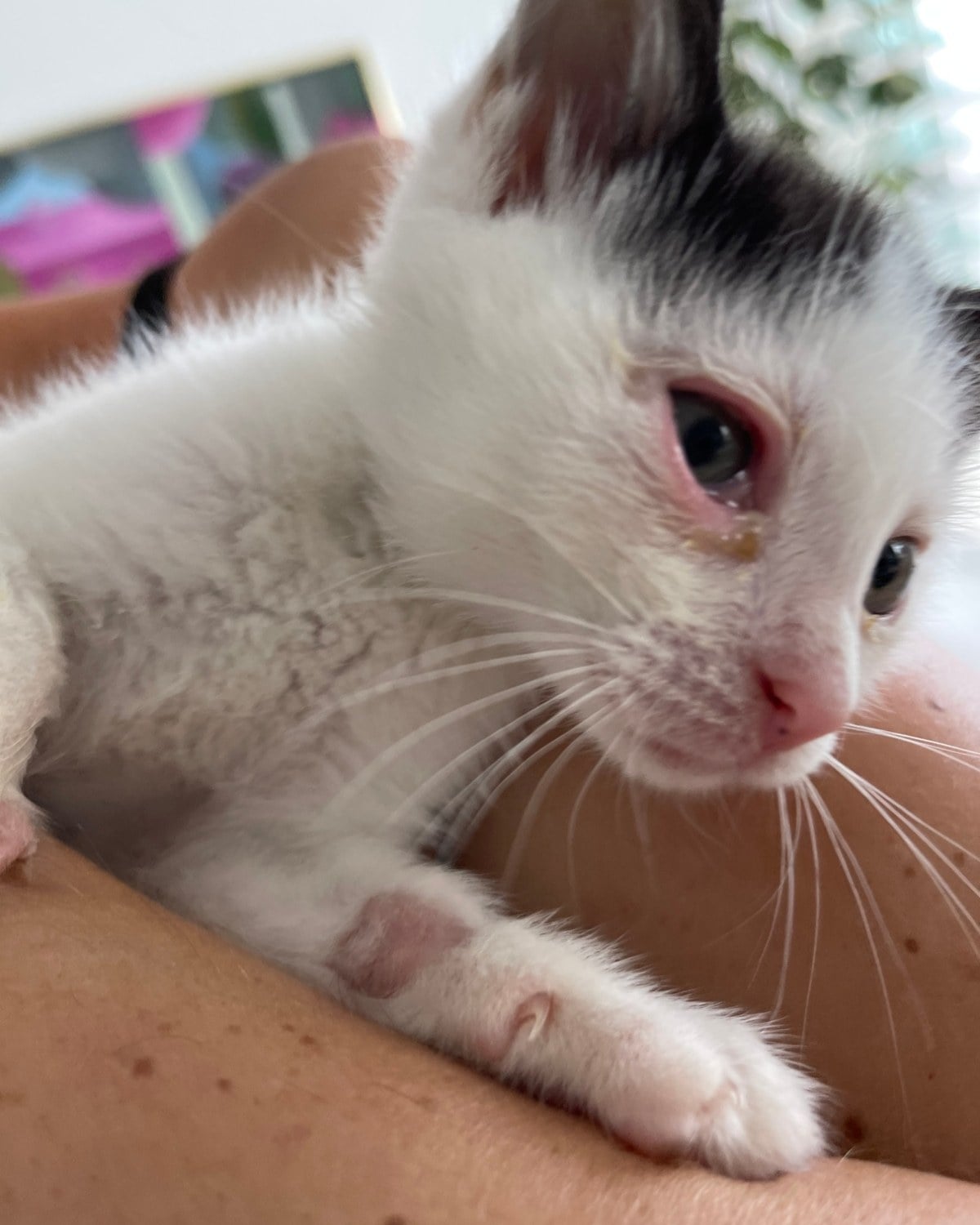
Cats can get ringworm from direct contact with infected animals and humans or from touching contaminated surfaces. It goes the other way, too: people can catch ringworm from an infected cat, so wash your hands after handling them until treatment is finished. Vets may prescribe topical or oral treatments, and it’s important to keep giving the treatment until your vet tells you to stop.
Thoroughly clean everything your cat came into contact with, and wear gloves as a safety measure when handling your cat during treatment.
10. Feline Leukemia Virus (FeLV)
FeLV is a common cat infection that leads to more cat deaths than any other organism, which is why it’s important to keep your cat up to date with vaccines. This virus is especially dangerous to kittens.
This virus can spread through the saliva, blood, nasal discharge, feces, urine, and milk of infected cats. Any contact, especially bite wounds and nursing, can transmit FeLV. There are no symptoms in the early stages, but it gradually weakens the immune system over time, which can lead to weight loss, lethargy, and fever.
Since this virus is hard to spot, it’s always a good idea to visit your vet as soon as something seems off with your cat, no matter how small. Your vet can prescribe medications or injections to manage the virus, but it depends on the type of FeLV and severity. Since many cats don’t survive FeLV, vaccinations are crucial for preventing it.
11. Feline Immunodeficiency Virus (FIV)
FIV is an immune system virus that’s transmitted through bite wounds from another cat. This virus acts much slower than FeLV, sometimes taking months or even years to show symptoms.
As the virus slowly spreads throughout the cat’s body, infections and immune system problems can occur, leading to inflammation, weight loss, behavior changes, fever, appetite changes, and seizures.
Blood tests can determine if antibodies are being produced to fight against the virus. While there isn’t one definitive cure for FIV, management can help cats live normal lives. Separation from other cats, a well-balanced diet, and frequent vet checkups can help reduce the risk of secondary infections.
Since there isn’t a vaccine to prevent FIV, cat parents should keep cats indoors and away from cats that might bite them to reduce the risk.
12. Hypertrophic Cardiomyopathy (HCM)
HCM is the most common heart disease cats face. It causes the heart’s muscular walls to thicken, affecting the heart’s ability to function. Some cats with HCM may not appear ill, but others may experience difficulties breathing, rapid breathing, open-mouthed breathing, and lethargy.
The cause of HCM isn’t certain, but it appears to be genetic. Certain breeds are more susceptible, including Maine Coon, Ragdoll, Persian, and American Shorthair. A vet can use an echocardiogram to diagnose HCM.
If your cat is suddenly having trouble breathing or unexpected weakness in their back legs, take them to a vet right away since HCM could be to blame. While there isn’t a cure, symptoms can be managed through medication as instructed by a veterinarian.
See which of the 12 diseases above list it as a symptom, then jump back to that section. This isn’t a diagnosis. Your vet is the one to call about any change.
Keep an Eye on Your Cat’s Health
These common cat diseases may sound frightening, but being aware of them can help you more easily spot when something is wrong. Any time your cat displays unusual behaviors, make note of them and mention them to your vet.
Even if it ends up being nothing, it’s always best to double check for underlying health conditions just in case. So, don’t feel silly for visiting your vet for small concerns. It could save your cat’s life.
A freelance pet writer with a BFA in Creative Writing. She’s been writing about animals since 2018 and volunteers with animal-rescue organizations.
An emergency veterinarian with a special interest in feline medicine — and a self-proclaimed cat lady with six cats of her own.