Vets Confess: These Mistakes That Can Shorten Your Cat’s Life
 By Molly Weinfurter
 ✓Medically reviewed by Dr. Lindsey Mortlock
Sometimes, well-intentioned habits can turn into an unhealthy routine for pet parents. Filling the food bowl too much, ignoring bad breath, and giving less preventative care to indoor cats all seem normal, but a lot of little actions like that could affect your cat more than you realize.
All cat owners make mistakes now and then, especially since every cat is unique. You just have to keep learning and adjusting as needed to give your feline companion the best life possible. The following common mistakes with vet-backed tips can help cat parents catch risks early and change their cat’s care as needed.
1. Waiting Until Your Cat Looks Ill to Book a Checkup
For most cat parents, getting a cat to the vet isn’t a pleasant experience. Cats often put up a fight to get into the carrier, meow the entire car ride, and refuse to sit still for vaccinations. As a result, many cat parents assume it’s easier to wait until a problem arises to visit the vet, which isn’t ideal.
Unfortunately, it isn’t always obvious when something is wrong with a cat. Many cats hide their pain well, so symptoms might not be noticeable until it’s already too late. The American Animal Hospital Association (AAHA) recommends at least one vet checkup per year or one every six months for seniors (over 10 years).
Routine examinations can identify health problems that could easily be missed at home. While you’re there, you can talk to your vet about any concerns you have and get advice on what to look for in a healthy cat. Follow your vet’s recommendations for health screenings because regular screenings develop a baseline and make it easier to notice when something changes.
Even though vet visits can be tedious, it’s always better to be safe than sorry with your cat’s health. So, don’t forget to schedule annual checkups (or more frequent checkups if your vet recommends it).
2. Letting a Little Extra Weight Become the New Normal
Chunky cats are often seen as cute and silly on social media. Yet, the Cornell Feline Health Center lists obesity as “the most common nutrition-related problem in cats,” so it shouldn’t be viewed as the norm. Unmeasured meals and frequent treats can add up over time, so it’s easy to miss weight gain at first.
Overweight cats are more susceptible to other health problems, including arthritis and diabetes. Therefore, keeping your cat a healthy weight can help them live a longer life. Your vet can help you determine if your cat’s weight is ideal for their size and age.
Rather than rapidly decreasing your cat’s food intake, it’s best to come up with a gradual, supervised plan to ease your cat into the change. Stay away from free feeding and stick to small scheduled meals instead. Get recommendations from your vet if you’re unsure how to safely approach a diet change.
3. Feeding a Diet That Does Not Meet Your Cat’s Needs
Gaining weight isn’t the only complication that can occur from your cat’s diet. With so many options for cat food, many cat parents just choose the one that looks the best, but that might not always be what’s best for your feline’s individual needs.
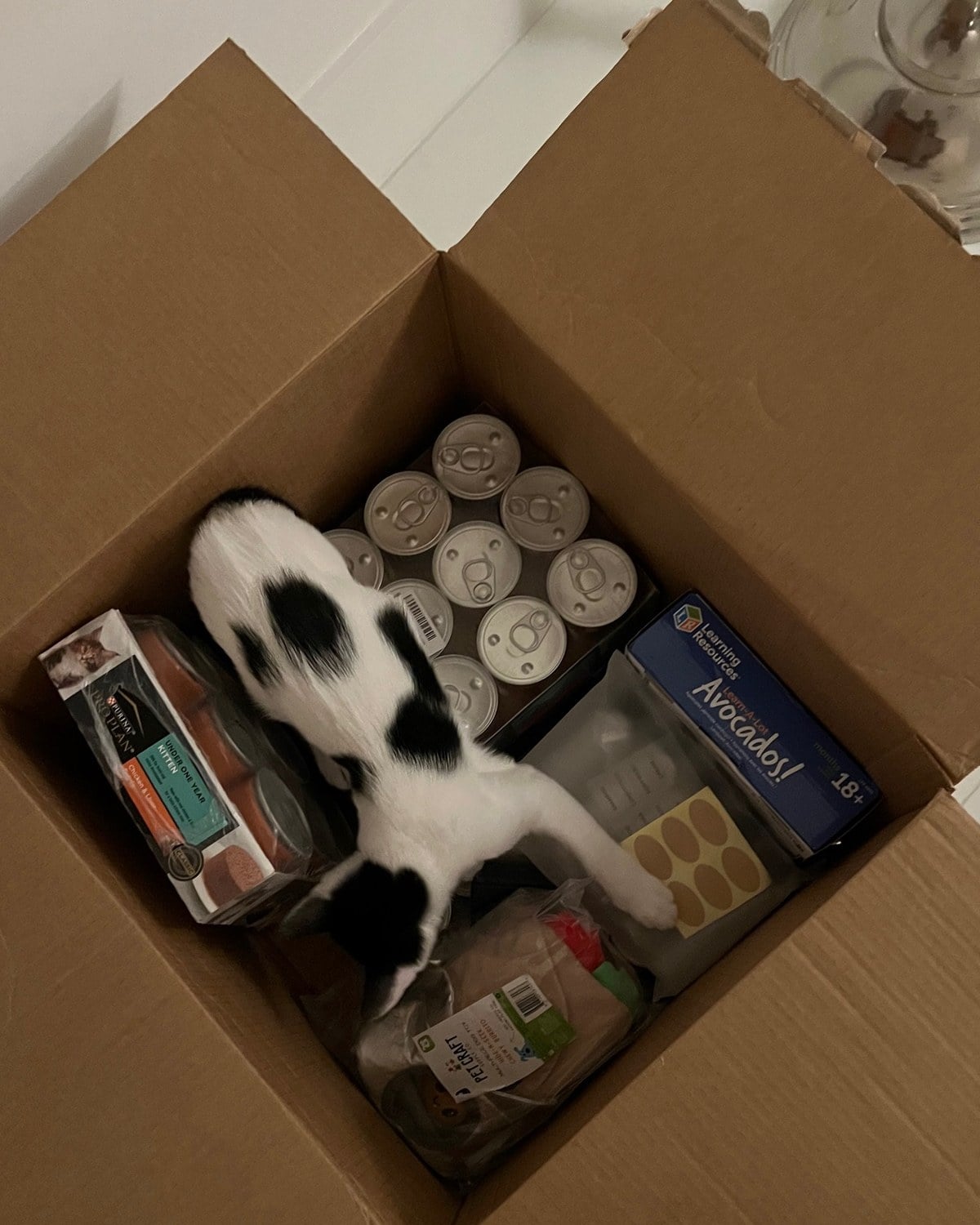
Cornell recommends commercially prepared cat foods because they’re made with the ideal balance of nutrients and calories for cats. Look for a statement from the Association of American Feed Control Officials (AAFCO) to signify a complete and balanced diet.
Nutritional requirements can change based on your cat’s life stage, especially between kittens and adults. Either choose a recipe that’s for all life stages or find one that’s suitable for your cat’s specific life stage. Once you find a complete, balanced diet that fits your cat’s needs, that’s when you can look for specific proteins and flavors that your cat prefers.
Making a homemade diet isn’t recommended. Unless you have a vet’s assistance, it’s easy to miss essential nutrients when making homemade meals for cats. Commercially prepared food is safer and more convenient in most cases, unless your veterinarian suggests otherwise.
4. Treating Bad Breath as Just a Cat Thing
Cats aren’t born with bad breath. Like humans, they can develop it over time with poor dental care. It might seem silly and difficult to brush a cat’s teeth, but AAHA emphasizes the importance of lifelong proactive dental care for cats. Starting dental care as a kitten can help your cat live a long, healthy life.
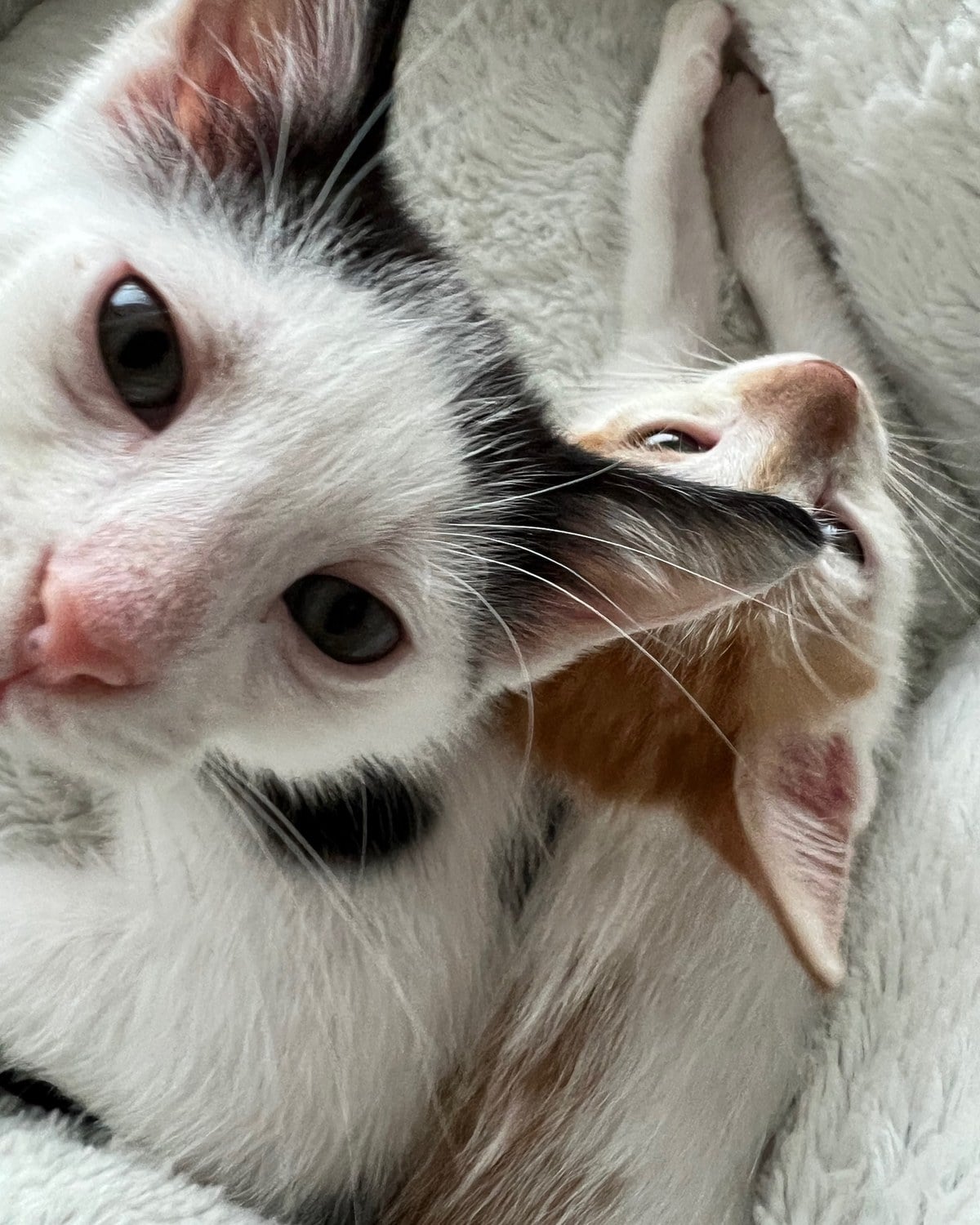
Bad breath can be related to many different health concerns, but Cornell documents periodontal disease as the most common problem related to bad breath. This dental disease can be painful, leading to tooth loss and infection that could spread to other organs. If your cat has smelly breath or signs of mouth pain, such as avoiding hard food, it’s a good idea to have a vet examine them.
Dental issues can be prevented with regular teeth brushing. While brushing every day is ideal, many cats will run and hide from the toothbrush if they weren’t accustomed to it at an early age. If you’re unable to brush their teeth every day, alternatives like dental treats, tooth gel, water additives, and dental diets can help on the days you don’t brush. The Veterinary Oral Health Council keeps a list of accepted products that have been tested to reduce plaque or tartar, which is a good place to start. If you need help keeping up with dental care, find out which approaches your vet recommends.
5. Assuming Indoor Cats Can Skip Preventive Care
Your home is a safe place for your cat, but it’s still possible for outdoor pests and germs to reach your furry friend. Outdoor access can be indirect, such as when you bring debris inside on your shoes, clothes, and hands. Cats can also be at risk if they’re in a carrier outside or if they accidentally escape.
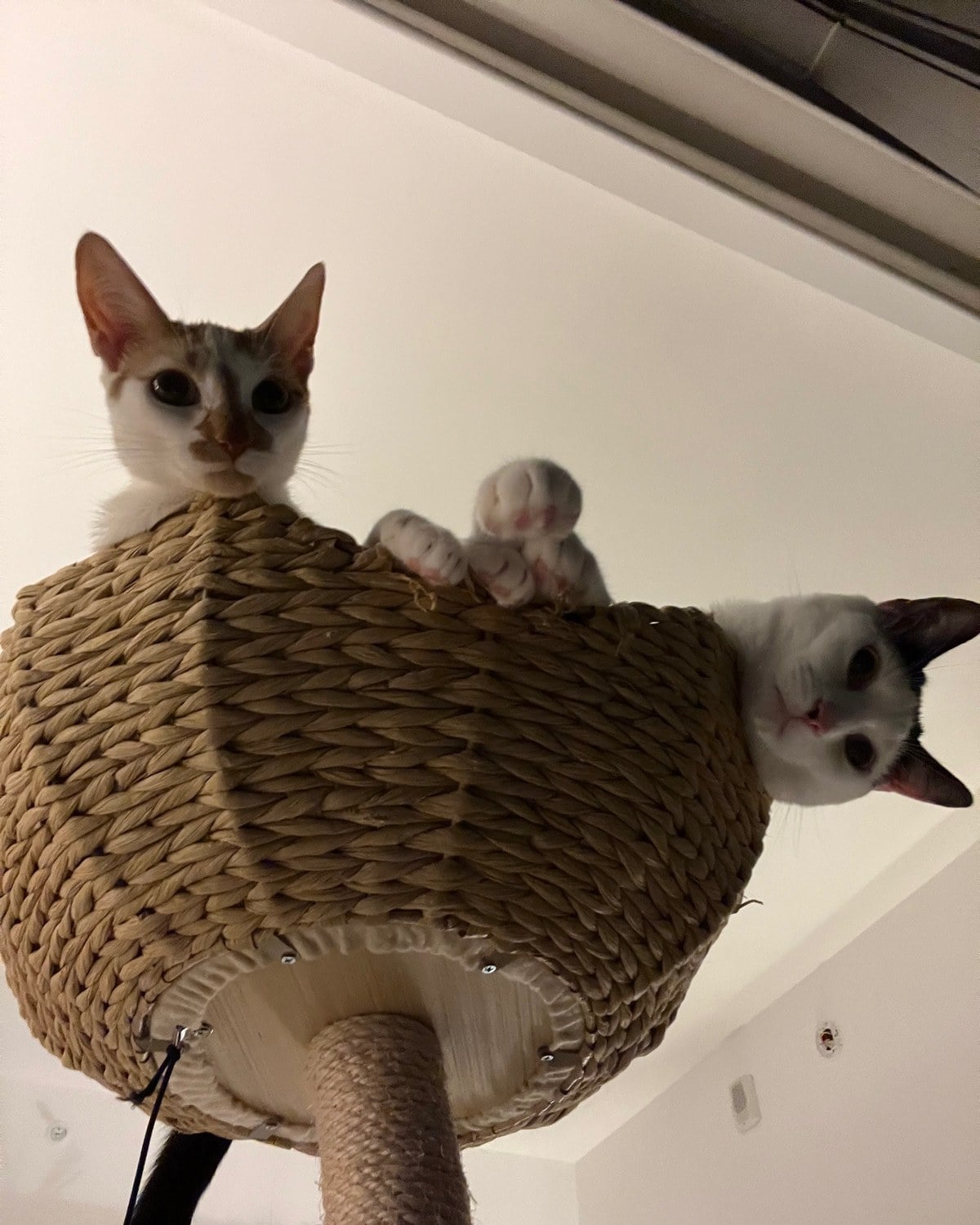
The FDA notes that fleas can live inside a warm house year-round, no matter where you live. Flea season peaks when the weather is the warmest, and even if your cat is always inside, fleas could sneak into your home. Flea and tick preventatives, such as topical or oral products, can keep pests off your cat. Discuss the ideal product for your cat and location with your vet.
Vaccines follow the same rule: both indoor and outdoor cats need them. VCA Animal Hospitals specifies that indoor cats still need their FVRCP and rabies vaccines, plus the FeLV series as kittens, to protect them from infections that could enter the home. These conditions can be dangerous or even deadly if your cat gets them, so it’s better to err on the side of caution by vaccinating your cat.
6. Letting Outdoor Roaming Become the Default
Cats are curious creatures that love to explore. However, giving pet cats constant access to the outdoors isn’t recommended. Being unsupervised outside exposes cats to lots of risks, such as predators, cars, pests, and toxins.
These risks don’t mean that your cat can never see life outside the house. The Feline Veterinary Medical Association (Feline VMA) recommends controlled access to the outdoors as the best of both worlds. Rather than letting a cat roam freely outside, walk them on a harness and leash or provide a screened-in “catio.” Avoid all outdoor access at night since that’s when predators are most active.
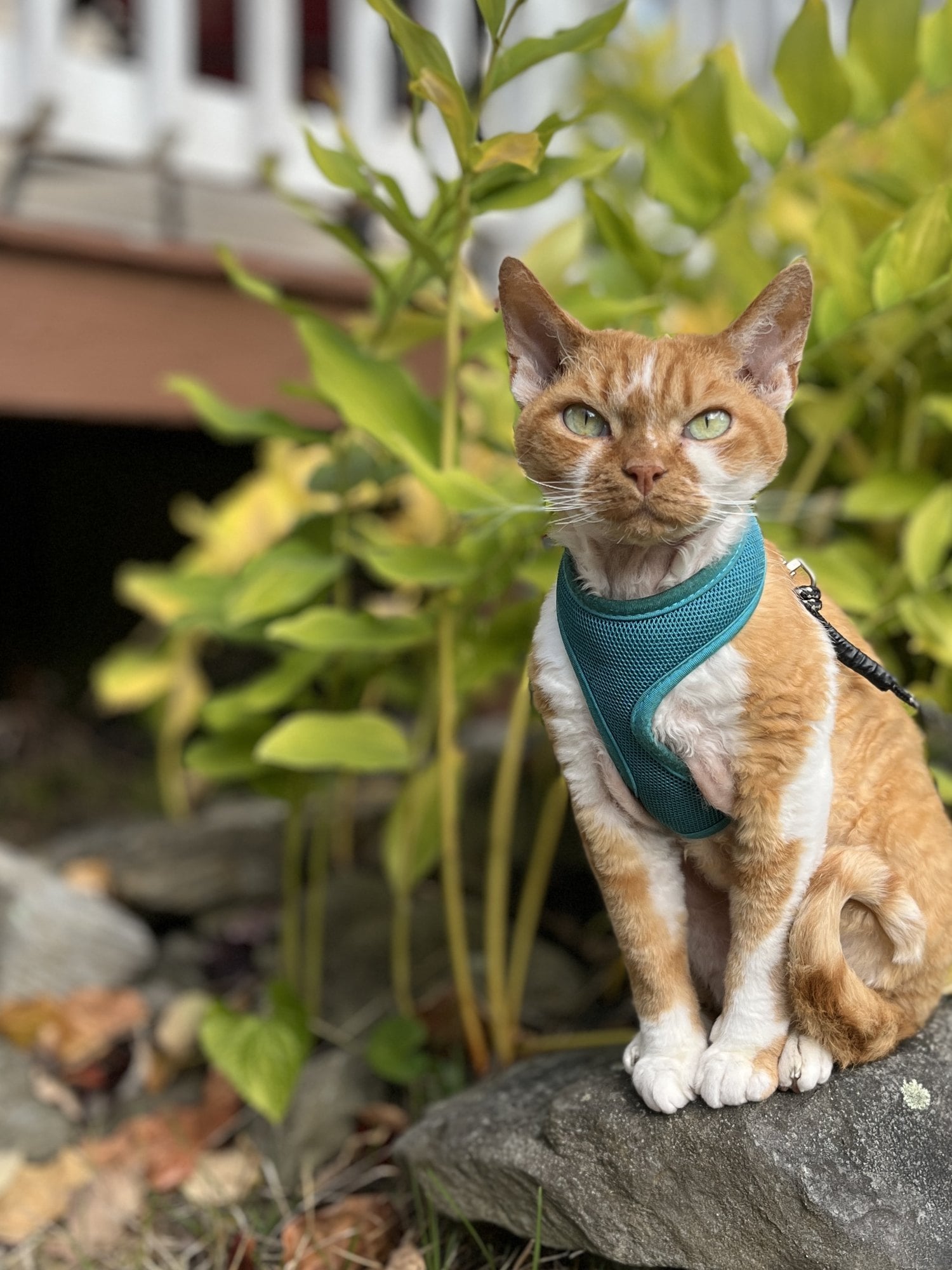
If you don’t have a way to provide controlled outdoor access, it’s okay to always keep cats indoors if all their needs are met. Make sure they have access to all their resources inside, including food, water, and resting places.
7. Overlooking Toxic Plants and Other Household Hazards
Sometimes, the most dangerous items for your cat are the ones you least expect. Since cats love to explore, they may touch, bite, and eat items they aren’t supposed to. Because of this, certain plants, foods, medications, and cleaning supplies could all pose a risk to their health.
Anything you don’t want your cat to interact with should be safely locked away. Yet, decorations can’t be hidden away as easily, which is why it’s important to select cat-safe plants for your home. The FDA notes that some of the most dangerous plants for cats are lilies in the “true lily” and “daylily” families. Eating only small parts of the stem, leaves, pollen, or flower could lead to kidney failure.
Always double check that a plant is cat-safe before putting it in your home. If you suspect that your cat has ingested something toxic, seek veterinary care immediately.
8. Using a Human Medicine or a Dog Product on a Cat
There are many medications that humans, dogs, and cats can take. However, you shouldn’t give your cat human or dog products unless directed by a veterinarian.
The University of Minnesota explains that humans, dogs, and cats all process medications differently. Liver enzyme pathways are limited in cats compared to dogs and humans, making it harder for them to break down drugs.
If you give your cat medications or preventatives, they must be specifically formulated or dosed for cats to avoid any complications. A smaller dose of a human or dog medication won’t automatically be safe for cats. Stick to only veterinarian-directed medications or seek veterinarian advice if you’re uncertain about a medication dosage.
9. Writing Off Gradual Changes as Old Age
We all change with age, including our pets. However, changes shouldn’t automatically be linked to aging. Any health or behavior changes should be noted during vet visits to double check that they aren’t linked to something more serious.

Cornell acknowledges that older cats are often less active, but that doesn’t mean that every gradual change is because of age. Weight changes, reduced jumping, increased thirst, appetite changes, or less grooming are all behavior changes that should be discussed with your vet because they could be early symptoms of a health condition.
This is why more frequent vet visits are recommended for seniors. Every six months is a great way to verify your cat’s health and discuss any concerns with your vet.
10. Waiting Out Symptoms That Need Urgent Help
Since many cats are good at hiding discomfort, small symptoms may be more serious than they seem. Veterinary Emergency Group (VEG) recommends taking a cat to the emergency vet if they’re struggling with breathing problems, difficulties urinating, long-lasting abdominal discomfort, collapsing, seizures, or new injuries.
Even if something seems small, such as vomiting, diarrhea, or appetite loss, it’s still worth scheduling a visit with your regular vet just to check things out. If there’s an underlying issue, waiting and seeing if things will get better might do more harm than good.
Start Making Small Adjustments Today
All these recommendations may seem overwhelming, but you don’t have to make changes overnight. Start by choosing one practical improvement, such as measuring food, booking an overdue vet visit, or removing a dangerous plant. While good care cannot guarantee a long lifespan, it can reduce risks and help give your furry friend the best life possible.
A freelance pet writer with a BFA in Creative Writing. She’s been writing about animals since 2018 and volunteers with animal-rescue organizations.
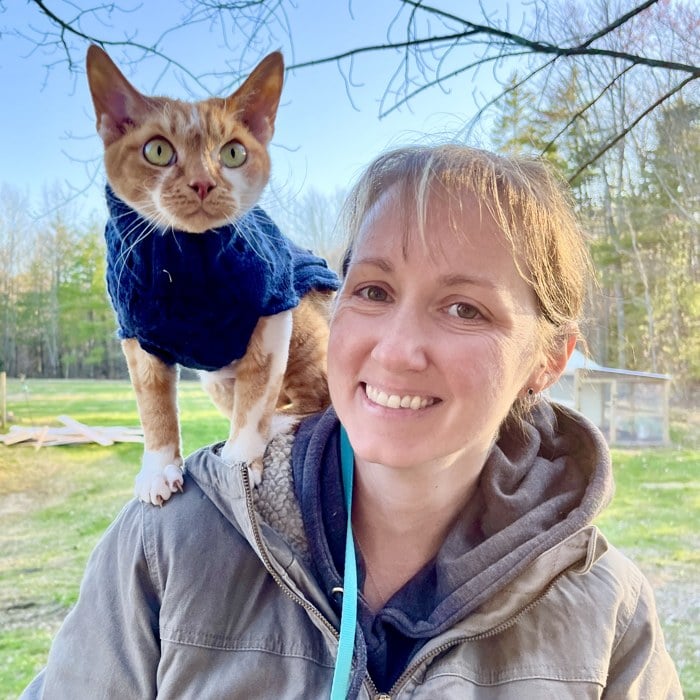
An emergency veterinarian with a special interest in feline medicine — and a self-proclaimed cat lady with six cats of her own.