7 Lesser-Known Superstitions About Cats From Around the World
If you live around cats, you know it’s pretty common to see one grooming its face at any given time. Most people wouldn’t give it a second thought, but depending on where you lived, that simple gesture might mean something was about to happen.
Cats have inspired superstitions around the world for centuries. Different cultures attach different meanings to everyday feline behavior, including something as mundane as your cat washing his ear. Some beliefs go beyond everyday behavior altogether.
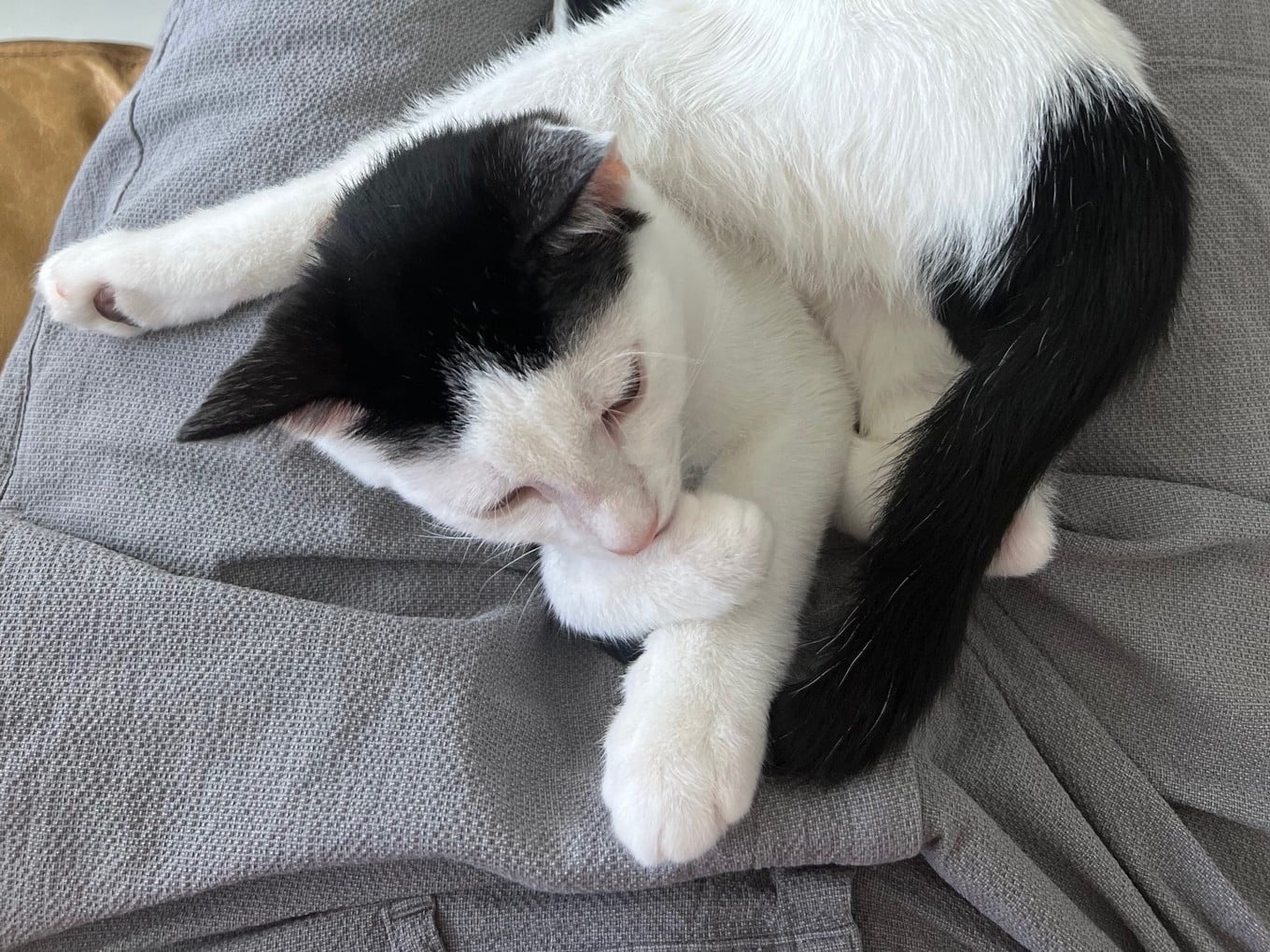
From a cat’s sneeze bringing good news to new socks protecting you from a frightening Christmas legend, these superstitions about cats will give you a whole new outlook on your furry friend.
1. A Cat Washing Over Its Ear Means Rain
What the cat does: A cat raises a paw to wash behind or over its ear.
What it means: Rain is coming, or in one Monaghan family’s words, an “awful tempest.”
Schoolchildren wrote it down for the Schools’ Collection in the 1930s.
Curious about the day’s weather? Your cat might just be able to tell you what to expect. According to one Irish superstition, if a cat raises its paw to clean behind or over its ear, rain is coming. And if your house is anything like mine, bad weather could be on the horizon every single day.
In the 1930s, Irish schoolchildren helped gather local folklore from around their communities. This project became known as the Schools’ Collection. One of the children, Brigid Greene of Cornagilta, County Monaghan, took down weather predictions from James McCague and Mrs. McCague.
These predictions included everything from a ring around the moon heralding a storm to soot falling at night indicating rain. According to the family, a cat putting its paw over its ear while washing its face meant an “awful tempest” was coming.
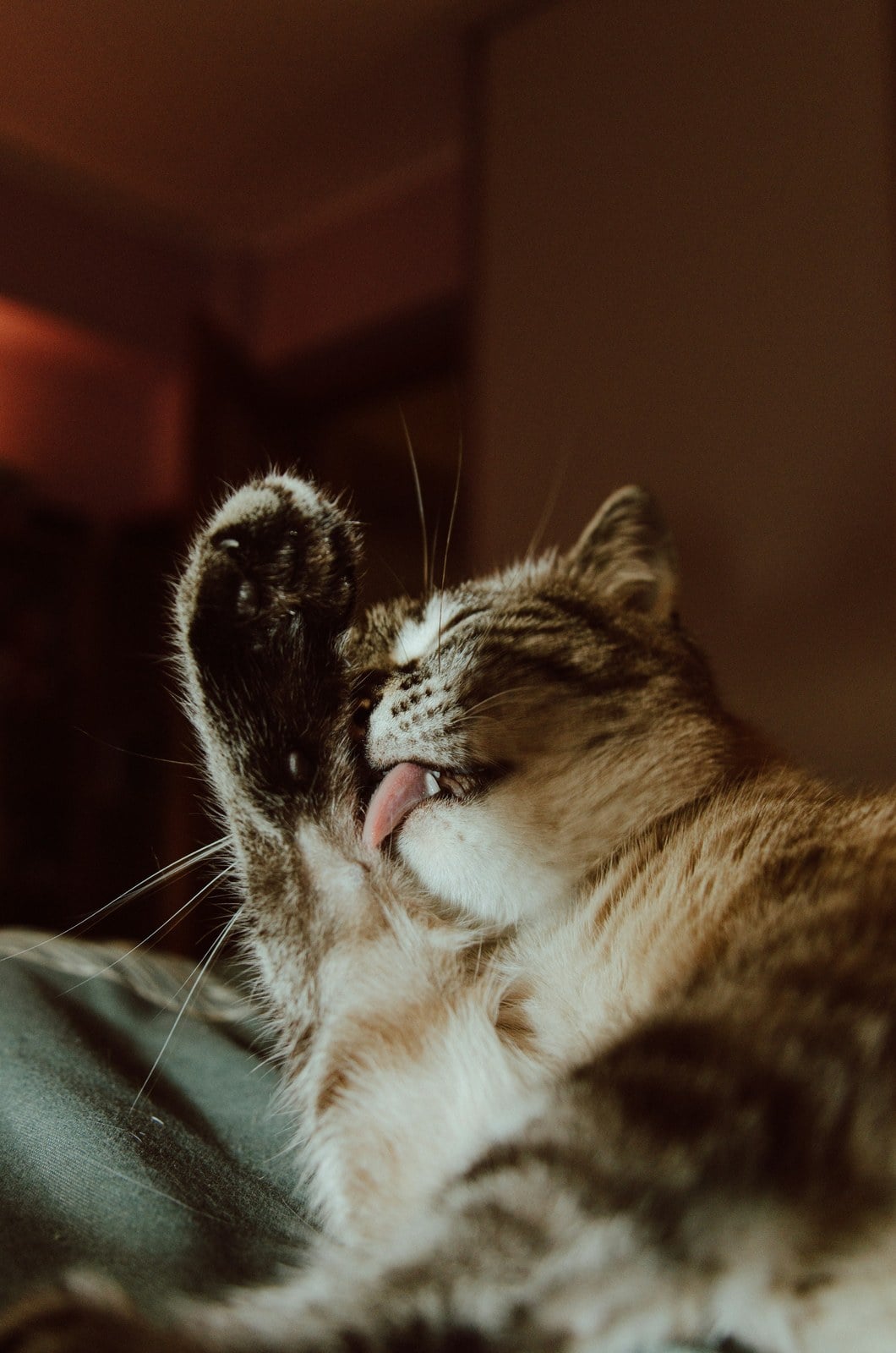
But not everyone held the same belief, even within the same county. Another folklore record from County Monaghan suggested that a cat washing above its ears would forecast wind, not rain.
It kind of makes you wonder what happens when your cat cleans behind both ears. Rain when he washes behind the first and wind after the second? Or is it more appropriate to batten down the hatches?
2. A Grooming Cat Can Announce Visitors
What the cat does: A cat passes its left paw over its left ear while washing its face.
What it means: Visitors are on the way.
Maneki-neko figurines, with their left paws raised, have been linked to the same pose.
Half a world away from Ireland, Japanese folklore has something different to say about a cat washing its ear. According to the lore, when a cat passes its left paw over its left ear while washing its face, it means visitors are coming.
The superstition has even been related to the maneki-neko, or beckoning cat figurines often seen in shops. These figures were often made of porcelain and featured cats in upright positions with their left paws raised. Folklore researcher U.A. Casal attributed this posture to an imitation of a cat cleaning over its left ear. Shopkeepers and restaurant owners would use these figurines as talismans to attract customers and good fortune.
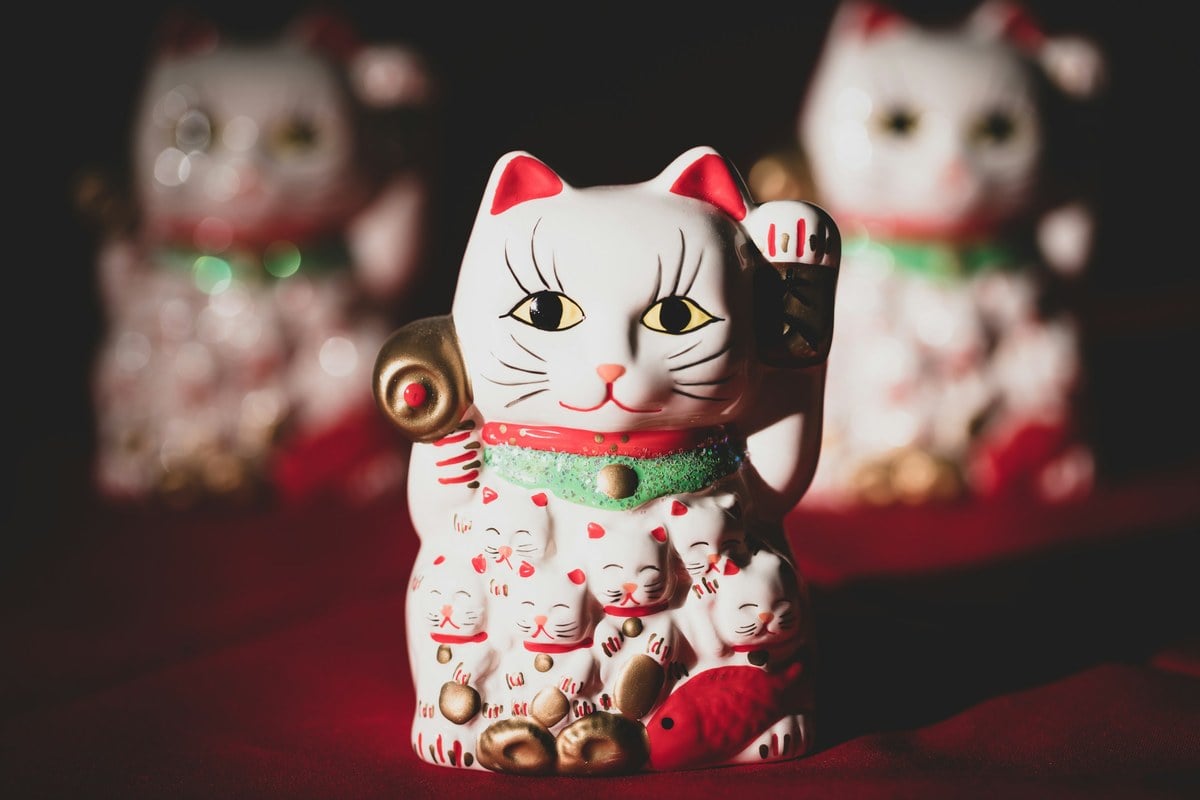
The maneki-neko figurines began appearing during the late Edo period (1603–1868). By the end of the Meiji period (1868–1912), widespread production throughout Japan was underway. Maneki-neko figurines became familiar sights in businesses and restaurants, where they were displayed to welcome customers.
Of course, porcelain cats weren’t the original predictors of visitors. When Phoebe cleans her left ear, it might just mean Aunt Sally is on the way over. But when that little porcelain figure sits holding its left arm up, it could herald a paying customer.
It’s kind of ironic when you think about it. Shopkeepers relied on porcelain cats to bring in customers, while real housecats contributed nothing to household incomes.
3. A Sneeze Before the Wedding Is Good News
What the cat does: A cat sneezes the night before a wedding.
What it means: The bride can expect good fortune.
Robert Means Lawrence wrote about it in 1898.
A wedding can be incredibly stressful, with all the planning, weather worries, and dress fittings. But in England, one sneeze from a cat the night before the ceremony could be enough to lay the bride’s wedding jitters to rest.
The only problem is that you can’t exactly schedule a sneeze, even if timing it perfectly means good news. And anyone who lives with cats knows that getting them to cooperate with any of your plans isn’t particularly realistic.
American physician and folklore author Robert Means Lawrence documented this English superstition in his 1898 book The Magic of the Horse-Shoe. In the book, he described the belief that a cat’s sneeze before a wedding was fortunate. He discussed this superstition alongside other European beliefs about sneezes, some of which regarded them as omens of good or bad fortune.
Everybody’s Book of Luck explains that brides had to navigate several wedding-day superstitions. Among these were the welcome sign of a cat sneezing and the supposed foretelling of problems for the bride when a cat meows.
The book also offered the not-so-sage advice to feed the cat to avoid unwanted meowing. But as we all know, if Blue is ready to sing the song of his people, no amount of kibble will stop him.
4. A Rain-Cloud-Colored Cat Can Help Bring Rain
What the cat does: A cat cries when villagers splash it with water in a rain-calling ceremony.
What it means: Its cries call for the rain.
In 2019, a village in Uttaradit used people nicknamed “cat” instead of real cats.
Thailand is no stranger to drought, but the country’s agricultural economy depends on seasonal rain. Traditionally, when rain failed to come, several rural communities held ceremonies to call for it. While that’s not that unique on its own, the central focus of those ceremonies was a different story. Thai rain-calling ceremonies focused on cats.
The Si Sawat cat has a distinctive silver-blue coat that was associated with rain clouds. Its green eyes symbolized fertility and vegetation. These associations made this particular breed of cat an especially meaningful choice for the ceremony.
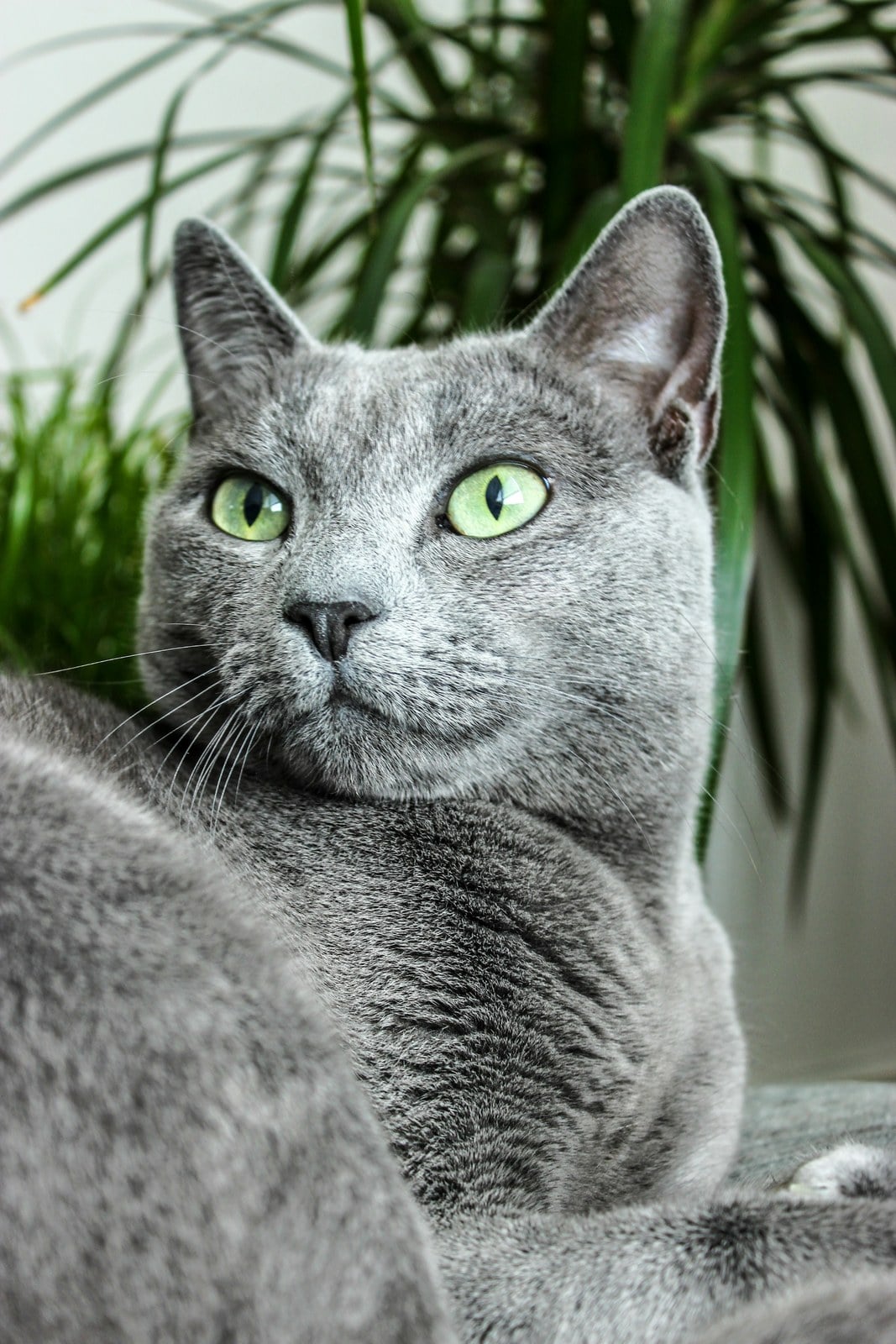
During the ceremony, villagers selected one to three cats, often Si Sawats. They placed the cats in bamboo or rattan baskets and carried them through the village. Participants sang ceremonial songs asking for rain while residents splashed water at the cats as they passed. People believed cats disliked getting wet, and their cries were seen as calling for rain.
In 2019, residents of a village in Uttaradit decided to use a different approach. Instead of using real cats, they used people whose nicknames meant “cat.” Participants wore cat makeup and let residents splash water on them. The community preserved their rainmaking tradition without using live animals.
5. A Cat Gets the First Look at a New House
What the cat does: Someone carries a cat into a newly built home before the family moves in.
What it means: The cat wards off evil and brings good fortune to the house.
Depending on the tradition, a white, gray, or striped cat may be preferred.
After building a new home, homeowners usually think about unpacking, arranging furniture, and settling in. According to one Thai superstition, there’s another step they should take before moving in. Someone should carry a cat into the newly built home first.
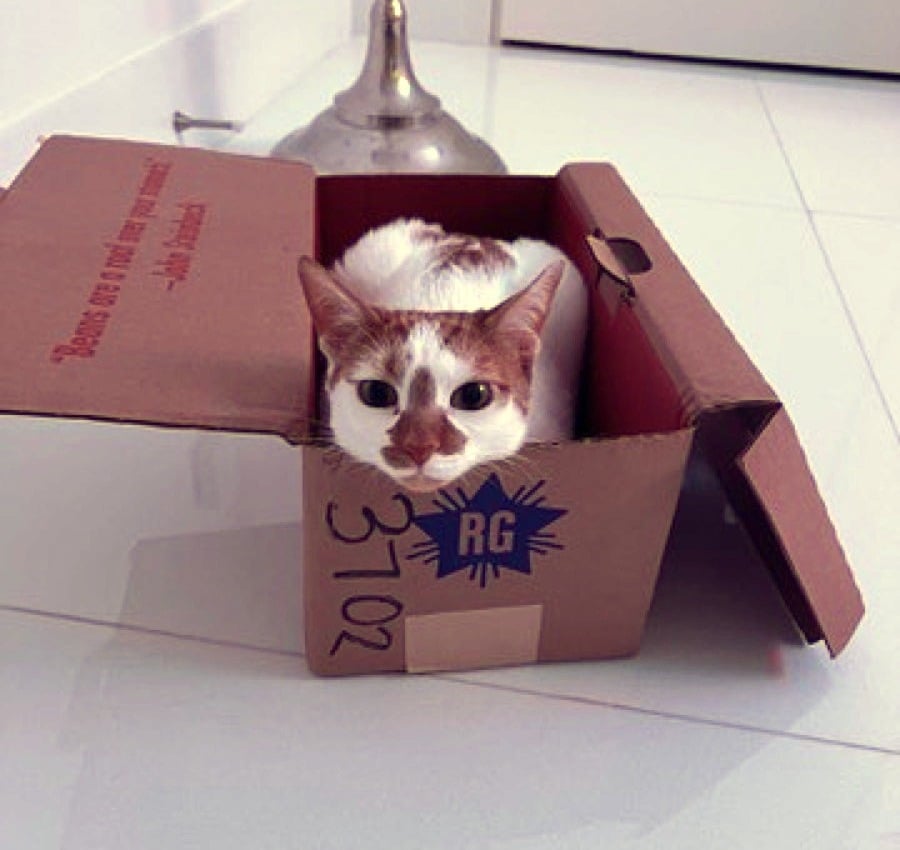
So why a cat? Some argued it could help control mice. Other explanations were more supernatural. Many believed that cats could ward off evil while bringing good fortune to the house. Another popular belief was that cats could find their way home, making them meaningful symbols of stability within the household.
Apparently, choosing the right cat was another consideration. Depending on the specific tradition, a white, gray, or striped cat may have been preferred. Striped cats had an interesting association with tigers, which symbolized strength and authority. Despite this, there was no particular cat that everyone agreed should be the first through the door.
The cat wasn’t the only thing people carried into their new homes, either. Depending on where they lived, families might also bring along specific foods and objects for luck. Each had its own meaning, whether it was a wish for prosperity, a happy family, or a stable home. Not every community followed exactly the same customs.
It’s kind of ironic that a little furry creature known for absolute destruction one minute could be trusted to bring good fortune to a new home before the owners move in.
6. An Ordinary-Looking Cat Might Be a Spirit
What the cat does: A cat simply shows up, sometimes early in the morning.
What it means: It might be a jinn in disguise.
In Khorasan, some believed black cats could be helpful jinn.
Imagine passing a random cat on the street. Most of us wouldn’t think much of it. But according to some Iranian folk beliefs, that ordinary-looking animal might actually be a jinn in disguise.
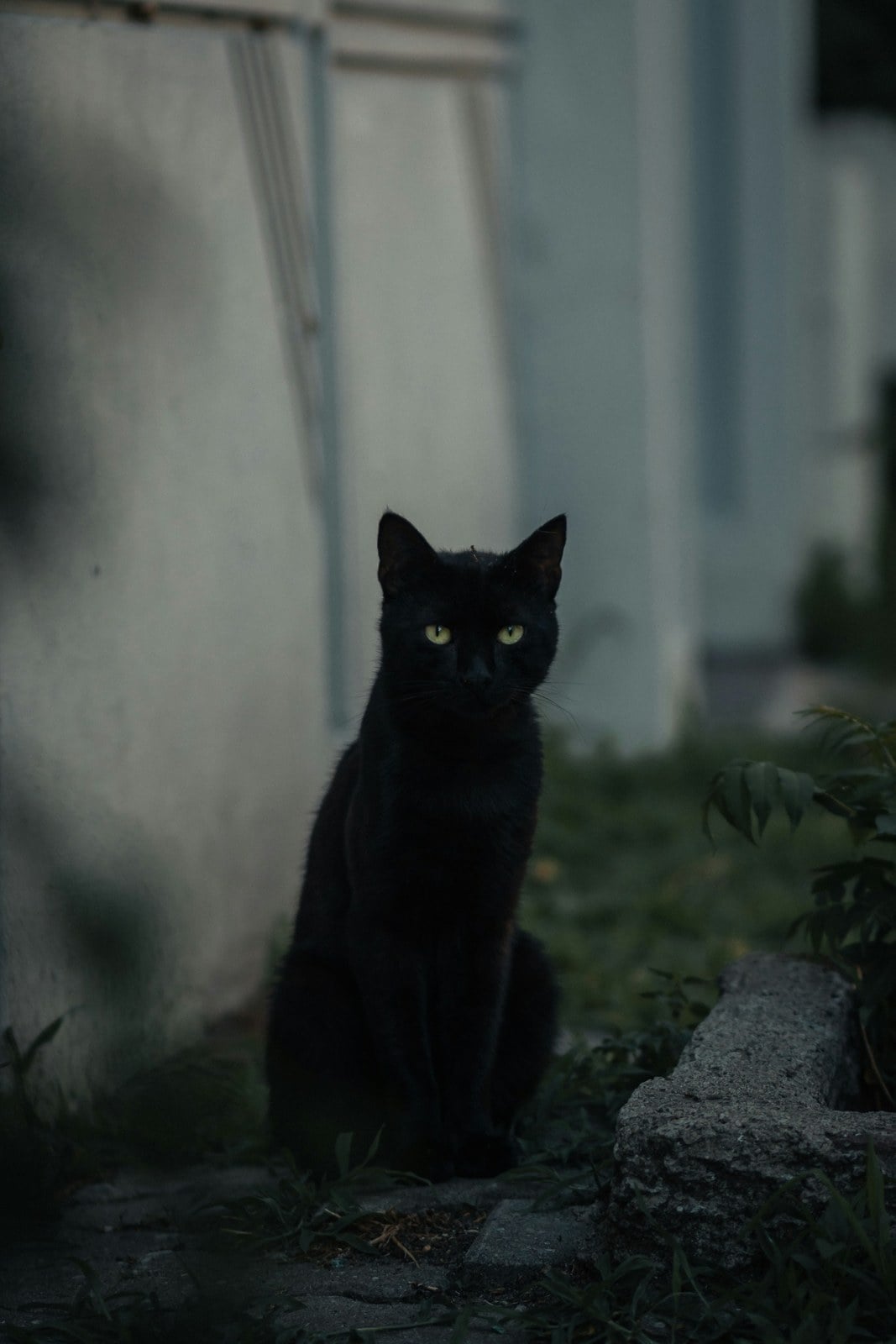
According to Islamic and Iranian tradition, humans weren’t the only sentient folks in the world. They shared it with supernatural beings called jinn, but most people would never see them. Folklore described them as able to take animal forms, including that of an ordinary house cat.
Black cats were especially associated with jinn, but that didn’t mean white cats were exempt. For some, seeing one of these cats early in the morning was considered unlucky. Believers might respond to a suspected jinn by saying besmellāh (“in the name of God”) as protection against possible harm. Unlike Irish and Japanese traditions, this superstition wasn’t focused on what the cat was doing. Its mere presence was enough to be considered a bad omen.
Not everyone who believed in this superstition thought the jinn were bad. In Khorasan, a region of northeastern Iran, some believed black cats could be Muslim jinn who were helpful rather than harmful.
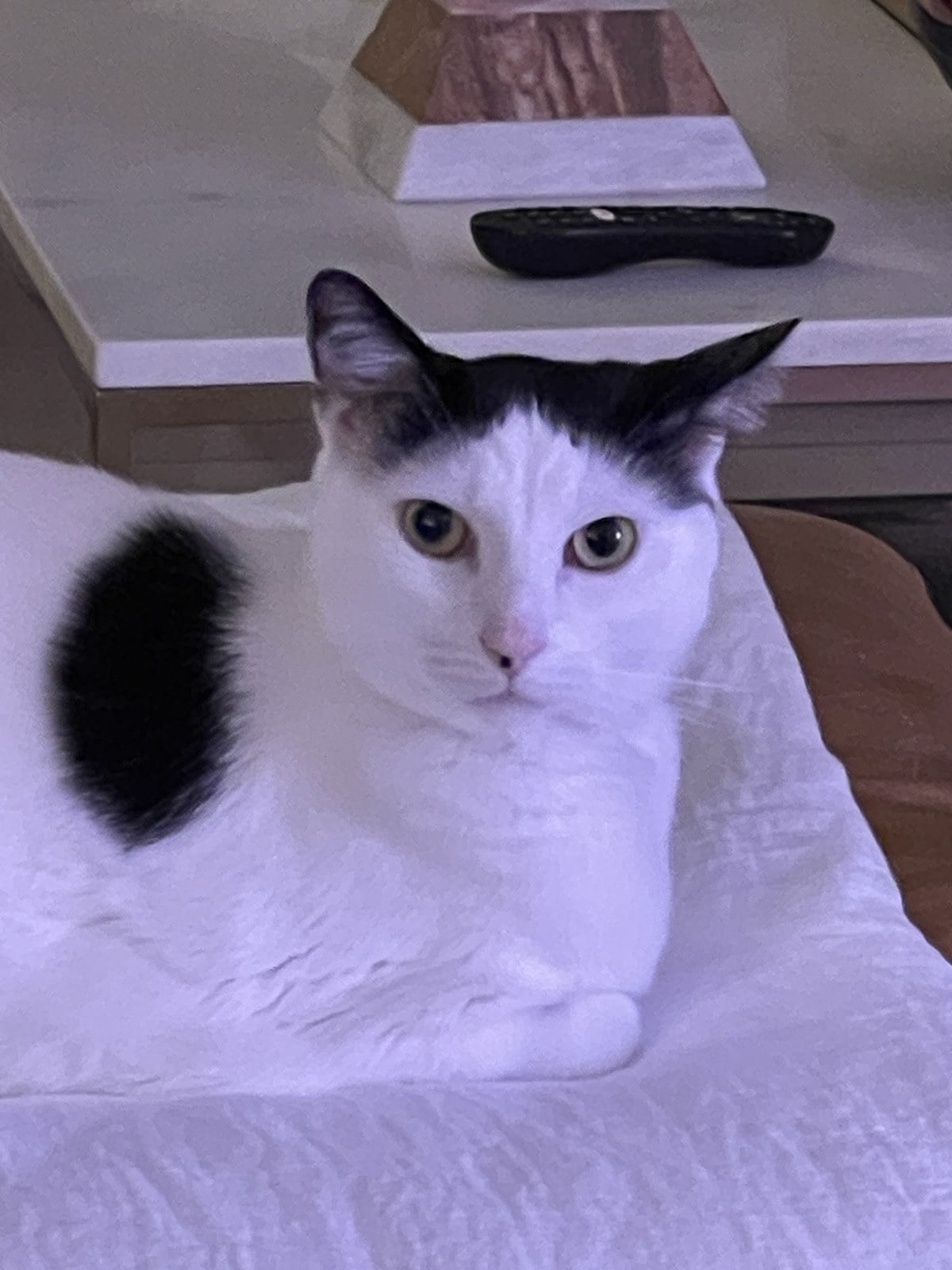
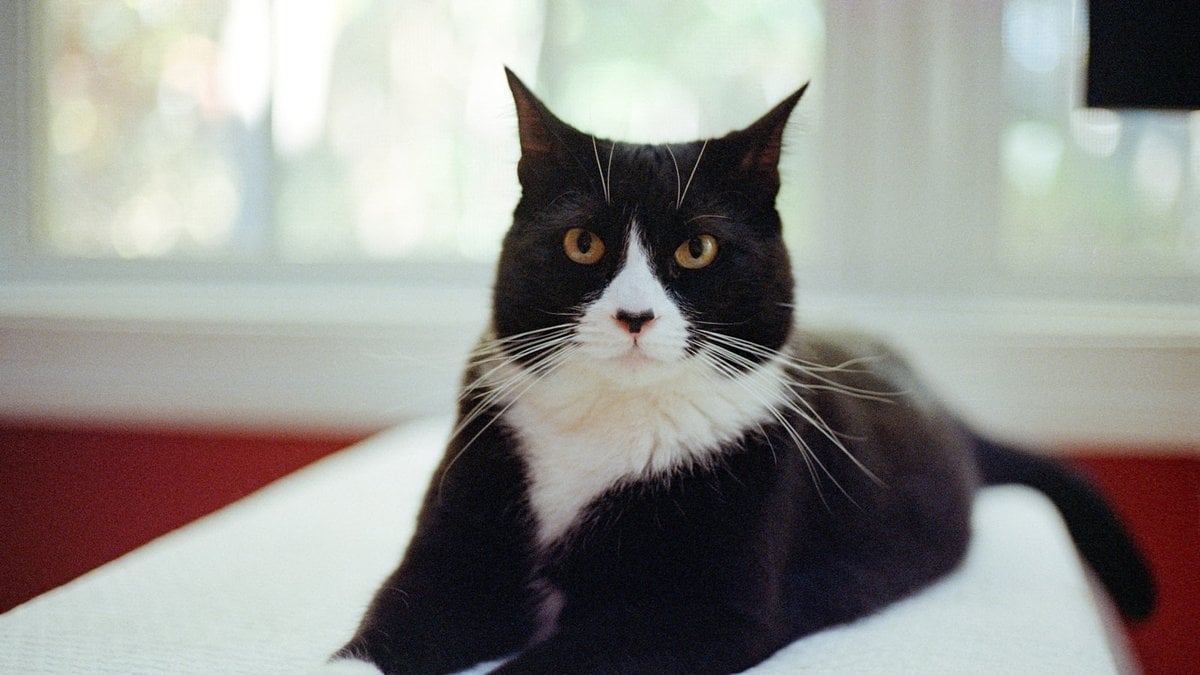
When Bird sits stoically staring at you from across the room, this superstition becomes a lot easier to understand.
7. New Christmas Clothes Keep the Yule Cat Away
What the cat does: The Yule Cat prowls the countryside at Christmas.
What it means: Anyone who didn’t get new clothes is in trouble.
Farmers used the legend to get the autumn wool finished before Christmas.
Remember growing up and the disappointment of getting yet another pair of socks for Christmas? If you were in Iceland, those socks would have been a welcome sight. The Jólakötturinn (Yule Cat) is described as a terrifying and enormous cat that prowls the countryside during Christmas.
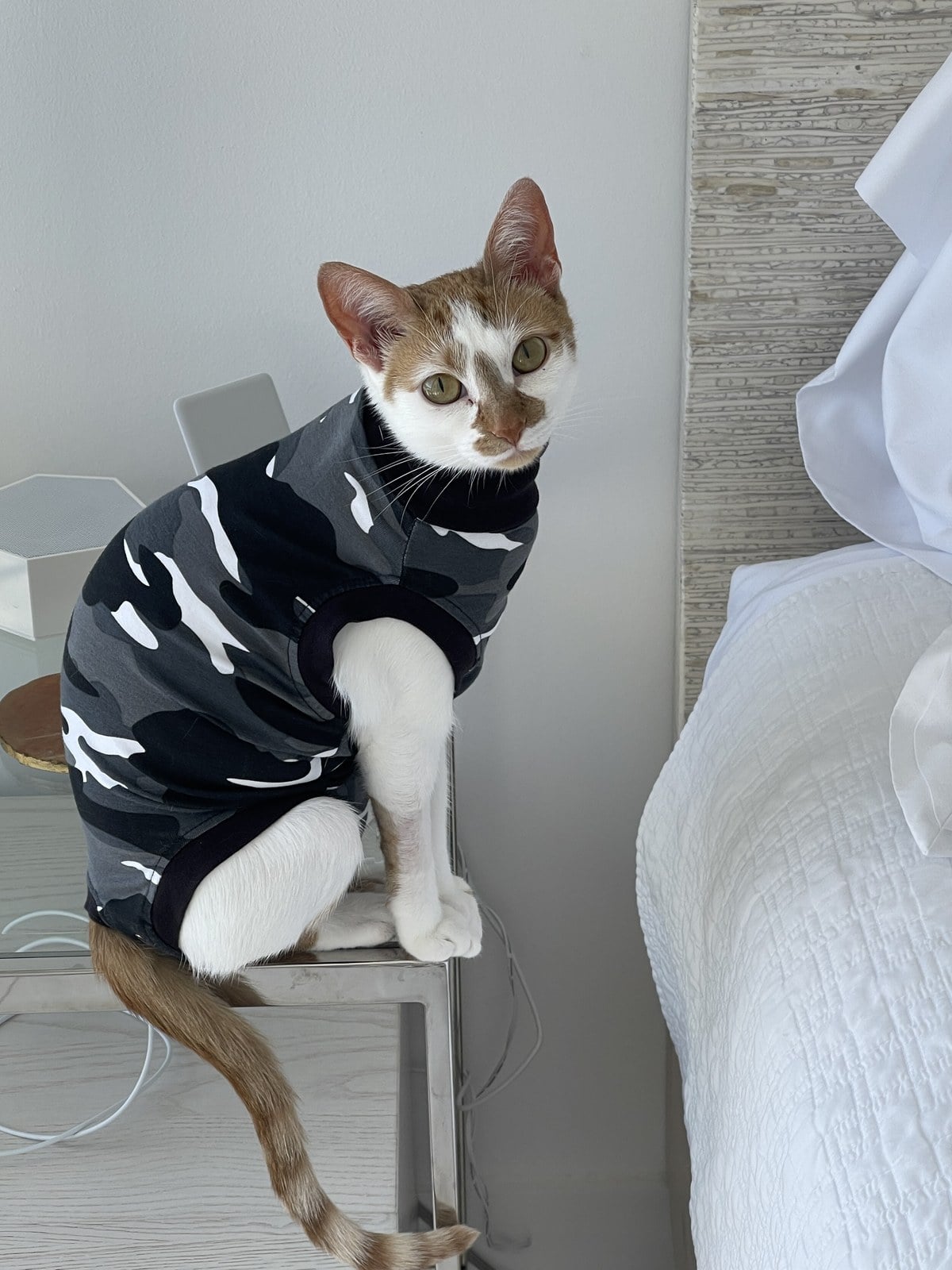
Legend says the Yule Cat has glowing eyes and an intimidating presence, but that wasn’t the worst of it. The Yule Cat was said to search for people, both young and old, who didn’t receive new clothes on Christmas. Depending on the version of the superstition, people might be taught to fear the Yule Cat eating its victims or stealing their food.
Traditional Icelandic farming communities depended on everyone in the household helping with Christmas preparations. Tasks were varied and included processing wool, knitting clothing, cleaning, baking, and preparing food. According to a traditional explanation, farmers used the threat of the Yule Cat to encourage workers to finish processing autumn wool before Christmas. Those who completed their tasks could receive a gift of new clothes and protection from the creature.
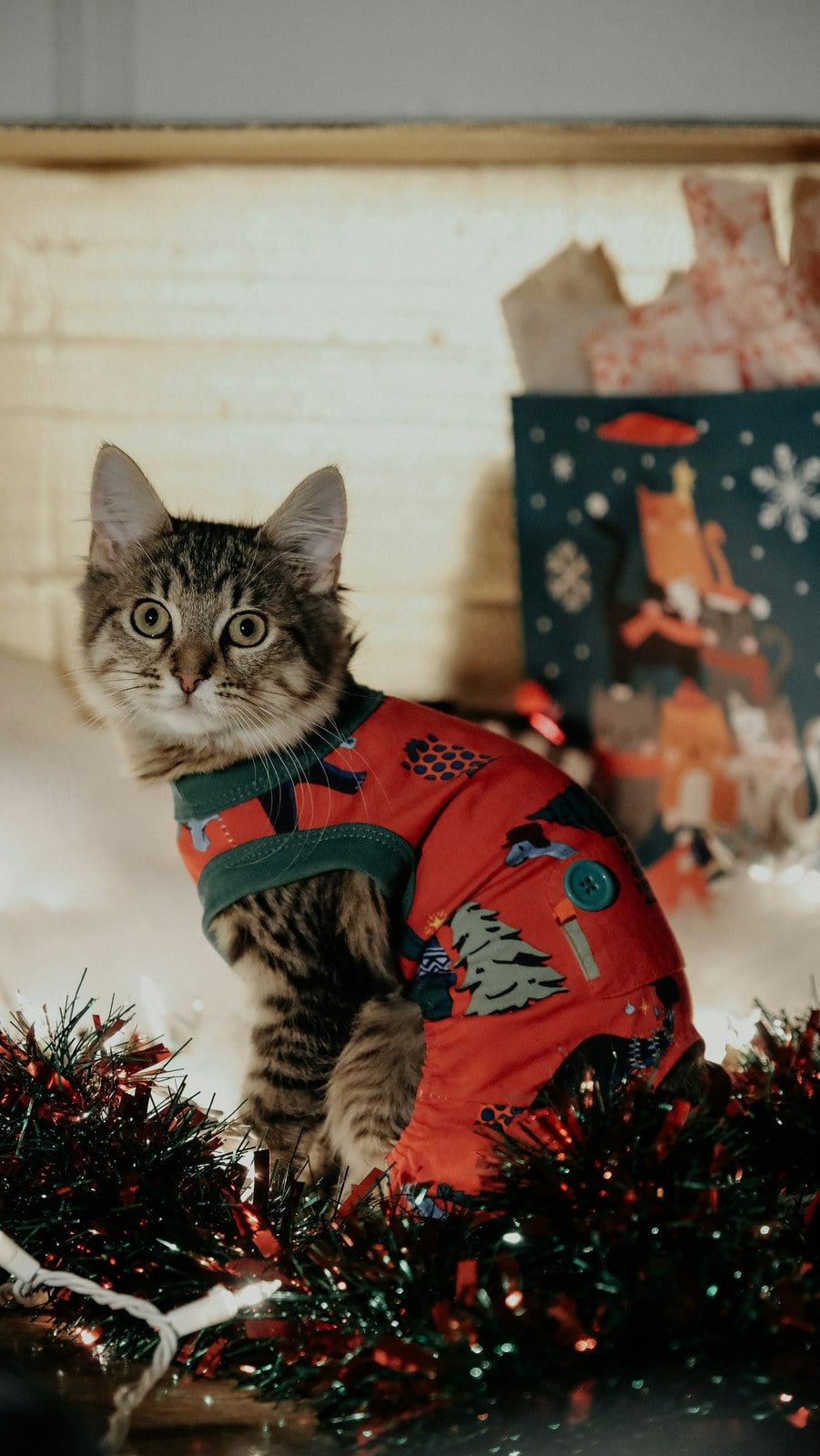
The Yule Cat is often associated with other figures in modern folklore, including Grýla, a frightening ogress who hunts misbehaving children, her husband Leppalúði, and the 13 Yule lads. While these associations developed over time and the superstitions didn’t all originate together, people later described the Yule Cat as the family’s pet.
A Little Mystery in Everyday Cat Behavior
Tap a number on the map to jump back to that superstition.
The next time you catch your cat grooming, sneezing, or getting into mischief, you might find yourself looking at him a little differently. Humans have spent centuries looking for hidden meaning in the things cats do every single day. Your furry friend probably isn’t predicting the weather or announcing unexpected guests, but it’s fun to imagine there’s a little more to their antics than meets the eye.

Writer and lifelong cat lover who shares her home with her fiancé and 14 rescue cats.